All inclusive service
No hidden fees

Prices from £14.99
Review More Prices
Your privacy is important, Prescription Doctor are committed to keeping your details completely confidential.
This is why we also take steps to conceal your prescription products under two layers of packaging.
We have a commitment to delivering a discreet service and understand your need for privacy. We ship all orders via a trackable courier using discreet, plain packaging.
Once your order is dispatched you will receive a tracking number via sms and email.
We deliver medications between Monday and Saturday. You can upgrade to Saturday delivery on Friday.
You should receive a tracking number with your order which you can use this number to track your parcel online. This should give you a clear indication of where your parcel is. If you haven’t received your parcel in the time frame given by our couriers, contact your local depot to find out where it is. You can also contact our support team who will do this for you.
On checkout you will be asked to leave your mobile number so our courier can text you about the delivery. This is also useful if the courier has problems finding your address. We will not use your mobile number for anything else.
You can pay for your order using credit, debit card or via bank transfer.
If you don’t have a credit or debit card you can pay via bank transfer. We will give you a unique reference number at checkout along with details of how to make the transfer. Once the money has cleared in our account, we will process your order.
We are a completely secure site and take many measures to ensure your details are kept safe. We understand that you have a right to extreme privacy when purchasing sensitive health medications. All information that you provide to us is stored on our secure servers. Any payment transactions will be encrypted using SSL technology.
You can pay for your order using credit, debit card and bank transfer.
Card Payment: Please notify us that you wish to cancel your order. Your refund will show available In 1 - 3 days.
Bank Transfer: A member of our team will contact you requesting for your bank details. These details are only used to transfer the funds back into your account.
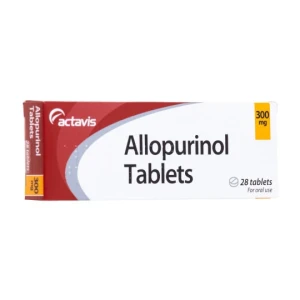
Allopurinol is a prescription-only medication that lowers uric acid levels in the blood to prevent conditions, such as gout, kidney stones, and high uric acid levels during cancer treatment. It is a xanthine oxidase inhibitor because it blocks xanthine oxidase, the enzyme responsible for uric acid production in the body.
Allopurinol is available as an oral tablet and is usually taken once daily, preferably with food and water. It was discovered in the early 1960s by Dr Gertrude Elion and Dr George Hitchings. Their pioneering work on this and other medications that improve metabolism eventually earned them a Nobel Prize.
Allopurinol is usually used to relieve the symptoms of gout, a form of arthritis that is caused by the crystallisation of uric acid in the joints. However, it can also be used to treat other conditions caused by high uric acid levels, including kidney stones.
At Prescription Doctor, our clinicians can only prescribe allopurinol for gout, a painful type of inflammatory arthritis that commonly affects the big toe. The symptoms of gout include:
Allopurinol does not treat the sudden, sharp pain associated with gout flare-ups, but it can lower uric acid levels in your blood to help prevent them from occurring.
Allopurinol blocks the enzyme xanthine oxidase, which plays an important role in uric acid production. This reduces uric acid (the compound responsible for painful gout attacks) production, thereby lowering uric acid levels and reducing the likelihood of gout attacks.
Reducing uric acid levels in the body also helps reduce joint inflammation, which can lead to reduced pain and swelling. Plus, allopurinol works as a prophylactic, preventing the formation of new uric acid crystals and minimising the risk of future gout flare-ups.
Uric acid levels usually begin to fall within 1 to 2 weeks of starting allopurinol, but it can take several weeks or even months to take effect fully. The timeframe will vary from person to person due to factors such as gout severity, overall health, and adherence to prescriptions.
Research suggests that while allopurinol does not reduce the number of gout attacks, it does increase the number of people who reach target uric acid levels within 30 days. 96% of people achieved the target serum uric acid levels while taking allopurinol daily. The same paper found that 4% fewer people had an acute gout attack while taking allopurinol.
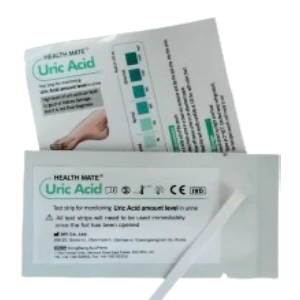
Some studies suggest that allopurinol helps 42% of patients with gout reduce their uric acid levels to ≤6 mg/dL, the recommended blood uric acid target. If you’re unsure about your uric acid levels, you can purchase a test kit from Prescription Doctor.
Allopurinol tablets should be taken after food and swallowed whole with a glass of water. You mustn’t chew the allopurinol tablet, but there is a break line on the pill to help you break the tablet if you have difficulty swallowing it whole. It’s essential that you always take the medication exactly as your prescriber advises and check with them if you are ever unsure.
The recommended allopurinol dosage for gout ranges from 100mg to 900mg each day. You will typically start on a low dose to reduce the risk of side effects, which will be increased if necessary. Regular monitoring is required to ensure you are on the right strength for your circumstances.
If you are an older person, or have reduced liver or kidney function, your doctor may prescribe a lower dose or to take it at longer intervals. If you have dialysis two or three times a week, your doctor may prescribe a dose of 300 or 400 mg, which needs to be taken straight after your dialysis.
Take your missed dose of allopurinol as soon as you remember, unless it is nearly time for your next one. In this case, just skip the missed dose and take your next one at the usual time. Do not take a double dose to make up for one you have missed.
If you take more allopurinol than you should, seek medical attention or go straight to your nearest hospital. Ensure that you take the medicine pack with you so it can be determined what tablets you have taken and how many. Possible signs of an overdose include diarrhoea, dizziness, nausea, and vomiting.
Just like all medications, allopurinol can cause side effects in some people, so it is important to understand what they are alongside any potential cautions. This will give you a better idea of what to look out for and when you may need to seek medical advice.
Allopurinol can cause side effects, but not everyone will get them. For most people, the side effects are mild and temporary, improving as your body gets used to the medication.
Common (may affect up to 1 in 10 people) | Uncommon (may affect up to 1 in 100 people) | Rare (may affect up to 1 in 1,000 people) | Very Rare (may affect up to 1 in 10,000 people) |
|---|---|---|---|
|
|
|
|
Please note that the above is not a complete list of possible allopurinol side effects. More information can be found within the Patient Information Leaflet that comes with the medication. If you get any allopurinol side effects, including any that aren’t listed here, you can report them to the Yellow Card Scheme to give clinicians a better understanding of the safety of this medication.
Allergic or hypersensitivity reactions are uncommon but possible. If you get any of the following hypersensitivity reactions while taking allopurinol, stop taking it immediately and see a doctor, or in an emergency go to A&E:
Uncommon (may affect less than 1 in 100 people) | Rare (may affect less than 1 in 1,000 people) | Very Rare (may affect up to 1 in 10,000 people) |
|---|---|---|
|
|
|
Although Allopurinol is effective for gout, it may not be suitable for everyone. You should not take the medication if you are allergic to allopurinol or any other ingredients in the treatment. If you are unsure, speak to your clinician or doctor beforehand.
Before taking allopurinol, tell the clinician if you:
You should take special care with allopurinol if you have:
Before taking allopurinol, it is important that you tell the clinician about any prescribed, over-the-counter, or herbal medicines you are taking. That’s because some medicines can affect how allopurinol works, and vice versa.
Tell the clinician if you are taking any of the following:
You should leave at least 3 hours between taking allopurinol and aluminium hydroxide, as taking them together can reduce their effectiveness.
If you take allopurinol with cytostatics, such as cyclophosphamide, doxorubicin, bleomycin, procarbazine, alkyl halogenides, blood disorders can happen more frequently than when they are taken alone. You may need regular blood tests to check your blood health.
Before taking allopurinol, tell the clinician if you are pregnant, think you might be pregnant, or are breastfeeding. It is not recommended that you take allopurinol while breastfeeding as the medicine can be excreted in your breast milk.
Allopurinol is a prescription-only medicine, which means you must have the approval of a qualified clinician, doctor, or pharmacist to get it for gout. It may be available on the NHS or via a private prescription from an online pharmacy service, depending on your preference.
No, allopurinol is not available over the counter; you must have a prescription from a clinician to get it. They must check that allopurinol is both safe and suitable for you to take.
Yes, allopurinol is available on the NHS to treat gout. Your GP can prescribe allopurinol as a long-term gout treatment once they have assessed your symptoms and diagnosed gout. If you pay for your prescriptions, allopurinol will be subject to the current NHS prescription charge.
Yes, allopurinol is available online from regulated services like Prescription Doctor. You will need to fill out a short online health questionnaire for our clinician to review. This enables them to ensure that allopurinol is a suitable medication for you.
If it is, we will post your medication in discreet packaging to maintain your confidentiality. If your order is approved before 3pm Monday to Friday, we will dispatch your medication for next-day delivery.
Starting allopurinol can temporarily trigger or worsen gout attacks because changes in uric acid levels may disturb crystals already deposited around the joints. This can release crystals into the joint, causing inflammation. The effect does not mean the medicine is failing; attacks should become less frequent with continued treatment.
If you already take allopurinol, continue taking it during an attack unless your doctor advises otherwise.
Take allopurinol at the same time each day, preferably immediately after food to reduce the likelihood of nausea. If you take it once daily, choose a convenient time you can remember. Swallow the tablet with water and follow the dosing instructions provided by your clinician.
If your prescribed daily dose is above 300mg, you may be advised to divide it into smaller doses taken at different times.
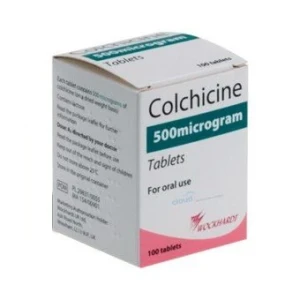
Yes, colchicine and allopurinol can be taken together when prescribed. Allopurinol gradually lowers uric acid to prevent future attacks, while colchicine reduces inflammation during a flare. Colchicine may also be prescribed temporarily when starting or increasing allopurinol because changes in uric acid can initially trigger gout attacks.
Weight gain is not a recognised common side effect of allopurinol. If your weight increases after starting treatment, another medicine, condition or lifestyle factor is more likely to be responsible. Speak to your doctor if the gain is unexplained, substantial or accompanied by swelling, breathlessness or other new symptoms.
Yes, you can drink alcohol while taking allopurinol because alcohol does not directly stop the medicine from working. However, alcohol can increase uric acid and trigger or worsen gout attacks. Limiting your intake may therefore help control gout. UK guidance recommends drinking no more than 14 units per week.
Spread your intake across several days and include alcohol-free days. Some people find beer and spirits particularly likely to trigger their symptoms.
Allopurinol is not commonly associated with sexual problems, but erectile dysfunction has been reported in very rare cases. Other causes, including circulation problems, diabetes, stress and other medicines, are more likely. Speak to your doctor if erection problems begin after starting allopurinol, persist or affect your wellbeing. Do not stop treatment without advice.
No, allopurinol is not a blood thinner and does not prevent blood clots. It is a xanthine oxidase inhibitor that reduces the amount of uric acid your body produces. However, it can interact with certain medicines, including the anticoagulant warfarin, so your doctor may arrange additional monitoring.
Allopurinol may cause side effects such as drowsiness, dizziness, or sleepiness, and may affect your coordination. If any of this happens, do not drive or use any machinery or tools.
Store allopurinol tablets in their original packaging, away from moisture, direct sunlight and excessive heat. Keep them out of the sight and reach of children, and follow any temperature instructions printed on the packaging or patient leaflet. Do not use the tablets after the expiry date shown on the pack.
Return expired or unwanted tablets to a pharmacy for safe disposal rather than putting them in household waste or flushing them down the toilet.
© 2013 - 2026 Al Muhsineen Limited. All Rights Reserved. Registered Pharmacy: 34 Halliwell Road, Bolton BL1 8RL. Registered Office: 254 First Floor, Shearbrow, Blackburn, England, BB1 8DS
Don't have an account?
Your account will be automatically created after placing your first order.