
9 Causes of Hair Loss Explained
Although common, hair loss can significantly affect a person’s mental health and well-being. Many factors can contribute to the condition, some irreversible and others treatable with intervention.
But what exactly are these factors, and what can be done (if anything) to reduce and reverse their impact? Join us as we explore 9 causes of hair loss and answer some frequently asked questions. Let’s begin.
What are the Different Types of Hair Loss?
Doctors broadly classify hair loss (alopecia) as either non-scarring or scarring. In non-scarring alopecia, the hair roots are not permanently lost and, therefore, have the potential to grow back. In scarring alopecia, the hair follicle is destroyed and replaced with scar tissue, meaning the hair won’t grow back.
Non-scarring alopecia is more common than scarring alopecia. Scarring alopecia can be primary (when inflammation directly damages hair follicles) or secondary to another health condition, injury, or medical treatment. The most common types of non-scarring hair loss recognised by dermatologists are:
- Androgenetic alopecia: Androgenetic alopecia (also called female pattern or male pattern hair loss) is the most common form of non-scarring hair loss in both genders. The condition can be caused by a combination of genetic and hormonal factors.
- Alopecia areata: Alopecia areata is a type of hair loss caused by inflammation of the hair follicle. This can happen when the body’s immune system mistakenly attacks the hair follicles, though scientists don’t fully understand why this happens.
- Traction alopecia: Traction alopecia occurs when tight hairstyles, such as ponytails, buns, and braids, repeatedly pull on hair until it falls out. This can lead to bald spots where the hairstyle creates tension.
- Telogen effluvium: Telogen effluvium involves increased hair shedding over the whole scalp, which can cause hair to thin out. Common triggers include stress, illness, and other major bodily changes that disrupt the hair cycle.
Causes of Telogen Effluvium Hair Loss
Telogen effluvium happens when there is a disturbance to the normal hair cycle, which pushes ‘growing’ (anagen) hairs into a ‘shedding’ (telogen) state. Under normal conditions, only about 15% of scalp hair is in the shedding phase. In telogen effluvium, however, this percentage can rise to 30% or more, leading to noticeable thinning across the scalp. This increased shedding can occur suddenly and usually occurs about three months after a trigger.
Some common triggers for telogen effluvium include:
- Physical trauma
- Surgery
- Stress
- Rapid weight loss or major dietary changes
- Infection or illness, especially if accompanied by a high fever
- Hormonal changes (for example, after childbirth)
- Iron deficiency (anaemia)
- Thyroid disorders (hyperthyroidism or hypothyroidism)
- Certain medications
Most cases of telogen effluvium are temporary and get better without treatment. New hair can start growing after three to six months, but it can take a long time for hair to return to its original length and volume.
What Causes Hair Loss?
Lifestyle, medical disorders, and genetic factors can all contribute to hair loss in men and women. Here, we’ll examine the possible causes of different types of hair loss and discuss potential treatment avenues for managing the condition.
Lifestyle Causes of Hair Loss
Several lifestyle factors can influence hair loss, including rapid weight loss, diet, stress, and certain hairstyles. It can be helpful to learn how these can contribute to increased hair shedding and what steps you can take to mitigate hair loss.
1. Rapid Weight Loss
Rapid weight loss puts significant physiological stress on the body, which can disrupt the normal hair cycle and trigger telogen effluvium. Hair loss is more likely among people who lose a large amount of weight, with one study reporting that telogen effluvium occurred once participants lost around 15.21% of their total body weight.
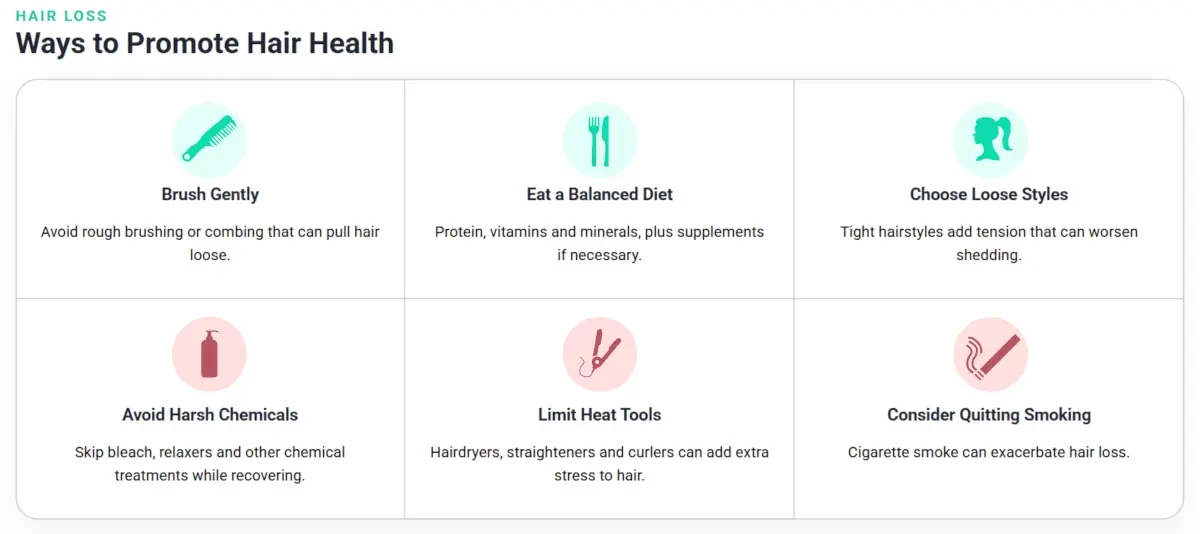
Telogen effluvium is normally a temporary condition that requires no treatment. Hair usually starts growing back naturally after the 3-6 month shedding phase, though it can take a long time to return to its previous volume. You can, however, promote hair health and mitigate shedding if you:
- Avoid harsh brushing
- Limit your use of heat-treatment tools (like hairdryers, curlers, and straighteners)
- Avoid hair treatments that use harsh chemicals (like bleach or relaxers)
- Avoid tight hairstyles
- If you smoke, consider stopping
- Eat a balanced diet and use supplements where necessary
2. Diet
Two key dietary factors contribute to hair loss: rapid weight loss and nutritional deficiencies. People with a restricted diet often experience telogen effluvium because of low calorie intake, but a lack of other vital nutrients can also play a role. For example, low levels of iron, zinc, niacin, fatty acids, selenium, biotin, and protein have all been linked to hair loss.
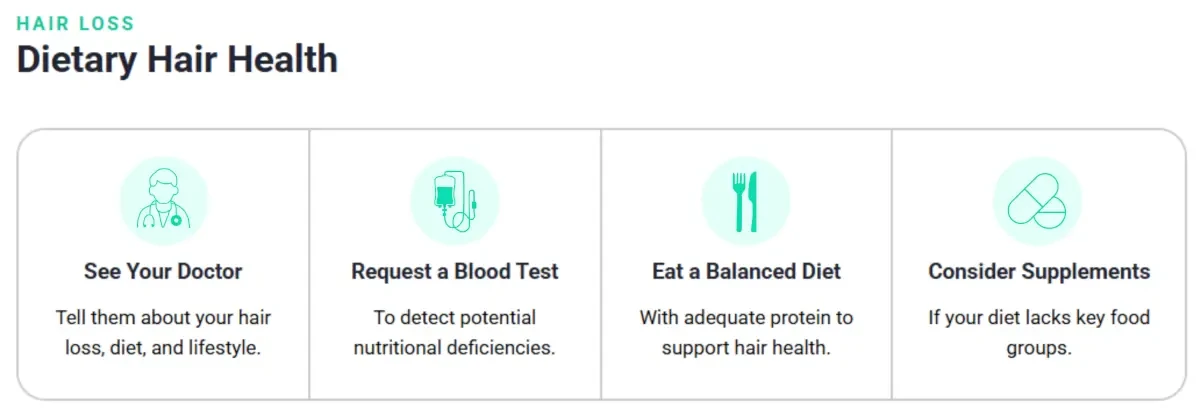
If you are worried that your diet is causing hair loss, you should:
- Make an appointment with your doctor and tell them about your hair loss, diet, and lifestyle
- Request a blood test to detect potential nutritional deficiencies
- Eat a balanced diet with adequate protein
- Use supplements if your diet lacks key food groups
3. Stress
Both physical and mental stress can trigger telogen effluvium, meaning hair loss can occur months after a major life event (such as bereavement, relocation, or a traumatic situation). Research indicates that emotional stress may also be a potential trigger for autoimmune diseases such as alopecia areata, though the relationship between the two is not fully confirmed.
In people with alopecia areata, the body’s immune system attacks hair follicles, causing hair to fall out. While stress doesn’t directly cause alopecia areata, it can trigger symptom flares. Therefore, it may help to implement stress-management strategies such as:
- Practising mindfulness meditation
- Seeking the support of friends and family members
- Cognitive behavioural therapy (CBT)
- Breathing exercises
- Regular physical activity
- Spending time in nature
- Limiting intake of stimulants (like caffeine and nicotine)
- Prioritising sleep
4. Hair Style
Tight hairstyles can lead to traction alopecia, in which continuous pulling on the hair roots causes hair loss. This can lead to bald patches in tension-bearing areas, usually around the temples and in front of the ears.
The condition often begins in childhood, and the early stages are non-scarring and reversible. However, over time, continuous tension can scar the hair follicles and lead to permanent hair loss. If you think you have traction alopecia, speak to a doctor. They may recommend that you:
- Stop using hairstyles that exert tension on the hair roots (like tight ponytails, buns, braids, and extensions)
- Practice proper scalp care
- Use topical corticosteroids to reduce inflammation
- Take minoxidil to support hair growth
Scalp and Skin Hair Loss Causes
In some people, skin conditions affecting the scalp can also trigger hair loss. For example, seborrheic dermatitis and psoriasis are two skin conditions that can affect the scalp and contribute to hair loss through inflammation or physical trauma from scratching.
5. Seborrheic Dermatitis
Seborrheic dermatitis (also called seborrheic eczema) is a common inflammatory condition that affects oily skin zones on the face, scalp, chest, and back. Inflamed skin becomes red, itchy, and flaky and can lead to hair loss and thinning. This hair loss is usually reversible, and your doctor may advise you to:
- Avoid scalp irritants (like essential oils, fragranced products, tree nut oils, and products containing preservatives called methylisothiazolinone)
- Avoid shampoos containing sodium lauryl sulphate (SLS)
- Use an antifungal shampoo to kill yeast on the scalp and reduce itching
- Limit your use of hairstyling products (like gels, hairsprays, and lotions), as these can further irritate the scalp
- Avoid using harsh chemical treatments (like bleach, relaxers, and perm solutions)
- Limit or avoid using heat-treatment tools (like hairdryers, straighteners, and curling irons), as this can increase itching
6. Psoriasis
Psoriasis is an inflammatory condition that makes the skin dry, painful, flaky, and itchy, and causes silvery-white scales. It can affect any part of the body, but appears on the scalp in 50-80% of cases. Some people with scalp psoriasis experience hair loss, which doctors mostly attribute to telogen effluvium brought on by inflammation. Scratching the scalp can also cause physical trauma that contributes to hair loss.
If you have scalp psoriasis, consult a healthcare professional for advice.
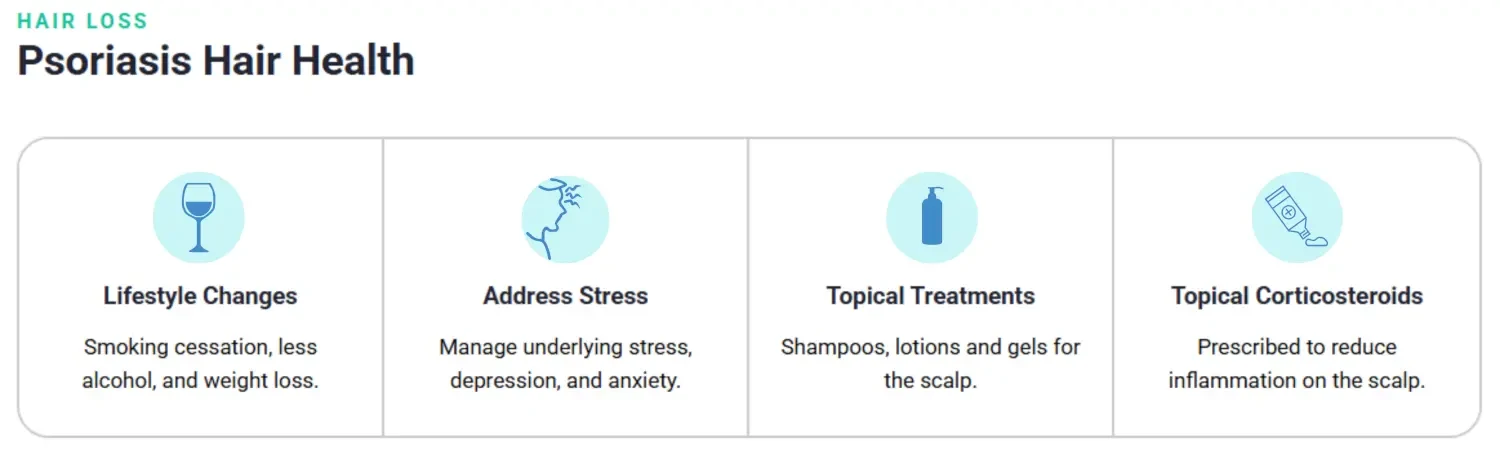
They may recommend:
- Lifestyle changes such as smoking cessation, reducing alcohol consumption, and weight loss
- Addressing underlying stress, depression, and anxiety
- Topical treatments, including shampoos, lotions, and gels for the scalp
- Topical corticosteroids
Other Causes of Hair Loss
Several types of hair loss have underlying hormonal and genetic causes. Hair loss is also a natural part of ageing, with androgenic alopecia affecting around 80% of Caucasian men by age 70. Here, we’ll discuss how hormonal imbalances can contribute to hair loss and ways to manage balding caused by age-related or genetic factors.
7. Ageing
Hair loss is a common feature of the natural ageing process, affecting around 53% of men and 37% of women over 65. Other age-related hair changes include:
- Decreased hair density
- Reduced diameter of hair fibres
- Loss of pigmentation (greying)
The causes of hair loss among older adults are diverse and include genetic factors, cigarette smoking, cosmetic treatments, and exposure to UV light, harsh chemicals, dust, and water. In many cases, hair loss is a normal part of getting older, and no treatment will 100% reverse it. You can promote hair health by practising proper scalp and hair care, but adopting robust coping strategies can also help to address the psychological impact of hair loss:
- Join an alopecia support group
- Practise acceptance
- Talk to friends, family, and loved ones about your hair loss
- Consider counselling
- Experiment with wigs, hair extensions, and headscarves
8. Hereditary Hair Loss
Some types of hair loss, such as androgenetic alopecia (i.e., male and female pattern baldness), have genetic causes that can be passed from parent to offspring. These genes can be inherited from either parent, and men are 5 to 6 times more likely to have androgenetic alopecia if their fathers also experienced balding. There is no cure for hereditary hair loss, but the condition typically progresses very slowly and may be further delayed with treatments like:
- Topical minoxidil liquid or minoxidil tablets (can be used for male or female pattern hair loss)
- Finasteride pills (for use by men only)
- Surgical treatments (hair transplantation)
- Proper scalp care
Other options for addressing hair loss include platelet-rich plasma (PRP) treatment, microneedling, and low-level laser light (LLLT). However, evidence for the effectiveness of these treatments is limited.
9. Changes in Hormones
Hormones play a key role in hair growth, so endocrine disorders can significantly disrupt the hair cycle. For example:
- Excess androgens can cause hair thinning and decreased hair density, leading to androgenic alopecia (male and female pattern hair loss)
- Low oestrogen levels can cause hair loss in women, especially following pregnancy and during the menopausal period
- Thyroid hormone imbalances can contribute to telogen effluvium, alopecia areata, and androgenic alopecia
If you’re concerned about hair loss and think your hormones could be the cause, make an appointment with your doctor. They may:
- Run a blood test to assess your hormone levels
- Recommend hormonal therapies to address imbalances (like the combined oral contraceptive pill)
- Prescribe treatments containing minoxidil (for men or women) or finasteride (for men only) to delay hair loss and promote growth
- Provide tips for proper scalp care
Common Causes of Hair Loss: Frequently Asked Questions
Which Vitamin Deficiency Causes Hair Loss?
Deficiencies in several vitamins can cause hair loss. These include Vitamin D, Vitamin B12, Zinc, Iron, Folic Acid, and Biotin. They can usually be corrected with diet and lifestyle changes or by using supplements to give your body the boost it needs.
Which Hormone Causes Hair Loss in Females?
The main hormone that causes hair loss in females is known as dihydrotestosterone (DHT). Although this is a derivative of testosterone and therefore typically associated with men, women also produce small amounts of it. Other hormones also contribute to hair loss, including cortisol, progesterone, and oestrogen.
What Causes Sudden Hair Loss in Men?
Sudden hair loss in men can be caused by several factors, including rapid weight loss, starting new medications, or conditions such as telogen effluvium and alopecia areata. Fortunately, you can take several steps to help with this issue and potentially even reverse it.
What Causes Hair Thinning?
Hair thinning often results from factors such as stress, poor nutrition, genetics, or hormonal fluctuations. Depending on the trigger, the condition could be permanent or temporary and resolve when the underlying issue is addressed.
Are Any Medications Available for Hair Loss?
Yes, several treatments are available to try and help with hair loss. These include:
- Dutasteride: Often prescribed off-label for hair loss, Dutasteride can help slow and reverse hair thinning, making it a reliable treatment option.
- Finasteride: Also sold as the branded product Propecia, Finasteride works by selectively blocking the 5-alpha-reductase type II enzyme, creating a more favourable environment for hair growth.
- Minoxidil: More commonly known by the brand name Regaine, Minoxidil is suitable for both men and women and can promote hair growth, resulting in a thicker head of hair.
Confidential Support for Hair Loss
At Prescription Doctor, we understand that dealing with hair loss can be difficult. The good news is that you don't have to go through it alone, and support is available to help you improve your situation wherever possible.
Since 2013, we’ve prided ourselves on providing a reliable and discreet service that offers secure, straightforward access to the medication you need. With us, there’s no need for a potentially embarrassing face-to-face consultation, just a brief online questionnaire to help us determine what medication may be most suitable for you. Once your order has been approved, our General Pharmaceutical Council-registered pharmacy will dispatch it in plain packaging, with complete confidentiality, to your designated UK address. It’s that simple.
Our clinicians will also regularly check in with you to ensure everything is on track, and you can speak to them whenever you have a query about your treatment plan. We are here for you. Find out more about our online consultation service today.

Sources
- International Journal of Molecular Sciences (2020): Hormonal Effects on Hair Follicles.
- StatPearls (2024): Alopecia.
- NHS (2023): LLR Policy for Alopecia.
- BAD (2024): Hair loss female pattern (androgenetic alopecia).
- BAD (2024): Alopecia areata.
- BAD (2019): Traction alopecia.
- BAD (2025): Telogen effluvium.
- Alopecia UK: Telogen Effluvium.
- Annals of Dermatology (2024): Telogen Effluvium Associated With Weight Loss: A Single Center Retrospective Study.
- Dermatology Practical and Conceptual (2017): Diet and hair loss: effects of nutrient deficiency and supplement use.
- NHS Inform (2026): Alopecia (hair loss).
- International Journal of Molecular Sciences (2023): Psychological Stress-Induced Pathogenesis of Alopecia Areata: Autoimmune and Apoptotic Pathways.
- Cureus (2025): Integrating Psychological Support and Topical Therapy for the Effective Management of Stress-Induced Alopecia Areata: A Case Report.
- StatPearls (2025): Traction Alopecia.
- BAD (2023): Seborrhoeic dermatitis.
- NHS: Hair care for eczema of the scalp.
- Dermatology Practical and Conceptual (2025): Psoriasis and Alopecia: Unveiling the Links.
- NICE (2024): Scenario: Scalp psoriasis.
- StatPearls (2024): Androgenetic Alopecia.
- International Journal of Trichology (2023): Hair Aging and Hair Disorders in Elderly Patients.
- NHS (2024): Hair loss.
- BAD (2024): Hair loss male pattern (androgenetic alopecia).
- Cureus (2022): Effects of Hormones and Endocrine Disorders on Hair Growth.
- Biomedicines (2024): The Hormonal Background of Hair Loss in Non-Scarring Alopecias.
- NHS (2025): Underactive thyroid (hypothyroidism).
- NHS (2026): Polyendocrine metabolic ovarian syndrome (PMOS).
Authored By
Kate Latham
Medical Content WriterPublished on: 14/08/2026
Reviewed By

Mohamed Imran Lakhi
MPharm - Lead PharmacistReviewed on: 14/08/2026
How We Are Regulated
Payment Options


© 2013 - 2026 Al Muhsineen Limited. All Rights Reserved. Registered Pharmacy: 34 Halliwell Road, Bolton BL1 8RL. Registered Office: 254 First Floor, Shearbrow, Blackburn, England, BB1 8DS


Patient Login
Don't have an account?
Your account will be automatically created after placing your first order.