
What Happens When You Stop Taking Finasteride?
Table of contents:
- Can You Stop Taking Finasteride Suddenly?
- Reasons to Stop Taking Finasteride
- What Happens if I Stop Taking Finasteride?
- How to Stop Taking Finasteride Safely
- How Long After Stopping Finasteride Will Side Effects Stop?
- Can I Start Taking Finasteride Again After Stopping?
- What Happens When You Stop Taking Finasteride: Frequently Asked Questions
- Support Whenever You Need Us
Finasteride is a popular and effective treatment for hair loss, but like all medications, it may not be suitable for everyone. There could also be life events, such as planning for a baby, that can cause you to want to stop taking it.
It’s therefore essential to have a clear understanding of what to expect if you decide to come off a medication, so you can prepare yourself for potential outcomes. You should also consult a medical professional, such as a clinician, before making a final decision.
So, what happens when you stop taking Finasteride? This article outlines everything you need to know.
Can You Stop Taking Finasteride Suddenly?
Yes, you can stop taking Finasteride suddenly. The medication is not addictive, so there’s no medical reason why you can’t cease treatment abruptly. That being said, some patients report persistent side effects after stopping Finasteride. This makes consulting a clinician beforehand crucial.
Stopping Finasteride treatment can also cause hair loss to return. Indeed, most people need to take finasteride for several months or years to get the full benefit. It’s always best to discuss your reasons for wanting to cease treatment with a medical professional, as an alternative solution may be more suitable.
Reasons to Stop Taking Finasteride
There are several reasons why you might stop taking finasteride for hair loss. You might be thinking about ending your treatment if you are getting side effects that are difficult to manage, you’re not getting the results you expected, or you and your partner are considering having a baby.
Some of the common reasons for stopping finasteride are:
- You’ve had an allergic reaction: Rarely, finasteride can cause an allergic reaction, which includes symptoms such as a rash, difficulty breathing, and facial swelling. If this happens, you’ll need to stop taking finasteride immediately and get urgent medical attention.
- You’re not getting the results you wanted: Although finasteride can either help regrow hair or prevent further loss in up to 90% of men, it’s not guaranteed to work for everyone. If you have been taking finasteride for 3 to 6 months and are not happy with the appearance of your hair, it may be time to discuss stopping finasteride and look at alternative hair loss treatments with your clinician.
- You’re thinking about starting a family: Finasteride can impact male fertility by lowering sperm counts in some people, especially if it is taken long-term. However, research shows that after stopping finasteride treatment, sperm count dramatically improved in most users.
- You’re getting side effects: The most common finasteride side effects, which can affect more than 1 in 100 people, include erectile dysfunction, decreased libido, and ejaculation issues. The treatment has also been associated with depression and suicidal thoughts. If you experience finasteride side effects, let your clinician know, as they may suggest lowering your dose or switching to a topical solution, such as Regaine.
Whatever your reasons, your clinician can help you safely come off finasteride.

What Happens if I Stop Taking Finasteride?
When you stop taking finasteride, you will no longer receive its benefits, so hair loss is likely to return, usually within 6 to 12 months. That’s because the effects of finasteride are not permanent, so when you stop taking it, your hormone levels will return to what they were before, leading to hair loss.
You may decide to stop taking finasteride for a short period for a specific reason. For example, if you and your partner decide to have a baby, you may temporarily stop taking finasteride. Here, we discuss what could happen if you stop taking finasteride for a specific amount of time.
Stopping Finasteride for a Week
If you stop finasteride for a week, it is unlikely to have an immediate effect on your hair. Finasteride has a half-life of around 5 to 6 hours and can remain active in the body for up to 14 days, so your hormone levels are unlikely to be significantly affected if you stop finasteride treatment for a week.
Stopping Finasteride for 2 Weeks
The effects of Finasteride on dihydrotestosterone (DHT) levels in the body can persist for up to 14 days after the last dose. DHT is the hormone that is closely linked to male pattern hair loss. After 2 weeks, your DHT levels will begin to rise. You’re unlikely to notice any immediate or noticeable hair loss at this time.
If you continue not to take finasteride, DHT levels will return to pre-treatment levels, increasing the risk of hair loss.
Stopping Finasteride for a Month
If you stop taking finasteride for 1 month, you probably won’t notice any immediate hair loss in the first 30 days. However, your DHT levels will continue to rise because finasteride will have completely left your body. If you have stopped taking finasteride because you’re getting side effects, you should find that they will have improved or gone away in this time.
Stopping Finasteride for 3 Months
If you stop taking finasteride for three months, you may notice that the hair growth that occurred starts to reverse, and your hair thins as it naturally would. That’s because your DHT levels have been rising and your hair follicles have begun to shrink.
Stopping Finasteride for 6 Months
After stopping finasteride for 6 months, hair loss is likely to return to its pre-treatment level. It can take up to one year for hair regrowth to occur or for hair retention to be lost after stopping finasteride.
Some people report that they experience persistent sexual, neurological, and psychological side effects even after stopping finasteride. This is known as post-finasteride syndrome. Although more research is needed, it is important that you let your clinician know if you continue to experience side effects after stopping treatment.
How to Stop Taking Finasteride Safely
Finasteride is not addictive, so it can be stopped abruptly without gradually reducing your dose, and it will not cause withdrawal symptoms. However, it is important to discuss safely stopping finasteride with your clinician, as hair loss will return after treatment is stopped.
Depending on your personal circumstances, your clinician may recommend:
- Stopping finasteride abruptly, also known as going cold turkey
- Stopping gradually by tapering your dose
- An alternative topical hair loss treatment, such as minoxidil
Your clinician will provide guidance on stopping finasteride based on your medical condition, personal circumstances, and future hair-loss goals.
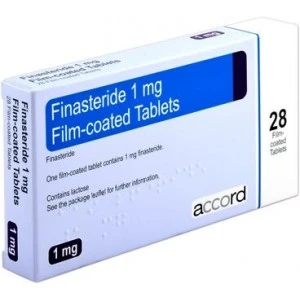
Finasteride
- Slows hair loss
- Promote hair growth
- Available from a UK-registered pharmacy
How Long After Stopping Finasteride Will Side Effects Stop?
Finasteride side effects should go away within a few days to a few weeks after stopping the medication. It can take up to 14 days for the effects of finasteride to leave your body completely, so it may take up to a month for some sexual side effects to disappear.
Although most men will not experience any long-term side effects after stopping finasteride, some report continuing to experience persistent sexual, mental (such as depression), or physical side effects. This is called post-finasteride syndrome and is an area of ongoing research, with more understanding needed to determine its causes and how to treat it.
Find out more about managing finasteride side effects in our guide.
Can I Start Taking Finasteride Again After Stopping?
Yes, if you stop taking finasteride for a while and then decide you want to take it again, you can. You may have stopped finasteride treatment because you and your partner were trying to conceive or because you thought you had achieved the desired effect. You’ll need a hair-loss consultation with a clinician to see whether it is still suitable for you.
It’s also important to note that any hair loss that occurred during the break from finasteride may not be completely regained, because earlier, continuous treatment tends to be most effective.
What Happens When You Stop Taking Finasteride: Frequently Asked Questions
Stopping finasteride treatment requires careful consideration, as it may cause hair loss to return, but it may also be necessary if you are experiencing side effects or need to stop temporarily. Here, we answer some of the most common questions about stopping finasteride to help you make a more informed decision about your treatment.
How Long After Stopping Finasteride Will Hair Fall Out?
Hair loss will return 6 to 12 months after stopping finasteride, as DHT levels increase, causing hair follicles to shrink and shed. If you gained or maintained hair during finasteride treatment, it is likely to be lost over time. Finasteride is not a permanent cure for hair loss and needs to be used continuously and consistently for the best results.

When Does Finasteride Stop Working?
Finasteride has a half-life of around 5-6 hours in men aged 18 to 60, so it can take up to 14 days for its effects on DHT levels to fully wear off. That means that after two weeks, your DHT levels will start rising.
Once finasteride has left your system, it will no longer be working in the body. That means that when you stop taking it, your hair loss can return, usually within 6 to 12 months.
How to Stop Finasteride Without Losing Hair?
Once you stop taking finasteride, it will no longer be working, and hair loss is likely to return. If you stop taking finasteride tablets, you may be able to switch to a topical treatment like Regaine, which contains the active ingredient minoxidil.
It may also be helpful to gradually reduce your dose over several months, but you should speak to a clinician before doing this. There are also non-surgical procedures available to help manage hair loss, such as low-level laser therapy and microneedling.
When Should I Stop Taking Finasteride When Trying to Conceive?
Finasteride can impact male fertility by reducing sperm count. This returns to normal after treatment is stopped. If you and your partner are considering trying to conceive, you should stop taking finasteride 3 months in advance. This will give enough time for finasteride to leave your system fully and for your hormone levels to return to normal.
Can I Switch to Minoxidil When I Stop Taking Finasteride?
Yes, you can switch to minoxidil when you stop taking finasteride, and many men do. Minoxidil works differently from finasteride because it increases blood flow to the scalp and is available in a topical solution. After 48 weeks of treatment, topical minoxidil (Regaine) increased scalp coverage in about 60% of people.
If you’re interested in trying Regaine, our clinicians can help you switch treatments. It is available as a topical foam or solution, and in 1- or 3-month supplies.
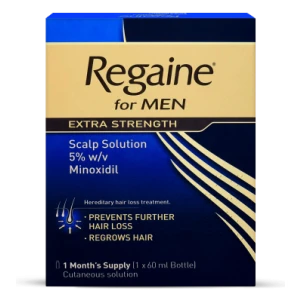
Regaine
- Slows hair loss
- For men and women
- Next-day dispatch from a UK-registered pharmacy

Price : £29.50
Support Whenever You Need Us
Starting a medicated treatment programme for conditions such as hair loss is an important decision that shouldn’t be taken lightly. The same is true when choosing to stop it again. When navigating such crucial conundrums, it’s essential to have the support of experienced professionals who can help you throughout your journey. This is where Prescription Doctor comes in.
We provide a holistic service that is designed to meet your unique requirements. It begins by matching you with the right medication. Simply fill in our brief questionnaire, and our experienced clinicians will determine if Finasteride is suitable for your circumstances or recommend an alternative. You can even complete the form at any time, from anywhere, so there’s no need for face-to-face appointments.
Approved orders are then dispatched by our General Pharmaceutical Council-registered pharmacy in packaging that doesn’t reveal what’s inside, ensuring complete confidentiality. If approved before 3pm on a weekday, your medication could even be with you the very next day. It’s that straightforward.
Our support doesn’t end there either; you can contact our clinicians whenever you need treatment advice (for example, if you feel it’s not working for you or you’re thinking of stopping the medication). They will also check in with you to monitor progress. We even have a library of information about hair loss treatments, covering everything from what happens if you stop taking Finasteride and how to manage side effects to how long it takes to work and where you can buy it. Whatever you need, you can rely on us.
Ready to experience our highly rated service? Contact Prescription Doctor today and start your consultation.
Sources
- ABD (2020): Post-finasteride syndrome.
- EMC (2025): Finasteride 1mg tablets.
- EMC (2025): Regaine for Men Extra Strength Scalp Solution 5% w/v Cutaneous Solution.
- Fertility and Sterility (2013): Finasteride use in the male infertility population: effects on semen and hormone parameters.
- Indian Dermatology Online Journal (2012): Finasteride and sexual side effects.
- National Library of Medicine (2024): Finasteride.
- NHS (2023): Side effects of finasteride.
- Trends in Urology & Men’s Health (2024): Post-finasteride syndrome: real or myth?
- MHRA (2024): Finasteride: reminder of the risk of psychiatric side effects and of sexual side effects (which may persist after discontinuation of treatment).
Authored By

Leanne Edermaniger
Medical Content WriterPublished on: 28/10/2019
Reviewed By

Mohamed Imran Lakhi
MPharm - Lead PharmacistReviewed on: 13/03/2026
How We Are Regulated
Payment Options


© 2013 - 2026 Al Muhsineen Limited. All Rights Reserved. Registered Pharmacy: 34 Halliwell Road, Bolton BL1 8RL. Registered Office: 254 First Floor, Shearbrow, Blackburn, England, BB1 8DS


Patient Login
Don't have an account?
Your account will be automatically created after placing your first order.