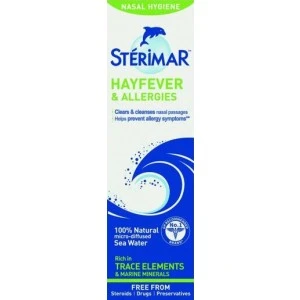
Sterimar Hayfever and Allergy Relief Nasal Spray

In Stock
Dosage
50ml
+
Package Type
Spray
£5.25
+
Get Started
Order in the next 01 hours and 27 min to receive your order Tuesday, June 30
All inclusive service
No hidden fees

Next day delivery
Discreetly packaged
Discreet delivery
Prescriber available
Prescriber assess you online
How to order
  1. Click on the green "Get Started" button, then click "Start Consultation" button on the next page.
  2. Fill in our short consultation form.
  3. Choose delivery method and mode of payment.
  4. Our team of expert prescribers will assess whether medication is suitable.
  5. If you get the green light and it is deemed suitable, your order will be processed quickly and efficiently.
Confidential Service

Your privacy is important, Prescription Doctor are committed to keeping your details completely confidential.

This is why we also take steps to conceal your prescription products under two layers of packaging.

Delivery and Packing
Discreet Delivery?

We have a commitment to delivering a discreet service and understand your need for privacy. We ship all orders via a trackable courier using discreet, plain packaging.

Do I Need to Wait in All Day for Delivery?

Once your order is dispatched you will receive a tracking number via sms and email.

Do You Deliver on Weekends?

We deliver medications between Monday and Saturday. You can upgrade to Saturday delivery on Friday.

My Order Hasn’t Arrived What Should I Do?

You should receive a tracking number with your order which you can use this number to track your parcel online. This should give you a clear indication of where your parcel is. If you haven’t received your parcel in the time frame given by our couriers, contact your local depot to find out where it is. You can also contact our support team who will do this for you.

Can I Be Notified by Text?

On checkout you will be asked to leave your mobile number so our courier can text you about the delivery. This is also useful if the courier has problems finding your address. We will not use your mobile number for anything else.

Payment Methods
How Can I Pay for My Order?

You can pay for your order using credit, debit card or via bank transfer.

I Don’t Have a Credit Card, How Can I Pay?

If you don’t have a credit or debit card you can pay via bank transfer. We will give you a unique reference number at checkout along with details of how to make the transfer. Once the money has cleared in our account, we will process your order.

How Do You Keep My Details Safe?

We are a completely secure site and take many measures to ensure your details are kept safe. We understand that you have a right to extreme privacy when purchasing sensitive health medications. All information that you provide to us is stored on our secure servers. Any payment transactions will be encrypted using SSL technology.

Payment and refunds?

You can pay for your order using credit, debit card and bank transfer.

Card Payment: Please notify us that you wish to cancel your order. Your refund will show available In 1 - 3 days.

Bank Transfer: A member of our team will contact you requesting for your bank details. These details are only used to transfer the funds back into your account.

Treatment Information

Table of contents:

Buy Sterimar Hayfever and Allergy Relief Nasal Spray

Sterimar Hayfever and Allergy Relief contains micro-diffused natural seawater to treat the symptoms of hay fever. The solution cleanses the nasal passages and flushes out allergens, including pollen, dust, and pet hair.

The salt water softens and removes mucus from the nostrils, relieving congestion and making breathing easier. Sterimar can also help to relieve post-nasal drip, which is when mucus drips down the back of the throat.

The Sterimar range is non-medicated, meaning it does not contain any steroids, anti-inflammatory drugs or antihistamines.

With Prescription Doctor, you don’t need to leave your home to get high-quality products from a UK-based pharmacy. Order online before 3pm on a weekday, and our pharmacy can dispatch your item the same day for delivery the next day.


How does Sterimar Hayfever and Allergy Relief work?

Sterimar contains a saltwater solution known as an isotonic solution. This means that the solution has the same concentration of salt as the cells in the body.

The salt water is produced by filtering natural sea water.

The spray delivers the solution as a fine mist to the walls of the nasal passages. The finer droplets remain in the nose for longer and help to remove mucus and allergens.

By regularly cleaning the nostrils with Sterimar nasal spray, you can remove allergens from the nose and help prevent hay fever symptoms, including sneezing and nasal congestion.


How to use Sterimar Nasal Spray?

Sterimar Nasal Sprays are easy to use and are fitted with a nozzle which fits all shapes and sizes of nose.

Before you use Sterimar, you need to prime the nasal spray.

To prime the Sterimar nasal spray, press the nozzle a few times until a fine mist is produced.

  1. To use Sterimar, sit or stand with your head up. Do not tilt your head back.
  2. Insert the nozzle into one nostril and press it briefly. Do not sniff when you do this.
  3. Remove the nozzle from your nose and blow your nose into a tissue.

Repeat the steps for the other nostril.

You should always clean the nozzle with soapy water. Dry the nozzle with a clean tissue after using Sterimar Hayfever Nasal Spray. This can prevent germs from building up on the nozzle.

How long should I use Sterimar Nasal Spray for?

You can use Sterimar Hayfever and Allergy Relief nasal spray between 2 and 6 times a day.

You can use Sterimar nasal spray for up to 2 weeks. If you need to use Sterimar Hayfever and Allergy nasal spray for an extended period, consult your doctor first.

If your symptoms do not improve after using Sterimar nasal spray for two weeks, consult your doctor or a pharmacist.

What should I do if I forget to use Sterimar nasal spray when I should?

Sterimar nasal spray is used as needed. If you forget to use Sterimar when you should, use it as soon as you remember and continue using it as you usually would.

Do not use a double dose of Sterimar Nasal Spray to make up for a missed dose.

What should I do if I use more Sterimar nasal spray than I should?

Accidentally using more Sterimar is unlikely to cause you harm.

You should use less of it next time you use Sterimar nasal spray.

If you feel you need to use Sterimar Hayfever nasal spray more frequently than recommended, speak to your doctor or ask a pharmacist.

If you are unsure when to use Sterimar or how much to use, consult the patient information leaflet or ask a healthcare professional.


Sterimar Hayfever and Allergy Relief Side Effects

Before you use Sterimar Hayfever and Allergy Relief nasal spray, you must read the accompanying patient information leaflet for instructions on how to use and store Sterimar nasal spray.

All medicines carry the potential to cause side effects, although not everyone experiences them. It’s essential to familiarise yourself with any potential side effects associated with your medication.

You may experience a feeling of dryness in your nose after using Sterimar nasal spray, although this is usually mild and resolves within a couple of days.

If you experience any side effects after using Sterimar Hayfever and Allergy Relief nasal spray, consult your doctor or pharmacist for advice.

Allergies

Do not use Sterimar if you are allergic to any of its ingredients listed on the packaging.

The ingredients of Sterimar Hayfever and Allergy Relief nasal spray include:

  • Seawater
  • Monohydrate manganese salt
  • Purified water

If you experience an allergic reaction after using Sterimar nasal spray, discontinue use and seek immediate medical attention by going directly to your nearest accident and emergency department. Remember to take the packaging and any remaining medicine with you.

Signs of an allergic reaction may include:

  • Chest tightening
  • Dry, red and cracked skin
  • Itchy, red, watery eyes
  • Raised, itchy, red rash (hives)
  • Swelling of the lips, tongue, eyes or face
  • Tummy pain, nausea, vomiting or diarrhoea
  • Wheezing

Pregnancy and breastfeeding

Sterimar Hayfever and Allergy Relief nasal spray is safe to use during pregnancy and breastfeeding.

Other safety information

Always read the patient information leaflet before using Sterimar Hayfever and Allergy Relief nasal spray.

If you have any concerns about the information in the patient information leaflet, please consult your doctor or a pharmacist. You can also send a message to our medical team via your Prescription Doctor account.

Sterimar is packaged in a pressurised container that may explode if heated. Keep Sterimar nasal spray away from sources of heat such as hot surfaces, flames, cigarettes, sparks, and sunlight. Do not puncture the container, even if you believe it is empty.

Do not store Sterimar nasal spray above 50°C.

Do not use Sterimar after the expiry date printed on the packaging.

Never throw away unwanted medicine via household or water waste, as this can harm the environment. Instead, take any unwanted or expired medicine to your local pharmacy and ask them to dispose of it for you.

Always store Sterimar Hayfever and Allergy Relief out of sight and reach of children and pets.


Frequently Asked Questions

Will Sterimar affect my ability to drive or operate machinery?

Sterimar should not impact your ability to drive or operate machinery. If you notice a change in your cognitive ability, such as dizziness, drowsiness or changes to your vision after using Sterimar, avoid driving or operating machinery until you feel it is safe for you to do so.

Can I drink alcohol while using Sterimar Hayfever and Allergy Relief nasal spray?

Alcohol is unlikely to interact with Sterimar Hayfever and Allergy Relief nasal spray. However, you may wish to avoid drinking alcohol while suffering from hay fever as it may worsen your symptoms.

Can I use Sterimar alongside other hay fever treatments?

Sterimar can be used in conjunction with other hayfever treatments, including antihistamines.

If you need to use another nasal spray, use Sterimar first. This prevents you from accidentally washing away your other nasal medicine with the saline solution of Sterimar. Sterimar can help cleanse your nose before administering another nasal spray, which may enhance the effectiveness of your other nasal spray.

You should consult your doctor or pharmacist before using Sterimar in combination with other hay fever treatments.

How long does Sterimar Hayfever and Allergy Relief nasal spray last?

Sterimar nasal sprays hold approximately 150 sprays. How long Sterimar lasts will depend on how frequently you use it.

Will Sterimar unblock my nose?

Sterimar can help relieve congestion by loosening and flushing out mucus in the nose, allowing you to breathe more easily.

How long can I use Sterimar nasal spray for?

You can use Sterimar daily for up to 2 weeks at a time. If you feel you need to use Sterimar for longer, speak to your doctor.

Is Sterimar a saline spray?

Sterimar is a saline solution. A saline solution is any liquid which contains the same concentration of salt as bodily fluids, such as tears or blood.


Where Can I Buy Sterimar Hayfever and Allergy Relief Nasal Spray?

You can buy Sterimar Hayfever and Allergy Relief nasal spray online from Prescription Doctor’s UK registered pharmacy.

If your order is approved before 3pm on a weekday, our pharmacy can dispatch your item for next-day delivery. We ensure your privacy by packaging all our items in nondescript packaging. To begin your order, press the green button at the top of the page.

Additional Resources

BLOG

How to get rid of hay fever

Many of you who have been lifelong sufferers of hay fever won't need reminding of its detrimental effects on your body. Still, for those who are unfamiliar, hay fever is a form of allergic rhinitis that causes cold-like symptoms. Still, unlike a cold, hay fever isn't caused by contracting a virus; it is a seasonal condition that is usually more common between late March and September.What are the symptoms of hay fever?Symptoms can include:Persistent sneezing or coughingA runny or blocked, stuffy noseA sore, irritated throat, mouth, nose or earsSore, itchy, red and watery eyesA decrease in your sense of smellEaracheHeadacheFeeling tiredThose who suffer from asthma may also experience:A tight feeling in your chestShortness of breathWheezing and coughing"Hay fever will last for weeks or months, unlike a cold, which usually goes away after 1 to 2 weeks." ~ NHS UKSo now we know what causes hay fever and its symptoms, how can you get rid of it?Well, here’s the bad news: you can’t completely rid yourself of hay fever once you have started to develop its symptoms. All you can do is try to ease and manage the condition and be aware of when the pollen count is high, so that you can be prepared to treat it.Antihistamines are usually a hay fever sufferer's best friend when symptoms strike. Although they’re not a complete cure, they do provide significant relief. Also, nasal sprays, such as Dymista, and eye drops are usually a good complement to regular antihistamine use.In severe cases (such as those of you who suffer from asthma), steroid tablets or injections can be used, but only for a short time.What else can you do to ease your symptoms?As well as medication, you can also take the following preventative measures to ease your symptoms, especially when the pollen count is particularly high.Put a small amount of Vaseline into your nostrils to trap pollenShower and change your clothes regularly (especially when you have been outside) to wash pollen offStay indoors as often as you canVacuum and dust your home environment on a regular basisKeep your windows and doors shut as much as possibleBuy a pollen filter for the air vent of your carGet a HEPA Filter for your vacuum cleanerAre there any hay fever myths that you should know about?Well, you may be surprised to know that there are several hay fever myths circulating, which may be exacerbating your symptoms rather than alleviating them.Always remember that if you plan to try something new to alleviate your symptoms, you should first conduct thorough research or, more importantly, consult your general practitioner.Here are three of the most common hay fever myths around:Honey can get rid of your hay fever:Although honey may be a great way to soothe your itchy throat caused by hay fever, there has been very little evidence to prove that it helps reduce symptoms in any significant way."A small study conducted in Finland found that regular honey made only a marginal difference, but that honey with added birch pollen did seem to help. The authors caution, however, that this was only a pilot study and shouldn't be taken as a recommendation." ~ BBC FutureIt’s only flowers that will cause your allergies:I’m sure a lot of you who suffer from hay fever will naturally associate your allergies with summertime’s colourful blooms, but this is wrongly assumed. The pollen that causes your symptoms is mostly an airborne type that emanates mainly from grass, trees (such as birch and oak), and weeds."Showy flowers usually have insect dispersed pollen, which is sticky and heavy and is carried between the flowers by insects, so it does not get carried in the air." ~ Dr EmbelinWith prolonged use, you will become immune to Antihistamines:As we've already established, antihistamines are one of the most popular and effective ways for most Hay fever sufferers to combat symptoms. However, because your symptoms can vary in intensity, this may lead you to believe that your antihistamines have stopped working for you, but this isn't true! You can use antihistamines for an extended period without their effectiveness decreasing. However, if antihistamines have never been particularly effective for you, then it may be time to consult your GP to discuss an alternative treatment.For itching and watery eyes caused by pollen, you can reach for hay fever eye drops.So in conclusion, you have seen that hay fever can cause you some quite significant and unpleasant symptoms, but although there is no complete cure (and there may be some false information hanging around about what helps you and what doesn't), there are in fact many various, preventative measures that you can take to improve your comfort and health when the pollen strikes! With a little help and forward-thinking action, it is possible to have a safe and happy summer!
Read more →
How to get rid of hay fever
BLOG

10 simple home remedies for a stuffy nose

Is there anything more annoying than trying to breathe when you have a stuffy nose? Nasal congestion is very common - it can be caused by sinus infections, allergies (such as hay fever), and the common cold - and it can ruin your day, regardless of its cause. Luckily, there are a few things you can do to get some relief. Try some of these quick DIY remedies, and you'll be breathing more easily in no time.1. Drink plenty of liquids.Staying hydrated is more important than ever when you're feeling stuffy. Drinking plenty of water will help thin the mucus in your passageways, allowing it to drain more easily. If you've got a scratchy throat in addition to your stuffy nose, hot tea is a soothing alternative to plain water (and the steam will help you breathe better, too).2. Take a hot shower.Damp, steamy air will help hydrate your passageways and loosen any mucus that's blocking you up, so go ahead and enjoy that extra-long shower. You can also heat a pan of water on the stove and inhale the steam. Add a few drops of peppermint or eucalyptus essential oil for extra relief.3. Use a humidifier.Dry air irritates your nasal passageways, which makes your congestion worse. If you live in a dry climate, consider using a humidifier to add moisture to the air in your home, especially in your bedroom. This will soothe your passageways and loosen any mucus in your sinuses.4. Use a neti pot.Try flushing your sinuses out with a neti pot and a saline solution. You can make your own saline solution by boiling a cup or two of water and then dissolving 1 teaspoon of salt in it. Don't skip the boiling - that step is important to ensure your solution is sterile. When the solution has cooled, pour it into a sterilised Neti Pot. Lean over a sink, place the spout in one nostril, and slowly pour the solution in, allowing it to drain out the other nostril. This hydrates your nasal passageways while rinsing out any stubborn mucus that's stuffing you up. 5. Try some eucalyptus oil. Breathing in eucalyptus oil can help unblock your nose by reducing inflammation in your sinuses. Add a few drops of oil to a pan of hot water and inhale the steam, or try sprinkling some eucalyptus oil on your pillow to help you breathe during the night.6. Eat something spicy.If you like spicy food, now is the time to load up on cayenne pepper or horseradish. Spicy food has a well-known decongestant effect - it makes your nose run, which helps flush out mucus in your passageways. Cayenne pepper also possesses anti-inflammatory properties, which can help reduce swelling in your sinuses.7. Blow your nose gently.When you're congested, it's natural to want to blow your nose frequently throughout the day. Resist the temptation, though. Blowing your nose too frequently or too hard won't help unblock swollen passageways, and it may actually cause your sinuses to swell even more. When you do have to blow your nose, do it as gently as you can.If you're struggling to blow your nose, try adding menthol rub to a tissue and holding it under your nose to relieve a blocked nose.8. Use a warm compress.Heat can help relieve congestion-related pressure and drain your sinuses. Soak a wash cloth in hot water, wring it out, and apply it to your face. Repeat until you get some relief.9. Add garlic to your diet.Garlic is antibacterial, antiviral, and anti-inflammatory. In other words, it's the perfect thing to eat when you're fighting off a cold. The best way to take it? Just eat a clove or two raw. (Don't eat too much raw garlic at once, though, or you could get a stomachache.) If plain garlic is too intense for you, consider adding it to your food or taking a garlic supplement.10. Drink apple cider vinegar.Apple cider vinegar is one of the simplest remedies you can reach for when you're feeling stuffy. It kills bacteria and helps drain mucus. Dilute a tablespoon of vinegar in a cup of water or juice, and drink it once or twice a day.Don't let a stuffy nose get you down. There are numerous ways to relieve congestion and sinus inflammation without needing to visit a doctor's office. These simple home remedies can provide immediate relief. 
Read more →
10 simple home remedies for a stuffy nose
PAGE

5 tips to beat hay fever

Hay fever, medically known as allergic rhinitis, is an allergy to pollen which usually occurs between Spring and Autumn (seasonal allergic rhinitis). However, it can also occur year-round (perennial allergic rhinitis). Approximately 95% of hay fever sufferers are allergic to grass pollen, but some people are also allergic to pollen from trees or weeds. It's a common misconception that hay fever is caused by pollen from flowers, which is denser and not carried by the wind.Hay fever occurs because the body's immune system sees particles of pollen as a harmful infection. In response, the body launches a chemical called histamine to fight the foreign body. This chemical is the agent which causes the common symptoms of hay fever, including:itchy eyes, nose, throat or skinrunny nosesneezingwatery eyesimpaired sense of smellAfter initial exposure, symptoms may progress to include:Stuffy noseSore throatCoughClogged earsFatigueHeadacheSinus problemsIndividuals with asthma may be more susceptible to the effects of hay fever and may need to increase their use of inhalers. This is because histamine can cause the smooth muscle surrounding the airways to constrict and tighten, thereby restricting a person's ability to breathe.Hay fever symptoms typically occur from early Spring through early Autumn. Different trees, weeds and grasses release pollen at slightly different times every year. The pollen count is usually the highest on warmer, drier days.While there is currently no cure for hay fever, several treatments are available to alleviate or prevent symptoms. Such treatments include nasal sprays, antihistamine tablets and, in more serious cases, immunotherapy, which involves regular injections administered by a healthcare professional. However, there are a number of simple things you can do to minimise your pollen exposure and prevent your symptoms from occurring.1. Stay indoors when the pollen count is highPollen count is an index which determines the amount of pollen in the air. The pollen count is usually included as part of your local weather forecast, though the national pollen levels can also be found online or through weather forecast apps for your smartphone.While the pollen count is high, keep your home and car doors and windows closed to keep out pollen. You may also adjust your air conditioner setting to recirculate air, rather than draw in pollen-filled outside air.Pollen counts are highest between 5 am and 10 am. As pollen is carried on the wind, it is most likely to be found in the highest concentrations on warm, dry, and windy days. Stay indoors or limit outdoor time during those times, if possible. The pollen count drops after rainy spells, as the water washes pollen particles out of the air.During the night, when the pollen count is lower, you can open your bedroom window to allow cool air to circulate. Not only can this prevent symptoms from exacerbating during the night, but it also provides an optimal sleeping environment.2. Wash your hair and clothes oftenLingering pollen particles can stick to the fibres of your hair and clothing, causing you to inadvertently spread pollen into your home. Wash your clothes as often as possible, especially after being exposed to high pollen counts. Don't hang dry your clothes outside, or they'll be covered in pollen.3. Wear wraparound sunglassesWearing wraparound sunglasses when outdoors can help keep pollen out of your eyes. Pollen in your eyes can cause them to itch and water. Some wraparound sunglasses have removable gaskets which trap pollen and block wind to keep eyes moisturised. Wearing a sun hat or baseball cap can also prevent pollen from getting into your eyes.4. Rub Vaseline under and around your nostrilsVaseline, also known as petroleum jelly, can be used to trap pollen before it enters your nostrils, preventing symptoms from developing. Rub a small amount of Vaseline above your lip and around the opening of your nostrils for the best effect.There are also nasal allergy balms, such as Vicks Inhaler Stick, that are available from your pharmacist, which work similarly.5. Speak to a pharmacistMost pharmacies have antihistamines and special nasal sprays, such as Beconase, to treat or prevent hay fever.Antihistamines block the body's ability to launch a defensive response to pollen particles, while nasal sprays can prevent nasal passages from becoming inflamed due to pollen exposure. With regular use, these medicines can reduce the development and duration of your symptoms.For relief from itching and watery eyes (allergic conjunctivitis), a variety of eye drops are available at pharmacies. These help reduce and prevent inflammation in the eyes caused by hay fever. Prescription Doctor offers Murine Hayfever Relief and Optrex Hayfever Relief eye drops. These can be used in conjunction with other hay fever treatments, such as antihistamine tablets and nasal sprays.If you still suffer from symptoms while using over-the-counter hay fever medicines, contact your GP. They may be able to offer alternative treatments for your symptoms, including immunotherapy or prescription-strength medication. If you find your asthma symptoms flare up during hay fever season, you can speak to your asthma nurse for advice.Preventing hay fever altogether can only happen if you stay indoors. This is often not an option, since most people need to leave the house to go to work, shop, or exercise. In the morning, check the pollen count and take appropriate steps to minimise your exposure to pollen and prevent allergic symptoms from arising. Consult with your pharmacist to determine which hay fever medications are most suitable for your needs.
Read more →
5 tips to beat hay fever
PAGE

How long does hay fever last?

Considered one of the most common allergies in the UK, hay fever, also known as allergic rhinitis, affects approximately 13 million people in the UK alone. Although relatively low-risk, hay fever can be considerably debilitating for sufferers and can significantly impact their quality of life, but how long does hay fever actually last?If you’re in the dark about the longevity of this common allergy, then today you should find everything you need to know about what to expect, how to tackle your symptoms and be prepared for summer.What is hay fever?Most of us will have heard of hay fever, but you may not know what it means or how it affects the body. In short, hay fever is an allergic reaction to pollen or dust. When inhaled, they irritate the mucus membranes found in the eyes and nose, causing inflammation and leading to a range of symptoms.Typically, hay fever is at its worst between the months of May and September, as these tend to be the hottest months when the pollen count is at its highest.What are the symptoms of hay fever?The severity of your allergies will determine how much you suffer; however, the following are the most common signs of hay fever are:CongestionCoughingFatigueItchy and watery eyesRunny noseSinus pressureSore and swollen under-eyesCan hay fever be serious?Hay fever is not considered a serious allergy; however, in the most severe cases, it can lead to other health complications that may require further treatment. Some of these include:Worsening asthmaLack of sleep or insomniaSinusitisEar infectionsReduced quality of lifeWho can hay fever affect?Unfortunately, hay fever can affect anyone, regardless of age, gender, or health status.When does hay fever kick in?Although it is possible to suffer the signs and symptoms of hay fever all year-round, the chances are that you will find your allergies flare up most during the spring and summer months. This is because tree pollen, grass pollen, dust mites and pet dander are often at their highest during this time.How long does hay fever last?Unfortunately, there is no guaranteed timeframe for hay fever symptoms. How long your hay fever lasts really depends on a variety of factors, including your level of exposure to allergens, the type of weather at the time, whether you are actively treating your symptoms and the type of pollen you are allergic to.As a general guide, tree pollen lasts the longest. Tree pollen allergies can begin as early as February and last until June.Grass and weed pollen typically last for a shorter period and peak during the summer. Allergies to grass pollen start from May and last until June, while symptoms caused by weed pollen can occur from June to September.Typically, the severity of symptoms fluctuates from week to week or month to month, depending on pollen levels; however, in general, hay fever can last anywhere from a few weeks to a few months.It is also important to note that everyone is different. While some may suffer mild irritation, others can find hay fever to be incredibly debilitating and may find little relief from medications. In general, however, most people find that their hay fever symptoms ease up as they get older, with around 10-20% of sufferers reporting their symptoms completely disappear after several years.How can you reduce your hay fever symptoms?While there is no cure for hay fever, there are some things you can do to reduce the severity of your symptoms:Seek advice from your pharmacy or doctor. There is a range of over-the-counter antihistamines which can help, or your GP may prescribe medication in more severe cases or when other treatments haven't worked.Keep a close eye on the pollen count.Refrain from going outdoors during a high pollen count.Have a shower and change your clothes after being outdoors to remove any pollen that has attached to you.Wearing wraparound sunglasses when outdoors protects your eyes from exposure to pollen.Applying Vaseline (petroleum jelly) around the nasal passages can help trap pollen and prevent an excessively runny nose.Things to avoid during high pollen season:Cutting the grassWalks through fieldsFresh flowers indoorsDrying clothes outsideHaving a lot of contact with pets (typically, cats and dogs carry a lot of pollen in their fur when they have been outside)The bottom line on hay feverWhile incredibly irritating and inconvenient, hay fever usually won’t pose any major threat to your general health, but we understand it can certainly make life difficult during peak seasons.To help combat the unwelcome signs of hay fever, it is helpful to come prepared with an effective and fast-acting treatment, such as the Nasonex intranasal treatment spray or Neoclarityn tablets. These types of medicines can offer relief when you need it most and help clear the airways during those more challenging days.For itching and watery eyes (allergic conjunctivitis) caused by hay fever, eye drops are available from pharmacies, such as Murine Hayfever Relief and Optrex Hayfever Relief. These eye drops can help reduce irritation, redness, and tearing, which are commonly associated with hay fever.
Read more →
How long does hay fever last?

Treatment information

  • Product Name: Sterimar Hayfever and Allergy nasal spray
  • Manufacturer: Sofibel SAS
  • Active Ingredient(s): Isotonic sea water
  • Administration: Intranasal
  • Presentation: Nasal solution
  • Available Strength: 100% natural sea water
  • Exemption: General Sales License
  • Dosage: Spray once in each nostril between 2 and 6 times a day for 2 weeks.
  • Description: Sterimar Hayfever and Allergy Relief nasal spray is a 100% natural remedy for allergic rhinitis.
  • Drug Class: Isotonic (saline) solution
  • Alcohol Consumption: No influence
  • When Pregnant: Safe to use during pregnancy. Speak to your doctor for further information.
  • When Breastfeeding: Safe to use while breastfeeding. Speak to your doctor for further information
  • Price: 5.25 GBP
  • https://www.prescriptiondoctor.com/storage/product_images_th/sterimar-hayfever-allergy-relief-nasal-spray.jpg

Authored & Reviewed By

Adil Bhaloda

Adil Bhaloda

Pharmacist
Adil provides governance for the online services, overseeing prescription dispensation in line with UK pharmacy standards.

Published on: 02/08/2021 Reviewed on: 13/03/2024

Hay Fever Alternatives

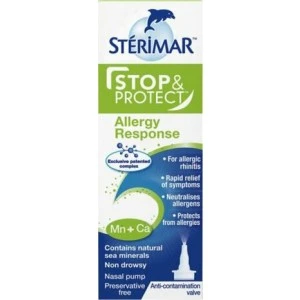
Sterimar Stop and Protect Nasal Spray

Sterimar Stop and Protect Nasal Spray

  • Clears nostrils
  • Prevents allergies
  • Available from a UK based pharmacy
View Treatment
Customer Service