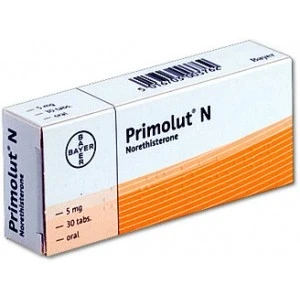
Primolut N

In Stock

Prices from £14.99
Review More Prices

Get Started
You must complete a short online consultation so that our prescriber can ensure that the treatment is suitable for you.
Order now to receive your order Friday, November 13
All inclusive service
No hidden fees
Next day delivery
Discreetly packaged
Discreet delivery
Prescriber available
Prescriber assess you online
How to order
  1. Click on the green "Get Started" button, then click "Start Consultation" button on the next page.
  2. Fill in our short consultation form.
  3. Choose delivery method and mode of payment.
  4. Our team of expert prescribers will assess whether medication is suitable.
  5. If you get the green light and it is deemed suitable, your order will be processed quickly and efficiently.
Confidential Service

Your privacy is important, Prescription Doctor are committed to keeping your details completely confidential.

This is why we also take steps to conceal your prescription products under two layers of packaging.

Delivery and Packing
Discreet Delivery?

We have a commitment to delivering a discreet service and understand your need for privacy. We ship all orders via a trackable courier using discreet, plain packaging.

Do I Need to Wait in All Day for Delivery?

Once your order is dispatched you will receive a tracking number via sms and email.

Do You Deliver on Weekends?

We deliver medications between Monday and Saturday. You can upgrade to Saturday delivery on Friday.

My Order Hasn’t Arrived What Should I Do?

You should receive a tracking number with your order which you can use this number to track your parcel online. This should give you a clear indication of where your parcel is. If you haven’t received your parcel in the time frame given by our couriers, contact your local depot to find out where it is. You can also contact our support team who will do this for you.

Can I Be Notified by Text?

On checkout you will be asked to leave your mobile number so our courier can text you about the delivery. This is also useful if the courier has problems finding your address. We will not use your mobile number for anything else.

Payment Methods
How Can I Pay for My Order?

You can pay for your order using credit, debit card or via bank transfer.

I Don’t Have a Credit Card, How Can I Pay?

If you don’t have a credit or debit card you can pay via bank transfer. We will give you a unique reference number at checkout along with details of how to make the transfer. Once the money has cleared in our account, we will process your order.

How Do You Keep My Details Safe?

We are a completely secure site and take many measures to ensure your details are kept safe. We understand that you have a right to extreme privacy when purchasing sensitive health medications. All information that you provide to us is stored on our secure servers. Any payment transactions will be encrypted using SSL technology.

Payment and refunds?

You can pay for your order using credit, debit card and bank transfer.

Card Payment: Please notify us that you wish to cancel your order. Your refund will show available In 1 - 3 days.

Bank Transfer: A member of our team will contact you requesting for your bank details. These details are only used to transfer the funds back into your account.

Treatment Information

Table of contents:

Primolut N Tablet Uses

Primolut N tablets contain norethisterone, which belongs to a group of hormone medicines known as progestogens. It can be prescribed for:

  • Treating irregular, painful, or heavy periods
  • Treating premenstrual syndrome (PMS), also known as premenstrual tension (PMT)
  • Treating endometriosis, where tissue like the womb lining grows outside the womb
  • Delaying periods

How Does Primolut N Work for Heavy and Painful Periods?

Primolut N contains norethisterone, a man-made version of progesterone. Progesterone is one of the hormones that controls your menstrual cycle. Norethisterone acts similarly to progesterone, but it is better at stopping ovulation (the monthly release of an egg).

This affects heavy and painful periods in different ways:

  • Heavy periods: your womb lining builds up during each cycle, and a drop in progesterone near the end of the cycle causes it to shed as a period. Norethisterone keeps hormone levels up, so the lining stays in place, and bleeding is controlled. When you stop taking the tablets, hormone levels fall, and you usually have a bleed similar to a normal period.
  • Painful periods: period pain that has no underlying cause is almost always eased by stopping ovulation. Taking Primolut N for a set number of days each cycle prevents ovulation.

How Long Does Primolut N Take to Work?

How quickly Primolut N works depends on why it has been prescribed:

  • Heavy or irregular bleeding: if you've been prescribed a 10-day course to stop bleeding, it usually stops within 1 to 3 days. Keep taking the tablets for the full 10 days, even if the bleeding stops sooner or some light bleeding returns. You should then have a bleed similar to a normal period 2 to 4 days after your last tablet.
  • Painful periods: treatment usually runs for three to four cycles, followed by a break from treatment. There is no set timeframe for when the pain starts to ease.
  • Endometriosis and PMS: these are treated over several cycles or months, rather than as a short course.

If heavy bleeding doesn't stop while you are taking Primolut N as prescribed, or comes back heavily during the course, contact your doctor. Something else may be causing the bleeding, and it will need to be checked.

How Effective is Primolut N for Heavy Bleeding?

Primolut N has been shown to reduce heavy bleeding, with results varying depending on how it is taken.

In a UK trial, women with heavy, regular periods that had no identified cause took norethisterone 5mg three times a day, from day 5 to day 26 of their cycle, for three cycles. On average, their menstrual blood loss fell by 87%, to within normal limits. However, only 22% of the women taking norethisterone wanted to continue after three cycles, compared with 76% of those given a hormonal coil.

A 2019 review of 15 trials looked at both shorter courses (taken only in the second half of the cycle) and longer courses of progestogen tablets like Primolut N. It found that both reduced blood loss less than tranexamic acid or the hormonal coil, though much of the evidence in that review was of low or very low quality.

Your prescriber will consider this when deciding whether Primolut N is the right treatment for you.

How to Take Primolut N Tablets

Swallow the tablets whole with a drink of water. The number of tablets you will need to take and when to take them will depend on why you have been prescribed them. A common dose is about 2-3 tablets per day.

For some conditions, you need to take Primolut N every day, though this isn't always the case. Always take the medication exactly as prescribed and check with your clinician or doctor if you are ever unsure.

If You Take Too Many Primolut N Tablets

Taking too many tablets is unlikely to cause serious problems; however, contact your doctor for advice.

If You Forget a Dose of Primolut N

If you forget to take Primolut N when you should, wait until it's time to take the next prescribed dose. Do not take the missed dose or try to double up. If you are worried, contact your clinician or doctor.

Side Effects of Primolut N

Primolut N can cause side effects, though not everyone will experience them. Some can be quite common, while others will result in you having to stop treatment altogether. It's important to understand what to expect when using the treatment so you can make an informed decision about whether it is suitable for you.

General Side Effects

The table below outlines some common side effects of Primolut N tablets:


Very Common

(may affect more than 1 in 10 people)

Common

(may affect up to 1 in 10 people)

Uncommon

(may affect up to 1 in 100 people)

  • Vaginal bleeding (including spotting)
  • Periods that are much shorter than normal
  • Periods where blood flow is reduced
  • Headache
  • Nausea
  • Absence of a period
  • Swelling


Primolut N can also result in rare and very rare side effects, including:

Please note that the above is not a complete list of possible adverse reactions from Primolut N tablets. More details are in the Patient Information Leaflet that comes with the medication. If you experience side effects, you can report them to your clinician or via the MHRA's Yellow Card scheme.

Serious Side Effects

You should stop taking Primolut N tablets immediately and contact your doctor if:

  • You become pregnant
  • You develop jaundice or other liver problems
  • You develop itching
  • Your doctor finds your blood pressure is too high

You should also see a doctor as soon as possible if you get severe stomach pain that does not go away.

Primolut N and Blood Clots

The main ingredient in Primolut N tablets (norethisterone) is partially converted into oestrogen, so it's important to consider general warnings given for combined oral contraceptive pills. The risk of blood clots in veins and arteries is slightly higher in women who take these medications than in those who don't, so you should not use Primolut N if you have a blood clot or any medical condition that makes you more susceptible to developing one.

Signs of a blood clot include:

  • A migraine for the first time or one that is worse than normal
  • Unusually frequent or severe headaches
  • Any sudden changes to your eyesight, such as loss of vision or blurred vision
  • Any sudden changes to your hearing or speech, or sense of smell, taste or touch
  • Pain or swelling in your leg
  • Stabbing pain when you breathe
  • Coughing for no clear reason
  • Breathlessness
  • Pain or tightness in your chest
  • Sudden weakness or numbness on one side or part of your body
  • Dizziness or fainting

If you notice any of these signs, stop taking Primolut N and see a doctor as soon as possible. Do not start taking it again until your doctor says it is safe.

You are more at risk of developing a blood clot:

  • As you get older
  • If you or a close family member have had a blood clot
  • If you are overweight (BMI of 30 or more)
  • If you smoke
  • If you have recently had a baby
  • If you're off your feet for a long time because of surgery, injury, or illness

If you have a major operation, leg surgery or treatment for varicose veins planned, you will need to stop taking Primolut N six weeks beforehand.

Some medical conditions, including high blood pressure, diabetes and migraines, can also increase your risk. You can find the full list in the Primolut N Patient Information Leaflet. Taking Primolut N may add to this risk, so tell your prescriber if any of these apply to you.

Primolut N Tablets Interactions and Warnings

Primolut N is not suitable for everyone. Before starting treatment, it's important to know which medical conditions and other medicines could make it unsafe for you.

You should not take Primolut N if you:

  • Are allergic to norethisterone or any other ingredient in this medication
  • Are pregnant or think you may be pregnant
  • Are breastfeeding
  • Have ever had a problem with blood circulation
  • Have any symptoms of a blood clot
  • Have any condition that makes you more at risk of a blood clot
  • Have ever suffered migraines with visual disturbance
  • Have (or are recovering from) a liver disease and liver function blood tests show it is not yet working normally
  • Have or have ever had liver tumours
  • Have any type of cancer that might be worsened by exposure to female sex hormones
  • Have problems with undiagnosed genital bleeding
  • Have a condition called endometrial hyperplasia that has not yet been treated
  • Have diabetes with damaged blood vessels
  • Have hepatitis C and are taking medicines containing ombitasvir/paritaprevir/ritonavir and dasabuvir
  • Had severe pruritus or idiopathic jaundice (yellowing of the skin or itching all over your body) during pregnancy

Precautions Before Taking Primolut N

There are several circumstances where you should speak to your clinician or doctor before starting Primolut N. These include if you:

  • Are a smoker
  • Have diabetes
  • Have high blood pressure
  • Have previously suffered from depression
  • Are overweight (BMI of 30+)
  • Have high levels of cholesterol or triglycerides (fats) in your blood, or a close family member does
  • Have had a blood clot, or a close family member has had a blood clot, heart attack or stroke at a young age
  • Suffer from migraine, asthma, or kidney problems
  • Have an intolerance to some types of sugar

Please note that this is not an exhaustive list. More details can be found within the Patient Information Leaflet that comes with the medication.

Primolut N and Other Medicines

Some medicines can make Primolut N less effective, influence blood levels, or cause unexpected bleeding when taken together. Therefore, tell your clinician or doctor about any other medications you're using before starting treatment. This includes over-the-counter and herbal medicines.

You should especially inform your clinician if you are using medicines used to treat:

  • Epilepsy
  • Tuberculosis
  • HIV and Hepatitis C Virus infections
  • Fungal infections
  • Bacterial infections
  • Certain heart diseases
  • High blood pressure
  • Arthritis or arthrosis
  • High blood pressure in blood vessels in the lung

You should also tell them if you're using St John's wort or are drinking grapefruit juice.

Primolut N can also affect how some other medicines work, including:

  • Lamotrigine, used for epilepsy, which could lead to more frequent seizures
  • Ciclosporin
  • Theophylline, used for breathing problems
  • Tizanidine, used for muscle pain or cramps

More details about potential interactions between Primolut N and other medicines can be found in the Patient Information Leaflet.

Pregnancy and Breastfeeding

Do not take Primolut N tablets if you are pregnant or breastfeeding. If you think you might be pregnant or are planning to have a baby, speak to your clinician or doctor before starting treatment. If you do not have a period after finishing a course of Primolut N, make sure you are not pregnant before taking any more tablets.

Frequently Asked Questions About Primolut N Tablets

Is Primolut N a Contraceptive?

Although the active ingredient in Primolut N (norethisterone) is used in some progestogen-only pills (or "mini pills"), Primolut N itself does not provide contraceptive protection. You should therefore use another form of contraception, such as condoms, to prevent an unwanted pregnancy.

Can I Take Primolut N During Periods?

Yes, depending on why it has been prescribed. A 10-day course to stop heavy or irregular bleeding is started while you are bleeding. For endometriosis, treatment begins between days 1 and 5 of your cycle, which is often during your period. Other courses start at set points in your cycle, so follow your prescriber's instructions.

If you are taking Primolut N to delay a period, you need to start it 3 days before your period is due.

Can I Take Primolut N for 21 Days?

It depends on what you are being treated for. For painful periods, the usual course lasts 20 days each cycle and starts on day 5. For endometriosis, take tablets daily for at least 4 to 6 months. Only take Primolut N for as long as your prescriber has advised.

If you are using Primolut N to delay a period, it should not be taken for longer than 10 to 14 days.

Can Primolut N Tablets Cause Weight Gain?

Weight gain is not listed as a side effect in the Primolut N patient information leaflet. However, swelling is a common side effect, affecting up to 1 in 10 people, because progestogens like norethisterone can make the body retain fluid. If you notice swelling or weight changes that concern you, speak to your prescriber.

Can I Drink Alcohol With Primolut N?

Although there is no known interaction between Primolut N and alcohol, drinking too much may exacerbate any side effects you experience. Always drink responsibly, and avoid exceeding the recommended limit of 14 units per week.

Can I Buy Primolut N Over the Counter?

No, you cannot buy Primolut N over the counter, as it is classified as a prescription-only medicine (POM). This means a registered prescriber must review your medical history and determine whether the treatment is suitable for your circumstances.

Can I Buy Primolut N Online?

Yes, you can buy Primolut N online from trusted and registered pharmacies such as Prescription Doctor. We keep the process secure and straightforward with a simple online questionnaire that our experienced clinicians review.

If they determine that the treatment is suitable for your circumstances, they will issue a prescription for our General Pharmaceutical Council-registered pharmacy to fulfil. Orders are then dispatched to your designated UK address in plain packaging for complete discretion. Those approved before 3pm on a weekday are also eligible for next-day delivery.

How Do I Store Primolut N Tablets?

Keep Primolut N tablets in their original carton, out of the sight and reach of children. Do not use the treatment after the expiry date displayed on the outer carton and on each blister strip. Do not dispose of them in wastewater or household waste.

Additional Resources

PAGE

How to stop heavy periods

Heavy periods, also known as menorrhagia, can be painful, make you feel miserable and interfere with your day-to-day life.Some women may find relief from heavy period pains by taking paracetamol or other pain relief treatments such as Ibuprofen or Naproxen. However, if your periods are stopping you from your normal daily routine, you should speak to your doctor about other possible treatments you can have.What Causes Heavy Periods In The First Place?Sometimes, there is no obvious underlying reason for heavy periods. However, in some cases, several health conditions can cause heavy menstrual bleeding, including:FibroidsThese are non-cancerous growths that develop in or around the womb.EndometriosisThis is where the tissue that lines the womb (endometrium) is found outside the womb, such as in the ovaries and fallopian tubes.Underactive thyroid (hypothyroidism) This can make your womb lining thicker than usual, causing heavy bleeding when it sheds during your period.AdenomyosisThis is when tissue from the womb lining becomes embedded in the wall of the womb.Pelvic inflammatory disease (PID) This is an infection in the upper genital tract (the womb, fallopian tubes or ovaries) that can cause symptoms like pelvic or abdominal pain, bleeding after sex or between periods, vaginal discharge and a high temperature.Endometrial polypsThese are non-cancerous growths in the lining of the womb or cervix.Endometrial cancer The most common symptom is abnormal bleeding, especially after the menopause.Polycystic ovary syndrome (POS) This condition affects the way the ovaries function and causes irregular menstrual periods. When periods resume, they may be heavier than usual.It is recommended to speak to your doctor if you have noticed a change in your periods, such as bleeding more than usual, experiencing more pain than usual or noticing blood clots in your period.Treatments For Heavy PeriodsThe type of treatment depends on what is causing you to have heavy periods and your overall health.The treatment options include medicines and medical devices, as well as non-surgical and surgical treatments. Here, we will break down these options, explaining what they are and how they work to relieve your heavy and painful periods.MedicinesYour doctor may recommend or prescribe a medicine to treat your heavy periods. They may suggest or prescribe a treatment, such as Tranexamic Acid 500mg or Norethisterone. Speak to your doctor before buying any medicine, or consult our online clinicians for further advice.{add_product_block(439)}Medicines without hormonesFor example, tranexamic acid or non-steroidal anti-inflammatory drugs (NSAIDs).{add_product_block(440)} {add_product_block(183)}Tranexamic acid is used to prevent major blood loss. It works by thickening (clotting) the blood to prevent it from flowing as freely. As a result, menstrual bleeding is slowed down. This treatment is only available on prescription and should be discussed with your doctor.NSAIDs are often used to treat pain. They block a hormone in your body called prostaglandin, which is created in the lining of your uterus at the start of your menstrual cycle. During menstruation, prostaglandins are released from cells in the uterine lining and take effect, constricting the blood vessels and contracting the muscles surrounding the uterus to facilitate the shedding of the endometrium. It is this contraction which causes the pain.Medicines with hormonese.g. the combined oral contraceptive pill or progestogen tablets, such as the mini pill.Contraceptive pills are typically used to prevent unwanted pregnancy, but they can also help to regulate the menstrual cycle. While taking the contraceptive pill, periods may become more regular, lighter and less painful. There is a range of different contraceptive pills available, so it's best to discuss your options with your doctor.DevicesAn intrauterine system (IUS)This is a small device inserted into your womb which releases the hormone progestogen. While it is primarily used as a contraceptive, it can also help to regulate periods, making them lighter and less painful, much like a contraceptive pill.It's essential to note that an intrauterine system (IUS) differs from an intrauterine device (IUD). An IUD is a copper device which does not secrete hormones, while an IUS releases a progestogen hormone. For more information about IUDs and IUSs, it is best to speak to your doctor or a sexual health nurse.Non-surgical treatmentIf fibroids cause your heavy periods, there is a non-surgical procedure which is used to shrink the size of the growths called a uterine artery embolisation.As the name suggests, it involves purposely obstructing a blood vessel around the uterus to reduce the blood supply to the fibroids. The procedure involves inserting a catheter, usually under local anaesthetic, into the uterine artery and injecting small particles to block the blood supply.By starving the fibroids' blood supply, the growth shrinks, and the symptoms subside.Surgical treatmentEndometrial ablationThis is a procedure to remove the lining of the womb.MyomectomyThe surgical removal of fibroids.HysterectomyThis is a surgery to remove the womb completely. You'll no longer be able to become pregnant after you have this procedure.Remember, the treatment options depend on any existing health conditions, your age, the type of abnormal bleeding you are experiencing and how long you are bleeding. You should discuss the available treatments openly with your doctor to determine the best course of action for you.How Do I Know My Periods Are Heavy?It can be difficult to establish if your periods are normal or heavy. Every woman is different, so how would you know your menstrual bleeding is heavy? Over time, you will recognise how much blood you lose during your periods by the number of tampons or sanitary pads you go through. If you notice any of the following changes, it would be an indication that your period is heavy:You are bleeding a lot more than usual.You are bleeding for more days than usual.You are bleeding through your clothes or bedding.You have noticed large blood clots in your period.You need to use more tampons/sanitary pads.You need to use two sanitary products simultaneously.Your period pains are lasting longer than usual and are more intense.The first step when you notice heavy periods is to consult your doctor. Your period is unique to you, so the type of treatment you are advised will be linked to your medical history.Remember, heavy bleeding during your period is nothing to be ashamed of. Around a third of women in the UK aged 30-49 get heavy periods. If you think your periods are heavy, speak to your doctor before you start any type of treatment. They can discuss your individual options and advise on which route is best for your body.ReferencesNHS, 2018. Heavy periods.NICE, 2010. Uterine artery embolisation for fibroids, Chapter 2, The Procedure.Additional InformationTips for Travelling with Medication.
Read more →
How to stop heavy periods

Treatment information

  • Product Name: Primolut N
  • Manufacturer: Bayer
  • Active ingredient(s): Norethisterone
  • Administration: Oral
  • Presentation: Tablets
  • Available strength: 5mg
  • Exemption: Prescription-only medicine
  • Dosage: As prescribed 
  • Description: Hormonal treatment for heavy, irregular or painful periods
  • Drug Class: Progestogen
  • Alcohol Consumption: No known interaction 
  • When Pregnant: Do not take Primolut N if you are pregnant or think you might be pregnant. Speak to your doctor for further advice.
  • When Breastfeeding: Do not take Primolut N if you are breastfeeding. Speak to your doctor for further advice.
  • Price: 14.99 GBPhttps://www.prescriptiondoctor.com/storage/product_images_th/Primolut_N.jpg
Click here to view the Primolut N - Patient Information Leaflet

Authored & Reviewed By

Mohamed Imran Lakhi

Mohamed Imran Lakhi

MPharm - Lead Pharmacist
Imran Lakhi is the superintendent pharmacist and founder at Prescription Doctor. He has been at the core of our team.

Published on: 18/02/2020 Re-Published on: 16/10/2026 Reviewed on: 16/10/2026

Heavy Periods (Menorrhagia) Alternatives

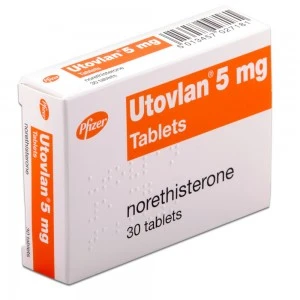
Utovlan

Utovlan

  • Effective treatment
  • Registered prescribers are on hand
View Treatment
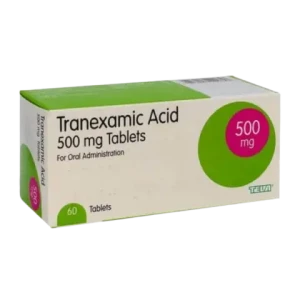
Tranexamic Acid 500mg

Tranexamic Acid 500mg

  • Effective treatment
  • Registered prescribers are on hand
View Treatment
Customer Service