
How Long Does it Take to Quit Smoking?
Kicking the smoking habit can be a long process with several twists and turns. Some people manage to achieve it on the first attempt, while others may need a bit more time to cross the finish line. Regardless of which camp you’ll fall into, going smoke-free is one of the most important decisions you will ever make.
When embarking on such a journey, it’s understandable that you’ll want to have a clear understanding of what to expect along the way. For example, what will happen when you finally quit, or what types of medication could help you reach your goal?
Another common query is “How long does it take to quit smoking?” This article addresses that question. So, join us as we journey through the stop-smoking timeline and discover what could lie ahead for you.
8 Reasons to Stop Smoking
Tobacco smoke contains over 7,000 chemicals, of which at least 250 are known to harm human health and 69 to cause cancer. Smoking, therefore, causes widespread damage in the human body. It negatively impacts the health of almost every organ and organ system, and is a leading cause of preventable deaths worldwide.
However, the health benefits of quitting smoking aren’t the only reason to stop. Other key reasons why people give up smoking include:
- Improved appearance caused by brighter skin, whiter teeth, and slower signs of ageing
- Financial benefits as a result of significant savings on the cost of tobacco
- Increased fitness due to improvements in cardiovascular health
- Protection of others from the harmful impacts of secondhand smoke
- Boosted mental health with reduced stress and anxiety over time
- Healthy pregnancy in women
- Reduced risk of serious medical problems, including cancer, stroke, heart disease, and lung conditions
- Improved sense of taste and smell within a few days of quitting
Factors that Impact How Long to Quit Smoking
Quitting smoking is hard, and it may take the average smoker many attempts to stop for good. However, the time it takes for each person to quit depends on a wide variety of physical, psychological, and environmental factors. These include:
- Extent of nicotine dependency: Strong nicotine dependence can make it harder to quit smoking. People who have smoked for a long time or who smoke heavily are more dependent on nicotine and have stronger withdrawal symptoms when they stop. This can make quitting more uncomfortable and, therefore, more challenging.
- Social factors: Certain factors can significantly affect how long it takes to quit smoking. For example, people who have smoking friends could be more frequently exposed to smoking cues or triggers. They may also have less social support to quit and be less motivated to do so, all of which can increase the risk of smoking relapse during quit attempts.

- Presence of health conditions: In one study, illnesses such as cardiovascular disease, high blood pressure, and cancer were associated with successful quit attempts. Therefore, people with smoking-related health issues may be more motivated to quit than those who feel healthy.
- Genetic factors: Genetics may play a key role in how long it takes a person to quit smoking. For example, genetic variations can affect how quickly a person metabolises nicotine. Those who metabolise nicotine more quickly have been found to smoke more, show greater nicotine dependence, and have more difficulty quitting.
How Long Does it Take to Quit Smoking?
The amount of time it takes to quit smoking can vary significantly between individuals, depending on the presence or absence of the factors listed above. Most people take more than one attempt to quit smoking, but success rates can be improved by:
- Not drinking alcohol
- Strong social support
- Absence of anxiety and depression
- Effective stress management
- Use of anti-smoking medications (such as varenicline)
- Having a smoke-free home environment
Overcoming the urge to smoke in the early stages of quitting can be very challenging. However, people who abstain from smoking for 28 days are 5 times more likely to stop for good.
Here are some important elements to be mindful of as you embark on your stop-smoking journey:
Quit Date
Deciding on a quit date is the first crucial step to becoming smoke-free. This is because earmarking a date in advance gives you the opportunity to prepare for the journey ahead and formulate a plan.
It’s recommended that you select a date about 2 weeks in advance, ideally during a period with no potentially stressful events. Indeed, most stop-smoking medications advise that you start taking the treatment first and then aim to quit within the first couple of weeks.

Cravings
Nicotine cravings can begin around half an hour after your last cigarette, with each one lasting roughly 3 to 5 minutes. The exact type of cravings you experience will depend on how long you’ve been smoking more.
You may find that nicotine cravings are at their peak within 2 to 3 days of quitting. These will eventually pass and weaken the longer you stay smoke-free, so just keep pushing. After 4 to 6 weeks, you should notice a marked improvement.
Withdrawal Symptoms
Nicotine withdrawal symptoms come in many guises, with each one having its own timeframe of activity. Low mood and irritability, for example, can take around 4 weeks to improve, while headaches may last 3-4 weeks.
Sleep problems tend to ease after 2-3 weeks, while your energy levels should get back to normal around the same time. Meanwhile, gastrointestinal withdrawal symptoms such as nausea and constipation can take as many as 3 weeks to dissipate.
Relapses
Quitting smoking is difficult, and it may take more than one attempt to kick the habit for good. Indeed, the Australian Health Department noted that some smokers may need as many as 30 attempts before they are successful.
It’s important to remember, however, that everyone’s journey is different. No matter how long it takes, progress is still progress, and you should always be proud of how far you’ve come.
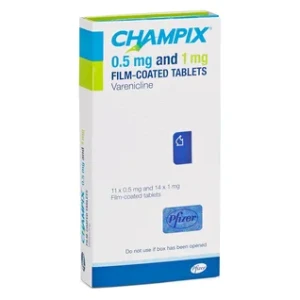
Champix
- Blocks the rewarding effects of smoking
- Reduces cravings and withdrawal symptoms
- High long-term abstinence rates
When Do You Notice the Benefits When You Stop Smoking?
The body starts to recover as soon as you stop smoking, and many people notice benefits within days of their last cigarette. After just two days, the ex-smoker’s pulse rate and carbon monoxide levels will have returned to normal. Their lungs are already clearing out mucus, and their sense of taste and smell may start to return.
After 72 hours, many people notice their breathing feels easier as the bronchial tubes in the lungs start to relax. They may also experience an energy boost as their oxygen levels recover. By month three, their circulation will have improved, and their heart and muscles will be better oxygenated. Lung function will also improve by up to 10%, and many ex-smokers notice that coughing, wheezing, and other breathing problems are getting better.
What Happens if You Quit Smoking After 1 Year?
Most people know that nicotine is highly addictive, and a fear of long-term withdrawal symptoms can be a major barrier to quitting smoking. However, research suggests that abstaining from smoking gets easier with time. One study into the experiences of ex-smokers found their tobacco cravings were almost non-existent after one year of not smoking.
Participants also reported less restlessness and fewer stressful events than those who continued to smoke. Quitting long-term also has profound cardiovascular benefits, and after one year, an ex-smoker’s risk of heart attack will be half that of someone who continues to smoke.
The further you get from your last cigarette, the more your health improves. People who quit for good will dramatically improve their lung function and reduce their risk of a wide variety of cancers and other medical problems.

Frequently Asked Questions
Around 40% of smokers in England try to quit every year, but only a quarter succeed. Understanding and navigating the obstacles to quitting smoking can be helpful, and healthcare professionals strongly encourage people to make a personal quit plan before they attempt to stop. One aspect of this is learning what to expect, and people often have questions about how long their nicotine cravings could last, whether they should try to quit cold turkey, and the safety of anti-smoking aids.
How Long After Stopping Smoking Do Cravings Stop?
Nicotine withdrawal symptoms and cravings usually peak in the first week after quitting and last for 2 to 4 weeks. This could be why people who make it to 28 days smoke-free are 5 times more likely to quit for good.
However, occasional tobacco cravings can still emerge in response to triggers, even among those who have quit long-term. This is why it’s important to make a personal quit plan that includes coping strategies for resisting the desire to smoke. Physical activity, better stress management, and nicotine replacement therapies (NRT) can all help to navigate cravings.
How Long To Quit Smoking Cold Turkey?
Quitting smoking ‘cold turkey’ means stopping abruptly, rather than gradually tapering off your tobacco use. Some research suggests that this method may produce a higher smoking cessation success rate, but it can also create powerful nicotine withdrawal symptoms in the first few days and weeks.
Stop-smoking products like anti-smoking medications, nicotine replacement therapies (NRTs), and vapes can all help to reduce cravings in the initial period after you stop smoking cold turkey. If you can reach 28 days without using tobacco, you’re far more likely to quit for good.
How Long Can You Safely Use Quit Smoking Aids For?
Doctors recommend that people use NRTs (like nicotine patches, gums, and lozenges) for 8 to 12 weeks. The aim of stopping after 12 weeks is to break your dependency on nicotine altogether. However, because NRT is safer than smoking, you can use it for longer periods if it keeps you from smoking tobacco.
Prescription anti-smoking medications, like varenicline and cytisine, are usually prescribed for up to 12 weeks. If you would like more information about quit-smoking medicines, consult a licensed clinician for a health assessment and treatment plan.

With You All the Way
Quitting smoking for good takes a great deal of hard work and determination. Having a strong support network in your corner can often be crucial to reaching your goals and avoiding relapses. This is where Prescription Doctor can help.
The process begins with a simple online medical questionnaire. Our clinicians will then review your information and, if approved, your order will be dispatched from our General Pharmaceutical Council-registered pharmacy in plain packaging. Items approved before 3pm on a weekday are also eligible for next-day delivery.
Our team will be with you every step of your journey. From recommending the most appropriate treatment for your circumstances to performing regular progress checks, you can rely on our expertise at any time. We even have a wealth of information on our website to help you along your way.
Take your first steps to becoming smoke-free today and start a consultation with Prescription Doctor today.
Sources
- National Cancer Institute (2017): Harms of Cigarette Smoking and Health Benefits of Quitting.
- World Health Organization (2025): Tobacco.
- British Medical Association (2022): Stub out smoking.
- PubMed (2017): Scientific Evidence for the Addictiveness of Tobacco and Smoking Cessation in Tobacco Litigation.
- PubMed (2015): The Relation Between Number of Smoking Friends and Quit Intentions, Attempts, and Success.
- PubMed (2022): Factors related to the success of smoking cessation: A retrospective cohort study in Korea.
- NIH (2018): Tobacco, Nicotine, and E-Cigarettes.
- PubMed (2023): Factors associated with quitting among smoking cessation medication-assisted smokers and ex-smokers: A cross-sectional study in Australia.
- NHS Better Health: Managing nicotine withdrawal symptoms.
- NHS Better Health: Quit smoking.
- PubMed (2013): Life One Year After a Quit Attempt: Real-Time Reports of Quitters and Continuing Smokers.
- Mayo Clinic (2025): Quitting smoking: 10 ways to resist tobacco cravings.
- PubMed (2017): PURLs: “Cold turkey” works best for smoking cessation.
- NHS Better Health: Should I quit smoking cold turkey?
- NHS Inform (2025): Stop smoking medication.
- Bracknell Forest Public Health: NRT – Nicotine Replacement Therapy.
- Health Service Executive (2026): Cravings and withdrawal when you stop smoking.
- Australian Government (2023): What quitting feels like.
Authored By

Kate Latham
Medical Content WriterPublished on: 28/01/2026
Reviewed By
Mohamed Imran Lakhi
MPharm - Lead PharmacistReviewed on: 28/01/2026
How We Are Regulated
Payment Options


© 2013 - 2026 Al Muhsineen Limited. All Rights Reserved. Registered Pharmacy: 34 Halliwell Road, Bolton BL1 8RL. Registered Office: 254 First Floor, Shearbrow, Blackburn, England, BB1 8DS


Patient Login
Don't have an account?
Your account will be automatically created after placing your first order.