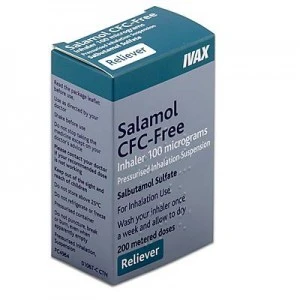
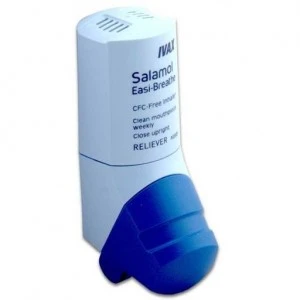
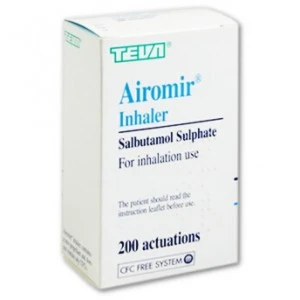
Salamol cfc free inhaler

In Stock

Prices from £12.99
Review More Prices

Get Started
You must complete a short online consultation so that our prescriber can ensure that the treatment is suitable for you.
Order now to receive your order Thursday, May 14
All inclusive service
No hidden fees

Next day delivery
Discreetly packaged
Discreet delivery
Prescriber available
Prescriber assess you online
How to order
  1. Click on the green "Get Started" button, then click "Start Consultation" button on the next page.
  2. Fill in our short consultation form.
  3. Choose delivery method and mode of payment.
  4. Our team of expert prescribers will assess whether medication is suitable.
  5. If you get the green light and it is deemed suitable, your order will be processed quickly and efficiently.
Confidential Service

Your privacy is important, Prescription Doctor are committed to keeping your details completely confidential.

This is why we also take steps to conceal your prescription products under two layers of packaging.

Delivery and Packing
Discreet Delivery?

We have a commitment to delivering a discreet service and understand your need for privacy. We ship all orders via a trackable courier using discreet, plain packaging.

Do I Need to Wait in All Day for Delivery?

Once your order is dispatched you will receive a tracking number via sms and email.

Do You Deliver on Weekends?

We deliver medications between Monday and Saturday. You can upgrade to Saturday delivery on Friday.

My Order Hasn’t Arrived What Should I Do?

You should receive a tracking number with your order which you can use this number to track your parcel online. This should give you a clear indication of where your parcel is. If you haven’t received your parcel in the time frame given by our couriers, contact your local depot to find out where it is. You can also contact our support team who will do this for you.

Can I Be Notified by Text?

On checkout you will be asked to leave your mobile number so our courier can text you about the delivery. This is also useful if the courier has problems finding your address. We will not use your mobile number for anything else.

Payment Methods
How Can I Pay for My Order?

You can pay for your order using credit, debit card or via bank transfer.

I Don’t Have a Credit Card, How Can I Pay?

If you don’t have a credit or debit card you can pay via bank transfer. We will give you a unique reference number at checkout along with details of how to make the transfer. Once the money has cleared in our account, we will process your order.

How Do You Keep My Details Safe?

We are a completely secure site and take many measures to ensure your details are kept safe. We understand that you have a right to extreme privacy when purchasing sensitive health medications. All information that you provide to us is stored on our secure servers. Any payment transactions will be encrypted using SSL technology.

Payment and refunds?

You can pay for your order using credit, debit card and bank transfer.

Card Payment: Please notify us that you wish to cancel your order. Your refund will show available In 1 - 3 days.

Bank Transfer: A member of our team will contact you requesting for your bank details. These details are only used to transfer the funds back into your account.

Patient Reviews: How Salamol cfc free inhaler Has Made a Difference

Treatment Information

Table of contents:

Where can I get Salamol inhalers online?

You can get a private prescription for Salamol cfc-free inhalers online with Prescription Doctor. Our UK-regulated pharmacy stocks Salamol CFC-free inhalers, as well as Salamol Easi-Breathe inhalers.

To begin your order, please complete our online medical questionnaire, which will be reviewed by one of our doctors. If your order is approved before 3pm on weekdays, our UK-based pharmacy will dispense and dispatch your medicine on the same day.

All items dispatched from our pharmacy are packaged discreetly and sent straight to your door via a speedy next-day delivery.


What is Salamol?

Salamol Easi-Breathe CFC-free inhalers contain salbutamol, known as a bronchodilator. Salbutamol works by opening the airways in the lungs, allowing air to flow in and out easily.

Salamol is available in inhaler form and must be prescribed by a licensed physician in the UK.

Each Salamol dose or puff you take contains 100 mcg of salbutamol.

It is essential to always carry your preventer inhaler with you, in case you experience an asthma attack.


How does Salamol work?

Salamol inhalers belong to a group of inhalers called “relievers” or "rescue" inhalers. This group of inhalers are usually coloured blue. They work to quickly relieve acute symptoms of an asthma attack or chronic obstructive pulmonary disease (COPD).

Salamol inhalers can provide relief from symptoms like:

  • Wheezing
  • Shortness of breath
  • Chest tightness
  • Coughing

Salamol inhalers can also be used as a preventative measure. If allergens or exercise trigger your asthma or pulmonary condition, you can use the inhaler before you expose yourself to pollen, pet fur or before participating in any physical activity.

"When an asthma attack strikes, the airways become inflamed which makes it difficult to breathe. If left untreated, an attack can be potentially fatal. Salbutamol inhalers can help treat an attack by opening the airways, allowing the patient to breathe easily." Mohamed Imran Lakhi, Superintendant Pharmacist.

When exposed to a trigger, the airways in the lungs become inflamed and narrow, making it extremely difficult for air to enter and exit. Salbutamol, the active ingredient in Salamol, is a short-acting beta-2 agonist which works by targeting the beta-2 receptors in the lungs, relaxing and opening the airway muscles to improve the flow of oxygen. This relieves the attack, allowing you to breathe easily and effectively.

Typically, Salamol inhalers work within 5 minutes of taking the prescribed dose. Depending on the prescribed dose, relief can last four to six hours.

Inhalers containing Salbutamol are often used in combination with controller medicines, which work to prevent asthma attacks from happening.


How to use Salamol?

It is important to use Salamol exactly as prescribed by your doctor. The recommended dosage is based on your doctor’s instructions. However, for the best results, use Salamol when you start to experience symptoms of an asthma attack, or if you are about to be exposed to a trigger.

Salamol is available in two variations from Prescription Doctor: an Easi-Breathe automatic inhaler and a CFC-free inhaler.

Using Salamol Easi-Breathe inhalers

1. To use Salamol Easi-Breathe effectively, sit or stand up straight and ensure the inhaler is oriented correctly.

2. Shake the inhaler well before each puff to ensure the medicine is mixed well.

3. Breathe out, ensuring your lungs are empty before using the inhaler for best results.

4. Breathe in deeply through the mouthpiece until your lungs are full. The Easi-Breathe will automatically administer the dose as you breathe in through the inhaler. Continue breathing in after the dose has been administered.

5. Hold your breath for 10 seconds before exhaling to ensure the medicine is absorbed. Repeat these steps for each required dose.

Using Salamol CFC-Free inhalers

1. To use a Salamol CFC-Free inhaler, sit or stand up straight and ensure that the inhaler is oriented correctly, with the silver canister pointing upwards.

2. Shake the inhaler well before each dose.

3. While holding the inhaler away from you, breathe out to ensure your lungs are empty before using your inhaler.

4. Place the mouthpiece of the inhaler between your teeth, but don't bite. Close your lips around the mouthpiece to ensure an airtight seal.

5. Depress the canister and breathe in deeply through the mouthpiece. Timing is essential here for the medicine to reach your lungs.

6. Hold your breath for 10 seconds, or as long as you are comfortable, before gently breathing out.

You can view video tutorials of correct inhaler techniques using the link below. We recommend comparing your technique and contacting our Doctor or your GP if you spot any differences or have any questions.

https://www.asthma.org.uk/advice/inhaler-videos/

Using Salamol with a spacer (Aerochamber or Volumatic)

You can use a spacer with Salamol CFC-Free inhalers. You cannot use Salamol Easi-Breathe inhalers with a spacer.

Spacers make it easier to administer inhalers. Rather than needing to time your breathing with administering the dose, you can administer the dosage into the chamber and then inhale through the mouthpiece at your own pace.

According to Asthma UK, spacers make it easier for individuals experiencing an asthma attack to take their blue reliever inhaler and administer the medicine directly into their lungs.

Some spacers are small and easily portable, such as the Aerochamber. It is also possible to attach a mask to the mouthpiece, making it easier to use.

You should speak to your doctor or asthma nurse about the correct use of spacers with your Salamol inhaler. Your doctor or asthma nurse can advise you on whether a spacer would be beneficial for you.

1. First, shake your inhaler and remove the cap from the mouthpiece.

2. Push the mouthpiece into the end of the spacer. Ensure a tight seal between the inhaler's mouthpiece and the spacer you are using.

3. Place the mouthpiece of the spacer between your teeth, but don't bite it. Close your mouth around the mouthpiece of the spacer to ensure a tight seal.

4. Sit or stand up straight and raise your chin slightly. This will help the medicine reach your lungs.

5. Depress the canister of the inhaler to administer the dose into the spacer.

6. Your doctor will advise you on which technique to use to inhale the medicine. If you are unsure about which method to use, ask your doctor or asthma nurse.

6a. If your doctor has suggested using the tidal or multiple breath technique, breathe in and out steadily through the spacer 5 times.

6b. If your doctor has suggested the single breath and hold technique, take one deep single breath in through the spacer until your lungs feel full. Hold your breath for 10 seconds, or as long as feels comfortable.

7. Once you have administered the dose(s), remove the mouthpiece from your mouth.

It is important to clean your spacer regularly.

What should I do if I use more Salamol than I should?

If you accidentally take more doses of Salamol than prescribed, seek immediate medical attention, as you may experience serious side effects.


Who can use Salamol?

Salamol-Easi Breathe is prescribed for people with a respiratory condition known as asthma. However, Salamol Easi-Breathe is not recommended for use in individuals who are allergic to salbutamol or any of the active ingredients in this medicine. A full list of ingredients can be found in the patient information leaflet, which comes with your medicine.

If you have any other medical conditions, including diabetes, heart disease, high blood pressure (hypertension), or irregular heart rhythms, we recommend you speak to your doctor first, as you may require supervision.

If you are currently pregnant or breastfeeding, consult your doctor to determine whether Salamol is the right medicine for you.


Salamol side effects and cautions

Patients using Salamol Easi-Breathe should have regular follow-up appointments. To ensure that the medication reaches the lungs, you should be taught the proper technique for using the inhaler by your doctor or asthma nurse.

Salamol inhalers may not be suitable for people with certain medical conditions.

Salamol should be used with caution if you:

  • have a coronary insufficiency
  • have diabetes
  • have known tachyarrhythmias (fast and irregular heart rate)
  • take cardiac glycosides (Digoxin)
  • have hyperthyroidism (Thyrotoxicosis)
  • have hypertrophic obstructive cardiomyopathy (HCM)
  • have arterial hypertension (also known as PAH)

Several medications may interact with Salbutamol. Tell your prescriber about any medications you are taking, whether they are other prescription medications, recreational drugs, or over-the-counter (OTC) medicines.

Further information on Salamol cautions and drug interactions can be found in the patient information leaflet supplied with your medicine.

Salamol Side Effects

Like all medicines, some people may experience side effects when using Salamol.

Some side effects may indicate an allergic reaction. If you experience any of the side effects below, seek medical attention immediately.

  • A decrease in blood pressure
  • Difficulty breathing
  • Swelling of the throat or face
  • Wheezing or coughing
  • Rash

Common Salamol side effects include:

  • Dizziness
  • Headache
  • Tenseness
  • Tremors

Uncommon Salamol side effects include:

  • Muscle pain

Rare Salamol side effects include:

  • Dry or sore mouth
  • Hallucinations
  • Low blood potassium levels (Hypokalaemia)
  • Mouth irritation
  • Muscle cramps
  • Nausea (Feeling sick)
  • Palpitations
  • Sleep disturbances
  • Tachycardia (Increased heart rate)
  • Throat irritation
  • Vomiting (Being sick)

Further information on the full list of known Salamol side effects can be found in the patient information leaflet supplied with your medicine.

Alternatively, you can view the patient information leaflet for Salamol online.

If you experience any side effects, regardless of whether they are listed above or in the patient information leaflet, speak to your doctor or a pharmacist for advice.


Frequently Asked Questions

Can I use Salamol while pregnant or breastfeeding?

If you are pregnant, planning to be pregnant or breastfeeding, speak to your doctor before using Salamol.

Will Salamol affect my ability to drive or operate machinery?

Salamol does not affect your ability to drive or operate machinery.

Can I drink alcohol while using Salamol inhalers?

It is safe to drink alcohol while taking Salamol. However, if alcohol triggers your asthma symptoms, you should avoid alcohol consumption. Always drink responsibly and avoid consuming more than 14 units of alcohol per week, as per the government guideline.

Can I get Salamol without a prescription?

Salamol Easi-Breathe must be prescribed by a certified physician in the UK.

How do I know if the Salamol I purchased is authentic?

It's essential to purchase Salamol inhalers only from a registered UK pharmacy. Legitimate online pharmacies will require a valid prescription from a doctor.

In addition, you can ensure the authenticity of Salamol-Easi Breathe inhalers by finding out the ingredients of the medical product on the manufacturer’s website and ensuring they match up with the product you received.

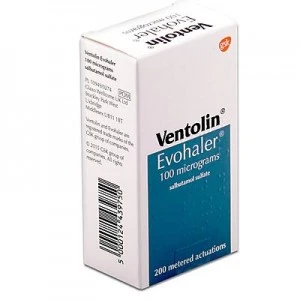
Are Salamol and Ventolin the same?

Salamol is the generic brand of Ventolin. Both inhalers contain the same active ingredient, salbuterol, and work to open the airways in the same way.

Is Salamol a steroid?

Salamol is not a steroid. However, it is often prescribed in combination with a steroid inhaler, such as Pulmicort, to help control inflammation in the lungs.


Additional Resources

BLOG

Staying active with asthma

What do Paula Radcliffe, David Beckham and Justine Henin have in common? They all have asthma. In a study published in the BMJ in 2012, it was found that 21%  of the 2004 British Olympic team were asthmatic. Many people believe that having asthma means they cannot engage in sports, but multiple studies have proven this not to be the case.Despite popular belief, exercise is good for asthmatics and can even improve their health. In fact, it's strongly encouraged by asthma.org, a leading UK asthma charity. Three-time London marathon winner Paula Radcliffe said in an interview with the UK asthma charity:"The message that I always try to communicate is that you should control your asthma, not let it control you."She emphasises that warming up and stretching properly before a workout helped her control her asthma and improve her performance overall."I don't think asthma affected my career [...] If anything, it made me more determined to reach my potential. If you learn to manage your asthma and take the correct medication, there's no reason you shouldn't be the best."Dr Michael Koehle, a sports physician at the University of British Columbia, explained that athletes with asthma can perform just as well as their non-asthmatic peers if they warm up before their exercise. He says:"With a better warm-up, you can get away with fewer [medications]."Exercising regularly can improve your lung function, which in turn can increase your stamina, aid in weight loss, boost your immune system, and make you feel better about yourself.Before participating in a vigorous activity or sport, consult your doctor to ensure that your asthma is under control and that it is safe for you to do so. While you don't have to inform your teammates of your condition, it is advisable so that they can assist you if you experience an attack.Sports facilities, dance studios, gyms and adventure sports centres will have faculty who are trained to deal with a range of medical conditions, including asthma. If you suffer an attack, there will be someone there who can help you.Tips on staying safe when exercising with AsthmaPerform a proper warm-up before exercising by stretching and lightly jogging in place. This will reduce the risk of suffering an asthma attack.Take a preventer inhaler if necessary before the activity.Ensure your reliever (blue) inhaler is close by, either in your pocket or with someone you trust.If you feel out of breath, take a break and use your inhaler if needed.Wear a smartwatch or fitness band that monitors your heart rate.What activities are asthma-friendly?If you are asthmatic and want to get into sports, here are the best activities for you to try:AerobicsSwimmingWalking and joggingBadmintonResistant training (Weights)Yoga, T'ai Chi or PilatesDancingRoundersCricketCyclingThese activities incorporate light to moderate exercise with intermittent breaks for rest periods. Contact your local gym or sports centre to see what sports they cater for.If your asthma is well-controlled, you could push yourself with some adventure sports. These can include abseiling, bungee jumping, parachuting, orienteering and mountain biking.Don't let your asthma get in the way of playing a sport you enjoy - these famous athletes certainly didn't. So long as your asthma is under control and you take the appropriate steps to ensure you are prepared in the case you have an asthma attack, you should be able to live an active lifestyle.  Additional ResourcesLearn More About Asthma Medications What Is Pink Inhaler? Is Fostair a Strong InhalerWhat is a brown asthma inhaler
Read more →
Staying active with asthma
PAGE

How to cope with asthma

Over 5.4 million people in the UK suffer from asthma, and, for many, it is a disease that affects every aspect of their lives. Although there is no cure, asthma is treatable, and with good management, it can be kept under control, allowing anyone to live a full and active life.The first and most critical step to living with asthma is being aware of your asthmatic triggers. These are outside stimuli that cause an abnormal reaction in a person’s immune system, and it is these reactions that can bring on asthma attacks. Allergic reactions are often treatable via antihistamines or allergy shots. For the best diagnosis of allergens, always consult a doctor.The next step is prevention. This is a critical step in fighting asthma triggers. Using a preventive inhaler every day, if prescribed to you, is the best defence against asthma attacks. Remind yourself to use a brown inhaler with these techniques:Set a daily reminder on your phoneLeave a sticky note reminder somewhere you will see it, such as on the mirror or next to your keysKeep your preventive inhaler in a location that is easy to access, such as on a bedside table or near other medications you take.Make it part of your daily routine by taking it at a set time each day, such as immediately after brushing your teeth.Know your surroundings. Allergens such as pollen, mould and animal dander are everywhere, so being aware of these asthma triggers can be critical to help prevent an asthma attack, both at home and in the workplace.Remember to keep a blue inhaler on hand, just in case. Always keep an inhaler in a pocket or handbag when leaving the house.Another quick and easy step is to inform those around you about your asthma. Let them know about your symptoms and where you keep your blue reliever inhaler, ensuring they are aware of which inhaler you need. This is particularly valuable in the workplace. Although asthmatics aren’t obliged to inform their employers about their condition, it is highly recommended that all first-aid personnel are informed and trained to be able to help those who suffer an asthma attack.The vast majority of jobs can be done by a person with asthma with no particular difficulties, though always be aware of possible asthmatic triggers. If these triggers are present, they can be removed by informing an employer or a member of Human Resources.Some jobs, however, do have minimum fitness requirements, such as the armed forces. If you have received treatment for asthma within the last four years, you are not eligible to join a branch of the armed forces. There are still many support positions available for individuals with asthma who wish to serve.These restrictions should not prevent asthma sufferers from taking care of their physical health, though. In fact, regular exercise can be excellent for asthma sufferers. A good diet and a balanced exercise regimen can help strengthen the body, improve lung function, and increase stamina, thereby reducing most asthma symptoms.Additionally, this exercise can help strengthen the immune system, which in turn will aid in fighting off asthma-triggering colds. Government guidelines recommend 150 minutes of physical activity per week for adults. This can be a combination of strenuous and moderate exercise, although a well-rounded exercise regimen is most effective. Most importantly, minimise the amount of time spent stationary behind a desk.Finally, make sure you are registered with your nearest doctor and that they are fully aware of your condition. This is a simple process but can make all the difference when it comes to treatment after an attack.Through planning and consideration, asthma can become an easily manageable disease. No matter what lifestyle you lead, get rid of the worry of asthma attacks and live your life to the fullest.
Read more →
How to cope with asthma
PAGE

Types of asthma triggers

Types of Asthma TriggersAsthma is one of the most common diseases in the UK, with over 5.4 million people receiving regular treatment for asthma. Over 1,000 deaths a year can be attributed to asthma attacks, with attacks hospitalising someone, on average, every 8 minutes.Despite these dangers, the types of asthma triggers are rarely known, even by those who suffer from the disease. Knowing the causes of an asthma attack can be critical for helping to treat it, particularly for types of asthma that have outside irritants, such as:Allergic TriggersThe single most common type of trigger is allergens. Allergens (the irritants to which your body is extra sensitive) are everywhere, so it is essential to know what you are allergic to. The most common types of allergens are pollen, mould spores, animal dander and insect faeces.For severe cases, doctors may prescribe medication to treat allergy-based triggers, usually an antihistamine tablet. This medication prevents or reduces the release of histamines in your body, which are chemicals that cause allergic reactions.NocturnalA nocturnal trigger is a serious and difficult trigger to suffer from. As the name suggests, this trigger comes about at night, whilst sleeping and can be very dangerous for those who suffer from it. Characterised by chest tightness, shortness of breath, and a nighttime cough, it can disrupt sleep patterns for those suffering from it.A night-time attack can catch someone when they are alone, vulnerable and without easy access to their medicine. For this reason, asthma sufferers who find their symptoms growing worse as the evening progresses, or if they have ever had a night-time attack, should see their doctor immediately.It is unclear why nocturnal attacks occur, although it is believed to be related to increased exposure to allergens, the cooling of the airways, or even the reclining position. Whilst there is no cure, daily asthma medication, such as the use of ventolin, is very effective at reducing inflammation.Exercise-Induced AsthmaThis form of asthma trigger is brought on by prolonged or vigorous exercise. Though it does affect those who already have asthma, there are many who only develop this form of asthma during exercise periods.During exercise, cold air is rapidly inhaled through the mouth, rather than being warmed through the nasal passages as it normally is. This can lead to a narrowing of the airways in certain people whose airways are sensitive to changes in temperature.Attacks triggered by this condition are more likely to occur during colder weather. Therefore, it is recommended that individuals who experience this trigger dress appropriately during the winter months, especially with a scarf. Alternatively, exercising indoors or engaging in less vigorous activities can help prevent asthma attacks.Symptoms of EIA usually begin within ten minutes of the start of exercise and include:CoughingTightening of the chestWheezingUnusual fatigueShortness of breathHowever, individuals with asthma should not let their condition prevent them from engaging in regular exercise. Many athletes, including many Olympic-level athletes and professional footballers, suffer from asthma. Treatments such as inhalers or other asthma medications are effective in relaxing the airways and preventing asthma attacks when engaging in sports and exercise.Cough VariantThough many types of asthma involve coughing, Cough-Variant Asthma has severe coughing as its predominant symptom. In particular, this is a dry cough that does not expel any mucus, making it non-productive. People suffering from this variant of asthma often lack other symptoms, such as shortness of breath or chest tightness.Cough-variant asthma is difficult to diagnose and often goes undiagnosed altogether. However, it is most prevalent in young children who have childhood asthma.It can be treated in the same manner as typical asthma, with an inhaler or other inhaled steroid to act as an anti-inflammatory.Occupational TriggersRelated to allergic triggers, occupational triggers are defined as the many irritants that can be found in the workplace. These triggers can be both allergens and irritants, such as:Chemicals such as rubber, latex, plastics and adhesivesAnimal hair or danderCoffee beansFabric dust (cotton, flax, hemp), commonly found in textilesMetals such as platinum, nickel and soldering fumesAttacks triggered by occupational factors can be prevented by reducing exposure to these triggers. OSHA provides guidelines for employers to dictate the acceptable level of exposure to these triggers.To learn more about the dangers of asthma, visit Britain's leading asthma research charity, Asthma UK.Additional ResourcesPink Inhaler For Asthma Is Fostair a Strong Inhaler
Read more →
Types of asthma triggers
BLOG

What to do after an asthma attack

With so many people suffering from asthma, it's often thought of as a somewhat minor illness. However, every ten seconds, someone will suffer an asthma attack, which can be life-threatening if not dealt with quickly and calmly. Indeed, asthma attacks can be lethal, causing 3 deaths a day in the UK, many of which could be avoided if they were dealt with correctly.Below, we teach you how to respond to an asthma attack, to minimise the risk of danger and help guide you through what can be a traumatic event. We also provide you with a comprehensive guide on the actions to take after an asthma attack.Symptoms Of An Asthma AttackIf you don't have asthma or aren't aware of having asthma, you might find yourself wondering if you are, in fact, having an attack at all. Similarly, if you think your friend or loved one may be having an attack, you can check the signs of such against the following:Wheezing (during both inhalation and exhalation)Rapid breathingUncontrollable coughingFeelings of anxiety or panicTightened neck and chest musclesBecoming paleFeeling clammy or sweatyThese symptoms can also correspond to a panic or general anxiety attack, and many asthma sufferers note that having an asthma attack can often bring on a panic attack. For this reason, it's important to remain calm during an attack. You can often lessen the symptoms of anxiety and panic by knowing what to do after an asthma attack and having a plan in place.What To Do After An Asthma AttackHaving an asthma attack can be very scary and often leave you feeling a little light-headed and anxious. This is completely normal, as your body will have just suffered a traumatic experience, feeling that it could not supply enough oxygen to meet your needs.However, it's important to remember that the asthma attack has passed, and you can now work on preventing any future attacks. This is especially important when you consider that one in seven asthma sufferers will have another attack within two weeks of their first.In order to avoid needing any emergency treatment or suffering another asthma attack in the near future, preventative methods are advisable. These consist of a few simple steps, which can not only help you physically, but will also put your mind at ease.1. Contact your GPIt is important that you make an appointment with your doctor or nurse as soon as the attack has subsided. Let the receptionist know that you have had an asthma attack, and they should schedule an appointment for you within 48 hours. If you feel your attacks are getting worse, try a walk-in centre or request an emergency appointment.It's essential to do this, even if you're currently feeling well. Your doctor or asthma nurse will be able to help you avoid future attacks by reviewing your medication, or work with you to lessen the effects of each attack2. Continue Your Medication As NormalWhile it may be tempting to take more of your inhaler than you normally would, or even to stop using it because you feel it isn't working, it's important to continue your medication as usual. If a change is necessary, you and your doctor should be able to work together to adjust the medication level you need, provided you have followed our first step.You should also never stop taking your inhaler, without consulting your doctor first, as these work by relaxing your airways and ensuring that a second asthma attack does not occur. They are also likely to reduce your other symptoms and make your airways less sensitive to triggering environments.3. Give Yourself Time To RecoverWhile many make light of asthma, it is still a traumatic experience to suffer from an asthma attack. As such, it is important that you give yourself the space and time to recover from the attack. Use this time to make a recovery plan, in case another asthma attack occurs and be sure to stay in contact with your doctor.Try to avoid known triggers, as these increase the severity and likelihood of another asthma attack. If you believe there is another key issue at play, bring it to your doctor's attention during your next visit, so that your notes can be updated accordingly. It also allows your doctor to complete a more thorough investigation, should your asthma worsen.To concludeThe main thing to remember after going through the ordeal of your asthma attack is to continue your medication as normal, talk to your doctor and give yourself breathing space. These simple instructions are key components in avoiding the danger of another attack, which has been known to happen within two weeks of your previous flare-up.We hope that you have found this guide helpful and now feel more confident about what to do after an asthma attack. Remember that, while this blog has been created with the most up-to-date research, it's always important to listen to your doctor, and follow their guidelines closely. For more information, visit our other blogs and guides to learn how to live in harmony with your asthma.SourcesNHS.ukAsthma.org.ukAdditional ResourcesLearn More About Asthma Medications What Is Pink Inhaler? Is Fostair a Strong InhalerWhat is a brown asthma inhaler
Read more →
What to do after an asthma attack
BLOG

How to help someone during an asthma attack

Watching someone you know and care for struggle with their breathing can be a very upsetting experience. In these cases, it's fair to say that you might find yourself wondering what to do if someone has an asthma attack, including whether you are over-reacting or even not worrying enough.Not to mention that, without being able to feel what they're going through, it's hard to put words to the severity of the issue. That's why we've created this comprehensive guide to help you know what to do if you see someone experiencing an asthma attack.How Do I Know If Someone Is Having An Asthma Attack?The first thing you'll need to do if you think someone is having an asthma attack is to ascertain whether this is actually the case. The most common symptoms of an asthma attack are:Coughing and wheezingBreathlessnessA tightness around the chest and neckNot all of these symptoms need to be present simultaneously to indicate an asthma attack. Of course, if you know the person suffering has asthma, then you might already be aware that an asthma attack is occurring, without this list of symptoms.Caution: If you know the person is on a MART or SMART regimen, the information presented on this page is not suitable for people on MART regimes.What To Do If Someone Has An Asthma AttackThe symptoms of an asthma attack may cause anxiety and panic to both the sufferer and observer, especially for young children or if this is your first asthma attack. Therefore, it's essential to remain calm and approach the situation objectively. Panicking is more likely to trigger an anxious response, which can exacerbate the attack.In the first instance, always administer their medication as prescribed by their doctor and pharmacist. If a reliever inhaler is present, one or two puffs from it (which is usually blue) should help ease the symptoms.Encourage the person who is suffering from an asthma attack to sit down, but sit up straight. Sitting up straight helps to provide a clear and direct airway for breathing to pass through. A good way to ensure they sit upright is to sit the wrong way around on a standard chair, with their chest against the backrest.Check to see if they are feeling restricted by their clothing. Buttoned shirts and tight-fitting tops are prone to creating the feeling of tightness, which can often lead to raised anxiety levels during an asthma attack, especially when the chest and breathing already feel restricted. If this is the case, then loosen the clothes while ensuring that they still feel safe, warm and comfortable.Encourage them to take slow, steady breaths. As much as they may want to try to gasp as much air in as possible, with each breath, this can be counterintuitive. Panicking can make your breathing more laboured, leading to sufferers feeling worse, while slow, steady breathing is proven to help calm the mind. Once your mind has settled, the attack will likely soon pass.Once the attack has passed, encourage them to make an appointment with their GP. Let them know that an asthma attack has occurred and that you will need an appointment within 48 hours. You should also allow the sufferer to rest and recuperate from the ordeal.Read more: What to do after an asthma attack?When To Call An Ambulance During An Asthma AttackIf there is no improvement, the person suffering from the attack can take more puffs of the reliever inhaler every 30 to 60 seconds, depending on how they feel. You can take a maximum of 10 puffs before requiring further assistance. If they don't feel any better after 10 puffs or if they don't have their reliever inhaler nearby, it's time to call an ambulance.If you feel unable to provide help or are experiencing extreme anxiety, don't hesitate to call for assistance from 111 or 999 (if necessary). The responders on the phone will be able to give you clear directions to help.If you find yourself in the position of needing to know what to do if someone has an asthma attack, always remember the basics. The three main things to remember are: Remain calm and encourage the person having the attack to remain calm, don't be afraid to call for help when you feel it is necessary and try to follow a treatment plan as closely as possible.Sourceshttps://www.nhs.uk/conditions/asthma/asthma-attack/https://firstaidforlife.org.uk/asthma-how-to-help-in-an-asthma-attack/Additional ResourcesPink InhalerIs Fostair a Strong Inhaler
Read more →
How to help someone during an asthma attack

Treatment information

  • Product Name: Salamol
  • Active Ingredient(s): Salbutamol
  • Manufacturer: IVAX
  • Administration: One Puff as required, Do not take more than eight puffs in 24 hours. Wait 4 hours between doses.
  • Presentation: Canister
  • Available Strength: 100mcg per actuation
  • Exemption: Prescription Only
  • Application: Adults over 18
  • Dosage: Do not take more than eight puffs in 24 hours. Wait 4 hours between doses. 
  • Description: Salamol is a prescription inhaled medicine used to treat or prevent bronchospasm.
  • Drug Class: Bronchodilator
  • Alcohol Consumption: No influence.
  • When Pregnant: Speak to your doctor for further advice.
  • When Breastfeeding: Speak to your doctor for further advice.
  • Price: 12.99 GBP
  • https://www.prescriptiondoctor.com/storage/product_images_th/eUo73o3MGr9PfrH4fnqSZGjreC867n.jpg

Authored & Reviewed By

Mohamed Imran Lakhi

Mohamed Imran Lakhi

MPharm - Lead Pharmacist
Imran Lakhi is the superintendent pharmacist and founder at Prescription Doctor. He has been at the core of our team.

Published on: 15/03/2018 Reviewed on: 13/03/2024

Asthma Alternatives

Ventolin

Ventolin

  • Relieves symptoms fast
  • Evoholer and Accuhaler
  • Active ingredient salbutamol
View Treatment
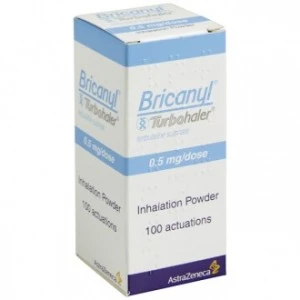
Bricanyl Turbohaler

Bricanyl Turbohaler

  • Fast relief from symptoms
  • Easy to use dry inhaler
  • Available to buy online
View Treatment
Airomir

Airomir

  • Relieves symptoms fast
  • Pump accuated inhaler
  • Active ingredient salbutamol
View Treatment
Customer Service