All inclusive service
No hidden fees

Prices from £23.99
Review More Prices
Your privacy is important, Prescription Doctor are committed to keeping your details completely confidential.
This is why we also take steps to conceal your prescription products under two layers of packaging.
We have a commitment to delivering a discreet service and understand your need for privacy. We ship all orders via a trackable courier using discreet, plain packaging.
Once your order is dispatched you will receive a tracking number via sms and email.
We deliver medications between Monday and Saturday. You can upgrade to Saturday delivery on Friday.
You should receive a tracking number with your order which you can use this number to track your parcel online. This should give you a clear indication of where your parcel is. If you haven’t received your parcel in the time frame given by our couriers, contact your local depot to find out where it is. You can also contact our support team who will do this for you.
On checkout you will be asked to leave your mobile number so our courier can text you about the delivery. This is also useful if the courier has problems finding your address. We will not use your mobile number for anything else.
You can pay for your order using credit, debit card or via bank transfer.
If you don’t have a credit or debit card you can pay via bank transfer. We will give you a unique reference number at checkout along with details of how to make the transfer. Once the money has cleared in our account, we will process your order.
We are a completely secure site and take many measures to ensure your details are kept safe. We understand that you have a right to extreme privacy when purchasing sensitive health medications. All information that you provide to us is stored on our secure servers. Any payment transactions will be encrypted using SSL technology.
You can pay for your order using credit, debit card and bank transfer.
Card Payment: Please notify us that you wish to cancel your order. Your refund will show available In 1 - 3 days.
Bank Transfer: A member of our team will contact you requesting for your bank details. These details are only used to transfer the funds back into your account.
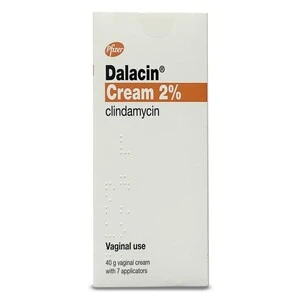
Dalacin vaginal cream is a topical antibiotic cream used to treat bacterial vaginosis (BV). Containing clindamycin 2%, the medication is inserted into the vagina using a disposable applicator. Because it is applied locally, it acts directly at the source of discomfort, with many women finding it gentler on the body than taking antibiotics orally. The treatment is an effective alternative for people who cannot tolerate metronidazole tablets or metronidazole gel.
Dalacin Cream is used to treat bacterial vaginosis in women. It belongs to a class of medications called lincomycin antibiotics and contains 2% active ingredient, clindamycin, meaning that every gram of cream contains 20 mg of clindamycin. The treatment helps slow down and stop the excess growth of BV-causing bacteria.
BV happens when the natural “good” bacteria in the vagina (called lactobacilli) become outnumbered by other bacteria. This imbalance can cause discharge, odour and irritation. While it isn’t usually harmful, untreated BV can increase the risk of pelvic infections, pregnancy complications, or contracting sexually transmitted infections (STIs). Symptoms of BV include:
By applying clindamycin directly inside the vagina, Dalacin Cream helps restore balance and bring back the natural protective environment. It’s essential to note that Dalacin Cream is not intended to treat thrush (a yeast infection), urinary tract infections like cystitis, or STIs such as chlamydia or gonorrhoea. If you’re unsure what’s causing your symptoms, speak to your clinician before starting treatment.
Clindamycin is part of a family of antibiotics called lincosamides. It works by stopping bacteria from making the proteins they need to survive and multiply. Without these proteins, the bacteria can’t grow, and your body’s natural balance has a chance to return. By reducing the amount of ‘bad’ bacteria, Dalacin Cream can restore the natural balance of vaginal flora.
Because Dalacin Cream is applied inside the vagina, the antibiotic is delivered right where it’s needed. This makes it especially effective at tackling BV while limiting effects on the rest of your body. Many women prefer this localised treatment to tablets, particularly if they’ve had side effects from oral antibiotics in the past. You’ll need to use Dalacin for seven consecutive days to most effectively treat BV.
The cream is particularly effective at targeting anaerobic bacteria, which thrive in low-oxygen environments, such as the vagina. These are often the bacteria responsible for BV, making clindamycin well-suited to quickly and effectively resolve symptoms.
Clinical studies have demonstrated that Dalacin Cream is highly effective in treating bacterial vaginosis. Reported success rates range from 70% to 80% after a single 7-day course, which is comparable to or slightly higher than those seen with oral antibiotics such as metronidazole.
Indeed, a separate trial compared the efficacy of clindamycin 2% against oral metronidazole. It was found that the cure or improvement rate in the clindamycin group was 83% in the month following treatment, compared to 78% for the metronidazole group.
The effectiveness of the treatment may also depend on lifestyle factors such as smoking, vaginal douching, and how often you have sex. These are all factors that can affect the balance of bacteria in your vagina. Making small changes in these areas alongside treatment can improve long-term outcomes.
Although Dalacin vaginal cream starts working right away, patients taking the treatment often report significant improvements in symptoms such as odour and discharge within two to three days. Despite this, it’s crucial to complete the prescribed course even if symptoms resolve early. Stopping treatment prematurely may allow bacteria to regrow, leading to recurrence.
To apply Dalacin (Clindamycin 2% vaginal cream), please follow the instructions below:
It’s essential that you only use each applicator once. Do not attempt to reuse them. Please take the time to review the Patient Information Leaflet thoroughly before using the treatment.
The usual dose of clindamycin 2% cream is 1 applicator full (5 grams) at night for 7 days. The ideal time to apply the treatment is lying down just before bed, to reduce the likelihood of leakage. Dalacin Cream is for use inside the vagina only and should be administered exactly as prescribed by your clinician.
If you have forgotten your usual clindamycin dose and it’s only a few hours late, use it as soon as you remember. If it’s almost time for your next dose, skip the forgotten one. Take your next dose at the usual time, and do not double the dose to make up for a missed dose.
Missing doses may reduce the effectiveness of the treatment. If symptoms persist, tell your prescribing clinician if you have missed any doses; they may suggest repeating the course of Dalacin or recommend an alternative treatment.
If you have used more than your clinician has prescribed, this may increase the chances of side effects. You should consult your doctor or a clinician for further guidance and stop using the medication.
If you or somebody else accidentally swallows this medication, seek medical advice from your doctor or clinician. Although it shouldn’t cause any harm, your clinician can advise you on the best course of action.
Do not stop taking Dalacin Cream during the course of treatment without first speaking to your doctor. It is important to take the full course to ensure BV is treated effectively, minimising the risk of recurrence. Not completing a full course of any antibiotic as prescribed may increase the risk of antimicrobial resistance and make future treatment more difficult.
Dalacin Cream is considered a safe medication and is usually well-tolerated. However, like all medications, Dalacin use may come with unwanted side effects. Please review the following information carefully to decide whether Dalacin is right for you.
As with all medications, Dalacin Cream can cause side effects. Not everyone will experience them, but it’s still a good idea to have a clear understanding of the possibilities before you start treatment.
Possible Dalacin Cream side effects include:
Very Common (may affect more than 1 in 10 people) | Common (may affect up to 1 in 10 people) | Uncommon (may affect up to 1 in 100 people) |
|---|---|---|
| Vaginal thrush | Fungal infection (candida) Headache Dizziness Changes in taste Cough, cold, sore throat Diarrhoea Stomach ache Difficulty or delay emptying bowels Nausea Vomiting Itchy skin Rash Back pain Vaginal pain and swelling Vaginal discharge Abnormal labour Urinary tract infection Increased levels of sugar/protein in urine | Bacterial infection Hypersensitivity Loss of balance Nosebleed Upset stomach Bad breath Passing wind Skin reddening Painful urination Nettle-like rash Vaginal infection Pelvic pain Abnormal laboratory test results |
Please note that the table above does not represent a complete list of potential Dalacin Cream side effects. More information can be found within the Patient Information Leaflet that comes with the medication. If you do experience adverse reactions, you can also report them via the MHRA’s Yellow Card Scheme.
Tell your doctor immediately if you develop severe, persistent, or bloody diarrhoea (which may be associated with stomach pain or fever). This is an uncommon side effect that may occur after antibiotic treatment and may indicate serious bowel inflammation (pseudomembranous colitis).
While rare, allergic reactions to Dalacin Cream can occur. Signs of an allergic reaction include:
If you experience any of these symptoms, contact your doctor immediately and stop taking Dalacin.
While Dalacin Cream is a reliable solution for BV, it may not be suitable for everyone. This is why an assessment is required to determine whether the treatment is safe for you.
Do not use clindamycin 2% cream if you:
Talk to your prescribing clinician if you have diarrhoea, or usually get diarrhoea when taking antibiotics. If you develop severe, prolonged, or bloody diarrhoea during or after using Dalacin Cream, tell your doctor immediately, since it may be necessary to interrupt the treatment. This may be a sign of bowel inflammation (pseudomembranous colitis), which can occur after antibiotic treatment.
Sexual intercourse during treatment with this medicine is not recommended. Dalacin Cream may weaken condoms and diaphragms. Do not rely on condoms or contraceptive diaphragms for at least 72 hours after treatment has finished. The use of other vaginal products, such as tampons or douches (vaginal washes) during treatment with this medicine is not recommended.
This product is not recommended for use in children under 18 years of age.
Dalacin Cream may interact with other medications you are taking. Tell your clinician or doctor if you are using erythromycin (an antibiotic) or have recently taken any other treatments. This includes over-the-counter medicines, supplements, and herbal remedies. It is important that you speak to your clinician if you are taking any other medications, as the dose may need to be adjusted or an alternative treatment may need to be prescribed.
Dalacin Cream can be prescribed in pregnancy during the second and third trimesters, but only when a doctor believes the benefits outweigh the risks. If you’re pregnant, planning to get pregnant, or breastfeeding, make sure to inform your clinician before using Dalacin Cream.
Although it is not likely that a nursing infant will take in very much of the active substance from the milk it drinks, if your baby gets bloodstained diarrhoea or shows any signs of illness, tell your doctor at once. You should stop breastfeeding if this happens.
Dalacin Cream is a prescription-only medication (POM), meaning it must be prescribed by an appropriately trained clinician before purchase. Dalacin is available to purchase in the UK only from registered pharmacies. This is to ensure access to Dalacin remains safely regulated.
The General Pharmaceutical Council keeps an up-to-date register of licensed pharmacies.
Yes, you can buy Dalacin Cream online from trusted pharmacies such as Prescription Doctor. Our convenient and straightforward service means you can begin a consultation at any time from your own home, without needing an appointment. Simply complete our brief medical questionnaire, and our experienced clinicians will review your information to determine if the treatment is suitable for you.
If approved, our General Pharmaceutical Council-registered pharmacy will dispense your item in plain packaging for complete discretion. Orders approved before 3pm Monday to Friday are also eligible for next-day delivery.
No. Dalacin Cream can only be purchased with a valid prescription at a licensed pharmacy. Antibiotic prescribing in the UK is regulated to prevent unnecessary antibiotic use and the development of antimicrobial resistance. It is also designed to ensure you are using medication that is safe and suitable for your circumstances.
Yes. Dalacin Cream may be prescribed by NHS clinicians and be available to purchase from approved pharmacies for the NHS prescription charge or free under valid exemptions. You may also be prescribed an alternative brand or form of clindamycin. However, this will require scheduling a consultation, which may put people off.
Both Dalacin and metronidazole are recommended treatments for BV. Metronidazole (tablets) is often prescribed first. However, some women prefer Dalacin Cream because it’s used locally in the vagina and can sometimes feel gentler on the body. Your healthcare professional will help you decide which is right for you.
Factors such as previous side effects, personal preference, and other medications you’re taking will be considered when choosing the most suitable option.
It’s not recommended to use Dalacin Cream during your period because menstrual flow can reduce how well the treatment works by washing it out before it has time to act. If your period starts during treatment, check in with your clinician or pharmacist. They may advise pausing and then restarting the course, or they might suggest an alternative.
Yes, thrush can sometimes develop while using Dalacin Cream. This happens because antibiotics don’t just target BV-causing bacteria; they can also reduce the “good” bacteria that normally keep yeast (Candida) under control. Without that balance, yeast can overgrow and cause thrush symptoms.
If you notice itching, soreness, or thick white discharge, you might have thrush. This is usually easy to treat with an antifungal medicine.
Yes, unlike some antibiotics, Dalacin Cream doesn’t interact with alcohol, so you can drink if you wish while using it. That said, it’s still a good idea to keep alcohol consumption moderate.
Dalacin vaginal cream should not be used to treat acne and is only intended for use to treat BV. Medications should only ever be used as prescribed by an appropriately trained clinician. However, clindamycin (the active ingredient in Dalacin) is sometimes prescribed in other forms for the treatment of acne. An alternative product, Dalacin-T Topical Lotion, may be prescribed to treat acne.
Dalacin Cream should be stored at a temperature below 25°C in a cool, dry place, away from direct heat and sunlight. Always keep it in its original box so you can easily check the instructions and expiry date. Make sure it’s out of sight and reach of children. Storing your cream correctly ensures it remains effective throughout its shelf life.
Product Name: Dalacin Cream
Manufacturer: Pfizer Ltd
Active Ingredient(s): Clindamycin 2%
Administration: Intravaginal
Presentation: Cream
Exemption: Prescription Only
Dosage: The usual clindamycin 2% cream dose is 1 applicatorful (5 grams) applied at night for 7 days.
Description: Clindamycin is an antibiotic used to treat bacterial vaginosis
Drug Class: Antibiotic
When Pregnant: Speak to your doctor before using Dalacin Cream if you are pregnant or plan on having a baby
When Breastfeeding: Speak to your doctor before using Dalacin Cream if you are breastfeeding
© 2013 - 2026 Al Muhsineen Limited. All Rights Reserved. Registered Pharmacy: 34 Halliwell Road, Bolton BL1 8RL. Registered Office: 254 First Floor, Shearbrow, Blackburn, England, BB1 8DS
Don't have an account?
Your account will be automatically created after placing your first order.