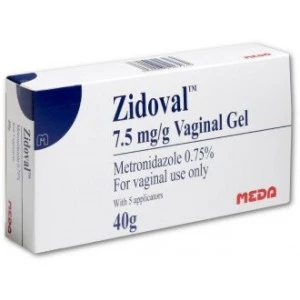
Zidoval

In Stock

Prices from £22.99
Review More Prices

Get Started
You must complete a short online consultation so that our prescriber can ensure that the treatment is suitable for you.
Order in the next 04 hours and 33 min to receive your order Thursday, June 25
All inclusive service
No hidden fees

Next day delivery
Discreetly packaged
Discreet delivery
Prescriber available
Prescriber assess you online
How to order
  1. Click on the green "Get Started" button, then click "Start Consultation" button on the next page.
  2. Fill in our short consultation form.
  3. Choose delivery method and mode of payment.
  4. Our team of expert prescribers will assess whether medication is suitable.
  5. If you get the green light and it is deemed suitable, your order will be processed quickly and efficiently.
Confidential Service

Your privacy is important, Prescription Doctor are committed to keeping your details completely confidential.

This is why we also take steps to conceal your prescription products under two layers of packaging.

Delivery and Packing
Discreet Delivery?

We have a commitment to delivering a discreet service and understand your need for privacy. We ship all orders via a trackable courier using discreet, plain packaging.

Do I Need to Wait in All Day for Delivery?

Once your order is dispatched you will receive a tracking number via sms and email.

Do You Deliver on Weekends?

We deliver medications between Monday and Saturday. You can upgrade to Saturday delivery on Friday.

My Order Hasn’t Arrived What Should I Do?

You should receive a tracking number with your order which you can use this number to track your parcel online. This should give you a clear indication of where your parcel is. If you haven’t received your parcel in the time frame given by our couriers, contact your local depot to find out where it is. You can also contact our support team who will do this for you.

Can I Be Notified by Text?

On checkout you will be asked to leave your mobile number so our courier can text you about the delivery. This is also useful if the courier has problems finding your address. We will not use your mobile number for anything else.

Payment Methods
How Can I Pay for My Order?

You can pay for your order using credit, debit card or via bank transfer.

I Don’t Have a Credit Card, How Can I Pay?

If you don’t have a credit or debit card you can pay via bank transfer. We will give you a unique reference number at checkout along with details of how to make the transfer. Once the money has cleared in our account, we will process your order.

How Do You Keep My Details Safe?

We are a completely secure site and take many measures to ensure your details are kept safe. We understand that you have a right to extreme privacy when purchasing sensitive health medications. All information that you provide to us is stored on our secure servers. Any payment transactions will be encrypted using SSL technology.

Payment and refunds?

You can pay for your order using credit, debit card and bank transfer.

Card Payment: Please notify us that you wish to cancel your order. Your refund will show available In 1 - 3 days.

Bank Transfer: A member of our team will contact you requesting for your bank details. These details are only used to transfer the funds back into your account.

Treatment Information

Table of contents:

What is Zidoval Gel?

Zidoval is an antibiotic gel primarily used to treat bacterial vaginosis infection. Its active ingredient is Metronidazole.

Understanding Bacterial Vaginosis: A condition treated by Zidoval.

What is BV? 

Bacterial vaginosis (BV) is an infection characterised by a greyish-white, watery vaginal discharge. Interestingly, 50% of women might not experience symptoms, making it challenging to diagnose based on symptoms alone.

Causes and Risks

While BV isn't classified as an STI, it can be triggered by sexual intercourse, especially with multiple partners or a new partner. Other potential causes include having an STI or using perfumed soaps in the genital area. However, even women who aren't sexually active can get BV.

Treating BV

While the exact cause of BV is unknown, you may be at a higher risk of BV if you:

  • Use perfumed soaps to wash the genital area
  • Use antiseptic bath additives
  • have a contraceptive IUD (intra-uterine device)
  • change your sexual partner
  • are sexually active

Bacterial vaginosis is not a serious condition, but it is still advisable to seek treatment. If left unchecked, BV can cause complications in pregnancy and increase your risk of pelvic inflammatory disease (PID).

How does Zidoval work for Bacterial Vaginosis?

Zidoval contains Metronidazole, an antibiotic that combats anaerobic bacteria responsible for BV. It works by altering the bacteria's DNA, preventing them from reproducing and thereby halting the spread of the infection.

How long does Zidoval Gel take to work?

Zidoval gel takes up to  5 days to work for bacterial vaginosis infection.

If your symptoms do not improve after completing the 5-day treatment course, speak to your doctor.


How do I use Zidoval Gel?

Zidoval gel comes with disposable applicators, which are used to insert the gel into your vagina. The gel is typically used once daily for 5 days. Apply the gel at bedtime.

It is important to use Zidoval gel at the same time each day. If you have difficulty remembering when to take medicines, set a reminder on your phone or smart speaker. You can also store your medicine in a place which will remind you when to take it.

Before using Zidoval gel, it is essential to wash your hands with soap and water.

You should use a new applicator for every dose of Zidoval gel. Do not reuse the applicators.

Using Zidoval Gel: Step-by-Step Guide

  1. Open the tube by unscrewing the cap. Use the pointed end of the cap to pierce the end of the tube.
  2. Take one of the applicators and screw it onto the end of the tube.
  3. Squeeze the tube gently to fill the applicator with Zidoval. As the applicator fills up, the plunger will move. Once the plunger reaches 5g (the recommended dose), it will stop moving. At this point, the plunger is filled.
  4. Carefully remove the applicator from the end of the Zidoval tube and replace the cap of the tube.
  5. Holding the filled applicator by the barrel, gently insert it into your vagina as far as is comfortable. This may be easier to do on your back with your knees bent.
  6. Slowly depress the plunger to release the gel into your vagina. Continue pressing down the plunger until it stops, ensuring that all the gel has been applied.
  7. Remove the applicator from your vagina and discard the used applicator in a bin.

After applying Zidoval gel, wash your hands with soap and water.

Repeat these steps for 5 consecutive days. If you do not feel better after completing the 5-day course, speak to your doctor.

What should I do if I forget to use Zidoval gel when I should?

If you forget to use Zidoval gel when you should, skip the missed dose and apply it at your next bedtime.

Do not use more Zidoval gel to make up for the missed dose.

What should I do if I accidentally apply more Zidoval gel than I should?

If you accidentally use more Zidoval gel than you should, seek advice from your doctor or a pharmacist.

Do not use more Zidoval gel than you should. Using more Zidoval gel will not clear your infection faster, but may increase your risk of side effects.


Zidoval Cautions: What You Need to Know

Zidoval may not be suitable for everyone, and certain precautions and warnings should be taken into consideration. Below are some essential considerations to keep in mind:

  • Age Restrictions: Zidoval should not be used by individuals under 18 years old or the elderly, as safety has not been established for these age groups.
  • Medication Interactions: Inform your doctor of all medicines you are currently taking, including over-the-counter drugs and supplements, as they may interact with Zidoval.
  • Contraindications: Do not use Zidoval gel during your menstrual period or if you are taking certain medications, such as anticoagulants (e.g., warfarin), lithium (for mental illness), cyclosporin (for autoimmune diseases and rheumatoid arthritis), or 5-fluorouracil (for skin problems and cancer).
  • Application Guidelines: Follow the provided instructions for applying Zidoval gel, including using a new applicator for each dose and washing hands before and after use.

Before you use Zidoval Gel, read the enclosed patient information leaflet. Please keep this leaflet throughout your treatment course in case you need to refer to it again.


Zidoval Side effects?

All medicines carry the risk of side effects, though not everybody experiences them. It is essential to be aware of any potential side effects associated with Zidoval gel.

Common side effects of Zidoval may include:

  • Being sick
  • Decreased appetite
  • Discomfort around your pelvis
  • Dry skin
  • Headache and dizziness
  • Itching of the skin (pruritus)
  • Redness of the skin (erythema)
  • Skin discomfort (burning, pain of skin/stinging)
  • Skin irritation
  • Stomach cramps
  • Unpleasant taste in your mouth
  • Unusual feeling on your tongue
  • Vaginal discharge
  • Vaginal thrush (candidiasis)

This is not an exhaustive list of side effects. Further information regarding the safety of Zidoval gel, including a complete list of side effects, can be found inside the leaflet which comes with your medicine.

If you experience any side effects, regardless of whether they are listed above or in the patient information leaflet, inform your doctor or a pharmacist for advice.

Are There Any Known Zindoval Allergies?

Do not take Zidoval if you are allergic to metronidazole or any similar nitroimidazole antibacterial medications, parabens (a preservative agent), or any of the other ingredients listed in the leaflet.

Zidoval gel contains the following ingredients, which may cause allergic reactions:

  • Methyl parahydroxybenzoate (E218)
  • Propyl parahydroxybenzoate
  • Propylene glycol (E1520)

If you experience signs and symptoms of an allergic reaction, stop using Zidoval gel and seek immediate medical attention by going directly to your nearest Accident and Emergency (A&E) department. Remember to take the packaging and any remaining medicine with you so doctors know exactly what and how much of the medicine you have used.

Signs and symptoms of an allergic reaction include:

  • Chest tightening
  • Dry, red and cracked skin
  • Itchy, red, watery eyes
  • Raised, itchy, red rash (hives)
  • Swelling of the lips, tongue, eyes or face
  • Tummy pain, nausea, vomiting or diarrhoea
  • Wheezing

Zidoval during Pregnancy and Breastfeeding

If you are pregnant, think you might be pregnant, plan on having a baby, or are breastfeeding, speak to your doctor before using Zidoval gel. For further information, consult the NHS guidelines on using metronidazole during pregnancy and breastfeeding.

Other safety information

Always speak to your doctor before you buy Zidoval gel online from Prescription Doctor.

Please inform our prescriber of all medicines you are currently taking, including those bought over the counter and health or herbal supplements.

Do not have sexual intercourse while treating bacterial vaginosis.

Do not use Zidoval gel past the expiry date printed on the packaging. The date refers to the last day of the specified month.

Never throw away medicine via household or water waste. Take any unwanted or expired medicine to your pharmacy and ask them to dispose of it safely for you.

Always store Zidoval gel out of sight and out of reach of children and pets.

Never share your medicine with anybody else, even if they are experiencing the same symptoms or have been diagnosed with the same condition as you.


Where can I buy Zidoval Gel online?

Choose Prescription Doctor to buy Zidoval gel online without the need for scheduling appointments. Complete the online form, and if approved before 3 p.m. on weekdays, our UK pharmacy will send your item the same day with discreet next-day service.

Prescription Doctor: A Safe Way to Order Zidoval Gel with Next-Day Delivery

Avoid traditional prescription hassles with Prescription Doctor's secure online service. Purchase Zidoval gel from our UK-based pharmacy by simply completing our online form. If approved by 3pm between Monday and Friday, we'll dispatch your order the same day with discreet next-day delivery.


Frequently Asked Questions (FAQs) about Zidoval Gel

How can I stop using Zidoval gel?

Do not discontinue using Zidoval gel without consulting your doctor first. It is essential to complete a full course of antibiotics to clear the infection fully.

Will Zidoval gel affect my ability to drive or operate machinery?

Zidoval is unlikely to affect your ability to drive or operate machinery. You should understand how this medicine affects you first before engaging in such activities.

Can I drink alcohol while using Zidoval gel?

Do not drink alcohol while using Zidoval gel.

Drinking alcohol while using Zidoval gel can cause nausea, sickness, headache and abnormal heartbeat.

Will Zidoval gel interfere with my contraception?

While metronidazole does not interfere with hormonal contraception, such as the combined contraceptive pill or emergency pill (morning-after pill), it can cause vomiting or diarrhoea.

If you experience vomiting or diarrhoea for more than 24 hours, read the instructions in the leaflet for your contraceptive pill. Vomiting and severe diarrhoea can affect the protection provided by your contraceptive pill.

Can Zidoval gel impact my fertility?

It is unlikely that Zidoval gel will affect your fertility. If you have any concerns about how Zidoval gel or bacterial vaginosis may affect your fertility, speak to your doctor.

Does Zidoval cause thrush?

Zidoval gel may cause thrush symptoms to become more noticeable.

Can Zidoval treat thrush?

Zidoval gel does not treat thrush. If you notice the symptoms of thrush while using Zidoval gel, inform your doctor. You will need a separate treatment for the thrush infection.

Can I purchase Zidoval gel online?

Yes, purchase Zidoval gel online through Prescription Doctor. Complete an online medical questionnaire for review; if approved, the gel can be dispatched the same day.

What should I do if I miss a dose of Zidoval gel?

If you miss a dose of Zidoval gel, skip the missed dose and continue your regular schedule. Don't apply extra gel to make up for the missed dose.

Can I use Zidoval gel during my period?

It is advised not to use Zidoval gel during your period. Consult your healthcare provider for personalised instructions tailored to your specific situation.

Is Zidoval gel safe for everyone?

Zidoval gel may not be suitable for everyone, including those under 18 or the elderly. Consult with a healthcare provider to determine if it's safe for you.

How should I store Zidoval gel?

Store Zidoval gel at room temperature, away from heat and moisture. Keep it out of children's and pets' reach and follow the provided storage instructions.


Sources

Mylan, 2018. Zidoval 7.5mg/g Vaginal Gel: Summary of Product Characteristics

NHS, 2018. Metronidazole

Additional Resources

BLOG

What causes bacterial vaginosis?

Bacterial Vaginosis is caused when the vagina's natural bacterial levels are disturbed, leading to symptoms such as a strong, fishy smell and abnormal discharge. According to the female hygiene brand Canesten, Bacterial Vaginosis, otherwise known as BV, is the most common cause of vaginal infections in women of childbearing age.The vagina contains thousands of bacteria, specifically lactobacilli, which maintain a slightly acidic pH balance of 4.5. BV is triggered when lactobacilli levels drop and the vagina loses its natural acidic pH balance, becoming more alkaline. This change in bacterial and pH levels allows for the growth of abnormal bacteria.BV is unique to the vagina - there is no equivalent place on a man where lactobacilli and anaerobic bacteria are attempting to live in balance. For this reason, and the fact that BV can be contracted without engaging in sexual intercourse, BV is not considered an STI. Overall, as many as 1 in 3 women can expect to experience Bacterial Vaginosis in their lifetime.What are the Main Causes of BV?1. Douching, over-cleaning or Using Scented 'Feminine Hygiene' ProductsOne of the most amazing and often overlooked abilities of the vagina is that it is almost entirely self-cleaning. The vagina releases regular secretions (discharge) which expel fluids and old cells from the uterus, cervix and vagina. This discharge keeps the vagina clean, moist, and protects it from infection. By simply maintaining a healthy lifestyle (exercising, washing regularly and eating a balanced diet) the vagina will take care of itself, without the need of 'feminine care' products.Douching (flushing water up into the vagina) and washing with scented wipes, treatments etc. will only act to disturb the vagina's lactobacilli, disrupting the pH balance and leading to the increased occurrence of BV. This risk is even greater during menstruation when the vagina's bacterial balance is significantly disrupted, according to a study published by the National Institute of Health.In a noteworthy article for The Guardian, Rose George explains how the 'feminine care' industry capitalises on a fear of 'smelling', brought on by the fact that the vagina is still a controversial topic of conversation (even more so than actual sex) and so education on it remains limited. As she states, 'To ensure cleanliness, the vulva needs nothing fancier than water, mild soap and a gentle pat dry (do not rub)'.As the NHS website makes clear, it is completely normal for the vagina to have a scent, thus the overuse of scented and unnatural feminine care products is not only unnecessary, but one of the key triggers to the onset of BV.2. Sexual ActivityAlthough not all the links are completely clear when it comes to how sexual activity affects the onset of BV, there is strong evidence to suggest that having multiple sexual partners and same-sex female relationships increases the risk of developing BV.Having multiple male partners may increase the risk of BV as while not able to 'contract' it themselves, the penis is able to carry microbiota associated with BV and pass it between females. Uncircumcised male partners may act as a 'reservoir', increasing the likelihood of acquiring an infection after sexual intercourse. Heterosexual sex can also affect the vagina's natural pH balance as semen has a pH of 7.0 to 8.0, leading to temporary alterations in the vagina's bacterial flora. For this reason, symptoms for BV are also most noticeable after sex, where the discharge will smell particularly strong and be thicker in appearance.Engaging in female-female intercourse can increase the risk of BV by up to 60%, and it is common for partners in these instances to re-infect each other. It is advised that both partners be treated (even if only one displays symptoms) to reduce the risk of redevelopment.Measures to prevent the spread of BV include reducing the number of sexual partners you might have and using condoms in heterosexual relationships. Using a condom while the female is undergoing BV treatment is also advisable, as this will help prevent reinfection. It is also recommended that individuals familiarise themselves with the symptoms of BV so that it can be identified and treated as soon as possible.3. SmokingThere is substantial evidence to demonstrate that smoking increases the chances of contracting Bacterial Vaginosis. This is because both the presence of Benzopyrene Diol-Epoxide (BPDE) and the anti-estrogenic effect of smoking itself reduces the number of lactobacilli in the vagina – allowing for the introduction of harmful bacteria.The key research establishing this link is Brotmen et al's study into the Association between cigarette smoking and the vaginal microbiota. Other factors established through this study, which could also affect the prevalence of BV, are the increase in bacterial infection, physiological and structural changes, the increase in bacterial virulence and the dysregulation of the immune system – all side effects of smoking tobacco.4. Having a Copper IUDAccording to the NHS and the CDC, women who chose the Copper Intrauterine Device or IUD as a form of sexual protection were more likely to experience Bacterial Vaginosis than those who did not. This could be due to factors such as the copper affecting the PH balance of the vagina – but is most likely due to the onset of heavier, prolonged periods.Prolonged or heavy periods can increase the risk of developing BV as menstruation is the time when the vagina's lactobacilli are most off-kilter, thus small PH changes (due to douching, sex etc.) can have a greater negative effect. For those women who develop heavier and longer periods due to the copper IUD and experience recurrences of BV, the removal of the IUD contraceptive is often recommended.5. Taking AntibioticsCompleting a course of antibiotics can kill off both 'good' and 'bad' bacteria in the body, and thus can contribute to a bacterial imbalance. This is a key reason as to why you are more likely to contract BV after antibiotic treatment for STIs (such as chlamydia). Unfortunately, this issue is twofold, as you are also more likely to re-contract potential STIs after treatment for BV (due to the antibiotics and the loss of 'good' bacteria).Read more: Why should you always finish your antibiotics?Other notable factorsOther factors known to contribute to the occurrence of BV can include:The use of sex toysIn this instance it is key to ensure that the toys are kept properly clean using pH-neutral cleaning products before insertion into the vagina.Tight-fitting underwearWearing tight, non-breathable underwear for long periods of time can prevent the vagina from receiving the ventilation it needs an incidence of BV. Fabrics such as nylon, polyester, lace, or other synthetic materials are best avoided, along with underwear styles like thongs or G-strings. Breathable, natural fabric such as organic cotton is recommended for long journeys or during your period, alongside loose-fitting styles like girl-boxers or traditional briefs.When to see a doctor?Approximately 50% of women with Bacterial Vaginosis are asymptomatic (show no symptoms), however when present, bacterial vaginosis is characterized by a fishy-smelling, thin, grey/white homogeneous discharge that is not associated with itching or soreness. There may also be a burning sensation during urination and occasional itching, although these symptoms are more commonly associated with thrush.What is the Standard Treatment for BV?Mild BV symptoms may disappear on their own; however, your GP will usually prescribe antibiotics for the treatment of Bacterial Vaginosis. A standard prescription for oral Metronidazole is 400mg twice a day for 5 to 7 days. There are also options to treat the infection with an intra-vaginal gel or with Clindamycin.Recurrence of Bacterial VaginosisReported cure rates for an episode of BV are estimated to be between 70% and 80%. Unfortunately, more than 50% of BV cases will recur at least once within the following 12 months. This is largely because infection-fighting bacteria have been diminished through the occurrence of BV itself and the prescription of antibiotics.While probiotics containing lactobacilli are available for over-the-counter purchase, there is limited evidence to suggest that consuming these can reduce the risk of recurrent BV.However, using condoms can reduce the likelihood of recurrence as this prevents semen from further disrupting lactobacilli levels and prevents potentially harmful bacteria from being reintroduced to the vagina.  
Read more →
What causes bacterial vaginosis?
PAGE

Why do I keep getting bacterial vaginosis?

If you have recently finished a course of treatment for bacterial vaginosis (BV) only to find yourself greeted with it again a couple of weeks later, then don’t worry – you’re not alone.Although the cure rate for BV is relatively high, with a standard prescription of the antibiotic metronidazole seeing cure rates of around 80%, research shows that 50% to 80% of women will get recurring bacterial vaginosis within 6 to 12 months, meaning that well over half of women who experience BV will get it again.There are several factors that can explain why BV keeps coming back, some of which are self-manageable, while others are beyond the individual’s control. This article outlines some of the most common reasons for BV recurrence, helping you better manage a current or future infection, and, more importantly, find answers to that burning question, ‘Why do I keep getting bacterial vaginosis?’ [medical_form product_id="139" text="START YOUR CONSULTATION TODAY" type="button"] What is Recurring Bacterial Vaginosis? Recurring bacterial vaginosis occurs when bacterial vaginosis, a common condition caused by an imbalanced vaginal microbiome, returns within 3 months of antibiotic treatment or at least four times a year, with at least two instances identified through vaginal swab tests. It is a very common condition, with clinical trials showing that 58% of people will get recurring BV. If your BV keeps coming back, it's important to note that this is not medically serious. However, it can be frustrating, especially if you experience symptoms, such as abnormal and/or unpleasant-smelling vaginal discharge. It is important that you get appropriate treatment from a clinician to help get rid of the infection. Why Do I Keep Getting BV?It’s common to get recurring BV, even if you’ve made changes to your lifestyle to prevent it from returning, and there are several potential reasons why bacterial vaginosis keeps coming back. From having multiple sexual partners to using a copper IUD for contraception, we explore some of the common reasons for its return below.{add_product_block(139)}Multiple Sexual PartnersWhile BV is not considered to be an STI due to the fact that it can be contracted without engaging in sexual intercourse, there is strong evidence to suggest that having multiple sexual partners and engaging in female-female sexual relationships increases the chance of developing BV.This is due to a multitude of factors, including the:Increased disturbance to the vaginal microbiome.Alteration of the vagina’s bacterial flora through the more alkaline pH of semen.The increased likelihood of the introduction of BV via a new partnerA review including 43 studies found that women with new or multiple male partners had a 1.6 times higher risk of BV. Those with female partners had a 2.0 times higher risk. Condom use was linked to a lower risk, with a relative risk of 0.8.The review concluded that BV was significantly associated with sexual contact with new and multiple partners of both sexes.Although this will be outlined fully at the end of this article, measures to prevent the spread of BV include reducing the number of sexual partners you might have and using condoms in heterosexual relationships. It is also recommended that individuals familiarise themselves with the symptoms of BV so that it can be identified and treated as soon as possible. Finishing a course of prescribed antibiotics is similarly paramount to prevent further spread.Regular Female PartnersIn women who have sex with women (WSW), regular female partners frequently have concordant vaginal microbiota due to the regular transfer of secretions, so if one has BV, the partner is more likely to also have BV. Research suggests that BV rates are highest amongst women who have sex with women, with estimates ranging between 25% and 52%. One study found that BV in women who have sex with women was more likely if they:have a new sexual partnerhave a partner who has BV symptomsreceive oral sex and then develop BV symptomsIf a WSW is found to have BV, and she has a regular female partner, it would be reasonable to suggest that her partner be checked for BV and treated if positive. There is, however, no evidence that this will reduce BV recurrence.Diminished Bacterial ImmunityUnfortunately, if you have bacterial vaginosis once, not only are you more likely to get it again, but you are also more at risk of acquiring subsequent STIs. Although the link between repeated bouts of BV is still not fully understood, the onset of other STIs is likely due to the decrease in the healthy bacteria, Lactobacilli. During a bout of BV, abnormal anaerobic bacterial strains can increase by up to 1,000%. This bacterial imbalance leaves the vagina more at risk of further infection, with one study finding that 16% of women with BV were diagnosed with an STI within 2 years.Studies have found that women with BV have a higher risk of contracting the following STIs when compared to individuals who have not had the condition:13% increased risk of chlamydia26% increased risk of gonorrhoea60% increased chance of HIV-19-fold risk of contracting Trichomonas Vaginalis (TV) 2.5-fold increased risk of HIV acquisition1.28-fold risk of acquiring HSV-2 (Genital Herpes) BV's recurrence can also be a result of diminished bacterial immunity resulting from a course of antibiotic treatment. As antibiotics target all bacteria to treat an infection, they can reduce the level of ‘good’ bacteria (in this case, Lactobacilli) as well as the ‘bad’.{add_product_block(452)}Having a Copper IUDWomen who use the copper intra-uterine device (IUD) as their preferred method of contraception are at an increased risk of BV. Studies show that those who use a copper IUD have a 1.28-fold increased risk of the infection compared to those who either use no contraception or non-hormonal options.A study conducted by Hillier and colleagues found that women who chose a copper IUD as a birth control method had a BV prevalence of 27% at baseline, 34% at 30 days, 39% at 90 days, and 44% at 180 days compared to no change in BV prevalence in women given a hormonal contraceptive. As Dr Hillier states in response to her study, ‘the increased risk is probably because IUDs cause heavier and longer menstrual bleeding, which is known to disturb the vaginal microbiome’ - leading to fluctuations in lactobacilli levels and the increased ability for harmful bacteria to overpower the good bacteria.The National Institute for Health and Care Excellence (NICE) suggests that for those whose bacterial vaginosis keeps coming back while fitted with a copper IUD, removing the device and considering a different mode of contraception may be the most beneficial option. However, as with any change in contraceptive method, if you are considering this option, you are advised to seek the advice of your GP beforehand to discuss in detail alternative modes of birth control. For anyone who does go ahead with removal, it is integral to continue the use of condoms to prevent the spread of other STIs and any unwanted pregnancies.How to Stop Recurring BVIf you’re prone to recurring bacterial vaginosis, antibiotic treatment will not stop it from coming back in the future. However, there are several things you can do to lower the chance of recurrent BV. Lifestyle changes and completing your antibiotic course are just some of the things you can try.Other things you can do to stop recurring BV from coming back include:Avoid perfumed soaps, shower gels, shampoos, and bubble baths: These can disrupt the vaginal microbiome and promote the growth of bad bacteria, leading to BV.Wear cotton underwear: Opt for cotton underwear instead of tight-fitting or synthetic fabrics, as these can increase moisture and increase the risk of infection.Always use a condom: Use a condom if you get BV after having sex with a man.Change your sanitary products often: Changing tampons or pads regularly can help, especially if your period is triggering BV.Avoid vaginal deodorants, douches, or washes: These can disrupt the vaginal microbiome, resulting in recurring BV. Quit smoking: Smokers have a lower abundance of vaginal Lactobacillus, so giving up smoking may help prevent recurring BV.   {add_product_block(300)}Frequently Asked QuestionsRecurring bacterial vaginosis is problematic for many people and can interfere with the quality of your daily life, especially if you are experiencing symptoms. It is important that you get treatment for BV from a healthcare professional to help get rid of it and stop it from coming back. Here we answer some of the most common recurring BV-related questions.  What are the Symptoms of Bacterial Vaginosis?50% of women do not get any bacterial vaginosis symptoms, which can make it difficult to diagnose. However, some women will get symptoms, although they do not usually include itching or soreness around the vagina. The most common BV symptoms are:vaginal discharge that is watery, thin, and/or greyish-whitevaginal discharge that has a strong fishy smell, especially after sexWhy Do I Keep Getting BV with the Same Partner?It’s possible that bacterial vaginosis keeps coming back with the same partner because semen can change the vaginal pH, promoting the growth of BV-causing bacteria. BV is not considered an STI, but your partner can act as a reservoir for bacteria, meaning it can be passed back and forth during sex.To prevent BV from coming back, it can help to use condoms each time you have sex, maintain good genital hygiene, and finish the course of BV antibiotics.What Treatments are Available for BV?Bacterial vaginosis is usually treated with oral antibiotic tablets, or vaginal gels or creams that are applied directly inside the vagina to treat the infection at the source. If you keep getting BV, you may be given vaginal gel for a few months to stop BV from returning.At Prescription Doctor, we can prescribe the following bacterial vaginosis treatments:Dalacin cream A vaginal cream that contains 2% clindamycin that works by stopping the growth of BV-causing bacteria.Metronidazole tablets: Oral tablets that contain the active ingredient, metronidazole, and are more than 90% successful at clearing the infection.Zidoval vaginal gel: A vaginal gel that contains metronidazole that works by changing the BV-causing bacteria’s DNA so that it can no longer multiply, killing the infection.   Is Recurring Bacterial Vaginosis Dangerous?No, bacterial vaginosis is not usually dangerous if it is treated. However, recurrent BV can make you more susceptible to STIs because the infection lowers your body’s ability to fight infections and reduces the acidity of your vagina.If you are pregnant and have bacterial vaginosis, it is important that you get treatment to lower the chance of complications, such as early labour or miscarriage. Most pregnant women with BV do not get complications, but effective treatment is important.Effective Relief from Recurring Bacterial Vaginosis Several factors can contribute to recurrent BV infections. Once you identify what triggers it, you can take precautionary steps to minimise your risk of experiencing another bout of bacterial vaginosis. For further advice on how you can prevent bacterial vaginosis, speak to your doctor or gynaecologist. There's also a wealth of knowledge readily available from the NHS website, which details common causes of bacterial vaginosis and what you can do to reduce your risk.Recurring bacterial vaginosis can be frustrating, but it doesn’t have to rule your life. Beat the NHS queues and request effective antibiotic BV treatments from Prescription Doctor. Our clinicians can prescribe the same treatments as your GP for recurring BV and have them delivered in discreet packaging to your home address, ensuring 100% confidentiality. Orders approved before 3pm on a weekday are also eligible for next-day delivery, so you can receive your treatment quickly and get on with your life.Does your bacterial vaginosis keep coming back? Need effective treatment fast? Start your online consultation now.  SourcesAmerican Journal of Preventive Medicine (2017). Association of Bacterial Vaginosis With Chlamydia and Gonorrhea Among Women in the U.S. Army.Clinical Infectious Diseases (2020). Elevated Risk of Bacterial Vaginosis Among Users of the Copper Intrauterine Device: A Prospective Longitudinal Cohort Study.Clinical Infectious Diseases (2015). Incident Bacterial Vaginosis (BV) in Women Who Have Sex With Women Is Associated With Behaviors That Suggest Sexual Transmission of BV.Clinical Infectious Diseases (2008). Sexual Risk Factors and Bacterial Vaginosis: A Systematic Review and Meta-Analysis. Frontiers in Reproductive Health (2023). Bacterial vaginosis: a review of approaches to treatment and prevention.Journal of Lower Genital Tract Disease (2014). Effects of Probiotics on the Recurrence of Bacterial Vaginosis: A Review. MDedge (2017): Copper IUDs increase bacterial vaginosis risk. Nature (2019). Sexual practices have a significant impact on the vaginal microbiota of women who have sex with women.NICE (2023): Bacterial Vaginosis. NIH (2022). Bacterial vaginosis: Learn More – Which treatments are effective in bacterial vaginosis?NIH (2002). Bacterial Vaginosis as a Mixed Infection.PLOS Medicine (2012). Bacterial Vaginosis Associated with Increased Risk of Female-to-Male HIV-1 Transmission: A Prospective Cohort Analysis among African Couples.PubMed (2020). Brief Report: Bacterial Vaginosis and Risk of HIV Infection in the Context of CD101 Gene Variation.PubMed (2011). Bacterial Vaginosis and Risk for Trichomonas Vaginalis Infection: A Longitudinal Analysis.PubMed (2011). Severity of Bacterial Vaginosis and the Risk of Sexually Transmitted Infection.The Journal of Infectious Diseases (2013). Incident Herpes Simplex Virus Type 2 Infection Increases the Risk of Subsequent Episodes of Bacterial Vaginosis.The Journal of Infectious Diseases (2006). High Recurrence Rates of Bacterial Vaginosis over the Course of 12 Months after Oral Metronidazole Therapy and Factors Associated with Recurrence. 
Read more →
Why do I keep getting bacterial vaginosis?
PAGE

Do's and Don'ts: Preventing BV

Bacterial vaginosis (BV) is a common vaginal infection that has the potential to cause embarrassing and uncomfortable symptoms. Caused by an overgrowth of specific bacterial types, the condition can recur regularly. In fact, clinical results have shown that it returns for 69% of people within a year.Given the infection’s potential prevalence, it’s a good idea to understand the warning signs and how to prevent BV from occurring in the first place. This is where Prescription Doctor can help.  Join us as we discuss potential signs and symptoms of the condition, along with essential BV prevention tips to give you the best possible chance of avoiding the infection or preventing it from returning. Let’s begin.  [medical_form product_id="139" text="START YOUR CONSULTATION TODAY" type="button"] Warning Signs of Bacterial VaginosisBacterial vaginosis is a common vaginal infection caused by an imbalance of the healthy vaginal bacteria and an overgrowth of “bad bacteria”. BV causes unusual vaginal discharge that can have a strong fishy smell, particularly after sex, and changes in the colour and consistency of discharge. For example, it may look grey and become thin and watery.However, 50% of women do not get any BV symptoms, so you may be unaware that you have it. Therefore, if you have any inclination that something may be awry, it’s essential to get a diagnosis from a doctor or clinician to ensure you receive appropriate treatment. BV Prevention: Dos and Don’ts BV prevention can be obtained by taking simple steps that won’t impact your daily life, such as good hygiene, avoiding perfumed soaps, and practising safer sex. You should also consider stopping smoking, reducing stress, and avoiding douching, as these could increase your risk of infection.  In this section, we’ll discuss some essential tips for BV prevention and outline several things you should try and avoid. 6 Tips for How to Prevent Bacterial Vaginosis (BV)If you’re looking for advice on how to prevent BV, you’ve come to the right place. Here are six top tips for BV prevention, to help keep your vaginal microbiome healthy and thriving. 1. Limit Sexual PartnersSex, particularly if it is unprotected, facilitates the exchange of bacteria that can disrupt the normal vaginal microflora, leading to an overgrowth of “bad” bacteria. One study found that 54% of women felt that their BV was caused by sexual contact, and 59% felt it had developed because of sexual activity. Further research suggests that having an increased number of male sexual partners or recently changing partners increases the risk of BV.Limiting the number of partners you engage in unprotected sex with will reduce the different strains of new bacteria being introduced to the vagina, allowing lactobacilli levels to stabilise and the ‘good’ bacteria to replenish.2. Use Condoms Studies have shown that consistent use of condoms reduces BV incidence by up to 45%, compared to going unprotected. Although BV is not a sexually transmitted infection (STI), condoms act as a barrier, preventing the transmission of BV-causing bacteria. Consistent and correct use of condoms is recommended to stop new bacterial strains from entering the vagina, and to keep the levels of healthy Lactobacilli optimal.3. Take Oral Metronidazole  Metronidazole tablets are an effective treatment for bacterial vaginosis; however, there is some evidence to suggest that they can also be used for BV prevention. A placebo-controlled trial assessed the effect of monthly oral metronidazole treatment plus 150 mg of fluconazole compared to a placebo for 12 months and found that antibiotic intervention reduced the incidence of BV by up to 45% in women at risk of human immunodeficiency virus type 1 (HIV-1). {add_product_block(139)} If you think Metronidazole tablets may be suitable for you, please complete our brief medical questionnaire and our licensed clinicians will assess your circumstances and help you make an informed decision about whether to proceed with treatment. Please note, we can only prescribe Metronidazole tablets to treat a current BV infection and not as a preventative measure. 4. Use Zidoval Gel  Containing the active ingredient metronidazole, Zidoval is a popular alternative to tablets. One clinical trial found that 0.75% metronidazole gel performed considerably better than a placebo for preventing BV recurrence. Some 70% of women who took the medication twice a week for 16 weeks ended up being relapse-free, compared to just 39% in the placebo group. {add_product_block(300)} Prescription Doctor is pleased to provide Zidoval gel for BV prevention and treatment. Simply answer a few medical questions, and our team can evaluate whether the treatment is right for you. 5. Consider Dalacin Antibiotic Cream Dalacin cream is an antibiotic vaginal gel containing 2% clindamycin, typically prescribed when metronidazole has not been successful in clearing the BV infection. It’s applied directly inside the vagina to target the BV-causing bacteria and stop them from producing the proteins necessary for their survival. {add_product_block(452)} A clinical trial comparing the effectiveness of vaginal clindamycin cream and oral metronidazole tablets found that they were similarly effective and well tolerated. Intravaginal clindamycin had a cure rate of 83% at 1 month after treatment, compared to 78% in the metronidazole group. 6. Speak to a Clinician  If you’re noticing that you keep getting bacterial vaginosis, it’s important to note that you don’t need to go through it alone. Help is at hand. Consulting a clinician or your GP will enable them to make a suitable judgement of your condition and propose appropriate treatment. They may also be able to ascertain what is causing your BV symptoms. Things to Avoid for BV PreventionAlongside some of the things you should be doing to avoid BV, there are several things you should also be avoiding to limit the chance of bad bacteria being able to thrive in the vagina. Many of these tasks are straightforward and require minimal effort. 1. Douching You should avoid vaginal douching, which increases the risk of bacterial vaginosis because it disrupts the natural flora that resides in the vagina. One study found that vaginal douching was associated with a 21% higher risk of BV compared to those who do not douche.  Instead, you should wash your genital area with plain water and plain unscented soap. It can also help to take showers instead of baths and avoid using perfumed products and strong detergents to clean your underwear.2. Poor Stress ManagementStress can have a major impact on your health, including vaginal health. One study found a link between increased levels of the stress hormone cortisol and bacterial vaginosis.Although stress is sometimes inevitable, there are several things you can do to help limit its effects on your health, including practising breathing exercises, meditation, and getting some exercise.3. SmokingCigarette smoking increases your risk of developing bacterial vaginosis because it negatively impacts the vaginal microbiome, reducing the numbers of protective Lactobacilli and increasing harmful bacteria. Research shows that smokers are more likely to get BV than non-smokers.  If you’re keen to give up, at Prescription Doctor, we can provide several prescription quit smoking pills to help reduce cravings and withdrawal symptoms.4. Taking an Incorrect Treatment During PregnancyBacterial vaginosis can cause serious implications for pregnant women (such as low birth weight, premature birth, miscarriage, etc). It’s therefore essential that the condition is treated as soon as possible.While metronidazole is usually a preferred treatment, some studies have shown that it can enter breast milk and affect its taste. As a result, you may wish to consider an alternative solution, such as clindamycin if you are in your second or third trimester or metronidazole gel. How to Prevent BV After SexBacterial vaginosis can sometimes flare up after sex, especially if your natural vaginal microbiome is disrupted. Practising good hygiene, avoiding harsh products, and using condoms can all help lower the risk. Although BV isn’t classed as an STI, sex can trigger changes that make it more likely to develop.Some research shows that women who have sex with women are at a greater risk of bacterial vaginosis, with those who have sex with new partners experiencing changes in the vaginal microbiota, including increased diversity and a greater number of non-optimal bacteria. Therefore, suggesting that women who have sex with women exchange bacteria during sex, including those responsible for BV.To reduce your chances of BV after sex, you should:Use condoms because semen can change the vaginal pH and encourage the growth of BV-causing bacteria. Avoid douching and using perfumed soaps, which can strip away protective bacteria.Try to limit the number of sexual partners you have.Stay hydrated, as this can help keep the mucus membranes in the vagina moist, healthy, and elastic, while supporting a balanced pH level.How to Prevent BV with IUDsSome evidence suggests that copper intrauterine devices (IUDs) can increase the risk of bacterial vaginosis by as much as 49% in the first 6 months of use compared to those who use hormonal contraception, like the pill. One study found that 37% of IUD users had BV compared to 19% using the combined pill, vaginal ring, or patch.  If you use a copper IUD as your preferred method of contraception, you should consider the following:Practice good vaginal hygiene, including avoiding douching or harsh washing techniques and products.Replace sanitary products, such as pads and tampons, on a regular basis.Use condoms during sex to stabilise pH.Monitor for BV symptoms and see a clinician if you have recurrent BV.If recurrent bacterial vaginosis becomes a problem while using the IUD, speak to our clinician about changing to the contraceptive pill or an alternative method. [medical_form product_id="139" text="START YOUR CONSULTATION TODAY" type="button"] Frequently Asked Questions About BV PreventionIf you’re concerned about the infection and keen to understand how to prevent BV, our FAQ section covers the most common concerns. From tips on stopping BV from coming back, to its link with oral sex, and whether supplements or foods can help, here’s everything you need to know.How to Prevent Recurring BVIt has been suggested that BV recurrence rates can be as high as 69% within 12 months of receiving treatment, but there are things you can do if you keep getting BV. These include practising good hygiene and safer sex to help keep the vaginal microenvironment healthy.To prevent recurrent BV, avoid douching, perfumed soaps, and strong laundry detergents. Instead, wash the genital area with plain, unscented soap and water, wear cotton underwear, and use condoms each time you have sex. You should also try to quit smoking and manage stress. If you think you may have BV, it’s important to consult a clinician to get appropriate treatment.  How to Prevent BV from Oral SexOral sex has been shown to increase the risk of BV because a specific type of bacterium, Fusobacterium nucleatum, commonly found in the mouth, can facilitate the growth of BV-causing bacteria. It is important to use barrier contraception methods like condoms each time you have sex.Other ways you can help to prevent BV from oral sex include ensuring you and your partner maintain good dental hygiene, such as rinsing your mouth or using mouthwash before performing oral sex.  Are there any Supplements to Prevent BV? There is some emerging research that suggests probiotics (health-promoting live bacteria) may help maintain an optimal vaginal pH and prevent BV. Clinical trial data published in 2020 suggested that an oral Lactobacillus supplement following antibiotic BV treatment could prevent recurrent BV. The study showed that BV incidence was lower in the Lactobacillus-treated group compared to the placebo group.Although further research is required, oral or vaginal Lactobacillus supplementation may help prevent bacterial vaginosis from returning after treatment.Are there Foods that Help Prevent BV?Yes, research shows that a diet high in fibre, such as beans, vegetables, and wholegrains, as well as eggs, also known as the “Ovo-vegetarian diet”, can help reduce the risk of BV. Equally, a diet that’s high in sugar, fried potatoes, refined grains, and sweet drinks increases the chance of infection.  Foods that contain probiotics, such as yoghurts and fermented foods, can help restore the balance in vaginal flora, particularly after antibiotic use. Essential Support for Bacterial VaginosisBacterial vaginosis can be a particularly embarrassing infection; however, it’s important to understand that there’s no need to suffer in silence. Help is always at hand.At Prescription Doctor, we’re committed to taking the hassle out of healthcare by offering effective, licensed medication quickly and discreetly. In addition to providing information on how to prevent BV, we also have a library of useful materials related to why the infection may recur and other related subjects.  Every order is dispatched in discreet packaging by our General Pharmaceutical Council-registered pharmacy. Requests approved by 3pm Monday to Friday are also eligible for next-day delivery, providing a completely reliable service.Ready to take charge with BV prevention and treatment? Start your consultation with Prescription Doctor today.  SourcesBMC Infectious Diseases (2014): Association between cigarette smoking and the vaginal microbiota: a pilot study.BMC Medicine (2021): Bacterial vaginosis: drivers of recurrence and challenges and opportunities in partner treatment.BMC Women’s Health (2023): Impact of (recurrent) bacterial vaginosis on quality of life and the need for accessible alternative treatments.CMAJ (2024): Bacterial Vaginosis. Epidemiology (2007): Condom Use and its Association With Bacterial Vaginosis and Bacterial Vaginosis-Associated Vaginal Microflora.Frontiers in Endocrinology (2018): Psychosocial Stress, Cortisol Levels, and Maintenance of Vaginal Health.JAAPA (2021): Probiotics for preventing recurrent bacterial vaginosis.Nature (2019): Sexual practices have a significant impact on the vaginal microbiota of women who have sex with women.NEJM (2020): Randomized Trial of Lactin-V to Prevent Recurrence of Bacterial Vaginosis.NHS (2022): Bacterial vaginosis.Patient (2024): Preventing and treating bacterial vaginosis.PLoS Biology (2020): Glycan cross-feeding supports mutualism between Fusobacterium and the vaginal microbiota.PLoS One (2017): Women view key sexual behaviours as the trigger for the onset and recurrence of bacterial vaginosis.PubMed (2012): Risk of Bacterial Vaginosis in Users of the Intrauterine Device: A Longitudinal Study.PubMed (2008): Improvement of vaginal health for Kenyan women at risk for acquisition of human immunodeficiency virus type 1: results of a randomized trial.PubMed (2006): Suppressive antibacterial therapy with 0.75% metronidazole vaginal gel to prevent recurrent bacterial vaginosis.PubMed (1993): Efficacy of clindamycin vaginal cream versus oral metronidazole in the treatment of bacterial vaginosis.Scientific Reports (2022): Association between dietary patterns and bacterial vaginosis: a case–control study.
Read more →
Do's and Don'ts: Preventing BV

Treatment information

  • Product Name: Zidoval
  • Manufacturer: Mylan
  • Active Ingredient(s): Metronidazole
  • Administration: Intravaginal
  • Presentation: Gel
  • Available Strength: 7.5mg/g
  • Exemption: Prescription Only
  • Dosage: Apply the gel once a day at bedtime for 5 consecutive days
  • Description: Zidoval gel is an antibiotic gel which is used to treat bacterial vaginosis
  • Drug Class: Antibiotic
  • Alcohol Consumption: Do not drink alcohol while using Zidoval
  • When Pregnant: Speak to your doctor before using Zidoval if you are pregnant or plan on having a baby
  • When Breastfeeding: Speak to your doctor before using Zidoval if you are breastfeeding
  • Price: 22.99 GBP
  • https://www.prescriptiondoctor.com/storage/product_images_th/zidoval vaginal gel.jpg
Click here to view the Zidoval - Patient Information Leaflet

Authored & Reviewed By

Adil Bhaloda

Adil Bhaloda

Pharmacist
Adil provides governance for the online services, overseeing prescription dispensation in line with UK pharmacy standards.

Published on: 02/11/2020 Reviewed on: 13/03/2024

Bacterial vaginosis Alternatives

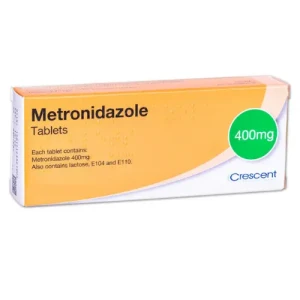
Metronidazole

Metronidazole

  • Clears bacterial infection
  • Available from a UK pharmacy
    View Treatment
    Customer Service