All inclusive service
No hidden fees

Prices from £22.99
Review More Prices
Your privacy is important, Prescription Doctor are committed to keeping your details completely confidential.
This is why we also take steps to conceal your prescription products under two layers of packaging.
We have a commitment to delivering a discreet service and understand your need for privacy. We ship all orders via a trackable courier using discreet, plain packaging.
Once your order is dispatched you will receive a tracking number via sms and email.
We deliver medications between Monday and Saturday. You can upgrade to Saturday delivery on Friday.
You should receive a tracking number with your order which you can use this number to track your parcel online. This should give you a clear indication of where your parcel is. If you haven’t received your parcel in the time frame given by our couriers, contact your local depot to find out where it is. You can also contact our support team who will do this for you.
On checkout you will be asked to leave your mobile number so our courier can text you about the delivery. This is also useful if the courier has problems finding your address. We will not use your mobile number for anything else.
You can pay for your order using credit, debit card or via bank transfer.
If you don’t have a credit or debit card you can pay via bank transfer. We will give you a unique reference number at checkout along with details of how to make the transfer. Once the money has cleared in our account, we will process your order.
We are a completely secure site and take many measures to ensure your details are kept safe. We understand that you have a right to extreme privacy when purchasing sensitive health medications. All information that you provide to us is stored on our secure servers. Any payment transactions will be encrypted using SSL technology.
You can pay for your order using credit, debit card and bank transfer.
Card Payment: Please notify us that you wish to cancel your order. Your refund will show available In 1 - 3 days.
Bank Transfer: A member of our team will contact you requesting for your bank details. These details are only used to transfer the funds back into your account.
Trimethoprim is an antibiotic, taken as a tablet by mouth. It works by stopping certain bacteria from multiplying, preventing them from spreading further and helping to clear the infection. The medication contains 200 mg of the active ingredient trimethoprim and belongs to a group of medicines called antibacterials. As the name suggests, these treatments are effective against a wide range of bacteria.
The most common use of trimethoprim is to treat bacterial infections such as UTIs, particularly cystitis in women. In some cases, it can also be prescribed for conditions such as acne or chest infections, though this is at the doctor's discretion. Prescription Doctor only offers trimethoprim as an antibiotic to treat cystitis.
Cystitis is a bacterial infection affecting the urinary tract. It is commonly referred to as a urinary tract infection (UTI) or water infection.
Women are at a higher risk of developing UTIs compared to men. This is due to anatomical differences, such as the shorter distance between the urethra and anus, as well as the length of the urethra itself in women.
Cystitis is typically caused by bacteria, most commonly E. coli, entering the urethra and ascending into the bladder, leading to inflammation.
Although not classified as a sexually transmitted infection (STI), UTIs often occur following sexual intercourse. To minimise the risk, it's advisable to urinate as soon as possible after sex to flush out any bacteria that may have entered the urethra.
While less common, men can also develop cystitis. If symptoms are present, it's crucial to consult a GP to determine the underlying cause.
Trimethoprim works by blocking the production of tetrahydrofolic (folic) acid, a key compound bacteria need to survive. This means the bacteria are unable to replicate and spread further, effectively cutting off the infection at its source. Because of its effects on the body, the medication is sometimes associated with low blood folic acid levels.
Trimethoprim can target infections this way because of a key difference between bacterial cells and human body cells. Bacterial cells need to produce their own folic acid to grow and multiply, while human cells get theirs from food. This difference means the medication can act on the infection without significantly affecting the body's own cells, which is why it's suitable to use as an antibiotic.
You should start to feel better within a few days of taking trimethoprim UTI tablets, with some users reporting relief from symptoms, such as pain and discomfort, after just 24 hours. Even if you notice a significant improvement early on in your treatment, it’s essential to complete the entire course of antibiotics to prevent the infection from returning.
Clinical studies have found that a three-day course of trimethoprim antibiotics can achieve a bacterial eradication rate of more than 90% in uncomplicated cystitis, with a low risk of adverse effects. In general practice, the expected cure rate of the medication is between 85% and 90%.
When it comes to bacterial resistance, one trial found that trimethoprim was ineffective against 29.8% of E. coli and Klebsiella cases (common causes of UTIs). This is in line with wider surveillance data across England, which has found similarly high resistance rates, between 28% and 33%. If you do find that the medication isn’t working for you, there are alternative treatments available.
Trimethoprim must be swallowed whole with a glass of water, so be sure not to chew or break the tablets. It can be taken with or without food. It’s essential that you always take trimethoprim tablets exactly as prescribed by your doctor.
The most common dose of trimethoprim for UTIs is one 200 mg tablet twice daily for 3-7 days. More complicated or severe infections can take up to 14 days to clear. If you are prescribed trimethoprim for recurrent cystitis, the usual dose is 100 mg once a day, usually at night. You can also use Trimethoprim tablets following the onset of an identifiable trigger, in which case the dosage would be one single 200 mg tablet.
Should you decide to take trimethoprim tablets as a preventive measure, you may be advised to keep going with the treatment for up to six months.
If you forget to take a trimethoprim dose, you should do so as soon as you remember, unless it’s almost time for the next one. In this scenario, simply skip the first one and proceed with the second as normal. Never try to take two at the same time. Should you find that you’re regularly missing trimethoprim doses, you could try setting a reminder on your phone or calendar.
If you take too much trimethoprim, contact your doctor immediately or visit your nearest A&E department. Do not drive yourself; ask someone else to take you or call for an ambulance. Take the medicine packaging or leaflet with you so the doctors know exactly what you've taken.
While trimethoprim is a safe and common treatment, it is essential to have a clear understanding of what to expect before starting your course. This section outlines potential side effects, important cautions, and when to seek medical advice to ensure you use the medication safely and effectively.
Like most medications, trimethoprim can cause side effects, though not everyone will experience them. Even so, it’s recommended that you have a clear understanding of what to expect before you start treatment.
Potential Trimethoprim side effects include:
Very Common (may affect more than 1 in 10 people) | Common (may affect up to 1 in 10 people) | Very Rare (may affect up to 1 in 10,000 people) |
|---|---|---|
|
|
|
Please note that this is not an exhaustive list of trimethoprim side effects. More information can be found within the Patient Information Leaflet supplied with your medication. If you are struggling to manage adverse reactions, consult your clinician, who may recommend an alternative treatment.
If you experience any side effects, whether listed above or in the patient information leaflet, inform your doctor or consult a pharmacist. You can also report them via the MHRA’s Yellow Card Scheme.
Stop taking trimethoprim and get medical help straight away if you notice any of the following:
These are all signs of rare but serious reactions, and need urgent attention rather than waiting to see if they pass. For anything less urgent, speak to your doctor or pharmacist before stopping your course early.
Trimethoprim isn't suitable for everyone, and it can interact with certain other medicines. Below, we've covered who should avoid trimethoprim, what to tell your doctor before starting treatment, and which medicines to be cautious of.
Trimethoprim tablets can be prescribed to most adults, though the medication is not suitable for everyone. For example, you should not take the medication if you:
If any of the above applies to you, or you’re unsure about which treatment is most appropriate, it’s important to consult a doctor.
Tell your clinician or doctor if any of the following apply to you before starting treatment:
Trimethoprim antibiotics can increase blood potassium levels (hyperkalaemia). People at risk of this condition include those with poorly controlled diabetes, kidney problems, or those on certain medications or potassium supplements. Signs of hyperkalaemia include muscle cramps, irregular heart rhythm, nausea, dizziness, headaches, or diarrhoea.
Do not take Trimethoprim if you are allergic to trimethoprim or any of its ingredients listed in the Patient Information Leaflet. This treatment contains lactose. Please contact your doctor before using this medicine if you have a known lactose intolerance.
If you experience signs and symptoms of an allergic reaction, stop taking the medicine and consult your doctor as soon as possible. Seek emergency medical attention if necessary.
Signs of an allergic reaction include:
Some medications can interact with trimethoprim or increase the risk of side effects. So inform your clinician if you take:
You can find more details about potential interactions between Trimethoprim and other medications in the Patient Information Leaflet.
It’s not possible to say whether trimethoprim is compatible with herbal remedies or other complementary medicines, since these treatments are not tested in the same way as pharmaceutical drugs. You should always tell your doctor if you are taking any other medications before starting trimethoprim.
Trimethoprim is an effective prescription antibiotic used to treat certain bacterial infections, including cystitis, when clinically appropriate. It is not suitable for everyone, however, so it’s important to consult a doctor beforehand.
Yes, it’s completely safe to take paracetamol with trimethoprim, since there have been no known interactions between the two drugs. You can also use other common painkillers such as ibuprofen to reduce the discomfort cystitis causes. If the pain persists, please contact your doctor for further assistance.
Currently, there is limited evidence that cranberry juice or apple cider vinegar can treat or cure cystitis. Some research suggests cranberry products may help reduce how often UTIs occur in people who get them frequently, but this is about prevention rather than treating an infection you already have.
Apple cider vinegar hasn't been shown to treat a UTI in clinical studies, and its acidity can irritate the bladder, potentially worsening symptoms such as burning or urgency. If you think you have a UTI, it's best to see a doctor rather than rely on home remedies.
Trimethoprim should not affect your ability to drive or operate machinery. However, if you experience dizziness, fatigue, or visual disturbances after taking Trimethoprim, you should not drive or operate machinery until you feel better.
While the NHS states it is possible to take trimethoprim while pregnant, it is usually not recommended, particularly in the first 12 weeks, unless a clinician decides it's the most suitable option. During the first trimester, the folic acid-reducing impact of trimethoprim can affect the early stages of foetal development. Tell your clinician if you’re pregnant, trying to get pregnant, or becoming pregnant while taking it.
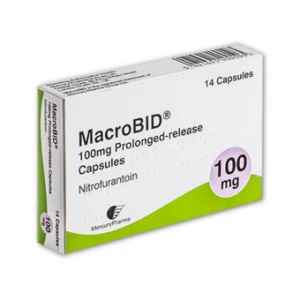
Other medications, such as Nitrofurantoin and Cephalexin, are considered to be better options for dealing with cystitis during pregnancy. If you become pregnant while taking trimethoprim, stop taking the treatment and contact your doctor as soon as possible.
Trimethoprim does not interfere with any type of contraception. This includes the combined pill or morning-after pill. However, if the medication makes you feel sick or experience severe diarrhoea for 24 hours or more, these side effects may mean your contraceptive pills will not protect you from pregnancy.
Since alcohol does not impact the medication’s efficacy, it is possible to drink moderately when taking trimethoprim. This isn’t recommended, however, as alcohol can enhance the impact or increase the risk of side effects occurring. Therefore, you should limit or avoid alcohol consumption while taking trimethoprim.
While both trimethoprim and nitrofurantoin are antibiotics used to treat cystitis, they are not the same medication. Whichever option you’re prescribed will depend on a number of factors, such as the severity of your condition. If you are unsure which one is most suitable for you, speak to your doctor or a pharmacist.
No. Trimethoprim tablets are classified as prescription medication, meaning you’ll need to receive prior approval from a doctor before purchasing the treatment. This is to determine whether the product is suitable for your circumstances or if an alternative would be more suitable for you.
You can buy trimethoprim 200 mg tablets from Prescription Doctor following a short online medical questionnaire, so there’s no need to make a face-to-face appointment with a GP.
Yes, you can buy trimethoprim 200 mg tablets online from reputable companies such as Prescription Doctor to treat cystitis. Simply start your consultation by completing the medical questionnaire, and our experienced clinicians will review your responses and approve your request, if applicable.
Approved orders are dispatched from our General Pharmaceutical Council-registered pharmacy in plain packaging for complete discretion, while anything approved before 3pm on weekdays is eligible for next-day delivery. If for whatever reason your order isn’t approved, you will receive a full refund. Prescription Doctor accepts payments via Apple Pay, Google Pay, and debit and credit cards.
© 2013 - 2026 Al Muhsineen Limited. All Rights Reserved. Registered Pharmacy: 34 Halliwell Road, Bolton BL1 8RL. Registered Office: 254 First Floor, Shearbrow, Blackburn, England, BB1 8DS
Don't have an account?
Your account will be automatically created after placing your first order.