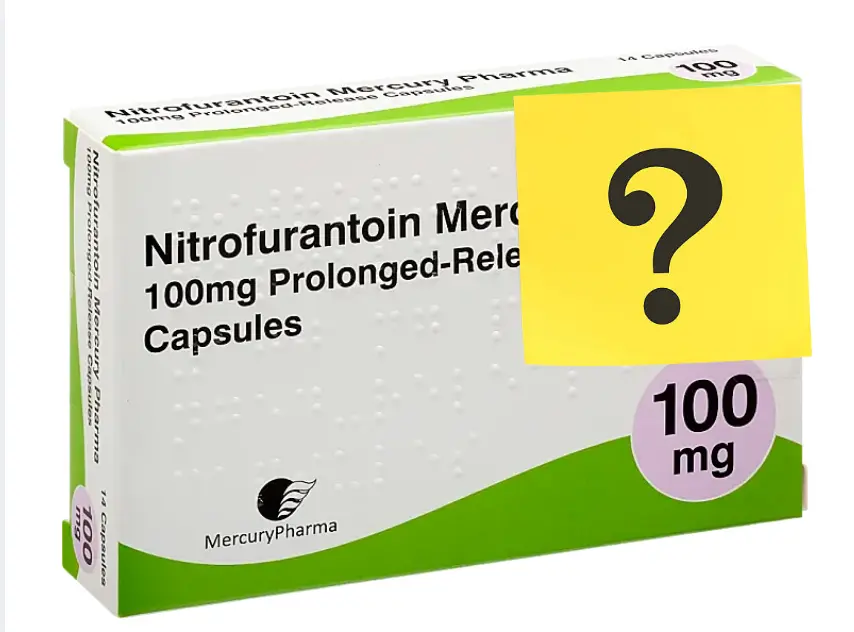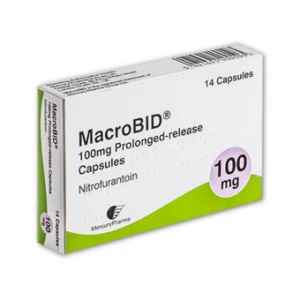
Nitrofurantoin (Macrobid) UTI Antibiotics

In Stock

Prices from £19.99
Review More Prices

Get Started
You must complete a short online consultation so that our prescriber can ensure that the treatment is suitable for you.
Order now to receive your order Friday, June 12
All inclusive service
No hidden fees

Next day delivery
Discreetly packaged
Discreet delivery
Prescriber available
Prescriber assess you online
How to order
  1. Click on the green "Get Started" button, then click "Start Consultation" button on the next page.
  2. Fill in our short consultation form.
  3. Choose delivery method and mode of payment.
  4. Our team of expert prescribers will assess whether medication is suitable.
  5. If you get the green light and it is deemed suitable, your order will be processed quickly and efficiently.
Confidential Service

Your privacy is important, Prescription Doctor are committed to keeping your details completely confidential.

This is why we also take steps to conceal your prescription products under two layers of packaging.

Delivery and Packing
Discreet Delivery?

We have a commitment to delivering a discreet service and understand your need for privacy. We ship all orders via a trackable courier using discreet, plain packaging.

Do I Need to Wait in All Day for Delivery?

Once your order is dispatched you will receive a tracking number via sms and email.

Do You Deliver on Weekends?

We deliver medications between Monday and Saturday. You can upgrade to Saturday delivery on Friday.

My Order Hasn’t Arrived What Should I Do?

You should receive a tracking number with your order which you can use this number to track your parcel online. This should give you a clear indication of where your parcel is. If you haven’t received your parcel in the time frame given by our couriers, contact your local depot to find out where it is. You can also contact our support team who will do this for you.

Can I Be Notified by Text?

On checkout you will be asked to leave your mobile number so our courier can text you about the delivery. This is also useful if the courier has problems finding your address. We will not use your mobile number for anything else.

Payment Methods
How Can I Pay for My Order?

You can pay for your order using credit, debit card or via bank transfer.

I Don’t Have a Credit Card, How Can I Pay?

If you don’t have a credit or debit card you can pay via bank transfer. We will give you a unique reference number at checkout along with details of how to make the transfer. Once the money has cleared in our account, we will process your order.

How Do You Keep My Details Safe?

We are a completely secure site and take many measures to ensure your details are kept safe. We understand that you have a right to extreme privacy when purchasing sensitive health medications. All information that you provide to us is stored on our secure servers. Any payment transactions will be encrypted using SSL technology.

Payment and refunds?

You can pay for your order using credit, debit card and bank transfer.

Card Payment: Please notify us that you wish to cancel your order. Your refund will show available In 1 - 3 days.

Bank Transfer: A member of our team will contact you requesting for your bank details. These details are only used to transfer the funds back into your account.

Patient Reviews: How Nitrofurantoin (Macrobid) UTI Antibiotics Has Made a Difference

Treatment Information

Table of contents:

What is MacroBID (Nitrofurantoin) 100mg?

Nitrofurantoin is an antibiotic used to treat urinary tract infections (UTIs), including cystitis. You can order Nitrofurantoin capsules online from Prescription Doctor's UK-based pharmacy.

Nitrofurantoin can be used to treat UTIs and also as a prophylaxis to prevent recurrent infections.

If you experience UTIs often, consult your GP for advice on whether MacroBID (Nitrofurantoin) would be suitable for you.

Understanding Cystitis and its Causes

Cystitis is a bacterial infection of the urinary tract, commonly known as a urinary tract infection (UTI).

Women have a greater risk than men for developing a UTI due to the shorter distance between the urethra and anus, and the length of the urethra itself in women.

Cystitis occurs when bacteria, such as E. coli, enter the urethra and travel up into the bladder, causing inflammation.

While the condition is not classed as a sexually transmitted infection (STI), it is not uncommon for UTIs to develop after sexual intercourse.

To prevent Cystitis from developing after having sex, you should go to the toilet as soon as you can after sex to flush out any bacteria which may be in your urethra.

The condition can also develop when there is an obstruction in the urinary tract. Such obstructions include bladder and kidney stones, pressure on the bladder during pregnancy, and the presence of foreign bodies such as catheters.

If the bladder cannot empty fully, pools of urine can remain in the bladder, providing the perfect conditions for a bacterial infection to develop.

Some underlying health conditions, such as diabetes and multiple sclerosis, can increase the risk of developing a UTI.

Cystitis can also affect men, though this is uncommon. Men who suspect they have a urinary tract infection should arrange an appointment to see their GP to rule out the cause of their symptoms.


How Does MacroBID (Nitrofurantoin) 100mg Work?

According to the NHS, nitrofurantoin is filtered from the blood into the urine, where it acts directly to fight the infection in the urinary tract.

MacroBID (Nitrofurantoin) works by changing the DNA of the bacterial cells. The cells become weak and can no longer multiply. This makes it easier for your immune system to fight against the infection.

How Long Does MacroBID (Nitrofurantoin) Take to Work on Treating a UTI?

It may take at least 3 days of MacroBID (Nitrofurantoin 100 mg) treatment before your symptoms start to improve. You will need to take your antibiotics as prescribed by your doctor. Not completing your course of antibiotics can result in the infection returning.

For men, it may take up to 7 days for their UTI symptoms to improve.


How Do I Take MacroBID (Nitrofurantoin) 100mg?

To treat a UTI, the usual dose of MacroBID is 100 mg twice a day, or 50 mg four times a day.

For cystitis in women, the course usually lasts for 3 days.

For cystitis in men, the course usually lasts for 7 days.

For more severe infections, 100 mg of MacroBID may need to be taken 4 times a day.

Your doctor will prescribe a treatment course tailored to your specific needs after reviewing your symptoms.

When taking MacroBID (Nitrofurantoin) 100mg twice a day, space the time you take your tablets by 12 hours. This means that if you take one dose at 7am, your next dose should be 7pm.

If you are taking MacroBID 4 times a day, the doses should be spread evenly across the day. Take the first dose in the morning. Take the second dose around midday. The third dose should be administered in the evening, and the fourth dose should be taken just before you go to bed.

Swallow each capsule whole with a glass of water.

MacroBID (Nitrofurantoin) capsules should be taken with food or milk to help prevent stomach upset.

What Should I Do If I Forget to Take MacroBID (Nitrofurantoin)?

If you forget to take MacroBID when you should, take it as soon as you remember. If it is almost time for your next dose, skip the missed dose and continue to take MacroBID (Nitrofurantoin) as prescribed by your doctor.

Do not take a double dose of MacroBID to make up for a missed dose.

What Should I Do If I Take Too Much MacroBID (Nitrofurantoin)?

If you take too much MacroBID (Nitrofurantoin), tell your doctor as soon as possible.


MacroBID (Nitrofurantoin) Side Effects and Cautions

All medicines carry the risk of causing side effects, although not everyone experiences them. Being aware of the risks which come with the medicine you take is important for your health.

Before you take MacroBID (Nitrofurantoin), read the patient information leaflet enclosed with your medicine. The leaflet contains instructions on storing, using, and disposing of MacroBID, as well as important information regarding the safety of the medicine.

You can read the patient information leaflet for MacroBID (Nitrofurantoin) online as a PDF, which you can download, print off or enlarge if you need to.

Side effects of MacroBID (Nitrofurantoin) may include:

  • Dark yellow or brownish urine
  • Dizziness
  • Feeling sleepy
  • Headaches
  • Loss of appetite
  • Nausea
  • Short-term hair loss
  • Vomiting

You should stop taking MacroBID and speak to your doctor if you notice any of the following:

  • Blue or purple skin tone
  • Extreme mood changes or a change in mental state, confusion, weakness and blurred vision.
  • Fever, chills, cough and shortness of breath
  • Jaundice (yellowing of the skin and whites of the eyes)
  • Raised pressure in the skull (severe headaches)

This is not an exhaustive list of side effects associated with MacroBID (Nitrofurantoin). For further information on the safety of this medicine, including a comprehensive list of side effects, please refer to the patient information leaflet enclosed with your medicine.

If you experience any side effects after taking MacroBID (Nitrofurantoin), regardless of whether they are listed above or in the patient information leaflet, speak to your doctor or a pharmacist for advice.

When taking antibiotics, it is essential to complete your entire course of treatment as prescribed by your doctor. If you stop taking antibiotics too soon, your infection may return. Stopping this antibiotic treatment early may lead to future infections becoming resistant to treatment with this antibiotic.

Who Should You Not Take MacroBID (Nitrofurantoin)?

Do not take MacroBID if you are allergic to any of the ingredients in MacroBID, such as nitrofurantoin.

MacroBID contains lactose. If you have lactose intolerance, speak to your doctor for further advice on taking MacroBID (nitrofurantoin).

If you develop the signs of an allergic reaction to MacroBID, go to your nearest accident and emergency department. Take any remaining medicine and packaging with you.

Other Safety Information

Inform our medical team of other medications you are currently taking, including those prescribed by your doctor, or bought over the counter, as well as health and herbal supplements, before you buy MacroBID (Nitrofurantoin) online.

Do not take MacroBID (Nitrofurantoin) past the expiry date printed on the packaging.

Always keep MacroBID and other medicines out of the sight and reach of children.

Never share your medicine with anyone else, even if they experience similar symptoms to you.


Where Can I Buy MacroBID (Nitrofurantoin) Online in the UK?

If you're considering purchasing MacroBID (Nitrofurantoin) online in the UK, it's crucial to choose a reliable and authorised online pharmacy. Prescription Doctor offers a secure and user-friendly platform where you can consult with healthcare professionals and order Nitrofurantoin with next-day delivery.

Prescription Doctor: A Safe Way to Order MacroBID (Nitrofurantoin) with Next-Day UK Delivery

Obtaining Nitrofurantoin through Prescription Doctor is straightforward. After a brief online consultation, our qualified doctors will assess your medical needs. If approved by 3pm on weekdays, our UK-registered pharmacy will dispatch your medication promptly.

Enjoy the convenience of fast, discreet, and next-day delivery, ensuring you receive your essential medication promptly.


Frequently Asked Questions (FAQs) About MacroBID (Nitrofurantoin)

Can I Drink Alcohol While Taking MacroBID (Nitrofurantoin)?

Yes, you can drink alcohol in moderation while taking MacroBID (Nitrofurantoin). Avoid drinking more than 14 units of alcohol per week, as per the government's guidelines.

Will MacroBID (Nitrofurantoin) Affect My Ability to Drive or Operate Machinery?

MacroBID (nitrofurantoin) can cause drowsiness or dizziness. Do not drive or operate machinery if you feel unfit to do so.

Is MacroBID (Nitrofurantoin) Safe to Take During Pregnancy or Breastfeeding?

MacroBID can be taken during pregnancy. For further advice on taking this antibiotic while pregnant or breastfeeding, speak to your doctor.

Will MacroBID (Nitrofurantoin) Affect My Contraceptive Pill?

MacroBID (nitrofurantoin) is unlikely to affect hormonal contraceptives, such as the combined contraceptive pill or emergency contraceptive pill. However, if you vomit or experience diarrhoea while taking MacroBID (Nitrofurantoin), your contraceptive pill may be ineffective. You can read the leaflet which comes with your contraceptive pill for more information on what to do if this happens.

Can MacroBID (Nitrofurantoin) Cause Thrush?

In some cases, thrush can develop after taking a course of MacroBID (Nitrofurantoin). This is because the antibiotic may kill the bacteria which fight against thrush. Speak to your doctor or pharmacist for advice if you think you have symptoms of thrush when taking MacroBID (Nitrofurantoin).

What Should I Do If MacroBID (Nitrofurantoin) Does Not Work?

Tell your doctor if your symptoms do not improve after 3 days of taking MacroBID (Nitrofurantoin), especially if you notice your symptoms worsening. In rare cases, the bacteria which cause the infection may be resistant to MacroBID (Nitrofurantoin). If this is the case, your doctor may prescribe an alternative antibiotic.

Can I Buy MacroBID (Nitrofurantoin) 100mg Over the Counter in the UK?

No, you cannot buy MacroBID (Nitrofurantoin) 100mg over the counter in the UK because it is an antibiotic. However, you can obtain a prescription for MacroBID (Nitrofurantoin) online from Prescription Doctor.

Can I Take Pain Relief With MacroBID (Nitrofurantoin)?

To relieve cystitis pain while treating it with MacroBID (Nitrofurantoin), you can take over-the-counter pain relief like paracetamol or ibuprofen. If you are unsure about which medicines are safe to take alongside MacroBID (Nitrofurantoin), consult your doctor or ask a pharmacist for advice.


Additional Resources

PAGE

How Long Does Macrobid Take to Work?

Cystitis is a relatively common health condition with high rates of recurrence. While the condition can sometimes be managed at home with natural remedies or lifestyle changes, antibiotics may be required in other cases.Macrobid (nitrofurantoin) is one such medication and is well-known for its effectiveness in treating common urinary tract infections (UTIs). But exactly how long does Macrobid take to work?In this article, we’ll examine how quickly the medication begins to improve cystitis symptoms, its efficacy, and answer some frequently asked questions. Let’s begin.     [medical_form product_id="146" text="START YOUR CONSULTATION TODAY" type="button"]  What is Macrobid?Macrobid is an antibiotic used to treat urinary tract infections and is a brand name of nitrofurantoin. The symptoms of a UTI are different depending on the source of the infection.For example, if the infection is in your bladder, common symptoms include cloudy or bloody urine, increased urination frequency, a burning sensation during urination, and fever. A UTI in the urethra can cause many of the basic symptoms, including difficulty urinating and a strong, unpleasant odour in the urine.They include all of the above, as well as nausea and vomiting, pain in the side, back, or groin, chills, shaking, and pain in the lower back, side, or groin.Is Macrobid a Strong Antibiotic?Yes, Macrobid is considered a strong and effective antibiotic for urinary tract infections. It's classified as bactericidal in urine, meaning it actively kills bacteria rather than just stopping their growth.What makes Macrobid particularly effective is its unique mechanism of action. Unlike many antibiotics that target a single bacterial process, nitrofurantoin disrupts multiple vital functions at once. This makes it extremely difficult for bacteria to develop resistance, which explains why Macrobid has maintained low resistance rates (only 1.6% among E. coli) despite more than 70 years of widespread use.How Long Does Nitrofurantoin Take to Work on a UTI?Macrobid's active ingredient, nitrofurantoin, begins working remarkably quickly. The medication reaches peak urinary concentrations within 30 minutes of administration, indicating that it begins to inhibit bacteria almost immediately. Here's how long it takes the treatment to work for uncomplicated UTIs and as a preventive measure.   How Long Does Macrobid Take to Work for Uncomplicated UTIs?Nitrofurantoin (Macrobid) begins to work within the first two days for patients with an uncomplicated UTI. This means you can expect relief from UTI symptoms by the second day of treatment.However, it is essential that you finish the entire course of antibiotics, even if symptoms disappear completely. The usual course is 50-100 mg of Macrobid twice daily for 3-7 days, taken with food.How Long Does Macrobid Take to Work for UTI Prevention?Macrobid is sometimes prescribed for preventing a flare-up of a recurring UTI. For prevention, your doctor may recommend a single dose of 100 mg after an event that can trigger a UTI, such as sexual intercourse.Alternatively, they may advise you to take 1 50-100 mg tablet before bed. The duration of preventive therapy can range from a few days to several weeks, and occasionally it may last for months. It is unusual for a doctor to prescribe Macrobid for more than six months.How Effective is Macrobid for Treating UTIs?Macrobid contains the active ingredient nitrofurantoin, which targets and eliminates the bacteria that cause UTIs. It is a highly effective antibiotic for the rapid treatment of uncomplicated urinary tract infections (UTIs).Clinical evidence demonstrates impressive results. A comprehensive analysis of 27 clinical trials involving 4,807 patients found that nitrofurantoin achieved clinical cure rates between 79% to 92%. The medication is particularly effective against E. coli, which accounts for most UTIs, achieving approximately 80% cure rates.Macrobid takes between 3 and 7 days to treat a UTI. If your symptoms have not improved by day 5 or if you begin to feel worse, speak to your doctor or healthcare professional. You may have a more serious infection that requires a different course of treatment or a combination of treatments. {add_product_block(146)} Macrobid for UTI: How Long to Feel Better?The exact duration and dosage of treatment will vary depending on several factors, including the type and severity of the infection and your individual needs. But generally, the standard course of Macrobid for an uncomplicated UTI in women is 5 days. For men, a 7-day course of treatment is usually recommended.What Else Can I Do to Treat My UTI While Taking Macrobid?There are several things you can do alongside taking the medication to ease your symptoms and speed up your recovery. These include:Over-the-counter medications, such as paracetamol, can help relieve discomfort and reduce a high temperature.Abstain from sexual activity for a few days. A UTI is not an STD, but sexual activity can aggravate symptoms.Urinate as soon as you feel the urge and ensure you fully empty the bladder.Avoid using condoms, diaphragms, or lubricants until the infection has cleared up.Stay hydrated. Try to drink 6-8 glasses of water per day.Keep scented bubble baths, shower gels, and talcum powder away from the genital area.Women should wipe from front to back when using the toilet.Wear cotton underwear rather than nylon or other synthetic materials.Wear loose-fitting jeans, leggings, or jogging bottoms for a few days.Will Drinking Cranberry Juice Cure a UTI?Some evidence suggests that drinking cranberry juice may help cure or prevent UTIs, especially in women. However, it's essential to note that no conclusive studies have been conducted to suggest that cranberry juice is an effective treatment for UTIs, and its effectiveness remains inconclusive.  Can Nitrofurantoin Cause Thrush?You may develop thrush when taking Macrobid. Like many other antibiotics, Macrobid can kill the normal, harmless bacteria that protect you against thrush. Thrush is a common yeast infection that causes itching, soreness, and occasional discharge in and around the genital area. It is not serious but will require treatment.Speak to a doctor or pharmacist if you experience any symptoms of thrush. Most cases can be treated with a cream, antifungal medication, or a pessary.How Long for Nitrofurantoin to Work: FAQsHave questions about how quickly Macrobid works or what to expect during treatment? Below, we've answered the most common questions to help you understand your UTI treatment journey.How Quickly Do Antibiotics Work for UTI?Most UTI antibiotics begin working within hours of the first dose, though you may not feel immediate relief. Macrobid reaches therapeutic levels within 20 to 40 minutes, but noticeable improvement typically occurs within 24 to 48 hours.Most people experience significant relief by day 2 or 3, with complete resolution by day 5-7. It's crucial to finish your entire course, even if you feel better. Stopping early can allow bacteria to survive and develop resistance.Nitrofurantoin Not Working After 5 Days: What to Do?If your symptoms haven't improved after 3 to 5 days, contact your doctor immediately. You might have a complicated UTI requiring different treatment, or the bacteria might be resistant to nitrofurantoin – though this is rare, occurring in less than 2% of cases.Your physician may need to collect a urine culture to identify the specific bacteria and determine the most appropriate antibiotic. Don't continue taking nitrofurantoin or switch antibiotics without medical guidance.  Does Nitrofurantoin Keep Working After the Last Dose?Yes, nitrofurantoin keeps working after your last dose. While it leaves your bloodstream quickly (about 20 minutes), it continues to be released in your urine over the next 24 hours. This means it's still actively fighting bacteria in your urinary tract even after you stop taking it.How Many Days Should I Wait to Feel Better on Nitrofurantoin? If you're not improving after 3 to 5 days, contact your healthcare provider. The bacteria may be resistant, or you may have a more complex infection requiring different treatment. If symptoms worsen or you develop fever, back pain, or nausea, seek immediate medical attention.How Long Does Macrobid Stay in Your System?Macrobid has one of the shortest elimination times of any commonly used antibiotic. It is cleared from your bloodstream in about 20 minutes, but continues to work in your urine, where you need it.This rapid processing is actually beneficial. Rather than remaining in the bloodstream, nitrofurantoin is rapidly filtered by the kidneys and concentrated in the urine. After completing treatment, Macrobid is completely eliminated within about 12-24 hours of your last dose. {add_product_block(146)} Holistic Support for CystitisDealing with cystitis can be difficult, so it’s important to feel like you have somebody on your side, ready to support you whenever you need it. This is where Prescription Doctor comes in.We’ve made it our mission to facilitate access to healthcare and provide our customers with a service that’s tailored to their unique requirements. We begin with a brief online questionnaire that’s designed to determine whether your chosen medication is suitable for your circumstances. If approved by our specialist clinicians, your order is then dispatched by our General Pharmaceutical Council-registered pharmacy for discreet delivery in plain packaging.Need any additional information during your treatment course? No problem! Our clinicians are available to answer any questions you may have and will regularly check in with you to monitor progress. It’s all part of the service.You can also find a library of information about Macrobid and cystitis in general on our website. This covers topics such as whether you can take nitrofurantoin while pregnant or with alcohol, and what foods you may want to avoid. We also discuss how to get rid of cystitis quickly, so you can get back to feeling your best as soon as possible.Let us take the hassle out of your healthcare. Start a consultation with Prescription Doctor today. 
  SourcesUniversity of Oxford (2022): Cranberry for acute Urinary Tract Infection – an old wives' tale? Or Mother Nature's cure?NCBI StatPearls (2023): Nitrofurantoin.Journal of Antimicrobial Chemotherapy (2018): Review of the pharmacokinetic properties of nitrofurantoin and nitroxoline.PMC (2023): Nitrofurantoin: properties and potential in treatment of urinary tract infection: a narrative review.Patient.info (2025): Nitrofurantoin.NPJ Antimicrobials and Resistance (2024): Insights into durability against resistance from the antibiotic nitrofurantoin.JAMA (2018): Effect of 5-Day Nitrofurantoin vs Single-Dose Fosfomycin on Clinical Resolution of Uncomplicated Lower Urinary Tract Infection in Women.MedScape (2024): Nitrofurantoin.
Read more →
How Long Does Macrobid Take to Work?
PAGE

What Foods to Avoid While Taking Nitrofurantoin?

Before you start taking prescription medication, it’s essential to understand any potential restrictions that may prevent your treatment from proceeding. Examples include whether you can use the medication while pregnant or if you’re able to drink alcohol.Certain foods and beverages can also affect treatment effectiveness, either by altering absorption or by exacerbating symptoms and side effects. Nitrofurantoin (also known as the brand name Macrobid) is no exception to this rule, so is there anything you need to stay clear of during your treatment?In this article, we’ll explore whether there are any drinks or foods to avoid while taking Nitrofurantoin, and whether you should prioritise other consumables instead. Let’s get started.    [medical_form product_id="146" text="START YOUR CONSULTATION TODAY" type="button"] Nitrofurantoin Tablet UsesNitrofurantoin targets bacterial infections in your urinary system. When you take this antibiotic, it concentrates directly in your urine at high levels, which is exactly where it needs to be to fight bladder infections and other UTIs effectively.Doctors prescribe nitrofurantoin for two main purposes: treating active infections (such as cystitis) and preventing recurrent UTIs in people prone to them. Unlike many antibiotics that are distributed throughout the body, nitrofurantoin targets the urinary tract, thereby minimising systemic side effects while maximising its antimicrobial efficacy.Foods to Avoid When Taking NitrofurantoinWhen you have been prescribed nitrofurantoin, you can continue eating as you usually would. However, it’s essential to note that certain foods may exacerbate your UTI symptoms. These include sugary drinks (such as fizzy soft drinks), spicy foods, and acidic citrus fruits.Here's why you should avoid these foods when taking Nitrofurantoin:Fizzy Drinks: Carbonated beverages (especially those with caffeine) can irritate the bladder through multiple mechanisms: carbonation itself can cause irritation, and many sodas contain caffeine, artificial sweeteners, and preservatives that can exacerbate UTI symptoms. These compounds can increase bladder pressure and trigger urgency and frequency to urinate.Spicy Foods: Foods containing capsaicin and other spicy compounds can irritate the bladder lining, leading to increased discomfort, urgency, and frequency. Spicy foods essentially add extra irritation to an already inflamed bladder, making symptoms feel worse.Acidic Citrus Fruits: Citrus fruits such as oranges, lemons, limes, and grapefruits are highly acidic and can irritate the bladder wall. The natural acids in these fruits lower the pH of the urine, which can exacerbate burning sensations and urgency during a UTI.  What to Eat with NitrofurantoinNitrofurantoin should always be taken with food. Taking the medication with meals helps reduce stomach upset and nausea, and it significantly improves how well your body absorbs the medication.Clinical studies have shown that bioavailability increases by up to 40% when nitrofurantoin is taken with food compared with on an empty stomach. This means more of the medication reaches your urinary tract, where it's needed to fight infection.The best idea is to take nitrofurantoin with regular meals, ideally breakfast and dinner if you're taking it twice daily. Any substantial meal works, but fatty foods may further enhance absorption.How Much Food to Eat with Nitrofurantoin?You don't need to eat a large meal to benefit from taking nitrofurantoin with food. A small snack or light meal is sufficient to enhance absorption and reduce stomach upset. Even something as simple as a piece of toast, a bowl of cereal, a yoghurt, or a light sandwich provides enough food to improve the medication's effectiveness. The key is not to take it on an empty stomach. If you're taking nitrofurantoin at bedtime for prevention, have a small snack before your dose. {add_product_block(146)} Can You Drink Alcohol with Nitrofurantoin?It’s wise to find out as much as possible about any medication you might be taking, and the question of whether you can drink on nitrofurantoin is certainly a sensible one. There are two schools of thought on how to answer this question; the first is that there are no reported interactions between alcohol and nitrofurantoin, so drinking in moderation is generally considered acceptable.However, the NHS also suggests that alcohol should not be drunk if you suffer from a UTI. This is because the alcohol itself may irritate your bladder, making your symptoms worse. Since drinking alcohol could exacerbate side effects, including nausea and dizziness, it may be wise to reduce your alcohol intake while taking nitrofurantoin.For more information about the interaction between Nitrofurantoin and alcohol, please refer to our dedicated guide. Can You Drink Coffee While Taking Nitrofurantoin?You may drink coffee while taking nitrofurantoin, but it's advisable to limit your intake during treatment. Caffeine is both a diuretic and a bladder irritant, which means it increases urine production and can directly irritate your already inflamed bladder.When you have a UTI, your bladder lining is sensitive and inflamed. Caffeine can worsen symptoms such as urgency, frequency, and burning by further irritating the bladder tissue. Additionally, as a diuretic, coffee increases fluid loss, potentially leading to dehydration.If you can't give up coffee completely, try switching to decaffeinated versions (though even these contain small amounts of caffeine and can still be acidic). Better yet, replace your morning coffee with plenty of water and non-acidic fluids, such as herbal tea. Staying well-hydrated with bladder-friendly drinks will help flush bacteria from your urinary tract and support faster recovery.Can Cranberry Juice Treat UTIs?The idea that cranberry juice can treat UTIs is well known, but it’s best to check with experts. Although cranberry juice may reduce symptoms of recurrent UTIs, it does not eliminate the condition. Properly prescribed antibiotics, such as nitrofurantoin, are the most appropriate course of action.  What Else Can You Do to Tackle UTIs?Although medication is the best way to eliminate cystitis and other UTIs, there are other ways to help yourself and reduce symptoms. These include:Staying hydrated: Drinking sufficient water is one of the most effective measures you can take. Aim for 6-8 glasses of water daily to help flush bacteria from the urinary tract. The increased urine flow physically removes bacteria and dilutes your urine, making it less irritating to your inflamed bladder. Avoid waiting too long between bathroom visits. Urinate whenever you feel the urge.Maintaining a balanced diet: Focus on bladder-friendly foods like bananas, lean proteins, whole grains, and non-citrus fruits. Include probiotic-rich foods, such as plain yoghurt, to support your body's natural bacterial balance. Avoid bladder irritants, including caffeine, alcohol, spicy foods, and acidic fruits, until your infection clears.Maintaining good hygiene: Always wipe from front to back after using the toilet to prevent bacteria from the bowel from reaching the urethra. Urinate shortly after sexual activity to flush out any bacteria that may have entered your urinary tract. Avoid using perfumed soaps, bubble baths, or feminine hygiene products in your genital area, as they can irritate and disrupt your natural bacterial balance.Frequently Asked QuestionsHave questions about what to eat or avoid while taking nitrofurantoin? Here are answers to the most common dietary questions during UTI treatment.Can I Eat Yoghurt While Taking Nitrofurantoin?Yes, yoghurt is actually an excellent choice while taking nitrofurantoin. Despite its natural acidity, yoghurt contains high levels of probiotics (beneficial bacteria) that support urinary health and may help prevent future UTIs.Plain, unsweetened yoghurt is best; avoid fruit-flavoured or sweetened varieties that contain high levels of sugar or artificial sweeteners, as these may irritate the bladder. Both regular and Greek-style yoghurts are excellent sources of protein, calcium, and probiotics.  {add_product_block(146)} Can I Take Nitrofurantoin with Milk?Yes, taking nitrofurantoin with milk is perfectly fine. Many people find that taking nitrofurantoin with a glass of milk or a milk-based beverage, such as a smoothie, helps minimise gastrointestinal side effects, such as nausea. If you're lactose intolerant, you can use lactose-free milk or plant-based alternatives, along with a small snack.Can I Take Paracetamol with Nitrofurantoin?Yes, it's safe to take paracetamol with nitrofurantoin. There are no known interactions between these two medications, and paracetamol can help relieve discomfort, pain, or fever associated with your UTI. Always follow the recommended dosage instructions on the paracetamol packaging, and consult your doctor if pain persists or worsens despite medication.Can You Eat Grapefruit with Nitrofurantoin?While grapefruit doesn't interact with nitrofurantoin in the way it does with some other medications, it's best to avoid it during a UTI. Grapefruit is acidic and may irritate the bladder, potentially worsening UTI symptoms such as burning and urgency. However, you might find this is not the case if you normally tolerate grapefruit well. Can You Eat Bananas with Nitrofurantoin?Yes, bananas are an excellent food choice while taking nitrofurantoin. Bananas are non-acidic and won't irritate your bladder. In fact, they're considered bladder-friendly and are often recommended during UTI treatment. Bananas are high in potassium and fibre, which may promote regular bowel movements and support overall health.   Do I Need to Eat with Nitrofurantoin?Yes, you should always take nitrofurantoin with food or milk (but ideally food). This is an important requirement, not just a suggestion. Taking nitrofurantoin with food increases bioavailability by approximately 40%, allowing your body to absorb significantly more of the medication. Even a small snack is sufficient – you don't need a large meal. Making Healthcare More StraightforwardThese days, it can often feel like there are a series of roadblocks that you need to push through simply to get a medical diagnosis and access to the treatment you need. It could take weeks to schedule an appointment, while certain conditions, such as cystitis and other UTIs, may be a bit too embarrassing for you to discuss in a face-to-face setting. This is where Prescription Doctor comes in.Our service is completely online, accessible at any time from the comfort of your own home. If you think you’re suffering from symptoms of cystitis, you can first of all obtain a test kit to determine the root cause of your ailments and then discuss the results with our specialist clinicians. Should medication be required, we can provide a range of treatments, including Nitrofurantoin and Trimethoprim.  Patient safety and privacy are paramount to us. All orders made via our medical consultation forms are reviewed by our experienced clinicians to determine whether the item is suitable for your circumstances. If approved, the product is dispatched from our General Pharmaceutical Council-registered pharmacy in plain packaging for complete confidentiality. Items approved before 3pm on a weekday may also be eligible for next-day delivery.You can also find a library of information about cystitis on our website, including how it affects men, tips for prevention, and ways to quickly get rid of the infection. Whatever you need, we are here for you.Ready to take control over your healthcare? Start a consultation with Prescription Doctor today. 
 SourcesNHS: Urinary tract infections (UTIs).NHS: Common questions about nitrofurantoin.NHS: Urinary tract infections and how to avoid them.NCBI StatPearls (2023): Nitrofurantoin.Mayo Clinic (2025): Nitrofurantoin (oral route).Cleveland Clinic (2023): Foods That Irritate the Bladder.PMC (2013): Intake of Caffeinated, Carbonated, or Citrus Beverage Types and Development of Lower Urinary Tract Symptoms.Urology Specialists (2023): Can Certain Foods Irritate Your Bladder?
Read more →
What Foods to Avoid While Taking Nitrofurantoin?
PAGE

Can You Drink Alcohol with Nitrofurantoin (Macrobid) ?

Dealing with a potentially stubborn infection like cystitis sometimes requires the assistance of antibiotics, especially if home remedies don’t appear to be working or you’re prone to recurring bouts of the condition. If you do need a little help, it’s essential to have a clear understanding of how your chosen treatment interacts with other substances, such as any medications you’re currently taking or even alcohol.Nitrofurantoin (also known as Macrobid) is one potential treatment. It’s a hardworking prescription medication that starts working within a few days. So, can you drink alcohol with Nitrofurantoin?Here, we’ll delve into the relationship between Nitrofurantoin and alcohol and what may happen if you take them both together. Let’s begin.    [medical_form product_id="146" text="START YOUR CONSULTATION TODAY" type="button"] What Does Nitrofurantoin Treat?Nitrofurantoin is an antibiotic specifically designed to treat urinary tract infections (UTIs), including bladder infections like cystitis. It works by killing bacteria in the urinary tract, making it one of the most effective first-line treatments for uncomplicated UTIs.Unlike many other antibiotics, nitrofurantoin is highly concentrated in your urine rather than your bloodstream, making it particularly effective for treating infections of the bladder and lower urinary tract. It's commonly prescribed to treat active infections and prevent recurrent UTIs in people who frequently experience them.Understanding UTIsAs the name suggests, urinary tract infections (UTIs) affect the urinary tract, including the bladder, urethra, and kidneys. They may be treated with antibiotics like Nitrofurantoin, and lifestyle changes, such as avoiding alcohol, can help ease symptoms.Considerations About Urinary Tract InfectionsThere are several points to consider when dealing with UTIs, such as:Drinking plenty of water: This helps flush bacteria out of the bladder and urinary tractAvoiding sugary drinks, spicy food, and acidic fruits: Can prevent worsening UTI symptomsIncluding probiotics in your diet: These encourage high levels of “good bacteria” that make it difficult for UTI-causing bacteria to form. Examples include low-fat yoghurt. Drinking cranberry juice: While cranberry juice may reduce symptoms of recurrent UTIs, it does not eliminate the issue. Properly prescribed antibiotics, such as Nitrofurantoin and Trimethoprim, are the best course of action.  Can You Drink Alcohol While Taking Nitrofurantoin?Yes, you can drink alcohol in moderation while taking nitrofurantoin. According to the NHS, there is no direct interaction between nitrofurantoin and alcohol, meaning the medication will still work effectively even if you consume alcohol.However, while alcohol doesn't affect the antibiotic itself, it's still advisable to limit or avoid drinking while you have a UTI. This is because alcohol can irritate your bladder and urinary tract, potentially worsening your symptoms and slowing your recovery.What Happens If You Drink Alcohol While Taking Nitrofurantoin?According to the NHS, alcohol doesn't affect Nitrofurantoin itself, so it won't cause a problem with the medication if you drink in moderation while taking it. Clinical studies have confirmed that older concerns about alcohol causing adverse reactions with nitrofurantoin were incorrect – there is no chemical interaction between the two substances.That said, drinking alcohol while fighting a UTI isn't recommended for other reasons. Alcohol acts as a diuretic, which can lead to dehydration and make it harder for your body to flush out bacteria. It can also temporarily suppress your immune system, potentially prolonging the duration of your infection.Nitrofurantoin with Alcohol Side EffectsDespite there being little evidence to suggest that alcohol interacts negatively with Nitrofurantoin, the NHS advises that you avoid drinking too much when suffering from a UTI. This is because it may irritate the bladder and urinary tract, and also exacerbate side effects such as nausea and dizziness. Can You Drink Alcohol with Macrobid?Because Macrobid is a brand name of nitrofurantoin, the same guidelines regarding alcohol apply. Drinking alcohol in moderation is generally considered acceptable, but it may be wise to reduce or avoid alcohol intake while taking the medication to prevent irritation of the bladder and the potential exacerbation of side effects.  {add_product_block(146)} Nitrofurantoin and Alcohol: Frequently Asked QuestionsHave questions about drinking alcohol while on nitrofurantoin? Here are the most common concerns about mixing this UTI medication with alcohol.How Long After Nitrofurantoin Can I Drink Alcohol?There's no official waiting period required after taking nitrofurantoin before you can drink alcohol. However, it's best to wait until you've completed your full course of treatment and your UTI symptoms have resolved. This gives your body the best chance to heal fully and reduces the risk of bladder irritation.How Much Alcohol Can You Drink on Macrobid?While there's no strict limit on alcohol consumption with Macrobid (nitrofurantoin), moderation is key to achieving a swift recovery. Keep in mind that "moderate drinking" generally means no more than one drink per day for women and two for men.If you choose to drink, limit yourself to one standard drink and consume it with food and plenty of water. However, when you're fighting an infection, even moderate amounts can irritate your bladder and slow recovery. The safest idea? Avoid alcohol entirely until you've finished your treatment and your symptoms have cleared.Is There a Link Between Alcohol Dependency and UTIs?Yes, research has established a clear connection between alcohol dependency and an increased risk of developing UTIs. Clinical studies have shown that individuals with alcoholism experience more frequent and more severe urinary tract infections compared to those who do not drink.There are several reasons for this link. Chronic alcohol consumption weakens the immune system, making it harder for your body to fight off bacterial infections. Alcohol also causes dehydration, which concentrates urine and creates an environment where bacteria can thrive more easily. Additionally, people with alcohol dependency may have compromised liver function, which can further impair the body's ability to fight infections.  If you or someone you know struggles with alcohol dependency and experiences recurrent UTIs, it's important to seek professional help for both the addiction and the infections. Addressing alcohol use can significantly reduce UTI frequency and improve overall health outcomes.Simplifying Healthcare One Patient at a TimeObtaining the right treatment for conditions like cystitis can sometimes feel like an uphill struggle. Not only might you need to wait a while due to pharmacy processing times, but there’s also the potential awkwardness of receiving your medication in person. This is where Prescription Doctor can help.With us, you can request your preferred treatment at any time from your own home. Answer a few medical questions, and our experienced clinicians will determine whether the medication is appropriate for your circumstances. Once approved, your items will be dispatched by our General Pharmaceutical Council-registered dispensing pharmacy in plain packaging, potentially for next-day delivery.Our team is here to support you at every step, which is why we’re available to answer any queries you may have. We will also regularly check in with you to ensure that everything is progressing as planned. Meanwhile, our website provides extensive information on Nitrofurantoin and cystitis, including whether you can take the medication while pregnant and tips for preventing cystitis.Let us take the hassle out of treatment. Begin a consultation with Prescription Doctor today.  
 SourcesNHS: Common questions about nitrofurantoin.NHS: Urinary tract infections (UTIs).NHS: Urinary tract infections and how to avoid them.Newcastle Urology: Urine Infections.PMC (2020): Fact versus Fiction: A Review of the Evidence behind Alcohol and Antibiotic Interactions.PubMed (1987): Urinary tract infections and renal papillary necrosis in alcoholism.NCBI StatPearls (2023): Nitrofurantoin.
Read more →
Can You Drink Alcohol with Nitrofurantoin (Macrobid) ?
PAGE

Can You Take Nitrofurantoin (Macrobid) While Pregnant?

Nitrofurantoin is a commonly prescribed antibiotic used to treat urinary tract infections (UTIs) such as cystitis. Although effective, it is one of several medications available for this purpose, so it’s important to do your research to determine which option could be best for your circumstances.When carrying out this fact-finding exercise, there are several elements you may want to consider. These include whether you can drink alcohol when taking the treatment, or if there are any foods you may need to avoid. Pregnancy is another important aspect, as it can impact whether a particular medication is safe to use. So, can you take Nitrofurantoin while pregnant?In this article, we’ll outline the safety of the treatment during each trimester and assess its impact on breastfeeding and fertility. Let’s begin.    [medical_form product_id="146" text="START YOUR CONSULTATION TODAY" type="button"] What Can Macrobid Be Used to Treat?Macrobid is a brand name for nitrofurantoin, an antibiotic specifically designed to treat urinary tract infections. It's particularly effective for treating acute uncomplicated cystitis (bladder infections) caused by susceptible strains of bacteria, most commonly E. coli and Staphylococcus saprophyticus.The medication works by concentrating in your urine and directly fighting bacteria in your urinary tract. This makes it highly effective for lower urinary tract infections, often resolving symptoms within a few days. Macrobid is, however, not suitable for treating kidney infections (pyelonephritis) or other deep tissue infections, as it doesn't achieve adequate concentrations in kidney tissue or the bloodstream. Nitrofurantoin During Pregnancy: Is it Safe?Nitrofurantoin may be taken during certain stages of pregnancy; however, guidance varies depending on which trimester the user is in. Nitrofurantoin in Pregnancy: First TrimesterThe American College of Obstetricians and Gynecologists (ACOG) states that it is "reasonable to offer" nitrofurantoin in the first trimester when other medication options are not available. While some studies have suggested possible links to birth defects, the evidence remains mixed and limited. Most studies with nitrofurantoin do not suggest an increased chance of birth defects. The background risk of birth defects in any pregnancy is 3-5%, and overall research has not confirmed an increased risk with nitrofurantoin use.   Recent large-scale research found no increased risk of congenital malformations with nitrofurantoin compared to other antibiotics. It's crucial to remember that untreated UTIs during pregnancy pose significant risks of their own, including preterm delivery, low birth weight, and preeclampsia. So there is a critical balance to strike between treating the infection and using antibiotics appropriately. Nitrofurantoin in Pregnancy: 2nd TrimesterNitrofurantoin is generally considered safe and is recommended as a first-line treatment for UTIs during the second trimester.The second trimester is actually considered the safest period for nitrofurantoin use during pregnancy. At this stage, major organs have formed, reducing concerns about developmental abnormalities, and you're not yet close to delivery. Studies have shown that nitrofurantoin exposure during this period does not increase the risk of major malformations, cardiovascular defects, or negative pregnancy outcomes. If you're prescribed nitrofurantoin during your second trimester, take the full course as directed to ensure the infection is completely cleared. {add_product_block(146)} Nitrofurantoin in Pregnancy: 3rd TrimesterNitrofurantoin is generally best avoided in the third trimester. Here’s why:Red Blood Cells: There's a small chance that Nitrofurantoin could cause problems with the baby's red blood cells in the third trimester. Most babies will not have this issue, but a different antibiotic may be recommended if you are in the third trimester of pregnancy.Contraindications: According to some authorities, the use of Nitrofurantoin is contraindicated in pregnant patients during labour and delivery or when the onset of labour is imminent. Some guidelines also caution against use during the third trimester (38 to 42 weeks' gestation).Concerns and Studies: Nitrofurantoin use near-term in pregnancy continues to be of concern for several reasons, including potential links to craniosynostosis and haemolytic anaemia in newborns and foetuses. In essence, the further you progress from the second semester, the more caution should be taken.Nitrofurantoin Side Effects While PregnantSome pregnancy-specific concerns exist. In late pregnancy, there's a small increased risk of neonatal jaundice if taken in the last 30 days before delivery, though this doesn't typically affect overall pregnancy outcomes. There's also a theoretical risk of haemolytic anaemia in newborns due to immature red blood cell enzyme systems, which is why the use near term is generally avoided.Serious side effects are rare but require immediate medical attention. These include difficulty breathing, severe headache, unusual tiredness, or signs of liver problems. If you experience any concerning symptoms while taking nitrofurantoin during pregnancy, contact your healthcare provider immediately. Remember that the risks of untreated UTIs during pregnancy – including miscarriage, preterm birth, and preeclampsia – often outweigh the potential risks of antibiotic treatment.Is Macrobid Safe in Pregnancy?Macrobid (brand name for Nitrofurantoin) has the same considerations for use during pregnancy. It is generally considered safe, especially in the first and second trimesters. However, specific concerns arise in the third trimester. This is because Macrobid may pose risks to the baby’s red blood cells during this period, so alternative antibiotics may be recommended.As with Nitrofurantoin, it's essential to consult with healthcare providers to ensure that Macrobid is the right choice for your specific situation during pregnancy.  These guidelines align with the broader considerations for the use of Nitrofurantoin during pregnancy. Macrobid's safety profile makes it a viable option for treating urinary tract infections in pregnant women, but individual circumstances must always be considered.Nitrofurantoin and BreastfeedingNitrofurantoin passes into breast milk in small amounts and is unlikely to cause side effects in the baby. Despite this, it’s best to take Nitrofurantoin only for a short period of time. If you need to take it for longer than a few weeks, talk to your clinician or doctor.There are some specific considerations regarding Nitrofurantoin and breastfeeding that need to be taken into account, such as:General Use: If your doctor or health visitor says your baby is healthy, you can take Nitrofurantoin whilst breastfeeding.Infant Considerations: Do not take Nitrofurantoin whilst breastfeeding if your baby has jaundice or glucose-6-phosphate dehydrogenase (G6PD) deficiency. Some experts recommend avoiding use if the infant is younger than 1 month or has G6PD deficiency.Excretion into Human Milk: Nitrofurantoin is excreted into human milk in trace amounts. The time of peak milk amounts depends on the food consumed with the drug and the dosage form.Other Concerns: If your baby is not feeding as well as usual, has an upset stomach, or has oral thrush (a fungal infection in their mouth), or if you have any other concerns about your baby, talk to your doctor, pharmacist, health visitor, or midwife.Nitrofurantoin and FertilityThere's no strong evidence to suggest that taking Nitrofurantoin reduces fertility in either men or women. However, research has found that high doses of nitrofurantoin can temporarily affect male fertility. When men were given doses higher than normal for two weeks, 13 out of 36 participants experienced reduced or stopped sperm production. However, standard treatment doses (100mg twice daily for one week) don't have this effect, so typical use is unlikely to impact male fertility. Even when higher doses do affect sperm production, the changes reverse once the medication is stopped.  Nitrofurantoin and Pregnancy: Frequently Asked QuestionsStill have questions about nitrofurantoin and pregnancy? Below are some common FAQs and answers. Can Nitrofurantoin Affect Pregnancy Tests?No, nitrofurantoin does not affect pregnancy test results. Pregnancy tests work by detecting human chorionic gonadotropin (hCG), a hormone produced during pregnancy, and nitrofurantoin doesn't interfere with this detection. Amoxicillin vs Nitrofurantoin in Pregnancy: Which is Safer?Both amoxicillin and nitrofurantoin are considered relatively safe during pregnancy, but they're used in different situations. Amoxicillin is generally considered safer throughout all trimesters. Nitrofurantoin, on the other hand, is highly effective against most UTI-causing bacteria and has low resistance rates, making it a more effective first-line option for lower urinary tract infections.  {add_product_block(146)} Nitrofurantoin or Trimethoprim in Pregnancy: Which is Best?Between nitrofurantoin and trimethoprim, nitrofurantoin is generally preferred during pregnancy, especially in the first trimester. Recent research has found that trimethoprim-sulfamethoxazole (TMP-SMX) was associated with a 35% higher risk of congenital malformations compared to other antibiotics when used in the first trimester.Reliable Support from Prescription DoctorIf you’re dealing with cystitis, it’s important to know that you don’t have to go through it alone. Prescription Doctor has cultivated a strong reputation for providing specialist guidance and support for a wide range of medical issues, including UTIs, obesity, hair loss, and contraception. We can even help you with quitting smoking.Since our formation in 2013, we’ve made it our mission to simplify access to healthcare and provide our customers with an unrivalled level of assistance from the comfort of their own homes. With us, there’s no need to wait ages for an appointment or to deal with potentially awkward face-to-face consultations.Requesting the medication you need is extremely straightforward. Just answer a few medical questions on our online questionnaire, and our experienced clinicians will determine whether your treatment is suitable for your circumstances. Your order is then processed by our General Pharmaceutical Council-registered dispensing pharmacy for delivery straight to your chosen address.We’re also available to provide ongoing support whenever you have a query, while our clinicians will regularly check in with you to monitor progress and ensure everything is working smoothly. We even have a wealth of information about cystitis on our website, including tips for prevention, why the infection may recur, and how it affects men.Ready to benefit from our all-encompassing service? Start a consultation today. 
  Please note that the information provided in this article is for informational purposes only and should not be used as a substitute for professional medical advice, diagnosis, or treatment. Always consult with your healthcare provider for personalised recommendations.SourcesNHS: Pregnancy, breastfeeding and fertility while taking nitrofurantoin.NHS: Who can and cannot take nitrofurantoin.BJCP (2020): Infant drug exposure via breast milk.Drugs.com (2024): Nitrofurantoin Pregnancy and Breastfeeding Warnings.MotherToBaby (2024): Nitrofurantoin - MotherToBaby | Fact Sheets.ACOG (2023): Urinary Tract Infections in Pregnant Individuals.CIDRAP (2025): First-trimester antibiotic use for urinary tract infections tied to more congenital malformations.UKTIS: USE OF NITROFURANTOIN IN PREGNANCY.NHS: Side effects of nitrofurantoin.Healthline (2025): Nitrofurantoin: Side Effects and How to Manage Them.
Read more →
Can You Take Nitrofurantoin (Macrobid) While Pregnant?
PAGE

How to Prevent Cystitis?

Cystitis is a common urinary tract infection (UTI) which can be embarrassing, uncomfortable and painful. While it’s usually nothing to worry about and often clears up on its own, that doesn’t stop it from being a nuisance or stopping you from doing the things you love. It also makes you feel a persistent need to urinate even when your bladder is empty, which can be frustrating.It can be difficult to pinpoint the exact cause of cystitis, and there’s no surefire way to prevent it. Fortunately, there are several things you can try to keep it at bay.So, if you’re wondering how to prevent cystitis, join us as we explore 8 top tips to help stop the infection from occurring.  [medical_form product_id="36" text="START YOUR CONSULTATION TODAY" type="button"] What Causes CystitisBefore discussing how to prevent cystitis, it’s essential to understand its potential causes. Cystitis is thought to be caused by the bacterium Escherichia coli (E. coli). As bacteria enter the urethra (the tube through which urine is expelled), they travel up and into the bladder, causing irritation and inflammation. Along with these uncomfortable symptoms, you may also feel generally unwell as your body fights the infection.A woman's urethra is shorter and closer to the anus. This means that bacteria from the anus can more easily enter the urethra, leading to a UTI. This is why women are more prone to cystitis than men. That being said, cystitis in men can be a sign of an underlying medical problem with their kidneys, bladder or prostate. For this reason, it is essential that men consult their doctor if they suspect or receive a positive test result for the condition.Common Causes of CystitisThere are a number of things you could be doing that, without realising it, may be heightening your risk of getting cystitis. These include:Sexual intercourseContraceptive diaphragmWiping back to front, instead of front to backAll of these are potential causes of cystitis, as they can allow bacteria to enter the urethra.  Meanwhile, several other potential causes include:Pregnancy (as a result of hormonal changes)Diabetes (higher sugar levels in urine mean bacteria can breed more easily there)Age (younger than 1, older than 75)Urinary catheterWeakened immune systemMenopauseObstruction or damage to the urethra How to Prevent Cystitis: 8 Top TipsThe NHS recommends several measures that can help prevent cystitis. These procedures mostly involve washing, or "flushing out," the bacteria from around the urethra. Potential methods to prevent cytisis include showering, avoiding soaps and deodorant sprays, and staying well hydrated.Here are our 8 recommendations to stop cystitis from occurring:1. Try Showering Rather than BathingBaths can create an environment where bacteria from your bowel area sit in warm water around your urethra, potentially making their way into your bladder. Showers are a safer option as the water runs off rather than pooling around your genital area. If you do prefer baths, avoid adding bubble bath, bath oils, or other products that might irritate your urinary tract.Another reason why showering is good for cystitis prevention is that the constant flow of water helps wash away potential irritants, preventing them from lingering on the skin and causing irritation. 2. Drink Lots of WaterStudies show that staying well-hydrated is one of the most effective ways to prevent cystitis. Aim for at least 2 litres of water daily, as this helps flush bacteria out of your urinary tract before they can multiply and cause infection. Women who increased their water intake experienced 1.5 fewer cystitis episodes per year.Drinking more water also dilutes the urine in your system, making it less likely to irritate the lining of the bladder. More concentrated urine could create an environment where cystitis-causing bacteria can thrive.   3. Don't Put Off Using the ToiletUrinating is actually the body’s natural mechanism for cleansing potentially harmful bacteria and preventing them from causing an infection. When you hold your urine for long periods, bacteria have more time to multiply in your bladder. Try to urinate regularly throughout the day – typically every 3-4 hours – and always go when you first feel the urge. Holding it in also stretches your bladder, which can weaken the muscles over time and make complete emptying more difficult.4. Change Your Toilet HabitsAlways wipe from front to back after using the toilet. This simple habit prevents E. coli bacteria from your bowel area being transferred to your urethra. It's especially important after bowel movements, but it's a good practice every time you use the toilet.Studies have shown that wiping from the front between the legs (wiping from back to front) was significantly associated with causing a UTI in women between the ages of 40-59, suggesting that they should change their habits and go from front to back. It’s also recommended to avoid using scented toilet paper. Like other fragranced items, this may upset your body’s pH balance and cause an infection.  {add_product_block(36)} 5. Change the Material of Your UnderwearWear loose, comfortable underwear made of breathable fabric such as cotton, so that your intimate areas are not confined or irritated by harsh or tight materials. Underwear made from synthetic fibres can irritate your sensitive areas and allow bacteria to build up. This is because they can trap moisture and heat, creating an ideal environment for bacterial growth. Tight underwear can also cause chafing and irritate the skin around the urethra, creating a more hospitable environment for bacteria. If your underwear becomes damp, for example, after the gym or exercise, it’s important to change them as soon as possible. 6. Avoid Soaps When Washing GenitalsAnother recommendation in our guide on how to prevent cystitis is to avoid using soaps when washing your intimate areas. This is because your genital area has a natural pH balance that helps protect against infection.Soaps, shower gels, and feminine hygiene products can disrupt this balance and irritate the delicate tissues around your urethra. Wash your genital area with warm water only. This is all you need to stay clean and fresh.Overwashing with soap can also disrupt the skin’s acid mantle, a naturally protective layer that helps keep out potentially harmful bacteria, thereby potentially increasing the risk of infection.     7. Urinate After Having SexSexual intercourse is one of the strongest risk factors for cystitis because it can push bacteria into your urethra. Urinating within 30 minutes after sex helps flush out any bacteria that may have been introduced. Some women find it helpful to drink a glass of water before sex so they'll need to urinate afterwards.8. Consider Changing ContraceptivesSpermicides and diaphragms can increase your risk of cystitis. Spermicides can kill the protective bacteria in your vagina, while diaphragms can press against your bladder and prevent complete emptying. If you're experiencing recurrent infections and use these methods, speak with your doctor about alternative contraception options like condoms without spermicide or hormonal methods.When to Consult Your Doctor About CystitisIf you’re unsure whether you have cystitis, have not had it before, or suffer from recurring episodes, it’s essential to consult your doctor or a clinician. They will be able to assess your situation and provide specialist guidance and treatment options if necessary. How to Stop Cystitis: Frequently Asked QuestionsIf you're dealing with cystitis, you probably have questions about how to manage and prevent it. Below, we've answered some of the most common queries we hear from people struggling with recurrent bladder infections.Is Cranberry Juice Good for Cystitis?The evidence on cranberry juice is mixed. Research suggests that cranberry products may help prevent UTIs in women with recurrent infections and in children, but they're less effective for elderly people, pregnant women, and those with bladder emptying problems.Cranberries contain compounds called proanthocyanidins (PACs) that may stop bacteria from sticking to your bladder wall. However, cranberries won't cure an active infection – you'll still need antibiotics for that. If you want to try cranberries for prevention, look for products with at least 36mg of PACs daily. Bear in mind that many shop-bought cranberry juices contain high amounts of sugar, which could actually feed bacteria.  What to Avoid with Cystitis?When you have cystitis, certain foods and drinks can irritate your bladder and worsen symptoms. Avoid caffeine (found in coffee, tea, cola, and chocolate) as it increases urine production and irritates the bladder. Alcohol disrupts bladder signals and worsens inflammation. Acidic foods and drinks, such as citrus juices, tomatoes, and carbonated beverages, can increase urine acidity and worsen irritation.Spicy foods containing compounds like capsaicin can trigger bladder discomfort, and artificial sweeteners may increase urinary problems. Sugary foods and drinks can promote bacterial growth. It's also wise to avoid spermicides and diaphragms for contraception, as these increase infection risk. Instead, focus on drinking plenty of water, eating bland foods, and wearing loose cotton underwear while you recover.How to Prevent Cystitis After Sex?Post-sex cystitis is frustratingly common because sexual activity can push bacteria into your urethra. Try to urinate within 30 minutes after sex to flush out any bacteria that may have been introduced. Drinking a glass of water before sex can help ensure you will need to go afterwards.Using adequate lubrication during intercourse reduces friction and irritation. Avoid spermicides, which kill protective bacteria, and consider switching from diaphragms to other contraceptive methods if you get frequent post-sex infections. If infections keep happening after sex despite these measures, your doctor might prescribe a single antibiotic dose to take within two hours of intercourse.How to Avoid CystitisPrevention is about creating an environment where bacteria struggle to cause infection. Drink at least 2 litres of water daily to flush your urinary tract. Urinate regularly – don't hold it in – and always go when you first feel the urge. Wipe from front to back after using the toilet to prevent bacteria transfer from your bowel.Take showers rather than baths, as sitting in bathwater can expose your urethra to bacteria. If you do bathe, avoid bubble baths and scented products. Wear cotton underwear that allows airflow and avoid tight-fitting trousers. Don't use perfumed soaps or feminine hygiene products on your genital area – warm water is all you need. For postmenopausal women, vaginal oestrogen therapy can help restore protective bacteria and reduce infection risk significantly. {add_product_block(146)} Effective Cystitis Treatment from Prescription DoctorWhile having a solid understanding of how to prevent cystitis is, of course, useful for keeping yourself free of infection, we understand that the condition can still arise despite your best efforts. That’s why we’re here to help by providing effective medication to treat your symptoms and get you back to feeling yourself.We offer clinically proven treatments such as Nitrofurantoin and Trimethoprim, which are suitable for treating the condition in women and men. You can also obtain CanesOasis sachets to relieve the discomfort associated with cystitis; however, this medication is only suitable for women.We can even help if you need your medication quickly and discreetly. All orders approved by our experienced clinicians are dispatched in plain packaging that does not reveal their contents. Anything approved by 3pm on a weekday is also eligible for next-day delivery, so you can get your treatment as quickly as possible.  Need reliable support for cystitis? Start a consultation with Prescription Doctor today and discover how we can help take the hassle out of your healthcare.  SourcesNHS: Cystitis. StatPearls (2023): Acute Cystitis.Cureus (2024): Post-Toilet Wiping Style Is Associated With the Risk of Urinary Tract Infection in Women. PubMed (2025): The Skin Acid Mantle: An Update on Skin pH. PubMed (2023): Cranberries for preventing urinary tract infections.PubMed (2011): Guidelines for the diagnosis and management of recurrent urinary tract infection in women. 
Read more →
How to Prevent Cystitis?
BLOG

How to Ease Cystitis at Night?

Cystitis is a common yet uncomfortable urinary tract infection (UTI). It is caused by bacteria, such as E. coli, travelling into the urethra and up into the bladder, where they cause irritation and inflammation.Because it’s challenging to prevent cystitis, most women will likely get it at least once in their lives. For some women, cystitis can keep coming back. If you experience cystitis frequently, you should consult your doctor to determine the cause of its recurrence.UTIs are generally not serious and can be easily treated with a short course of antibiotics. You can also take over-the-counter pain relief, such as paracetamol, to manage the pain.Along with the infection comes a host of unpleasant and sometimes painful symptoms that can make it challenging to fall asleep.Symptoms of CystitisThe symptoms of cystitis include:a persistent urge to urinate (even when the bladder is empty)burning while urinatingcloudy and smelly urinelower abdominal painThese symptoms can feel doubly frustrating at night when trying to sleep. The constant need to urinate can have sufferers up and down during the night, while the persistent pain in the urethra can also make it difficult to drift off and stay asleep, as it is hard to ignore.It can also cause you to feel generally unwell, similar to a cold or the flu. Feeling tired and drained is not uncommon as your body fights a UTI.It’s essential to get a good night's sleep to give your body the best chance of fighting the infection. Fortunately, there are several steps you can take to alleviate your symptoms and ensure a more restful night.Whilst annoying and often sore, there are a few things you can try to manage the condition enough to assist with a decent night’s sleep.Easing Cystitis at NightThere are several steps you can take to alleviate your cystitis pain and expedite your recovery.DietYou should avoid fizzy drinks while you have a UTI. Fizzy drinks can irritate the bladder further. Instead, drink plenty of fresh water to help flush out the infection.Try to consume more liquids earlier in the day so your bladder is less full before bed.Avoid caffeine & alcohol. Caffeine is a diuretic, meaning it increases the frequency of urination. Caffeine can also irritate the bladder lining, so try to avoid products that contain caffeine, such as tea, coffee, chocolate, and fizzy drinks. Alcohol is also a bladder irritant, so it is advisable not to drink while recovering.It is believed that citrus fruits, such as lemons and oranges, may exacerbate pain when urinating due to their high acidity. Whilst this has not been proven, it may be a good idea to avoid acidic drinks until you feel better.Bedtime RoutineTry sleeping in a position that helps to relax the pelvic muscles. Lying on your side and pulling your legs up into a fetal position, or spreading your legs apart if you sleep on your back, should be more comfortable.Put a hot water bottle on your abdomen or between your legs for 30 minutes before bed. If you choose to sleep with a hot compress, make sure it is one that cools over time.In general, sex should be avoided entirely while you have cystitis. If you do have sex, remember to urinate immediately afterwards to flush out any bacteria which may be moved up your urethra and into your bladder.Wear loose pyjamas that are not tight around the genital area. Soft, breathable fabrics like cotton can prevent irritation and let the area breathe without trapping moisture. A nightie or very loose bottoms, like pyjamas with no waistband, will prevent unwanted pressure on the bladder.Try gentle exercises, such as walking or light yoga. These can release natural pain-neutralising chemicals in the brain called endorphins. Be cautious, as vigorous exercise can exacerbate your symptoms and have a negative impact on your sleep pattern.If you need some immediate relief, a hot shower can help soothe the urethra. Be sure to avoid scented or perfumed beauty products, as these can cause irritation and may worsen your symptoms. Instead, use a plain and gentle soap to wash.If you smoke, avoid smoking before bed. Cigarettes contain chemicals which could be upsetting your bladder further.MedicineAside from self-help, some medications can help you manage your symptoms and alleviate cystitis.Take pain relief medication half an hour to an hour before bed. Anti-inflammatory medicines, such as ibuprofen, will not only decrease your pain but also reduce the inflammation of your bladder.Still, suffering? If your symptoms haven’t gone away on their own within 3 days, you may need to see a doctor for antibiotics, such as trimethoprim or nitrofurantoin, to rid yourself of the infection completely.{add_product_block(146)}PreventionYou can make appropriate adjustments to your lifestyle to prevent cystitis from recurring.Urinating as soon as you can after sex, drinking plenty of water, and keeping your genitals clean and dry can help prevent cystitis from coming back.If you continue to experience cystitis, consult your doctor. They may be able to prescribe a low-dose antibiotic to be taken over the course of several months to prevent cystitis from recurring.SourcesNHS, 2018. Cystitis: TreatmentsBritish Association of Urological Surgeons (BAUS), 2020. Self-help information for women with recurrent cystitisAdditional ResourcesWhy do I keep getting cystitis?Nitrofurantoin mercury pharmaCan a man take cystitis relief sachets?What is trimethoprim used forHow to get rid of Cystitis fast
Read more →
How to Ease Cystitis at Night?
PAGE

What Is Macrobid Used For?

Medications come in all shapes and sizes, from tablets and creams to injections and sachets. Each is licensed to treat different conditions and will have its own set of benefits and drawbacks, so having a clear understanding of how each treatment works and which ailment it treats is crucial to making an informed decision about what is best for you.This article shines a spotlight on Nitrofurantoin, also known by the brand name Macrobid. We’ll explore what the medication is licensed to treat, how effective it is, the potential side effects, and answer some frequently asked questions. So, what is Macrobid used for? Let’s find out.  [medical_form product_id="146" text="START YOUR CONSULTATION TODAY" type="button"] What Are Macrobid Tablets For?Macrobid (nitrofurantoin) is an antibiotic used to treat urinary tract infections (UTIs), such as cystitis. UTIs are bacterial infections of the bladder or urethra. Macrobid is effective at killing the bacteria that cause UTIs and is usually taken as a capsule.It’s worth noting that UTIs can also affect the kidneys, though Macrobid is not suitable for treating kidney infections, as we’ll discuss in more detail later. How Effective is Macrobid for UTIs?Macrobid has been proven to be highly effective for treating uncomplicated UTIs. International studies have recorded cure rates between 79% to 92% when taken for 5-7 days. In the UK, a shorter 3-day treatment course is recommended for non-pregnant women with uncomplicated UTIs, and a 7-day course to tackle cystitis in men. The rationale behind this decision is to use the shortest treatment duration to minimise the risk of antibiotic resistance. According to data from the UK Health Security Agency (UKHSA), nitrofurantoin’s E.coli resistance level was around 2% in December 2025. This compares favourably with trimethoprim, where resistance stood at around 30%.   How to Take Macrobid AntibioticsMacrobid is usually taken twice daily. Like any antibiotic, it’s very important to take Macrobid exactly as directed by your healthcare provider and to finish the entire course of treatment, even if your symptoms improve.Please note that Macrobid is not effective against all bacterial species and is not a suitable treatment for viral infections, such as the common cold or influenza. If you have an infection that is not responding to Macrobid treatment, contact your healthcare provider for further evaluation and guidance.Macrobid for UTI: How Quickly Does Macrobid Work?How quickly Macrobid works for UTIs depends on several factors, including the severity of the infection and your overall health. Some individuals may begin to feel better within a few days of initiating treatment, while others may take a bit longer to experience improvement.  Macrobid reaches peak urinary concentrations within 30 minutes to 2 hours after administration, indicating it begins to work almost immediately. However, it's essential to complete your full treatment course even if you feel better, as stopping early can allow bacteria to survive and potentially develop resistance.  Macrobid Didn’t Work For My UTI: Why?If Macrobid didn’t work for your UTI, there are several possible reasons. These include:The infection is caused by bacteria resistant to Macrobid: Macrobid is not effective against all bacteria. Some strains may be naturally resistant, including Proteus, Pseudomonas, and certain Klebsiella species. If your UTI is caused by resistant bacteria, the medication may not work.You have not taken the medication as prescribed: It's crucial to take Macrobid exactly as directed and finish the entire course. Taking it irregularly, missing doses, or stopping early can stop it from working. You didn't take it with food: Macrobid's absorption increases by up to 40% when taken with food. Taking it on an empty stomach significantly reduces its effectiveness.You have a severe or complicated UTI: Macrobid doesn't reach high concentrations outside the bladder. If your infection has spread to your kidneys (pyelonephritis) or involves other complications, Macrobid may not be suitable.You have underlying urinary tract issues: Anatomical abnormalities, kidney stones, or other structural problems can prevent antibiotics from fully clearing the infection.What If Macrobid Doesn't Work For UTI?If Macrobid doesn't work for your UTI, you should contact your clinician immediately for further evaluation. Your healthcare provider will likely take several steps:Request a urine culture: This test identifies the specific bacteria causing your infection and determines which antibiotics it's sensitive to. This ensures you receive the most effective treatment.Prescribe an alternative antibiotic: Depending on your urine culture results, your doctor may prescribe a different antibiotic, such as trimethoprim or fosfomycin. For severe or complicated UTIs, you may need different types of antibiotics or intravenous antibiotics.Investigate underlying causes: If you experience recurrent treatment failures, your clinician may order imaging tests (ultrasound or CT scan) to check for urinary tract abnormalities, kidney stones, or blockages that could be preventing effective treatment.Don't try to self-treat with leftover antibiotics or switch medications on your own. Proper medical evaluation ensures you receive appropriate treatment and prevents complications like kidney infection or sepsis.  {add_product_block(146)} How Long Do Macrobid Side Effects Last?How long Macrobid side effects last can depend on several factors, including the side effect itself, your individual response to the medication, and your overall health.Some people may experience side effects that resolve quickly after starting treatment, whereas others may experience side effects that persist for longer. It’s still considered a “relatively safe” drug compared to many alternatives.Common side effects of Macrobid include:NauseaDiarrhoeaStomach painLoss of appetiteLess common side effects of Macrobid include:RashItchingHivesSwelling of the face, lips, tongue, or throatIf you experience any side effects while taking Macrobid, you should contact your healthcare provider for further evaluation and guidance. They can help you determine the best course of action based on your specific situation.It is important to note that everyone reacts differently to medications and that not everyone will experience side effects. If you do experience side effects, they may be mild and resolve on their own, or they may be more severe and require medical attention. A more expansive explanation of side effects and contraindications is available on the Macrobid product page.   What is Macrobid Used For: Frequently Asked QuestionsWondering what Macrobid can and cannot treat? Here are answers to common questions about this antibiotic's uses and limitations.Is Macrobid Used for STIs?No, Macrobid is not used in the treatment of sexually transmitted infections (STIs). Macrobid is specifically designed to concentrate in the urine to fight urinary tract infections such as cystitis. STIs like chlamydia, herpes, gonorrhoea, and genital warts require different treatments.Prescription Doctor has a range of medications for STIs and STDs, while you can also discreetly order testing kits if you have any concerns.Can Macrobid Be Used for Strep Throat?No, Macrobid should not be used for strep throat. Strep throat is caused by Streptococcus bacteria in the throat and requires antibiotics that can reach effective concentrations in the throat tissue and bloodstream. Macrobid reaches therapeutic levels only in the urinary tract and doesn't distribute well to other tissues. Is Macrobid Used for Kidney Infections?No, Macrobid is not suitable for treating kidney infections (pyelonephritis). While it's effective for bladder infections, Macrobid doesn't reach adequate concentrations in the upper urinary tract or kidney tissue. Kidney infections are more serious and require antibiotics with broader tissue distribution, such as cephalosporins, or, in severe cases, given intravenously. If you have symptoms like fever, back pain, nausea, or vomiting alongside UTI symptoms, seek immediate medical attention as these may indicate a kidney infection.Is Macrobid Used for Tooth Infections?No, Macrobid is not appropriate for tooth infections (dental abscesses). Tooth infections require antibiotics that can penetrate dental and gum tissue effectively. Since Macrobid concentrates specifically in urine, it doesn't reach therapeutic levels in oral tissues. Dental infections are typically treated with amoxicillin, clindamycin, or metronidazole. See your dentist for proper treatment of tooth infections.Can Macrobid Be Used for BV (Bacterial Vaginosis)?No, Macrobid is not effective for treating bacterial vaginosis. BV is caused by an overgrowth of vaginal bacteria and requires different antibiotics that target these specific organisms. BV is typically treated with metronidazole or clindamycin, which can be taken orally or applied as vaginal gel or cream.   These antibiotics effectively reach vaginal tissue at therapeutic concentrations, unlike Macrobid, which is designed exclusively for urinary tract infections.A Direct and Discreet Service If you’re dealing with a UTI, such as cystitis, we understand that you’ll want a swift and confidential resolution. That’s exactly what our service is designed to deliver.With us, there’s no lengthy waiting time for a GP appointment or a potentially awkward face-to-face meeting with a pharmacist. You can simply complete our online questionnaire at any time, from your own home, and we’ll take care of the rest.Our clinicians will review your information to determine whether Macrobid is suitable for your circumstances before issuing a prescription that is dispensed by our General Pharmaceutical Council-registered pharmacy for dispatch in plain, discreet packaging. Orders approved before 3pm on a weekday are also eligible for next-day delivery. It’s that straightforward.The service doesn’t just stop there, either, as our clinicians will regularly check in with you to monitor progress and are available to answer any queries you may have. We also have a wealth of information on our website about cystitis, including symptoms to watch for, how the condition affects men, and prevention tips.Ready to start your treatment? Begin a consultation with Prescription Doctor today.  SourcesNCBI StatPearls (2023): Nitrofurantoin.PMC (2023): Nitrofurantoin: properties and potential in treatment of urinary tract infection: a narrative review.NICE (2023): Urinary tract infections in adults. UKHSA: Antimicrobial resistance in Escherichia coli (E. coli) bacteriuria. NCBI StatPearls (2024): Complicated Urinary Tract Infections.BJGP (2023): Nitrofurantoin failure in males with an uncomplicated urinary tract infection.INCHEM: Nitrofurantoin (PIM 377).NCBI Bookshelf: Empiric Antibiotic Therapy for Uncomplicated Lower Urinary Tract Infections.PMC (2019): Nitrofurantoin and fosfomycin for resistant urinary tract infections.
Read more →
What Is Macrobid Used For?

Treatment information

  • Manufacturer: Mercury pharma
  • Administration: Oral
  • Presentation: Capsules
  • Available Strength:100 mg
  • Exemption: Prescription Only
  • Application: Women aged 18+
  • Dosage: Take no more than 200 mg daily without food for 7 days
  • Description: Nitrofurantoin is an antibiotic which is used to treat bacterial infections
  • Drug Class: Antibiotic
  • Alcohol Consumption: No influence
  • When Pregnant: Inform our prescriber if you are pregnant or intend on becoming pregnant.
  • When Breastfeeding: Inform our prescriber if you are breastfeeding.
  • Price: 19.92 GBP
  • https://www.prescriptiondoctor.com/storage/product_images_th/MacroBID.png
Click here to view the Nitrofurantoin (Macrobid) UTI Antibiotics - Patient Information Leaflet

Authored & Reviewed By

Mohamed Imran Lakhi

Mohamed Imran Lakhi

MPharm - Lead Pharmacist
Imran Lakhi is the superintendent pharmacist and founder at Prescription Doctor. He has been at the core of our team.

Published on: 11/04/2019 Reviewed on: 13/03/2024

Cystitis Alternatives

Trimethoprim UTI Tablets

Trimethoprim UTI Tablets

  • Effectively treats cystitis
  • Short course of treatment
  • No extra cost
View Treatment
Customer Service