
Can You Take Nitrofurantoin While Pregnant?
Table of contents:
- What Can Macrobid Be Used to Treat?
- Nitrofurantoin During Pregnancy: Is it Safe?
- Nitrofurantoin Side Effects While Pregnant
- Is Macrobid Safe in Pregnancy?
- Nitrofurantoin and Breastfeeding
- Nitrofurantoin and Fertility
- Nitrofurantoin and Pregnancy: Frequently Asked Questions
- Reliable Support from Prescription Doctor
Nitrofurantoin is a commonly prescribed antibiotic used to treat urinary tract infections (UTIs) such as cystitis. Although effective, it is one of several medications available for this purpose, so it’s important to do your research to determine which option could be best for your circumstances.
When carrying out this fact-finding exercise, there are several elements you may want to consider. These include whether you can drink alcohol when taking the treatment, or if there are any foods you may need to avoid. Pregnancy is another important aspect, as it can impact whether a particular medication is safe to use. So, can you take Nitrofurantoin while pregnant?
In this article, we’ll outline the safety of the treatment during each trimester and assess its impact on breastfeeding and fertility. Let’s begin.
What Can Macrobid Be Used to Treat?
Macrobid is a brand name for nitrofurantoin, an antibiotic specifically designed to treat urinary tract infections. It's particularly effective for treating acute uncomplicated cystitis (bladder infections) caused by susceptible strains of bacteria, most commonly E. coli and Staphylococcus saprophyticus.
The medication works by concentrating in your urine and directly fighting bacteria in your urinary tract. This makes it highly effective for lower urinary tract infections, often resolving symptoms within a few days.
Macrobid is, however, not suitable for treating kidney infections (pyelonephritis) or other deep tissue infections, as it doesn't achieve adequate concentrations in kidney tissue or the bloodstream.
Nitrofurantoin During Pregnancy: Is it Safe?
Nitrofurantoin may be taken during certain stages of pregnancy; however, guidance varies depending on which trimester the user is in.
Nitrofurantoin in Pregnancy: First Trimester
The American College of Obstetricians and Gynecologists (ACOG) states that it is "reasonable to offer" nitrofurantoin in the first trimester when other medication options are not available. While some studies have suggested possible links to birth defects, the evidence remains mixed and limited.
Most studies with nitrofurantoin do not suggest an increased chance of birth defects. The background risk of birth defects in any pregnancy is 3-5%, and overall research has not confirmed an increased risk with nitrofurantoin use.

Recent large-scale research found no increased risk of congenital malformations with nitrofurantoin compared to other antibiotics.
It's crucial to remember that untreated UTIs during pregnancy pose significant risks of their own, including preterm delivery, low birth weight, and preeclampsia. So there is a critical balance to strike between treating the infection and using antibiotics appropriately.
Nitrofurantoin in Pregnancy: 2nd Trimester
Nitrofurantoin is generally considered safe and is recommended as a first-line treatment for UTIs during the second trimester.
The second trimester is actually considered the safest period for nitrofurantoin use during pregnancy. At this stage, major organs have formed, reducing concerns about developmental abnormalities, and you're not yet close to delivery.
Studies have shown that nitrofurantoin exposure during this period does not increase the risk of major malformations, cardiovascular defects, or negative pregnancy outcomes. If you're prescribed nitrofurantoin during your second trimester, take the full course as directed to ensure the infection is completely cleared.
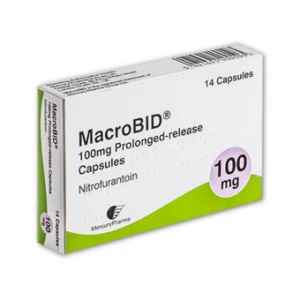
Nitrofurantoin (Macrobid) UTI Antibiotics
- Kills bacteria
- Short course treatment
- Eligible for next-day delivery
Nitrofurantoin in Pregnancy: 3rd Trimester
Nitrofurantoin is generally best avoided in the third trimester. Here’s why:
- Red Blood Cells: There's a small chance that Nitrofurantoin could cause problems with the baby's red blood cells in the third trimester. Most babies will not have this issue, but a different antibiotic may be recommended if you are in the third trimester of pregnancy.
- Contraindications: According to some authorities, the use of Nitrofurantoin is contraindicated in pregnant patients during labour and delivery or when the onset of labour is imminent. Some guidelines also caution against use during the third trimester (38 to 42 weeks' gestation).
- Concerns and Studies: Nitrofurantoin use near-term in pregnancy continues to be of concern for several reasons, including potential links to craniosynostosis and haemolytic anaemia in newborns and foetuses. In essence, the further you progress from the second semester, the more caution should be taken.
Nitrofurantoin Side Effects While Pregnant
Some pregnancy-specific concerns exist. In late pregnancy, there's a small increased risk of neonatal jaundice if taken in the last 30 days before delivery, though this doesn't typically affect overall pregnancy outcomes. There's also a theoretical risk of haemolytic anaemia in newborns due to immature red blood cell enzyme systems, which is why the use near term is generally avoided.
Serious side effects are rare but require immediate medical attention. These include difficulty breathing, severe headache, unusual tiredness, or signs of liver problems. If you experience any concerning symptoms while taking nitrofurantoin during pregnancy, contact your healthcare provider immediately.
Remember that the risks of untreated UTIs during pregnancy – including miscarriage, preterm birth, and preeclampsia – often outweigh the potential risks of antibiotic treatment.
Is Macrobid Safe in Pregnancy?
Macrobid (brand name for Nitrofurantoin) has the same considerations for use during pregnancy. It is generally considered safe, especially in the first and second trimesters. However, specific concerns arise in the third trimester. This is because Macrobid may pose risks to the baby’s red blood cells during this period, so alternative antibiotics may be recommended.
As with Nitrofurantoin, it's essential to consult with healthcare providers to ensure that Macrobid is the right choice for your specific situation during pregnancy.

These guidelines align with the broader considerations for the use of Nitrofurantoin during pregnancy. Macrobid's safety profile makes it a viable option for treating urinary tract infections in pregnant women, but individual circumstances must always be considered.
Nitrofurantoin and Breastfeeding
Nitrofurantoin passes into breast milk in small amounts and is unlikely to cause side effects in the baby. Despite this, it’s best to take Nitrofurantoin only for a short period of time. If you need to take it for longer than a few weeks, talk to your clinician or doctor.
There are some specific considerations regarding Nitrofurantoin and breastfeeding that need to be taken into account, such as:
- General Use: If your doctor or health visitor says your baby is healthy, you can take Nitrofurantoin whilst breastfeeding.
- Infant Considerations: Do not take Nitrofurantoin whilst breastfeeding if your baby has jaundice or glucose-6-phosphate dehydrogenase (G6PD) deficiency. Some experts recommend avoiding use if the infant is younger than 1 month or has G6PD deficiency.
- Excretion into Human Milk: Nitrofurantoin is excreted into human milk in trace amounts. The time of peak milk amounts depends on the food consumed with the drug and the dosage form.
- Other Concerns: If your baby is not feeding as well as usual, has an upset stomach, or has oral thrush (a fungal infection in their mouth), or if you have any other concerns about your baby, talk to your doctor, pharmacist, health visitor, or midwife.
Nitrofurantoin and Fertility
There's no strong evidence to suggest that taking Nitrofurantoin reduces fertility in either men or women. However, research has found that high doses of nitrofurantoin can temporarily affect male fertility. When men were given doses higher than normal for two weeks, 13 out of 36 participants experienced reduced or stopped sperm production.
However, standard treatment doses (100mg twice daily for one week) don't have this effect, so typical use is unlikely to impact male fertility. Even when higher doses do affect sperm production, the changes reverse once the medication is stopped.

Nitrofurantoin and Pregnancy: Frequently Asked Questions
Still have questions about nitrofurantoin and pregnancy? Below are some common FAQs and answers.
Can Nitrofurantoin Affect Pregnancy Tests?
No, nitrofurantoin does not affect pregnancy test results. Pregnancy tests work by detecting human chorionic gonadotropin (hCG), a hormone produced during pregnancy, and nitrofurantoin doesn't interfere with this detection.
Amoxicillin vs Nitrofurantoin in Pregnancy: Which is Safer?
Both amoxicillin and nitrofurantoin are considered relatively safe during pregnancy, but they're used in different situations. Amoxicillin is generally considered safer throughout all trimesters. Nitrofurantoin, on the other hand, is highly effective against most UTI-causing bacteria and has low resistance rates, making it a more effective first-line option for lower urinary tract infections.
Nitrofurantoin (Macrobid) UTI Antibiotics
- Kills bacteria
- Short course treatment
- Eligible for next-day delivery
Nitrofurantoin or Trimethoprim in Pregnancy: Which is Best?
Between nitrofurantoin and trimethoprim, nitrofurantoin is generally preferred during pregnancy, especially in the first trimester. Recent research has found that trimethoprim-sulfamethoxazole (TMP-SMX) was associated with a 35% higher risk of congenital malformations compared to other antibiotics when used in the first trimester.
Reliable Support from Prescription Doctor
If you’re dealing with cystitis, it’s important to know that you don’t have to go through it alone. Prescription Doctor has cultivated a strong reputation for providing specialist guidance and support for a wide range of medical issues, including UTIs, obesity, hair loss, and contraception. We can even help you with quitting smoking.
Since our formation in 2013, we’ve made it our mission to simplify access to healthcare and provide our customers with an unrivalled level of assistance from the comfort of their own homes. With us, there’s no need to wait ages for an appointment or to deal with potentially awkward face-to-face consultations.
Requesting the medication you need is extremely straightforward. Just answer a few medical questions on our online questionnaire, and our experienced clinicians will determine whether your treatment is suitable for your circumstances. Your order is then processed by our General Pharmaceutical Council-registered dispensing pharmacy for delivery straight to your chosen address.
We’re also available to provide ongoing support whenever you have a query, while our clinicians will regularly check in with you to monitor progress and ensure everything is working smoothly. We even have a wealth of information about cystitis on our website, including tips for prevention, why the infection may recur, and how it affects men.
Ready to benefit from our all-encompassing service? Start a consultation today.
Please note that the information provided in this article is for informational purposes only and should not be used as a substitute for professional medical advice, diagnosis, or treatment. Always consult with your healthcare provider for personalised recommendations.
Sources
- NHS: Pregnancy, breastfeeding and fertility while taking nitrofurantoin.
- NHS: Who can and cannot take nitrofurantoin.
- BJCP (2020): Infant drug exposure via breast milk.
- Drugs.com (2024): Nitrofurantoin Pregnancy and Breastfeeding Warnings.
- MotherToBaby (2024): Nitrofurantoin - MotherToBaby | Fact Sheets.
- ACOG (2023): Urinary Tract Infections in Pregnant Individuals.
- CIDRAP (2025): First-trimester antibiotic use for urinary tract infections tied to more congenital malformations.
- UKTIS: USE OF NITROFURANTOIN IN PREGNANCY.
- NHS: Side effects of nitrofurantoin.
- Healthline (2025): Nitrofurantoin: Side Effects and How to Manage Them.
Authored By

Sam Jeans
Medical Content WriterPublished on: 25/08/2023 Re-Published on: 27/01/2026
Reviewed By

Mohamed Imran Lakhi
MPharm - Lead PharmacistReviewed on: 27/01/2026
How We Are Regulated
Payment Options


© 2013 - 2026 Al Muhsineen Limited. All Rights Reserved. Registered Pharmacy: 34 Halliwell Road, Bolton BL1 8RL. Registered Office: 254 First Floor, Shearbrow, Blackburn, England, BB1 8DS


Patient Login
Don't have an account?
Your account will be automatically created after placing your first order.