
What Is Macrobid Used For?
Table of contents:
- What Are Macrobid Tablets For?
- How to Take Macrobid Antibiotics
- Macrobid for UTI: How Quickly Does Macrobid Work?
- Macrobid Didn’t Work For My UTI: Why?
- What If Macrobid Doesn't Work For UTI?
- How Long Do Macrobid Side Effects Last?
- What is Macrobid Used For: Frequently Asked Questions
- A Direct and Discreet Service
Medications come in all shapes and sizes, from tablets and creams to injections and sachets. Each is licensed to treat different conditions and will have its own set of benefits and drawbacks, so having a clear understanding of how each treatment works and which ailment it treats is crucial to making an informed decision about what is best for you.
This article shines a spotlight on Nitrofurantoin, also known by the brand name Macrobid. We’ll explore what the medication is licensed to treat, how effective it is, the potential side effects, and answer some frequently asked questions. So, what is Macrobid used for? Let’s find out.
What Are Macrobid Tablets For?
Macrobid (nitrofurantoin) is an antibiotic used to treat urinary tract infections (UTIs), such as cystitis. UTIs are bacterial infections of the bladder or urethra. Macrobid is effective at killing the bacteria that cause UTIs and is usually taken as a capsule.
It’s worth noting that UTIs can also affect the kidneys, though Macrobid is not suitable for treating kidney infections, as we’ll discuss in more detail later.
How Effective is Macrobid for UTIs?
Macrobid has been proven to be highly effective for treating uncomplicated UTIs. International studies have recorded cure rates between 79% to 92% when taken for 5-7 days. In the UK, a shorter 3-day treatment course is recommended for non-pregnant women with uncomplicated UTIs, and a 7-day course to tackle cystitis in men.
The rationale behind this decision is to use the shortest treatment duration to minimise the risk of antibiotic resistance. According to data from the UK Health Security Agency (UKHSA), nitrofurantoin’s E.coli resistance level was around 2% in December 2025. This compares favourably with trimethoprim, where resistance stood at around 30%.

How to Take Macrobid Antibiotics
Macrobid is usually taken twice daily. Like any antibiotic, it’s very important to take Macrobid exactly as directed by your healthcare provider and to finish the entire course of treatment, even if your symptoms improve.
Please note that Macrobid is not effective against all bacterial species and is not a suitable treatment for viral infections, such as the common cold or influenza. If you have an infection that is not responding to Macrobid treatment, contact your healthcare provider for further evaluation and guidance.
Macrobid for UTI: How Quickly Does Macrobid Work?
How quickly Macrobid works for UTIs depends on several factors, including the severity of the infection and your overall health. Some individuals may begin to feel better within a few days of initiating treatment, while others may take a bit longer to experience improvement.
Macrobid reaches peak urinary concentrations within 30 minutes to 2 hours after administration, indicating it begins to work almost immediately. However, it's essential to complete your full treatment course even if you feel better, as stopping early can allow bacteria to survive and potentially develop resistance.

Macrobid Didn’t Work For My UTI: Why?
If Macrobid didn’t work for your UTI, there are several possible reasons. These include:
- The infection is caused by bacteria resistant to Macrobid: Macrobid is not effective against all bacteria. Some strains may be naturally resistant, including Proteus, Pseudomonas, and certain Klebsiella species. If your UTI is caused by resistant bacteria, the medication may not work.
- You have not taken the medication as prescribed: It's crucial to take Macrobid exactly as directed and finish the entire course. Taking it irregularly, missing doses, or stopping early can stop it from working.
- You didn't take it with food: Macrobid's absorption increases by up to 40% when taken with food. Taking it on an empty stomach significantly reduces its effectiveness.
- You have a severe or complicated UTI: Macrobid doesn't reach high concentrations outside the bladder. If your infection has spread to your kidneys (pyelonephritis) or involves other complications, Macrobid may not be suitable.
- You have underlying urinary tract issues: Anatomical abnormalities, kidney stones, or other structural problems can prevent antibiotics from fully clearing the infection.
What If Macrobid Doesn't Work For UTI?
If Macrobid doesn't work for your UTI, you should contact your clinician immediately for further evaluation. Your healthcare provider will likely take several steps:
- Request a urine culture: This test identifies the specific bacteria causing your infection and determines which antibiotics it's sensitive to. This ensures you receive the most effective treatment.
- Prescribe an alternative antibiotic: Depending on your urine culture results, your doctor may prescribe a different antibiotic, such as trimethoprim or fosfomycin. For severe or complicated UTIs, you may need different types of antibiotics or intravenous antibiotics.
- Investigate underlying causes: If you experience recurrent treatment failures, your clinician may order imaging tests (ultrasound or CT scan) to check for urinary tract abnormalities, kidney stones, or blockages that could be preventing effective treatment.
Don't try to self-treat with leftover antibiotics or switch medications on your own. Proper medical evaluation ensures you receive appropriate treatment and prevents complications like kidney infection or sepsis.
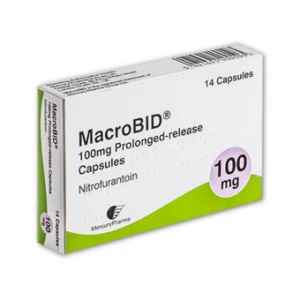
Nitrofurantoin (Macrobid) UTI Antibiotics
- Kills bacteria
- Short course treatment
- Eligible for next-day delivery
How Long Do Macrobid Side Effects Last?
How long Macrobid side effects last can depend on several factors, including the side effect itself, your individual response to the medication, and your overall health.
Some people may experience side effects that resolve quickly after starting treatment, whereas others may experience side effects that persist for longer. It’s still considered a “relatively safe” drug compared to many alternatives.
Common side effects of Macrobid include:
Less common side effects of Macrobid include:
- Rash
- Itching
- Hives
- Swelling of the face, lips, tongue, or throat
If you experience any side effects while taking Macrobid, you should contact your healthcare provider for further evaluation and guidance. They can help you determine the best course of action based on your specific situation.
It is important to note that everyone reacts differently to medications and that not everyone will experience side effects. If you do experience side effects, they may be mild and resolve on their own, or they may be more severe and require medical attention. A more expansive explanation of side effects and contraindications is available on the Macrobid product page.

What is Macrobid Used For: Frequently Asked Questions
Wondering what Macrobid can and cannot treat? Here are answers to common questions about this antibiotic's uses and limitations.
Is Macrobid Used for STIs?
No, Macrobid is not used in the treatment of sexually transmitted infections (STIs). Macrobid is specifically designed to concentrate in the urine to fight urinary tract infections such as cystitis. STIs like chlamydia, herpes, gonorrhoea, and genital warts require different treatments.
Prescription Doctor has a range of medications for STIs and STDs, while you can also discreetly order testing kits if you have any concerns.
Can Macrobid Be Used for Strep Throat?
No, Macrobid should not be used for strep throat. Strep throat is caused by Streptococcus bacteria in the throat and requires antibiotics that can reach effective concentrations in the throat tissue and bloodstream. Macrobid reaches therapeutic levels only in the urinary tract and doesn't distribute well to other tissues.
Is Macrobid Used for Kidney Infections?
No, Macrobid is not suitable for treating kidney infections (pyelonephritis). While it's effective for bladder infections, Macrobid doesn't reach adequate concentrations in the upper urinary tract or kidney tissue. Kidney infections are more serious and require antibiotics with broader tissue distribution, such as cephalosporins, or, in severe cases, given intravenously.
If you have symptoms like fever, back pain, nausea, or vomiting alongside UTI symptoms, seek immediate medical attention as these may indicate a kidney infection.
Is Macrobid Used for Tooth Infections?
No, Macrobid is not appropriate for tooth infections (dental abscesses). Tooth infections require antibiotics that can penetrate dental and gum tissue effectively. Since Macrobid concentrates specifically in urine, it doesn't reach therapeutic levels in oral tissues. Dental infections are typically treated with amoxicillin, clindamycin, or metronidazole. See your dentist for proper treatment of tooth infections.
Can Macrobid Be Used for BV (Bacterial Vaginosis)?
No, Macrobid is not effective for treating bacterial vaginosis. BV is caused by an overgrowth of vaginal bacteria and requires different antibiotics that target these specific organisms. BV is typically treated with metronidazole or clindamycin, which can be taken orally or applied as vaginal gel or cream.

These antibiotics effectively reach vaginal tissue at therapeutic concentrations, unlike Macrobid, which is designed exclusively for urinary tract infections.
A Direct and Discreet Service
If you’re dealing with a UTI, such as cystitis, we understand that you’ll want a swift and confidential resolution. That’s exactly what our service is designed to deliver.
With us, there’s no lengthy waiting time for a GP appointment or a potentially awkward face-to-face meeting with a pharmacist. You can simply complete our online questionnaire at any time, from your own home, and we’ll take care of the rest.
Our clinicians will review your information to determine whether Macrobid is suitable for your circumstances before issuing a prescription that is dispensed by our General Pharmaceutical Council-registered pharmacy for dispatch in plain, discreet packaging. Orders approved before 3pm on a weekday are also eligible for next-day delivery. It’s that straightforward.
The service doesn’t just stop there, either, as our clinicians will regularly check in with you to monitor progress and are available to answer any queries you may have. We also have a wealth of information on our website about cystitis, including symptoms to watch for, how the condition affects men, and prevention tips.
Ready to start your treatment? Begin a consultation with Prescription Doctor today.
Sources
- NCBI StatPearls (2023): Nitrofurantoin.
- PMC (2023): Nitrofurantoin: properties and potential in treatment of urinary tract infection: a narrative review.
- NICE (2023): Urinary tract infections in adults.
- UKHSA: Antimicrobial resistance in Escherichia coli (E. coli) bacteriuria.
- NCBI StatPearls (2024): Complicated Urinary Tract Infections.
- BJGP (2023): Nitrofurantoin failure in males with an uncomplicated urinary tract infection.
- INCHEM: Nitrofurantoin (PIM 377).
- NCBI Bookshelf: Empiric Antibiotic Therapy for Uncomplicated Lower Urinary Tract Infections.
- PMC (2019): Nitrofurantoin and fosfomycin for resistant urinary tract infections.
Authored By

Sam Jeans
Medical Content WriterPublished on: 09/01/2023
Reviewed By

Mohamed Imran Lakhi
MPharm - Lead PharmacistReviewed on: 10/03/2026
How We Are Regulated
Payment Options


© 2013 - 2026 Al Muhsineen Limited. All Rights Reserved. Registered Pharmacy: 34 Halliwell Road, Bolton BL1 8RL. Registered Office: 254 First Floor, Shearbrow, Blackburn, England, BB1 8DS


Patient Login
Don't have an account?
Your account will be automatically created after placing your first order.