
Cystitis Symptoms: What You Should Know
Table of contents:
- What Can Cause Cystitis?
- What are the Symptoms of Cystitis?
- How Long Do Cystitis Symptoms Last?
- Can I Test for Cystitis?
- Do I Need to See a Doctor for Cystitis?
- Can You Treat Cystitis at Home?
- Can I Take Antibiotics to Treat Cystitis?
- Cystitis Symptoms Frequently Asked Questions
- Discreet, Delicate, and Direct Support
Cystitis is a common urinary tract infection (UTI) that is most prevalent in women, but can also affect men. It can be a difficult condition to deal with, given that it is prone to recurrence and is often something people feel embarrassed talking about.
One thing that can help you overcome the infection quickly is to understand the potential cystitis symptoms you may experience. With this in mind, we explore potential warning signs of the condition, how long symptoms last, and whether or not you need to see a doctor. Let’s get started.
What Can Cause Cystitis?
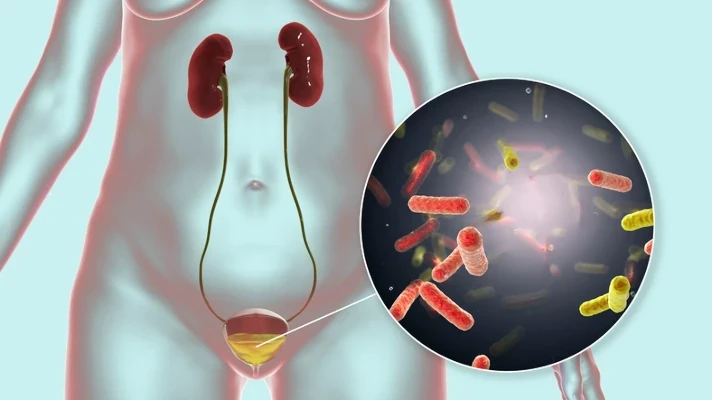
Cystitis (inflammation of the bladder) is most commonly caused by a bacterial infection. The infection develops when bacteria from faeces, usually E.coli, enter the urinary tract and travel to the bladder. Women are more susceptible to these kinds of infections than men because they have a shorter urethra, making it easier for bacteria to reach the bladder.
Other factors that may increase your risk of cystitis include:
- Having sex
- Using urinary catheters
- Using spermicide
- In women, wiping back-to-front when using the toilet
- Other medical conditions that can block the urinary tract (such as kidney stones)
- Conditions that prevent proper emptying of the bladder (e.g., enlarged prostate in men)
- Pregnancy
- Being post-menopausal
- Having diabetes
- A weakened immune system
What are the Symptoms of Cystitis?
The type of infection that leads to cystitis is called a urinary tract infection (UTI). UTIs happen when bacteria from the bowel enter the urethra. The bacteria then travel up the urethra to the bladder, where they cause the inflammation that characterises cystitis. Some of the most common cystitis symptoms include:
- An urgent and frequent need to urinate
- A burning or stinging sensation when passing urine
- Cloudy or strong-smelling urine
- Blood in the urine
- Feeling tired or weak
- Pain in the lower abdomen
Cystitis Symptoms in Females
Women have shorter urethras than men and, as such, are at greater risk of UTIs and cystitis. Around 60% of women get at least one UTI in their lifetime, and they are 20 to 40 times more likely than men to develop cystitis.
Common cystitis symptoms in women include needing to urinate more frequently and urgently than usual, a burning or stinging sensation when urinating, and dark, cloudy, or strong-smelling urine. 10-20% of women with cystitis also experience lower abdominal pain or tenderness just above the pubic bone.
Cystitis Symptoms in Males
Cystitis is less common among males, and most cases manifest in men over 60 due to prostate conditions. For example, an enlarged prostate (Benign Prostatic Hyperplasia) can put pressure on the urethra and prevent the bladder from fully emptying. This allows urine to stagnate in the bladder, creating ideal conditions for bacterial growth.
The symptoms of cystitis in men are similar to those seen in women, with the most common including painful urination, more frequent or urgent urination, and cloudy or smelly urine. Men with enlarged prostates may also pass only small amounts of urine and feel as though the bladder is not empty after urination.
Cystitis in men may also lead to prostatitis, or infection of the prostate gland. Prostatitis may cause additional symptoms, including pain in the stomach, groin, lower back, perineum, penis, and testicles.
How Long Do Cystitis Symptoms Last?
Mild cases of cystitis usually get better on their own, with symptoms disappearing completely within a few days. If the infection doesn’t improve after 48 hours, you should seek medical attention. Doctors can perform tests to diagnose cystitis and, if required, prescribe antibiotics to target the bacterial infection.
Cystitis is usually treated with a 3-day course of antibiotics, and the symptoms typically pass within 3-5 days of starting treatment. In the meantime, drinking plenty of fluids and using over-the-counter painkillers (such as paracetamol and ibuprofen) can help improve cystitis symptoms.
Can I Test for Cystitis?
If you think you have cystitis, you can contact your GP for diagnostic tests. Unfortunately, this can be a lengthy process, as securing an appointment can take days or weeks in some areas. Given the discomfort and disruption to daily life caused by cystitis symptoms, many people are understandably anxious to have the infection confirmed and treated.
If you want to get checked for cystitis right away, you may consider ordering a test kit online. SELFCheck UTI tests detect three key indicators of infection in urine and provide results in minutes. If you test positive for a urinary infection, you may need to take a course of antibiotics to clear it up.
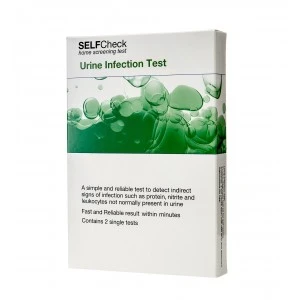
SELFCheck Urine Infection Test
- Results in minutes
- Easy to use
- No need to send a sample to a lab

Price : £9.99
Do I Need to See a Doctor for Cystitis?
You may not need to see a GP for cystitis, especially if you are a woman and have had the infection before. If in doubt, a pharmacist may be able to offer advice or, if necessary, a prescription under the Pharmacy First scheme.
However, you should seek medical attention urgently if you have cystitis symptoms and:
- Are aged 65 or older
- Have a fever or a very low temperature
- Are a man, or assigned male at birth
- Have diabetes
- Have severe symptoms, symptoms that worsen quickly, or symptoms that do not improve within 48 hours of starting treatment
- Have recurrent UTIs (i.e., 2 within 6 months, or 3 within 12 months)
- Use a catheter
- Are pregnant
- Have pain in your lower belly or back, just under the ribs
- See blood in your urine
- Have a weakened immune system
- Symptoms have not improved after 48 hours
Some of these symptoms can indicate a kidney infection, which, if left untreated, can lead to sepsis (a life-threatening reaction to infection).
Can You Treat Cystitis at Home?
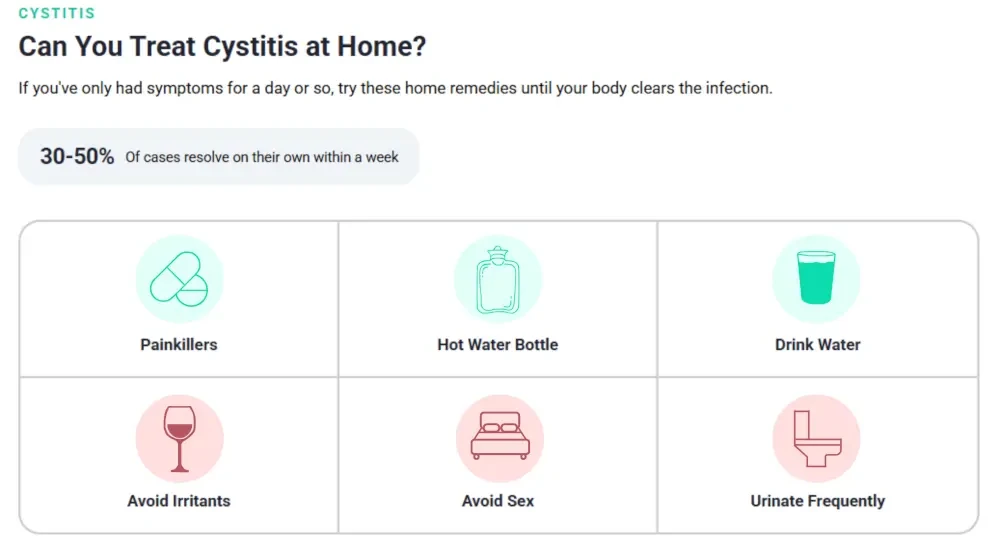
30-50% of cystitis cases resolve on their own within a week, without antibiotics. If you’ve only had symptoms for a day or so, you can try to make yourself comfortable using home remedies until your body clears the infection:
- Use over-the-counter painkillers (like paracetamol and ibuprofen) to reduce pain
- Apply a hot water bottle to your lower belly
- Drink plenty of water
- Avoid drinks that may irritate the bladder (such as alcohol, coffee, and fruit juices)
- Avoid having sex
- Urinate frequently
If your symptoms worsen or persist for more than a few days, reach out to a healthcare professional or use a home urine infection test kit to check for cystitis. Infections that don’t resolve by themselves usually require treatment with antibiotics.
Can I Take Antibiotics to Treat Cystitis?
Cystitis is a bacterial infection, so antibiotics are the first-line treatment for cases that don’t resolve on their own. The two main antibiotics used to treat cystitis are trimethoprim and nitrofurantoin.
- Trimethoprim: Trimethoprim is an antibiotic primarily used to treat cystitis and other urinary tract infections (UTIs). It comes in tablet form, and the standard treatment for uncomplicated cystitis in women is 200 mg twice daily for 3 days. Doctors usually direct men and pregnant women with cystitis to take trimethoprim for 7 days.
- Nitrofurantoin: Nitrofurantoin is an oral antibiotic that, like trimethoprim, is used to treat uncomplicated UTIs. The standard dose for treating UTIs in adults is either 100 mg twice daily or 50 mg 4 times daily for 3 days.
Women with mild cystitis may get short-term relief from symptoms with over-the-counter remedies such as CanesOasis. These sachets contain sodium citrate, a salt that alters urine pH and neutralises acidic urine. This can help to reduce bladder irritation and address painful urination in as little as 12 hours.
CanesOasis is formulated for women and isn’t suitable for use by men. It also does not contain antibiotics and is ineffective for the treatment of severe or recurring UTIs.
Cystitis Symptoms Frequently Asked Questions
Here, we’ll discuss some of the most common queries surrounding cystitis, including how cystitis differs from UTIs, what causes non-infectious cystitis, how to relieve the symptoms, and the role of cranberry juice in preventing bladder infection.
Cystitis vs UTI Symptoms: What’s the Difference?
Cystitis can occur in two forms (infectious and non-infectious), whereas, by definition, UTIs are always infectious. Infectious cystitis is a specific type of UTI in which the bladder becomes inflamed, leading to painful, frequent, and urgent urination. This is different to general UTIs, which can affect all parts of the urinary system, including the urethra (urethritis) or kidneys (kidney infection).
A general UTI can cause the same symptoms as cystitis, but it often adds fever, chills, nausea, vomiting, and weakness. UTIs that affect the kidneys may also cause back pain just below the ribs.
How to Relieve Cystitis Symptoms
People with mild cystitis can often relieve their symptoms with home remedies and over-the-counter treatments. For example, drinking plenty of water and using painkillers like paracetamol and ibuprofen can help to address lower abdominal pain and painful urination. Avoiding drinks that irritate the bladder, like alcohol and coffee, can also help to reduce symptoms.
Other medicines, like CanesOasis, can help to reduce bladder irritation in women by making urine less acidic. However, severe or recurrent cystitis infections can only be treated with prescription antibiotics. If you have cystitis symptoms that don’t improve within a few days using at-home treatments, make an appointment with a licensed clinician for further advice.
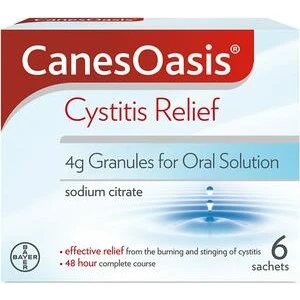
CanesOasis Cystitis Relief
- Rapid relief from burning and stinging during urination
- Restores normal urinary balance by reducing urine acidity
- Formulated for women only, not suitable for men
Price : £6.99
I Have Cystitis Symptoms But No Infection: What Do I Do?
If you have cystitis symptoms but no infection, you may have non-infectious cystitis, such as bladder pain syndrome (also known as interstitial cystitis). Bladder pain syndrome (BPS) causes all the same symptoms as infective cystitis, but it isn’t caused by bacteria. Instead, it can result from autoimmunity or from bladder wall problems that make it sensitive to substances in urine.
If you have BPS, you may be able to relieve symptoms by drinking plenty of water, urinating frequently, and using over-the-counter painkillers. Persistent BPS may require medical tests (such as blood tests, urine tests, physical examinations, or ultrasounds) to diagnose and treat the underlying cause.
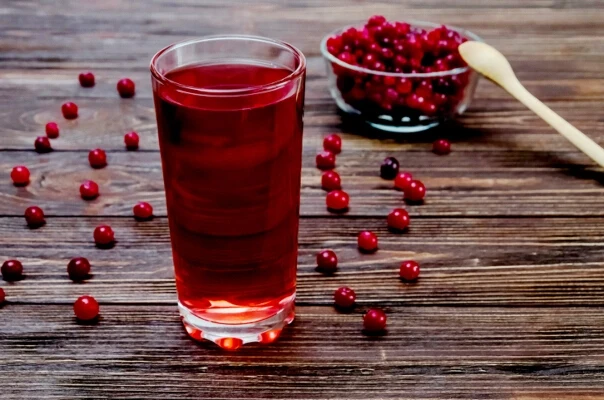
Does Cranberry Juice Help Cystitis Symptoms?
Cranberry juice is not an effective treatment for cystitis symptoms. However, cranberries may help prevent the bacterial infections that lead to cystitis and other UTIs, particularly among people with recurrent infections. Substances in cranberries, called proanthocyanidins, can stop bacteria from sticking to the bladder wall, making it harder for cystitis-causing pathogens to multiply in the bladder and cause inflammation.
Therefore, drinking pure cranberry juice may help to keep your bladder healthy, especially if you have frequent UTIs.
Can Anxiety Cause Cystitis Symptoms?
Anxiety and stress do not cause urinary tract infections that lead to cystitis, but they can cause symptoms that mimic or exacerbate cystitis. One study found that long-term stress can affect urinary function and aggravate symptoms affecting the lower urinary tract, especially in people with overactive bladder (OAB) or BPS.
Other studies have reported that people with lower urinary tract disorders are also more likely to have anxiety and depression.
Discreet, Delicate, and Direct Support
Dealing with a medical condition such as cystitis can sometimes seem like a lonely experience. You may be embarrassed to seek assistance or not want the hassle of waiting days or even weeks for potentially awkward face-to-face appointments. The good news is that help is at hand.
At Prescription Doctor, we’ve made it our mission to take the hassle out of obtaining the healthcare you need. With us, you can complete a consultation at any time, from the comfort of your own home. Simply fill out a brief online questionnaire with your medical history and any other medications you may be taking, and we’ll take care of the rest.
Our experienced clinicians will review your information to assess whether your chosen medication is recommended for your circumstances before passing your order to our General Pharmaceutical Council-registered pharmacy for dispatch in plain, discreet packaging. If approved before 3pm on a weekday, your treatment will also be eligible for next-day delivery. It’s that straightforward.
We don’t stop there, either, as you can get in touch with us with any queries you may have about your treatment. Our clinicians will also keep in regular contact to monitor progress and ensure everything is working as planned. Meanwhile, the Prescription Doctor website has a library of information on UTIs, including top tips for prevention.
If you need help with your cystitis symptoms, Prescription Doctor is ready and waiting. Start a consultation today.
Sources
NIH (2023): Cystitis.
NHS (2022): Cystitis.
NICE (2025): Urinary tract infection (lower): antimicrobial prescribing.
NIH (2025): Acute Cystitis.
PubMed (2024): Comprehensive insights into UTIs: from pathophysiology to precision diagnosis and management.
BMJ (2026): Benign prostatic hyperplasia.
Bupa (2026): Cystitis.
Mayo Clinic (2025): Prostatitis.
NHS Inform (2026): Cystitis.
NHS Inform (2026): Urinary tract infection (UTI).
NHS (2025): Urinary tract infections (UTIs).
NIH (2023): Acute cystitis: Research summaries – How effective are antibiotics in treating acute cystitis?
NHS (2025): How and when to take trimethoprim.
NHS (2023): Nitrofurantoin.
NHS (2026): How and when to take nitrofurantoin.
NI Direct: Cystitis.
NHS (2025): Bladder pain syndrome (BPS).
BBC (2023): Does cranberry juice stop cystitis?
PubMed (2025): Cranberry-derived bioactives for the prevention and treatment of urinary tract infections: antimicrobial mechanisms and global research trends in nutraceutical applications.
Frontiers (2022): The Effect of Chronic Psychological Stress on Lower Urinary Tract Function: An Animal Model Perspective.
Authored By

Kate Latham
Medical Content WriterPublished on: 26/02/2026
Reviewed By

Mohamed Imran Lakhi
MPharm - Lead PharmacistReviewed on: 26/02/2026
How We Are Regulated
Payment Options


© 2013 - 2026 Al Muhsineen Limited. All Rights Reserved. Registered Pharmacy: 34 Halliwell Road, Bolton BL1 8RL. Registered Office: 254 First Floor, Shearbrow, Blackburn, England, BB1 8DS


Patient Login
Don't have an account?
Your account will be automatically created after placing your first order.