
How Long Does Finasteride Take to Work?
Experiencing hair loss can be quite a stressful time for men, potentially leading to a dip in confidence. The good news is, however, that you’re not alone. Certain medications have been clinically proven to help with the problem, and you can also find support from experienced clinicians to guide you on your way.
Finasteride is one such treatment. Licensed for men aged 18-41, it is only available on private prescription in the UK, so you can’t get it on the NHS. But exactly how does it help, how effective is it, and how long does Finasteride take to work?
Join us as we answer all of these questions and more, so you can make a more informed decision about whether Finasteride is right for you. Let’s get started.
How Does Finasteride Help With Hair Loss?
Finasteride is a type 2 5α-reductase inhibitor that lowers dihydrotestosterone (DHT) levels in the scalp. DHT is the hormone that causes male pattern baldness because it reduces the size of the hair follicles until they no longer produce hair.
By blocking the conversion of testosterone to DHT, finasteride can reverse hair loss and even promote new hair growth. Research shows that after 5 years of taking finasteride 1 mg tablets daily, 48% of men rated their hair growth as improved, while 42% reported no further hair loss.
How Quickly Does Finasteride Work?
Finasteride begins to lower DHT levels almost straight away, but it can take 3 to 6 months before you notice an improvement in your hair's appearance. That’s because hair follows a cycle, so it can take at least 3 months for hair to grow back and for the follicle to return to its full growth phase.
Hair growth occurs in 4 phases:
- Anagen: Active growth phase where cells divide quickly at the root to create new hair. This phase can last 3 to 7 years, but sometimes longer.
- Catagen: A short phase that lasts 10 to 14 days during which hair stops growing, is no longer attached to the blood supply, and the follicle shrinks in size.
- Telogen: The resting phase, lasting about 3 months. Here, the follicle lies dormant, and 10 to 15% of hairs can be in this phase at the same time.
- Exogen: The shedding phase. This is where old hair falls out to make way for new, younger, healthier hair.
Because it takes several months for new hair to grow from the root to a visible length, finasteride isn’t an overnight solution for hair loss. However, over time, you will notice a gradual improvement in the overall appearance of your hairline.
Early Signs Finasteride is Working
Early signs that finasteride is working for hair loss usually appear within the first 3 to 6 months of starting treatment. The signs include reduced shedding, increased hair density, and a stabilised hairline and crown. You may notice a higher rate of hair shedding in the first few weeks of use as your hair follicles reset, but this is only temporary.
How Long For Finasteride to Work: Results Timeline
If you’re considering finasteride, you're likely experiencing hair loss or are unhappy with the appearance of your hairline. Finasteride starts working immediately, but results may take some time to become apparent. It's important to understand what to expect before you start treatment so you don’t stop too soon.
In this section, we’ll outline what to expect if you choose to start finasteride for hair loss.

3 Month Finasteride Results
From the moment you start finasteride, it begins working, with research showing it can lower scalp DHT levels by 61.4% and serum DHT levels by 71.4%. However, in the first 3 months of treatment, you may not notice many, if any, changes; this does not mean finasteride is not working. Your hair needs to grow before the results of finasteride become obvious.
It’s important that you continue finasteride treatment, even if you don't notice any results in the initial stages. Stopping treatment early means you are unlikely to see any improvements.
Finasteride Results After 6 Months
After 6 months, you will see better results. One study found that after 12 weeks, there was a significant improvement in male pattern hair loss, and after 48 weeks, 58% of men had improved hair growth with finasteride 1 mg tablets.
After 48 weeks, the anagen-to-telogen ratio improved by 47% in men treated with finasteride compared with placebo. This indicates that finasteride can help hair follicles transition into an active growth phase.
1 Year Finasteride Results
After 1 year of consistent finasteride use, you should notice an improvement in your hair's appearance. An early study found a significant increase in hair growth on the frontal scalp after 12 months.
Everyone is different, so it may take longer for finasteride to have a noticeable effect on hair growth and thickness. However, you may notice that you are losing less hair than before. If you don’t think your hair appearance has improved after 12 months, you should speak to your clinician about alternative hair loss treatments.
Long-Term Effects of Finasteride
The best results with finasteride are achieved when it is used daily for an extended period. 5-year studies have shown that finasteride is effective in up to 90% of men, with 1mg per day resulting in:
- 48% of men have improved hair growth
- 42% of men have no additional hair loss
In a 10-year Japanese study, finasteride improved hair loss or prevented further hair loss in 91.5% and 99.1% of men, respectively. The study also found that starting finasteride early in androgenetic alopecia (male pattern baldness) is more effective.
Does Finasteride Work for Everyone?
No, finasteride does not work for everyone, with clinical trials showing that it works for around 90% of men with male pattern baldness. It’s also not suitable for women with female pattern baldness, but there are treatments available for this.
Some of the common reasons finasteride does not work for all men include:
- Advanced stages of balding: If your hair follicles have already been destroyed, finasteride cannot restore them.
- Wrong type of hair loss: Finasteride is for androgenetic alopecia (male pattern baldness); it will not work for other types of hair loss.
- Not using it properly: If you do not use finasteride exactly as prescribed or are inconsistent in use, it will not work effectively.
If finasteride isn’t working for you, speak to your clinician about alternative hair loss treatments.

How to Improve Finasteride Results
It’s easy to take finasteride: take one pill every day consistently. There are also steps you can take to support its effectiveness. From simple lifestyle changes to tracking your progress with photos, here are some ways to get the most out of finasteride for hair loss.
- Take finasteride alongside minoxidil: Combining the two is more effective than using finasteride alone. Minoxidil is an over-the-counter topical solution, available under the brand name Regaine, and clinical trials show that using both improves male pattern hair loss in more than 94% of men.
- Eat a healthy diet: A balanced diet rich in iron, zinc, protein, and vitamins D and B12 can help support hair health. You should be wary of excessive supplementation with vitamins A and E and minerals such as selenium, which can cause hair loss.
- Be consistent: Take finasteride exactly as your clinician prescribes, as it will only be effective if used consistently.
- Monitor progress: Take photos of your hairline, crown, and other areas that are affected by hair loss each month. This will provide a benchmark and make it easier to track your progress with finasteride.
- Avoid harsh hair care routines: Where possible, avoid harsh chemicals, excessive heat styling, and tight hairstyles that can cause damage.
Remember, it can take several months to see visible results with finasteride, so it is important to continue the treatment and avoid stopping too early. If you’re concerned or don’t feel like you’re getting the results you expected, speak to your clinician for more advice.
Frequently Asked Questions
Hair loss can be worrying and can cause stress and anxiety, but there are treatments like finasteride available that can improve your appearance. Before you begin treatment, it’s possible that you have questions about how it works and what results you might expect. Here, we answer some of the most common questions about finasteride.
What Happens After 1 Month of Finasteride?
It’s unlikely you will see any visible effects from finasteride after 1 month, but it's already working to lower scalp DHT levels. Some people notice increased hair shedding in the first few weeks to months of treatment, but this is temporary: weak hairs shed to make way for new growth.
Does Everyone Shed on Finasteride?
No, not everyone experiences shedding when they take finasteride, but it is a common, temporary side effect. It’s usually a sign that the medication is working and happens during the first few weeks to months of treatment as hair follicles move from a resting phase to a growth phase. This forces old, weak hair to shed, making way for new, healthier growth.
Can Finasteride Grow New Hair?
Yes, finasteride can help regrow new hair for many men with male pattern baldness. Studies have shown that after 1 year of finasteride treatment, 48% of men had improved hair growth, while 83% had no further hair loss, compared with 28% on placebo.
Finasteride works by blocking DHT in the scalp, which shrinks hair follicles and causes hair loss. It is more effective when started early, but results can vary, and hair loss is likely to return if treatment is stopped.
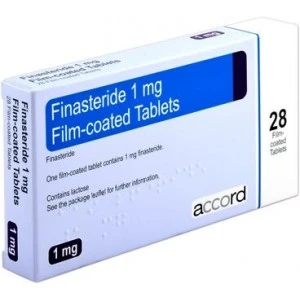
Finasteride
- Slows hair loss
- Promote hair growth
- Available from a UK-registered pharmacy
Does Finasteride Speed Up Hair Growth?
No, finasteride does not directly speed up hair growth, but it can support regrowth and increase hair density. After 2 years, finasteride improved hair growth in 66% of people, compared with 7% on placebo. It can take several months of consistent finasteride use before you notice improvements in your hair.
A Consultation Service Built Around You
Finding the right support for conditions like hair loss can be challenging. If you’re dealing with confidence issues, for example, the last thing you may want is a face-to-face consultation. You deserve healthcare support on your terms. This is what Prescription Doctor offers.
With us, you can complete an online consultation from the comfort of your home, at any time. We operate on your schedule. Your information is then reviewed by our experienced clinicians to determine whether Finasteride is right for your circumstances. Approved orders are then dispatched by our General Pharmaceutical Council-registered pharmacy in plain packaging for complete discretion. Anything accepted before 3pm on a weekday is also eligible for next-day delivery, giving you swift access to your medication.
That’s not the end of our service either, as our clinicians are on hand to answer any questions about your medication or treatment schedule. They will also check in with you to monitor progress and ensure everything is working as expected. In addition, you can find a library of information on our website about Finasteride, such as how to reduce side effects and what happens if you stop taking the treatment. We offer a holistic service that you can rely upon, so it’s no wonder that we’re highly rated on Trustpilot.
Ready to let us help you along your journey? Start a consultation today.
Sources
- Dermatology Practical and Conceptual (2017): Diet and hair loss: effects of nutrient deficiency and supplement use.
- Dermatologic Therapy (2015): Combined treatment with oral finasteride and topical minoxidil in male androgenetic alopecia: a randomized and comparative study in Chinese patients.
- PubMed (1999): Finasteride: a review of its use in male pattern hair loss.
- EMC (2025): Finasteride 1mg tablets.
- European Journal of Dermatology (2004): Finasteride in the treatment of Japanese men with male pattern hair loss.
- PubMed (1999): The effects of finasteride on scalp skin and serum androgen levels in men with androgenetic alopecia.
- Journal of Clinical Medicine (2023): Integrative and Mechanistic Approach to the Hair Growth Cycle and Hair Loss.
- Journal of Investigative Dermatology Symposium Proceedings (2003): Use of Finasteride in the Treatment of Men With Androgenetic Alopecia (Male Pattern Hair Loss).
- Journal of the American Academy of Dermatology (1999): Finasteride in the treatment of men with frontal male pattern hair loss.
- NHS (2023): Common questions about finasteride.
- Open Access Text (2019): Long-term (10-year) efficacy of finasteride in 523 Japanese men with androgenetic alopecia.
Authored By

Leanne Edermaniger
Medical Content WriterPublished on: 23/10/2019
Reviewed By

Mohamed Imran Lakhi
MPharm - Lead PharmacistReviewed on: 20/03/2026
How We Are Regulated
Payment Options


© 2013 - 2026 Al Muhsineen Limited. All Rights Reserved. Registered Pharmacy: 34 Halliwell Road, Bolton BL1 8RL. Registered Office: 254 First Floor, Shearbrow, Blackburn, England, BB1 8DS


Patient Login
Don't have an account?
Your account will be automatically created after placing your first order.