
Am I Going Through Menopause? 34 Menopause Symptoms
Menopause is a pivotal event in women’s lives, due to its wide-reaching impact and the significant changes involved. If you’re approaching menopause or would like to better understand what to expect, researching potential symptoms is crucial. While not everyone might experience the same things, it’s still worth finding out as much information as possible.
In this article, we’ll answer important questions such as “Am I going through menopause?” and “What are the 34 symptoms of menopause?”, as well as discuss some early signs to be aware of and explore the different medications you can take. Let’s begin.
START YOUR MENOPAUSE CONSULTATION TODAY
What Does Menopause Mean?
Menopause is a natural part of the female ageing process and describes the stage in a woman’s life when her periods stop. This change is permanent, and women can no longer get pregnant after menopause. The time leading up to menopause is called perimenopause, or the menopausal transition.
Some women experience a variety of menopausal symptoms, while others have mild symptoms or none at all. Many people consider the perimenopausal stage part of menopause, but true menopause isn’t confirmed until at least one year has passed since a woman’s last period.
At What Age Does Menopause Begin?
Menopause usually begins between the ages of 45 and 55. However, it can happen earlier than this and may not be age-related. Premature menopause, defined as occurring before the age of 40, and early menopause, which affects women from 40 to 44, have several possible causes.
For example, some women experience early menopause because of surgeries that remove the womb (hysterectomy) or ovaries (oophorectomy). Early menopause may also be triggered by chemotherapy or genetic factors. Other potential contributors to premature and early menopause include:
- Smoking
- High blood pressure
- Thyroid disease

What are the 1st Signs of Menopause?
Menopause symptoms can vary significantly between women, making it harder to establish when the menopausal transition has begun. However, the early signs of menopause commonly include:
- Changes in the regularity of periods
- Hot flashes
- Night sweats
- Bladder incontinence
- Sleep problems
- Vaginal dryness
- Mood changes
- Brain fog
Not all women experience menopause symptoms, but around 75% have them to some degree. For some women, these symptoms are mild and can be managed with small lifestyle adjustments, while for others, they are more severe. The symptoms of menopause last an average of 7 years, though they can continue for over 10 years in some women.
What are the 34 Symptoms of Menopause?
The symptoms of menopause are diverse, and not every woman has the same experience. There are around 34 menopause symptoms, ranging from physical issues (like hot flashes and headaches) to emotional and cognitive problems (such as mood swings and memory loss).
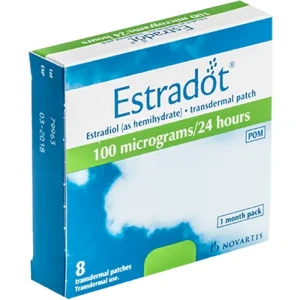
Estradot
- Relieves hot flushes and night sweats
- Transdermal patch worn twice weekly
- Discreet and easy to use
1. Hot Flashes
Hot flashes, the most common type of menopause vasomotor symptom, are sudden, short bursts of heat that cause redness and flushing around the face, neck and chest. This can be very uncomfortable, and some women find hot flashes disrupt their daily lives. For some people, small changes in their daily routine can help manage hot flashes. However, others may require hormonal or non-hormonal medications to reduce their symptoms.
2. Period Changes
Changes in periods are a common sign of perimenopause and a result of fluctuating hormone levels. As women enter the menopausal transition, their ovaries start producing different amounts of oestrogen and progesterone, which play key roles in regulating menstruation.
Your periods may become less regular, with cycles that are heavier, lighter, longer, or shorter than they used to be. Some women have periods that occur very close together, while others may skip a few months. Irregular periods continue for 2-8 years before stopping altogether.

3. Night Sweats
Hot flashes that happen at night are called night sweats. Some women with night sweats wake frequently, which can significantly disrupt sleep. It may be possible to manage night sweats with small dietary and lifestyle changes, or with prescription hormonal or non-hormonal medication.
4. Poor Sleep Quality
Poor sleep quality is a common issue for women experiencing menopausal transition. Many symptoms, such as night sweats and mood changes, can interrupt sleep and contribute to chronic sleep problems, like insomnia. Developing healthier sleep habits may help to improve sleep quality, as can medications like melatonin.
5. Heart Palpitations
Heart palpitations (which are rapid, irregular, or exaggerated heartbeats) affect up to 42% of perimenopausal women and 54% of postmenopausal women. This is another example of a vasomotor symptom, and studies have shown that cognitive behavioural therapy (CBT) can improve palpitations, night sweats, and hot flashes. Maintaining a healthy diet, frequent exercise, managing anxiety, and avoiding alcohol may also help to reduce heart palpitations.
6. Headaches
Headaches and migraines can change in severity and frequency during menopause. For some women, migraine symptoms worsen during the menopausal transition, possibly as a result of fluctuating oestrogen levels. Other types of headaches (like cluster and tension headaches) may also increase during menopause.

7. Mood Swings
Menopause is often associated with sudden mood swings, which can cause intense and unpredictable shifts in emotional state. Other mental health problems that can flare up during menopause include anxiety, depression, and stress. Alterations to mental well-being can happen because of changing hormone levels, but can also be exacerbated by sleep problems.
8. Vaginal Dryness
Hormone fluctuations during the menopausal transition can bring about physical changes in the vagina. The inner lining of the vagina can become thinner, causing symptoms like vaginal dryness, burning, itching, and irritation. Genitourinary symptoms (i.e., symptoms affecting the genitals and urinary tract) affect an estimated 50-75% of women going through menopause.
9. Memory Loss
Many menopausal women experience memory issues and brain fog, possibly because of declining oestrogen levels. This affects several aspects of cognitive function, including working memory, attention, processing speed, and verbal memory. Fortunately, many women find their memory problems improve after menopause, once their hormone levels stop fluctuating.
10. Tiredness
Sleep problems and hormonal fluctuations during the menopausal transition leave many women feeling fatigued. One study found that 46.5% of perimenopausal women and 85.3% of post-menopausal women felt physically and mentally exhausted, compared with just 19.7% of pre-menopausal women.

11. Loss of Sex Drive
Loss of sex drive is common during menopause, as declining hormone levels can reduce libido. It may take longer to become aroused, and vaginal dryness can make sex uncomfortable or even painful. Other menopause symptoms, like poor sleep quality and mood changes, can also contribute to a lack of interest in sex.
12. Depression
Menopause can increase your risk of depression, with one large study reporting rates of 35.6% among menopausal women. Doctors think this is due to changes in hormone levels, which have been associated with depression, irritability, and anxiety. Women who experience vasomotor symptoms (like hot flashes and sleep problems) are more likely to develop depression during menopause.
13. Anxiety
The fluctuating hormone levels that characterise menopause may affect serotonin and Gamma-Aminobutyric Acid (GABA) signalling in the brain. This can contribute to mood changes during menopause, including depression and anxiety. Other menopause symptoms, like lack of sleep, can further exacerbate anxiety.
14. Weight Gain
Many women gain weight during the menopausal transition. Weight gain often begins a few years before menopause and continues at about 1.5 pounds per year. However, hormonal changes alone don’t cause weight gain, and it’s usually due to a combination of factors, including ageing, lifestyle, and genetics. If you'd like to know more about losing weight during the menopause, please read our dedicated article.

15. Joint Pains
Joint pain affects more than half of women going through menopause, as declining oestrogen levels can increase inflammation in the joints. Low oestrogen levels can also weaken muscle and bone, increasing the risk of osteoarthritis. You may be able to improve joint health and limit pain with low-impact exercise, strength training, and daily stretching.
16. Poor Concentration
Poor concentration, or ‘brain fog,’ affects many women experiencing menopausal transition. Oestrogen has neuroprotective effects, so declining levels may contribute to cognitive issues. Other menopause symptoms, like poor sleep quality and depression, can also impair concentration.
17. Hair Loss
Menopause can cause changes to hair, as low oestrogen levels can impact the health of hair follicles. This may lead to thinning, loss of volume, and changes in hair texture. This phenomenon, called female pattern hair loss, may affect up to 56% of post-menopausal women.
18. Dizziness
Dizziness is one of the most common symptoms of menopause, with 35.7% of women experiencing this symptom weekly. This may be linked to other menopause symptoms, such as anxiety and hot flashes.
19. Urinary Tract Infections
Urinary tract infections are common among women in all life stages, but their prevalence increases after menopause. This may be because lower oestrogen levels impact the health and function of the vaginal mucosal wall. Thinning of the vaginal wall, impaired immune function and changes in the vaginal microbiota can all increase the risk of UTIs.

20. Bloating
Many women experience digestive symptoms during menopause, including acid reflux, abdominal pain, bloating, constipation, and diarrhoea. Bloating is the most common of these symptoms, affecting an estimated 77% of menopausal women. Bloating is caused by a build-up of gas and is often linked to hormonal changes.
21. Taste Changes
Menopause can alter taste perception, with some women reporting a reduction in the intensity of sweet and bitter flavours. This effect may have multiple causes, but it is linked to hormonal fluctuations and decreased salivary production during menopause.
22. Urinary Incontinence
Urinary incontinence affects over 50% of post-menopausal women and is the most common symptom of Genitourinary Syndrome of Menopause (GSM), a cluster of conditions affecting the genitals and urinary tract. Declining estrogen levels can weaken urogenital tissues, including those supporting the bladder, and lead to urinary urgency and incontinence.
23. Digestive Issues
Digestive problems such as diarrhoea, constipation, nausea, vomiting, abdominal pain, bloating, heartburn, and faecal incontinence may be more prevalent among menopausal women than pre-menopausal women. Oestrogen and progesterone play key roles in gastrointestinal health, so declining hormone levels may contribute to digestive issues in menopausal women.
24. Muscle Strain
Menopause has a profound effect on musculoskeletal health, and more than 70% of menopausal women report musculoskeletal symptoms like muscle strain. Researchers believe that reduced oestrogen levels can lead to a loss of muscle and bone mass, contributing to conditions that affect these tissues.

Oestrogel Pump
- Easy to use pump
- Prevents osteoporosis
- Dispatched via a next-day delivery
25. Dry & Itchy Skin
Hormonal changes during menopause can make skin thinner and drier. This is because oestrogen supports skin health, and declining levels can contribute to dryness, which leaves skin feeling tight, flaky, and itchy.
26. Change in Body Odour
Many women find that their body odour gets stronger during menopause. This may be because a drop in oestrogen levels leaves the body with a relatively higher testosterone level, which can alter the skin's bacterial population. It may attract more bacteria, making sweat smell even stronger. Hot flashes and night sweats can also increase the number of bacteria in the armpits, further contributing to body odour.
27. Brittle Nails
Changes in oestrogen levels during menopause can affect nail health, making nails more brittle. This is because drops in oestrogen weaken the keratin layers in fingernails, causing them to break more easily. Dehydration can further weaken keratin and contribute to nail breakage, peeling, cracks and splits.
28. Allergies
Hormonal fluctuations women experience during menopause may contribute to the development of allergies. A reduction in oestrogen levels during menopause can also exacerbate asthma symptoms or lead to the development of asthma in women who didn’t previously have the condition.

29. Electric Shocks Under the Skin
Declining hormone levels during menopause can cause neurological symptoms and odd sensations. These can manifest as electric-shock sensations, which feel like sudden jolts or zaps under the skin. Many women also report experiencing paresthesia, or pins and needles.
30. Breast Tenderness
Breast pain, or mastalgia, affects up to 70% of women and is a common symptom of menopause. Hormonal changes can cause breasts to feel more tender than usual, and they may feel lumpier than they did before. These symptoms often resolve after menopause, when hormone levels drop.
31. Tinnitus
Almost one-third of women experience new or worsening tinnitus during menopause, and doctors believe declining oestrogen levels are the cause. Oestrogen supports ear health, so having less of it can contribute to tinnitus. Other symptoms like anxiety, lack of sleep, and depression can also make tinnitus worse during menopause.
32. Tingling Sensation in Extremities
Hormonal changes during menopause can manifest as neurological symptoms, including paresthesia - an abnormal tingling or prickling sensation also known as ‘pins and needles.’ Many women experience this sensation in their hands and feet during menopause, though it is usually short-lived.
33. Osteoporosis
Osteoporosis is a serious medical condition that weakens bones to the point that they become fragile and break easily. The risk of osteoporosis increases with age, but menopausal women are more likely to develop the disease than men. This is because bone mass decreases around menopause, and women may lose up to 10% of their bone density in the 5 years after their periods stop.
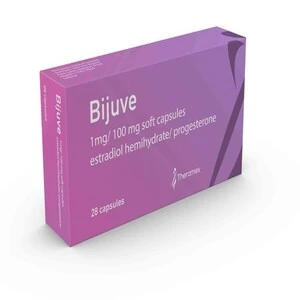
Bijuve
- Treats symptoms of the menopause
- Available to re-order
- Prescribed by a registered clinician
34. Bleeding Gums
Fluctuating hormone levels can contribute to oral health problems, including dry mouth (xerostomia), gum disease, burning mouth syndrome (BMS), and changes in taste perception. Gum disease can cause gums to bleed, especially when brushing or flossing.
How to Manage the Symptoms of Menopause
Most symptoms of menopause are related to natural ageing and the low levels of sex hormones (oestrogen, progesterone and testosterone) a woman produces, as she reaches the menopause period of her life. However, there are several ways you can manage some of these symptoms during menopause, and they include:
- Hormone replacement therapy (HRT)
- Medications like antidepressants can help with mood and depression
- Using lubricants for vaginal dryness
- Taking calcium and vitamin D supplements to help with weak bones.
- Lifestyle changes like exercising and eating a healthy diet

A few years post menopause, most symptoms should reduce and eventually stop. However, you should speak to your GP about troublesome issues and discuss treatments to manage menopausal symptoms.
What Medication Can I Take for the Menopause?
Menopause can produce a wide variety of symptoms affecting many aspects of physical and mental health. Some women go through menopause with no noticeable symptoms, while others have mild symptoms that they can manage with simple lifestyle adjustments. However, a number of women experience severe symptoms that disrupt their daily lives and require medication to reduce their impact.
- Oestrogel: Oestrogel is a topical hormone replacement therapy (HRT) that contains estradiol (i.e., oestrogen) as its active ingredient. This can counter the drop in hormone levels associated with menopause and help to alleviate symptoms like headaches, hot flashes, mood swings, heart palpitations, and more.
- Utrogestan: Utrogestan is a form of progesterone HRT. It should be used alongside an oestrogen-based HRT and can help to improve menopause symptoms by compensating for declining hormone levels.
- Estradot: Estradot is an HRT transdermal patch that contains estradiol, the primary form of oestrogen. The patches can be worn twice weekly to relieve hot flashes and night sweats, mood swings, vaginal dryness, and sleep problems.
- Evorel: Evorel HRT patches contain synthetic hormones that mimic the effects of oestrogen and progesterone. Users can apply the patches twice a week to rebalance hormones and improve menopause symptoms.
- Bijuve: Bijuve is an HRT medication containing both oestrogen and progesterone. These daily capsules supplement low hormone levels in menopause to relieve symptoms, including hot flushes, irritability, joint pains, and more.
The hormonal changes brought about by menopause can manifest in diverse symptoms affecting many aspects of women’s physical, mental, and cognitive health. Prescription Doctor has a wide range of medications that can help to improve symptoms and quality of life by mitigating the effects of low oestrogen and progesterone levels.
Support at Every Step
If you think you may be going through menopause or require some more advice, Prescription Doctor is here to help. Our dedicated team is available to support you at every stage, to help make the process as stress-free as possible.
We strive to facilitate access to healthcare and give patients more control over how they obtain treatment. With us, there’s no need for face-to-face appointments that can take several days to arrange. Instead, you can fill out our online consultation form from your own home at any time. This makes obtaining a menopause test kit or ordering medication much more straightforward.
Once the form has been completed, our specialist clinicians will review your information and determine whether your order is suitable for your circumstances. All orders approved before 3pm on a weekday are eligible for next-day delivery, while everything we dispatch is stored in plain packaging for complete discretion.
To find out more about how Prescription Doctor can help you, or to request treatment, complete our consultation form today.
Sources
- NIH (2024): What Is Menopause?
- PubMed (2023): Age at Natural Menopause and Influencing Factors in Women Attending the Gynaecological Outpatient Clinic at a Tertiary Care Hospital.
- PubMed (2025): Trends in age at natural menopause and menarche and related factors in Iran: results from a population-based study.
- NHS (2022): Menopause.
- BBC News (2024): What is the menopause and what are the main symptoms?
- NIH (2023): Menopause.
- NHS: Menopause for partners.
- NIH (2021): Hot Flashes: What Can I Do?
- Office on Women’s Health (2025): Menopause basics.
- Mayo Clinic (2024): Menopause.
- NIH (2021): Sleep Problems and Menopause: What Can I Do?
- PubMed (2022): Correlates of palpitations during menopause: A scoping review.
- British Heart Foundation (2023): Menopause and your heart.
- NHS Inform (2022): Menopause and your mental wellbeing.
- PubMed (2018): The Dynamics of Stress and Fatigue across Menopause: Attractors, Coupling and Resilience.
- PubMed (2025): Cognitive Function in Peri- and Postmenopausal Women: Implications for Considering Iron Supplementation.
- BUPA (2025): Does the menopause cause memory loss?
- Office on Women’s Health (2025): Menopause and sexuality.
- ScienceDirect (2024): Global prevalence of depression in menopausal women: A systematic review and meta-analysis.
- PubMed (2023): Does menopause elevate the risk for developing depression and anxiety? Results from a systematic review.
- Mayo Clinic (2023): The reality of menopause weight gain.
- PubMed (2023): Arthralgia of menopause - A retrospective review.
- BUPA (2024): Are muscle aches and joint pains linked to the menopause?
- PubMed (2021): Menopause and cognitive impairment: A narrative review of current knowledge.
- PubMed (2023): The Menopausal Transition: Is the Hair Follicle “Going through Menopause”?
- NICE (2021): Female pattern hair loss (female androgenetic alopecia).
- PubMed (2018): Dizziness in peri- and postmenopausal women is associated with anxiety: a cross-sectional study.
- NHS (2022): Menopause Symptoms.
- PubMed (2025): Urinary tract infections after menopause.
- Women’s Health Concern (2025): Digestive health and menopause.
- PubMed (2024): Taste Changes and Salivary Flow Rate Disparities in Premenopausal and Postmenopausal Women: Exploring the Zinc Connection.
- PubMed (2019): Urinary incontinence in postmenopausal women – causes, symptoms, treatment.
- PubMed (2024): The Link Between Menopause and Urinary Incontinence: A Systematic Review.
- PubMed (2025): The volume and characteristics of research on gastrointestinal symptoms in ‘natural’ peri- and postmenopause: A scoping review.
- PubMed (2024): The musculoskeletal syndrome of menopause.
- NIH (2025): Skin Care and Ageing.
- PubMed (2019): Estrogen-deficient skin: The role of topical therapy.
- Harvard Health Publishing (2023): Why has my natural scent changed during perimenopause?
- Shropshire Council: Menopause symptoms and practical tips to manage them.
- PubMed (2024): The Natural History and Risk Factors for the Development of Food Allergies in Children and Adults.
- PubMed (2015): Estrogen Signalling Modulates Allergic Inflammation and Contributes to Sex Differences in Asthma.
- PubMed (2023): Perimenopause as a neurological transition state.
- NIH (2025): Mastalgia.
- NIH (2024): Understanding Breast Changes and Conditions.
- UCI Health (2025): The surprising link between menopause and tinnitus.
- Tinnitus UK: Tinnitus and menopause.
- The Menopause Charity (2024): Join the dots: A-Z symptoms list.
- NIH (2022): Osteoporosis.
- Victoria State Government: Menopause and osteoporosis.
- PubMed (2024): Menopause and Oral Health: Clinical Implications and Preventive Strategies.
Authored By

Kate Latham
Medical Content WriterPublished on: 17/10/2019 Re-Published on: 12/01/2026
Reviewed By

Mohamed Imran Lakhi
MPharm - Lead PharmacistReviewed on: 12/01/2026
How We Are Regulated
Payment Options


© 2013 - 2026 Al Muhsineen Limited. All Rights Reserved. Registered Pharmacy: 34 Halliwell Road, Bolton BL1 8RL. Registered Office: 254 First Floor, Shearbrow, Blackburn, England, BB1 8DS


Patient Login
Don't have an account?
Your account will be automatically created after placing your first order.