
Where To Put Evorel Patches
Table of contents:
- Evorel Patches Forms and Dosage
- How to Apply Evorel Patches
- When to Change Evorel Patches
- Where to Apply Evorel Patches
- Where Not to Place Evorel Patches
- Evorel Patches Dosage and Overdose Precautions
- Special Considerations
- Where to Put Evorel Patches: Frequently Asked Questions
- A Holistic Service You Can Trust
One of the most fundamental things to understand about medication is exactly how and when to take it. Not using a treatment as indicated could increase the risk of side effects, reduce its effectiveness, or impact how long it takes to work, so it’s essential to get it right.
Evorel patches are effective treatments for menopause. They are a type of transdermal hormone replacement therapy (HRT) that delivers hormones through the skin. But how do you know if you’re using them correctly?
This article outlines where to put Evorel patches, how to apply them, when to change them, and more, so you can get the best out of them. Let’s get started.
Evorel Patches Forms and Dosage
Evorel patches are available in various forms and strengths, and it’s best to discuss your needs with your healthcare provider to ensure you have the right prescription.
At Prescription Doctor, we offer the following types of Evorel patches:
Evorel
An oestrogen-only HRT patch containing oestradiol (a form of oestrogen identical to that produced naturally by the body). It is applied to the skin and releases a steady dose of oestradiol over time to help manage menopausal symptoms caused by low oestrogen levels. Evorel does not contain a progestogen (a hormone that protects the lining of the womb), which means it is usually prescribed for women who have had a hysterectomy.
At Prescription Doctor, Evorel patches are available in 25 mcg, 50 mcg, 75 mcg, and 100 mcg strengths, allowing dosage to be adjusted based on symptom control.
Evorel Conti
A combined HRT patch containing both oestradiol and norethisterone (a progestogen). The oestradiol helps relieve menopausal symptoms, while norethisterone protects the lining of the womb from overstimulation by oestrogen.
Evorel Conti is designed for continuous use and delivers sustained hormone delivery. As a result, most women do not experience regular monthly bleeding. This distinguishes it from Evorel, which contains only oestrogen, and from Evorel Sequi, which follows a cyclical pattern.
You can purchase Evorel Conti as a 50 mcg-strength patch from Prescription Doctor.
Evorel Sequi
A sequential patch system comprising two types of patches used over a 28-day cycle. For the first part of the cycle, the ‘Evorel 50’ oestrogen-only patches are used, followed by combined ‘Evorel Conti’ patches containing oestradiol and norethisterone. This sequence allows oestrogen to manage symptoms while the progestogen phase protects the womb lining. Evorel Sequi is often prescribed for women who are still having periods or are in the earlier stages of menopause, and typically results in a regular, predictable monthly bleed.
Like Evorel Conti, Evorel Sequi is available as a 50 mcg strength patch at Prescription Doctor.

How to Apply Evorel Patches
Follow these steps to apply Evorel patches:
- Choose Location: Find a clean, dry, hairless area of skin to apply the patch. Ensure it’s free from lotions, creams, or oils. Avoid areas that are irritated, broken, affected by rashes, or with skin folds.
- Preparation: Wash your hands before removing Evorel patches from their packaging to ensure they are clean before application. Open the sachet carefully and try to apply the patch immediately.
- Peel Away: Peel away half of the protective backing from the patch. Take care not to touch the sticky part, as this may affect adhesion and complicate the process.
- Apply Patch: Carefully apply the patch to the chosen area. Make sure you press down firmly once it’s in place.
- Remove Remaining Backing: With part of the patch secured, remove the rest of the backing to apply the remaining portion of the patch. Again, take care to avoid contact with the adhesive.
- Secure Patch: Press the patch down firmly with the palm of your hand for around 10 seconds, paying particular attention to the edges to ensure it is fully secured. The patch should feel comfortable and sit flat against the skin.
- Disposal: Fold used patches in half, with the sticky sides together. Always dispose of any packaging and used patches properly, keeping them out of reach of children and pets.
For best results, apply Evorel patches to clean, cool, and completely dry skin, and avoid applying them immediately after exercise, showering, or bathing. Rotate application sites with each new patch, and avoid reusing the same area for at least a week to help reduce skin irritation.
Keep a regular schedule for changing your patch as prescribed to maintain steady hormone levels. Check occasionally that the patch remains firmly in place, especially around the edges, and avoid tight clothing that may rub against it.
Evorel patches are designed to stay in place during bathing, showering and swimming. If a patch does come loose, refer to the patient leaflet or seek advice from your clinician.
When to Change Evorel Patches
Both Evorel and Evorel Conti patches are designed to be changed twice a week, on the same two days each week. Keeping to a regular schedule helps maintain steady hormone levels and reduces the chance of symptoms returning. Try to space changes evenly across the week and apply each new patch to a different area of skin.
Many people find the morning after bathing is a good time to apply a new patch, provided the skin is fully clean and dry. If you forget to change a patch, apply a new one as soon as you remember and continue with your normal schedule. Do not apply extra patches to make up for a missed change.
Evorel Sequi patches are different. They are used as part of a 28-day cycle, with oestrogen-only patches used first, followed by combined patches containing oestrogen and a progestogen. Both types are changed twice weekly.
Be sure to follow the sequence exactly as prescribed, as this pattern is designed to protect the lining of the womb and often results in a predictable monthly bleed.
Where to Apply Evorel Patches
According to NHS guidelines, it's recommended to apply the Evorel patch to an area of skin below the waist, such as your thigh or buttock. Here is an explanation of some of the prime areas, alongside some tips to minimise irritation:
- Abdomen: The lower abdomen is a commonly used location as it’s easy to access and allows the patch to sit flat and smooth against the skin. Apply the patch below the waistline and away from the breasts. Avoid areas where waistbands or tight clothing may rub, as this can cause the patch to loosen.
- Thigh: The upper outer thigh can be a good option, particularly if keeping the patch discreet is a priority. Choose an area with minimal movement and friction, and avoid the inner thigh, where the skin may rub together, increasing the risk of irritation.
- Buttocks: The upper buttock area is often well tolerated and less likely to be affected by clothing or movement. This area can help the patch stay securely in place, be well hidden, and may reduce the risk of skin sensitivity for some people.
- Hips: The outer hip area provides a flat surface that can help the patch adhere properly.
- Lower Back: This area can work well if it sits below the waistline and is protected from direct friction from clothing. It’s often less affected by movement, but can be difficult to apply securely on your own.
Rotating the application sites of your Evorel patch helps the skin recover between applications. Reapplying patches to the same area too often can increase the risk of redness, itching, or soreness from repeated exposure to the adhesive and medication.
By alternating sides of the body and avoiding the same spot for at least a week, you will help to keep the skin healthy and can make ongoing treatment feel more comfortable.
It’s also important to note that different types of HRT patches may have their own specific application and usage guidelines. Always follow the instructions provided with your prescribed patch, as this ensures the medication is absorbed correctly and helps you get the most benefit from your treatment.

Where Not to Place Evorel Patches
Evorel patches should not be applied on or near the breasts or above the waist. These areas are avoided because the skin there can absorb oestrogen differently, potentially leading to uneven hormone delivery. Oestrogen has a direct effect on breast tissue, and applying it too close may increase the risk of breast tenderness or other unwanted side effects.
You should also avoid applying Evorel patches to skin that is irritated, broken, sunburned, or affected by rashes, as damaged skin can alter medication absorption and increase the risk of local reactions. Areas where clothing rubs against the skin should also be avoided, as friction can loosen the patch or cause it to fall off.
Evorel Patches Dosage and Overdose Precautions
If you apply an extra patch or you think you might have overdosed on patches, remove the additional patch or patches immediately and speak to your doctor as soon as possible.
If you miss a dose – i.e., you don’t change your Evorel patch or put on a new one – apply one as soon as you remember, then continue with your regular schedule. Never use two patches at once to make up for any missed doses.
Special Considerations
Pregnant women, women who are breastfeeding, those who are planning surgery, and anyone taking other prescription or over-the-counter medications should speak to a clinician before starting Evorel patches.
You should also seek medical advice before starting Evorel if you have a history of blood clots, breast cancer, unexplained vaginal bleeding, liver disease, or hormone-sensitive conditions. Regular reviews are recommended while using Evorel patches to ensure the treatment remains appropriate for you and continues to provide benefit.
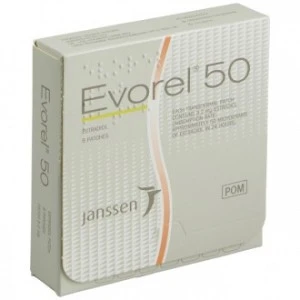
Evorel
- Easy to apply transdermal patch
- Available to reorder
- Prescribed by a registered doctor
Where to Put Evorel Patches: Frequently Asked Questions
Below are answers to some of the most common questions about where to apply Evorel patches and how to manage them day to day.
Where is the Best Place to Put Evorel Patches?
The best place to apply an Evorel patch is to clean, dry skin below the waist, such as the lower abdomen, upper thigh, buttocks, or hips. Choose an area where the patch can lie flat and is unlikely to rub against tight clothing. Rotating application sites with each new patch can help reduce skin irritation.
Can You Put Evorel Patches on Your Stomach?
Yes, Evorel patches can be applied to the lower abdomen, provided the area is below the waistline and away from the breasts. Avoid placing the patch where waistbands or tight clothing may cause friction, as this can affect its ability to stay in place.
What to do if My Evorel Patch Falls Off?
If your Evorel patch falls off, try reapplying it to clean, dry skin. If it does not stick properly, apply a new patch and continue with your usual patch-change schedule. Do not apply extra patches to make up for the one that came off. If patches continue to fall off, speak to your clinician or pharmacist for advice.
If your Evorel patch falls off during bathing or showering, wait a while before applying a new one. This is due to a process called cutaneous vasodilation, in which blood vessels widen to help lower body temperature. Applying the patch too soon may risk excessive absorption.
A Holistic Service You Can Trust
Menopause is a significant event that can profoundly affect all areas of life. It’s therefore essential to feel that you have reliable support in place to help you navigate the journey. This is where Prescription Doctor comes in.
We’ve made it our mission to take the hassle out of obtaining healthcare and provide an all-encompassing service that offers assistance whenever it is required. We begin with a brief online questionnaire that covers everything from your medical history to any other treatments you might be taking. This can be completed at any time from the comfort of your own home, for maximum convenience.
Our experienced clinicians will review your information to determine whether Evorel patches or your chosen treatment are suitable for your circumstances. Approved orders are then dispatched by our General Pharmaceutical Council-registered pharmacy in plain packaging for total discretion. Requests accepted before 3pm on a weekday are also eligible for next-day delivery.
While this is the point where most companies’ service ends, ours continues, as our clinicians will check in with you to monitor progress and ensure everything is working as planned. You can also get in touch with them whenever you have a query about your treatment schedule. In addition, our website has a library of information about menopause and Evorel patches, such as symptoms to watch out for and whether you can use the medication if you’re still menstruating. Whatever you need, you can rely on us to deliver.
If you’re ready to take control of your healthcare, Prescription Doctor is here to help. Start a consultation today and let us take care of your medical needs.
Sources
- NIH (2024): Transdermal Medications.
- NHS (2023): How and when to take or use oestrogen tablets, patches, gel and spray.
- EMC (2025): Evorel Package Leaflet.
- EMC (2025): Evorel Conti Package Leaflet.
- EMC (2025): Evorel Sequi Package Leaflet.
- BMS (2024): HRT Preparations and Alternatives.
- NHS (2023): Benefits and risks of hormone replacement therapy.
- NHS (2023): Who can and cannot take HRT.
- NHS (2022): How to use transdermal HRT.
Authored & Reviewed By

Mohamed Imran Lakhi
MPharm - Lead PharmacistPublished on: 18/09/2023 Reviewed on: 20/04/2026
How We Are Regulated
Payment Options


© 2013 - 2026 Al Muhsineen Limited. All Rights Reserved. Registered Pharmacy: 34 Halliwell Road, Bolton BL1 8RL. Registered Office: 254 First Floor, Shearbrow, Blackburn, England, BB1 8DS


Patient Login
Don't have an account?
Your account will be automatically created after placing your first order.