
12 Tips to Stop Smoking
Going smoke-free is a challenge that may require several attempts to achieve your goals. The good news is that you don’t need to go through this alone, as support is available to help you along your journey.
With this in mind, we’ve put together our top 12 tips to stop smoking, covering everything from setting a date and making a plan to identifying triggers and changing habits. We also look at whether it’s worth considering medication to help you stop smoking and the impact treatments such as Champix and Zyban could have. Let’s get started.
Why Should I Quit Smoking?
Tobacco smoking is one of the world’s greatest health problems and a leading cause of preventable deaths. An estimated 6 million people worldwide, and 96,000 in the UK, die from smoking-related diseases each year. These premature deaths equate to an average of 10 years of life lost compared to people who have never smoked. Smokers also start to experience age-related diseases around 10 years earlier than non-smokers.
Fortunately, it’s never too late to quit. People who quit smoking before the age of 40 reduce their chances of smoking-related death by around 90%, and those who stop between 45 and 54 reduce this risk by approximately two-thirds. If you’re older than 54, you’ll still see significant health and financial benefits when you give up tobacco, and even stopping at 60 could add 3 years to your life expectancy.
What are the Best Ways to Quit Smoking?
There are many ways to quit smoking, but the ‘best’ method depends on the personal needs of the individual. Some people find the ‘cold turkey’ approach, which involves abruptly quitting, effective. However, for those struggling with nicotine cravings and withdrawal symptoms, stop-smoking products can support your quit attempt and increase your likelihood of success.
Nicotine replacement therapies (NRTs) are products that deliver nicotine in a safer way than smoking does. These products, which include gum, lozenges, and patches, can increase your probability of success by up to 70% by helping you to overcome tobacco cravings. Although not technically NRTs, nicotine vapes can also help to keep withdrawal symptoms at bay and may be even more effective for smoking cessation.
Whatever method you choose, stopping smoking requires perseverance and a thorough understanding of your triggers and how to navigate them.
12 Quit Smoking Tips
Quitting smoking is a challenge that, for most people, requires multiple attempts to overcome. Identifying methods that could help you on your stop-smoking journey could significantly increase your chances of success, so here are our top 12 tips for smoking cessation.
1. Set a Date
Setting a quit date can increase your chances of a successful quit attempt by providing a clear, actionable goal. Your quit date should be far enough in the future that you have time to plan and prepare, but not so far away that you have the time to change your mind or lose motivation.
Choose a date that doesn’t coincide with anything that might trigger your desire to smoke (for example, an event where alcohol will be served or a stressful life event, like moving house). Once you’ve set your date, commit to it. It can help to cut down on smoking before your quit date and help you to mentally prepare for the task ahead.

2. Make a Quit Plan
After you’ve set a stop-smoking date, the next step is to create your quit plan. This is a personalised strategy to help you identify and avoid your smoking triggers, navigate cravings and withdrawal symptoms, and maintain your motivation to succeed. The NHS free personal quit plan can help you to prepare, or you can make your own, including:
- Your reasons for quitting smoking
- Whether you will use NRT or an anti-smoking medication
- Identifying triggers and, if possible, removing them from your life
- Telling friends and family about your intention to quit and recruiting their support
- Identifying and practising coping mechanisms for withdrawal
3. Manage Cravings
Smoking triggers are difficult to overcome because they stimulate intense nicotine cravings. People are most vulnerable to relapse when experiencing tobacco withdrawal and cravings, so it’s essential that you put coping strategies in place before trying to quit.
One popular technique for resisting the desire to smoke is the 4 Ds: delay, distract, take a deep breath, and drink water.
- Delay: Nicotine cravings are temporary and often pass within 10 - 20 minutes. The longer you can delay lighting a cigarette, the better your chances of overcoming the urge and choosing not to smoke.
- Distract: Distracting yourself with a hobby, a brief bout of exercise, or a puzzle can make it easier to wait for nicotine cravings to pass.
- Deep breath: Breathing exercises can calm your nervous system and give you the clarity needed to remember why you stopped smoking.
- Drink water: Taking slow sips of water can keep your hands and mouth occupied and ease intense cravings. Staying hydrated can also help to keep other nicotine withdrawal symptoms, like headaches, to a minimum.
4. Identify Triggers
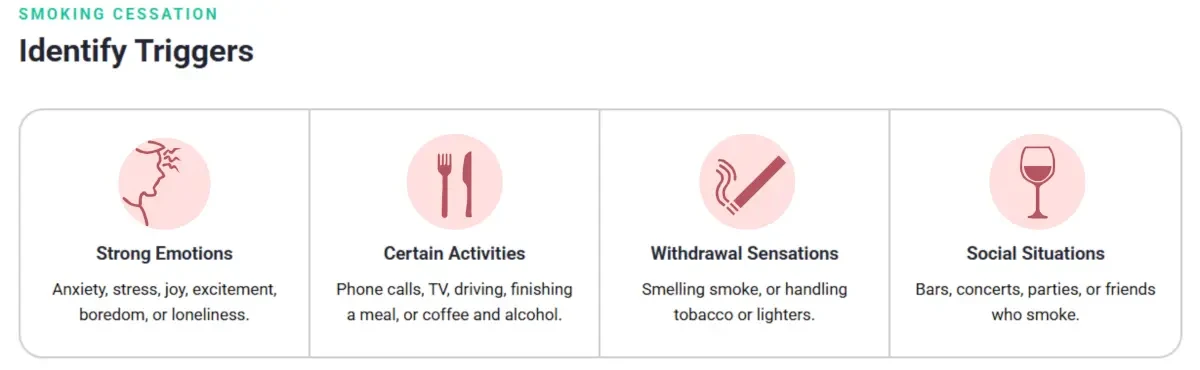
Smoking triggers are any circumstances that spark your desire to smoke. These can be emotional, situational, social, or pattern-related (i.e., an activity you associate with smoking). Common triggers include:
- Strong emotions (such as anxiety, stress, joy, excitement, boredom, or loneliness)
- Certain activities (like talking on the phone, watching TV, driving, finishing a meal, or drinking coffee or alcohol)
- Withdrawal-related sensations coupled with triggers like smelling cigarette smoke, or handling tobacco or lighters
- Social situations (e.g., going to a bar, concert, or party, or spending time with friends who smoke)
Identifying and learning to avoid or navigate triggers is key to preventing tobacco relapse, so this is a critical step in preparing to quit.
5. Change Your Habits
The most effective way to manage smoking triggers is to avoid them altogether, but this may require you to change your habits. This involves identifying situations that spark your desire to smoke and replacing them with new routines, such as:
- Taking a short walk on your lunch break instead of smoking
- Chewing gum or brushing teeth after eating
- Making a list of activities to keep you occupied if boredom is a trigger
- Removing ashtrays and lighters from your car if you smoke while driving
- Switching to low or non-alcoholic beverages to stop smoking while drinking
Re-framing your thinking around certain habits can also reinforce your motivation to quit smoking. For example:
- Feeling fitter now that you take walks at lunchtime
- Tasting food better now that you no longer smoke
- Enjoying dispelling boredom with puzzles or by talking to friends
- The car smells better now that you don’t smoke in there
- Feeling healthier now that you drink less alcohol
6. Seek Social Support
Social support is central to making positive life changes, and stopping smoking is no exception. Studies have found that positive support from friends and family is associated with higher motivation to quit, which translates to better smoking cessation success rates. Therefore, telling people in your social circle that you have decided to give up smoking should factor strongly in your personal quit plan.
Community forums can also provide a platform to seek support from other quitters. This can come in the form of encouragement to quit, advice and suggestions for navigating cravings, and recognition of your success in abstaining from tobacco.
7. Exercise Regularly
Exercise can be an effective way to delay and distract from smoking when withdrawal symptoms surge, whether that’s through walking, cycling, strength training, or yoga. Research has found that even short bursts of physical activity can help ex-smokers cope with cravings. This may be because exercise stimulates the brain’s reward system in a similar way to nicotine.
Exercise releases the ‘happy’ hormones dopamine, serotonin, and endorphins. This can help to mitigate the negative emotions associated with nicotine withdrawal, such as anxiety, stress, irritability, and restlessness. Physical activity may also reduce levels of stress hormones, such as cortisol and adrenaline.

Champix
- Blocks the rewarding effects of smoking
- Reduces cravings and withdrawal symptoms
- High long-term abstinence rates
8. Keep Hands and Mouth Busy
The hand-to-mouth motion associated with cigarette smoking can be a difficult habit to break, as it may play a role in emotional regulation and self-soothing. Finding alternative ways to keep your hands and mouth busy may help you to overcome the physical impulse to smoke.
When nicotine withdrawal and cravings spike, try to distract yourself by:
- Knitting or completing a puzzle
- Playing with stress balls or fidget toys
- Chopping fruits and veggies for snacking
- Chewing gum or nibbling on carrot sticks, celery, or apple wedges
- Holding a straw or pen in your mouth
9. Remember Your Reasons
Your motivation to quit smoking may start out strong, but it can diminish over time and even fluctuate day-to-day. Studies into the motivations of ex-smokers have found that people’s resolve to quit varies daily, and lapses can make them more vulnerable to smoking relapse.
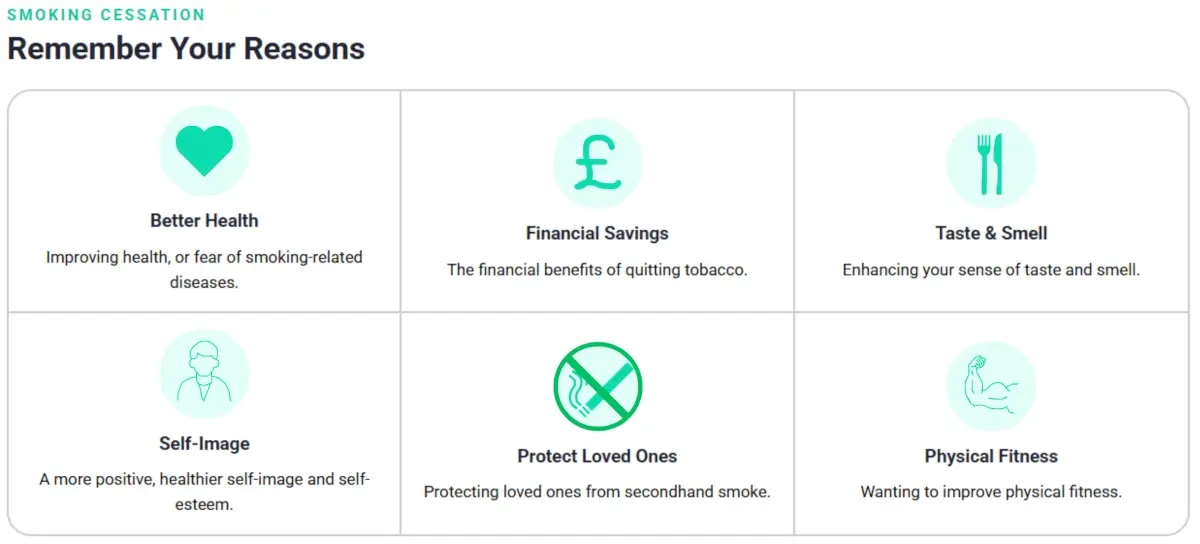
If you find yourself fantasising about lighting up, remind yourself why you stopped smoking in the first place. Common reasons to quit include:
- A desire to improve health, or fear of smoking-related diseases
- The financial benefits of quitting tobacco
- Enhancing sense of taste and smell
- Creating a more positive, healthier self-image and boosting self-esteem
- A desire to protect loved ones from the harmful effects of secondhand smoke
- Wanting to improve physical fitness
10. Practise Mindfulness
Mindfulness, which involves training your attention on your thoughts, feelings and bodily sensations, may make it easier to quit smoking. If you can observe your inner world without judgment, you may be able to better control your thoughts and feelings around tobacco. Different types of mindfulness-based therapies for smoking cessation include:
- Mindfulness Training: Involves practising meditation and learning to observe thoughts and feelings from a neutral perspective.
- Acceptance and Commitment Therapy (ACT): Encourages people to embrace their feelings without fighting them and to commit to changing their habits.
- Distress Tolerance Training: Combines the techniques used in ACT with exposure to smoking triggers, allowing them to practise resisting the desire to smoke.
- Yoga: Can raise awareness of breathing and bodily sensations, and promote a deeper body-mind connection.
11. Use Nicotine Replacement Therapies (NRTs)
Nicotine replacement therapies, or NRTs, can be powerful tools for smoking cessation. These products, which include patches, gum, sprays, and lozenges, deliver nicotine in a safer way than smoking and can significantly reduce withdrawal symptoms and cravings. People using NRTs are up to 70% more likely to successfully quit smoking than those who attempt to stop without these aids.
Though not officially classed as NRTs, nicotine vapes can also make it easier to stop smoking for good. Vapes are considered less harmful than tobacco and cigarettes, and some studies suggest they could be even more effective than traditional NRTs for helping people to quit smoking.
12. Don’t Give Up
Withdrawal symptoms and cravings make it very hard to give up smoking, and many ex-smokers say that stopping was the hardest thing they have ever done. However, millions of people manage to quit smoking every year, even if it’s not their first (or second, or third) attempt.
When it comes to breaking a nicotine addiction, perseverance is key.
If you falter on your stop-smoking journey, remind yourself why you want to quit and how quitting will improve your life. Stop smoking advisors and support groups may provide the extra boost you need to keep going and quit for good.
What Happens if I Start Smoking Again?
Relapse is very common among people who have recently quit smoking, with some studies reporting that around half start smoking again within a year. However, a relapse is not the same as a slip. A slip is when you smoke one or two cigarettes, but then continue your quit attempt. A relapse is when you go back to smoking as you did before.
If you slip, you may be able to avoid a full relapse by:
- Immediately throwing away all remaining cigarettes and tobacco
- If a friend gave you a cigarette, ask them not to offer another
- Not dwelling on the mistake - most people slip up after quitting, and stress can make you want to smoke more
- Reminding yourself why you decided to quit smoking
- Identifying what caused the slip and making a plan to navigate that obstacle in the future
If you relapse, frame it as a learning opportunity. Think about what caused you to start smoking again, and what might have helped you to avoid it. Consider adopting new coping mechanisms, habit changes, or anything else that may help you succeed on your next attempt. The next step is to choose your new quit date and resume your mission to achieve a smoke-free life.
Can I Take Medication to Help Stop Smoking?
Anti-smoking medications like varenicline, cytisine, and Zyban can make it easier to quit smoking by dampening nicotine withdrawal symptoms and cravings. These prescription pills don’t contain nicotine; instead, they work by targeting nicotine receptors in the brain, or by altering the brain’s chemistry in a way that makes smoking less pleasurable.
- Varenicline: Varenicline partially activates nicotine receptors in the brain to dampen tobacco cravings and withdrawal. Blocking these receptors also reduces the pleasurable effects of smoking, making those who slip up less likely to relapse.
- Champix: The brand name for varenicline in the UK. Like its genecerin equivalent, Champix has been shown to help 44% of people quit during the last 4 weeks of treatment.
- Cytisine: A plant-derived medication whose active ingredient comes from laburnum seeds. Cytisine has been used as an anti-smoking tool for decades in Eastern Europe, and it works by targeting nicotine receptors in the brain. It has been shown to double the likelihood of quitting compared with a placebo.
- Zyban: Zyban (also known as bupropion) influences brain chemistry in a way that diminishes the urge to smoke. It can also take the edge off withdrawal symptoms such as irritability, restlessness, low mood, and difficulty concentrating. Studies show that around 30% of Zyban users remained smoke-free after a year, compared to just 16% who used nicotine patches.
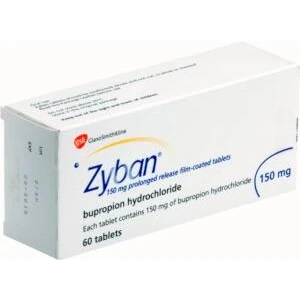
Zyban
- Suppresses cravings & withdrawal symptoms
- Nicotine-free
- May improve mood during quitting
Support When You Need It Most
When you’re trying to quit smoking, it’s important to have a strong support network to help you get through the tough times. This is where Prescription Doctor can help.
Our stop-smoking service is designed to assist you throughout your journey, from ensuring you have the appropriate medication for your circumstances to regularly checking in to monitor your progress. As well as these 12 tips to stop smoking, you can also find a wealth of information on our website, such as a quit smoking timeline and what happens to your body when you stop. We even have a comprehensive comparison guide to help you make an informed decision about which treatment to choose.
Prescription Doctor understands that it can be difficult to find the support you need to kick the habit. With us, there are no lengthy wait times for appointments or awkward face-to-face meetings. Instead, you can start a consultation at any time from the comfort of your own home. Our specialist clinicians will review your information to determine whether your chosen treatment is suitable for you, then pass your order to our General Pharmaceutical Council-registered pharmacy for swift, discreet delivery to your door. It’s that straightforward.
Ready to begin your smoke-free journey? Start a consultation with Prescription Doctor today.
Sources
- PubMed (2017): Tobacco smoking: Health impact, prevalence, correlates and interventions.
- Smokefree.gov: Reasons to Quit.
- Action on Smoking and Health (2020): Stopping Smoking.
- NIH (2023): Nicotine Replacement Therapy.
- University of Oxford (2022): E-cigarettes are more effective than nicotine-replacement therapy in helping smokers quit.
- Smokefree.gov: My Quit Plan.
- NHS Better Health: Get a free Personal Quit Plan.
- American Cancer Society: Making a Plan to Quit and Preparing for Your Quit Day.
- Smokefree.gov: Know Your Triggers.
- PubMed (2019): Evaluating the temporal relationships between withdrawal symptoms and smoking relapse.
- Stop for Life Devon: How to Handle Nicotine Cravings – Try the 4 D’s!
- National Cancer Institute (2022): Handling Nicotine Withdrawal and Triggers When You Decide To Quit Tobacco.
- PubMed (2018): Motivational Benefits of Social Support and Behavioural Interventions for Smoking Cessation.
- JMIR (2022): Assessment of Social Support and Quitting Smoking in an Online Community Forum: Study Involving Content Analysis.
- Cochrane Library (2019): Exercise interventions for smoking cessation.
- PubMed (2022): The effects of exercise with nicotine replacement therapy for smoking cessation in adults: A systematic review.
- PubMed (2025): Smoking-related gestures and anxiety: a preliminary study in treatment-seeking smokers.
- Medline Plus (2024): How to stop smoking: Dealing with cravings.
- PubMed (2023): The Dynamics of Smoking Quit Motivation in Daily Life: Associations with Momentary Self-Regulation and Nightly Quit Intentions.
- Cochrane (2021): Can mindfulness help people to stop smoking?
- NHS Better Health: Quit smoking with nicotine replacement therapies (NRTs).
- PubMed (2022): E-Cigarettes—a review of the evidence—harm versus harm reduction.
- NIH (2019): E-cigarettes compared with nicotine replacement therapy within the UK Stop Smoking Services: the TEC RCT.
- CDC: How Quit Smoking Medicines Work.
- Smokefree.gov: Why Quitting Is Hard.
- NHS (2022): NHS stop smoking services help you quit.
- PubMed (2024): Cigarette Smoking Relapse Among People Who Switched to E-cigarettes or Other Tobacco Products.
- MedlinePlus: How to stop smoking: Dealing with a slip-up.
- PubMed (2006): Varenicline, a nicotinic acetylcholine receptor partial agonist, vs sustained-release bupropion and placebo for smoking cessation: a randomized controlled trial.
- Cochrane Library (2023): Pharmacological and electronic cigarette interventions for smoking cessation in adults: component network meta‐analyses.
- NEJM (1999): A Controlled Trial of Sustained-Release Bupropion, a Nicotine Patch, or Both for Smoking Cessation.
Authored By

Kate Latham
Medical Content WriterPublished on: 16/02/2026
Reviewed By

Mohamed Imran Lakhi
MPharm - Lead PharmacistReviewed on: 16/02/2026
How We Are Regulated
Payment Options


© 2013 - 2026 Al Muhsineen Limited. All Rights Reserved. Registered Pharmacy: 34 Halliwell Road, Bolton BL1 8RL. Registered Office: 254 First Floor, Shearbrow, Blackburn, England, BB1 8DS


Patient Login
Don't have an account?
Your account will be automatically created after placing your first order.