
What Medicines Can You Not Take with Mounjaro?
Table of contents:
- What is a Drug Interaction?
- Why Understanding Mounjaro Drug Interactions is Essential
- Why Do Mounjaro Medication Interactions Occur?
- What Medications Interact with Mounjaro?
- How to Manage Drug Interactions with Mounjaro
- Does Mounjaro Interact with Herbal Supplements?
- Does Mounjaro Interact with Food and Drink?
- Frequently Asked Questions
- With You For the Journey
- Sources
Mounjaro is an effective weight loss medication that can help you lose up to 22.5% of your starting body weight when taken with a healthy diet and regular exercise. Its active ingredient, tirzepatide, works by mimicking the effect of naturally occurring hormones in the body to reduce food intake, make you feel full longer and slow digestion.
Like all treatments, Mounjaro can cause side effects and interact with other medications in a way that makes it potentially unsuitable for some people. So, what medicines can you not take with Mounjaro?
Join us as we outline important contraindications and interactions between tirzepatide and other treatments, so you can make a more informed decision about whether Mounjaro is suitable for your circumstances. We’ll also discuss what drug interactions are, ensuring you have all the information you could need. Let’s begin.
What is a Drug Interaction?
A drug interaction is a reaction between two or more drugs, or between a drug and a herbal supplement, food, or drink. This changes the way the drug acts in the body and may cause it to be more or less effective, or lead to unwanted side effects.
Drug interactions can have severe health consequences, so learning what to avoid is critical for the safe use of any medication. If you’re trying Mounjaro for the first time, it’s important to tell your prescribing clinician about any medications, herbal or otherwise, that you currently take.
Why Understanding Mounjaro Drug Interactions is Essential
Tirzepatide, the active ingredient in Mounjaro, may interact with several other medications. Understanding these interactions is essential, as they can produce a variety of side effects ranging from uncomfortable to life-threatening. Mounjaro’s effects on the body can also alter the efficacy of other medications.
Some drugs can counteract the blood glucose-lowering effect of Mounjaro, making it a less effective treatment for diabetes and pre-diabetes. Others can increase your risk of hypoglycaemia, or very low blood sugar. This can produce uncomfortable symptoms such as dizziness, anxiety, shaking, weakness, and heart palpitations. Prolonged or severe hypoglycaemia can be life-threatening, leading to seizure, coma and, potentially, death. Tirzepatide may also make other medications less effective.
Why Do Mounjaro Medication Interactions Occur?
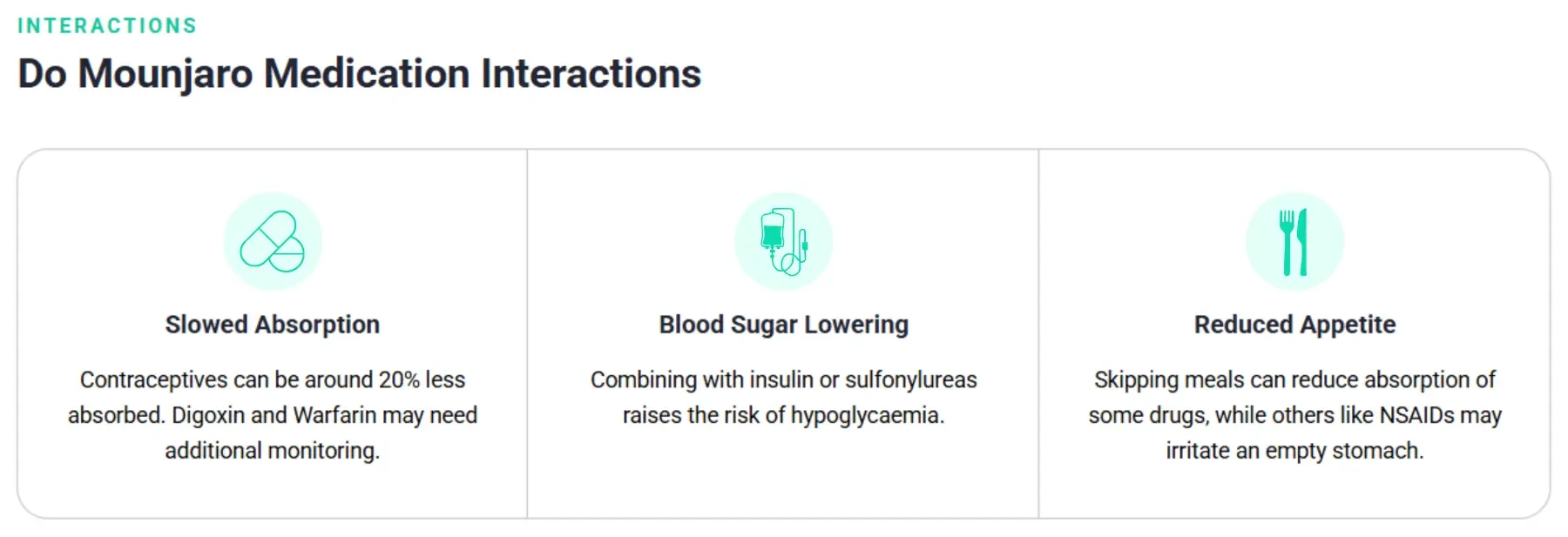
Many Mounjaro medication interactions occur because of how tirzepatide affects the movement of substances through the digestive tract. Tirzepatide slows the passage of food through the stomach, which reduces appetite and is key to its efficacy as a weight loss drug. However, this effect can also slow the rate of absorption of other medications and reduce their effectiveness.
For example, studies have found that Mounjaro can decrease your exposure to oral contraceptives by approximately 20%, reducing their efficacy and increasing the risk of unintended pregnancy. Mounjaro may also affect how quickly some oral medications are absorbed. Therefore, if you take treatments such as Digoxin or Warfarin that require close blood level monitoring, you may be advised to undergo additional monitoring when you start Mounjaro or after a dose increase.
Other Mounjaro drug interactions can be attributed to the medication’s blood glucose-lowering effect. Tirzepatide stimulates the pancreas to release insulin, allowing glucose to leave your bloodstream and enter cells, where it is used for energy. Other antidiabetic medications (like insulin or sulfonylureas) also lower blood sugar, so people taking these alongside Mounjaro have a higher risk of hypoglycaemia.
Finally, the appetite-reducing effects of tirzepatide can indirectly affect other medications. Some drugs must be taken with food to support their absorption into the bloodstream, and skipping meals may reduce their efficacy. Other medications, like NSAIDs, can irritate the stomach lining if taken on an empty stomach.
What Medications Interact with Mounjaro?
Mounjaro can affect how other drugs act in the body, which can have severe health consequences. Therefore, identifying potential interactions with your current medications is central to safety. Many drugs can interact with Mounjaro, but the key classes to consider are oral contraceptives, antidiabetic drugs, other GLP-1s, and any other medication you take by mouth.
Oral Hormonal Contraceptives
Tirzepatide may slow the absorption of oral contraceptives and reduce their efficacy, which may lead to unintended pregnancy. The effects of weight loss injections on unborn babies are not well understood, and doctors advise against using GLP-1 agonists during pregnancy.
Antidiabetic Medications
Tirzepatide lowers blood glucose levels and was originally developed as a treatment for type 2 diabetes. Using Mounjaro alongside other antidiabetic medications can, therefore, put you at risk of hypoglycaemia. Antidiabetic drugs that lower blood sugar and may interact with Mounjaro include:
- Insulin
- Sulphonylureas (such as gliclazide or glimepiride)
- Meglitinides (like repaglinide)
- Other medications, depending on your treatment plan
If you use any of these medications, inform your prescribing clinician. You can still use weight loss injections, but your doctor may need to adjust the doses of your antidiabetes medications.
Other GLP-1s
Doctors do not recommend using Mounjaro alongside other tirzepatide-containing products or any other GLP-1 agonist. This is because these medications act on the same hormonal pathways and may increase side effects without any additional weight loss benefits. If you want to switch from one GLP-1 medication to another, only do so under the guidance of a healthcare professional.
Other Oral Medications
Mounjaro can cause delayed gastric emptying, which may affect the absorption of any oral medication you use. Inform your doctor about all medications you currently take so they can properly assess the risks and provide tailored advice.

How to Manage Drug Interactions with Mounjaro
The first step to managing Mounjaro drug interactions is awareness. Tell your prescribing clinician about all medications you currently take so they can identify any potential interactions and advise on how to navigate them. Mounjaro can affect the absorption rate of oral medications, and your doctor may recommend additional monitoring at the start of treatment and after dose increases.
If you use oral hormonal birth control methods such as the mini-pill or combined contraceptives, you may want to consider also using a barrier method of contraception (such as condoms) or switching to a non-oral contraceptive (like the coil, implant, or vaginal ring) for 4 weeks after starting Mounjaro and for 4 weeks after each dose increase. This can help reduce the risk that tirzepatide may affect the effectiveness and absorption of oral contraceptives.
Another potential side effect of Mounjaro drug interactions is hypoglycaemia. This is more likely if you are using insulin or sulphonylureas (diabetes medications) alongside your weight loss injection. As a result, your clinician may adjust your dose and recommend that you monitor your blood glucose levels. You may also want to speak to your clinician if you are taking other medicines such as Metformin, so they can assess your treatment plan.
If you do experience symptoms of low blood sugar (like anxiety, blurred vision, cold sweats, confusion, drowsiness, or rapid heart rate), eat something sweet. Sugar cubes, honey, and glucose tablets or gels can quickly restore your blood sugar and alleviate symptoms.
Severe hypoglycaemia is a medical emergency and can lead to seizures or unconsciousness. People with this condition may require a glucagon injection or, if there isn’t one available, hospital treatment.
Does Mounjaro Interact with Herbal Supplements?
There is limited research on interactions between tirzepatide and herbal remedies. However, certain supplements may lower blood sugar and, when taken alongside Mounjaro, increase your risk of hypoglycaemia.
Though not known to interact with Mounjaro, St John’s Wort is contraindicated with a wide variety of other drugs. Studies in animal models have also found that this herbal remedy may significantly decrease blood sugar levels. As a result, you should tell your clinician or pharmacist before taking St John’s Wort (or any other herbal supplement) while using Mounjaro.
Other herbals that may affect blood glucose levels include chromium, cinnamon, and berberine. Some research suggests that ginseng and garlic supplements may also have a blood glucose-lowering effect, and should be used with caution in people undergoing tirzepatide treatment.
Tell your prescribing clinician about any herbal medications you take before starting Mounjaro. They may advise that you stop using certain supplements or monitor yourself carefully for symptoms indicative of hypoglycaemia.
Mounjaro
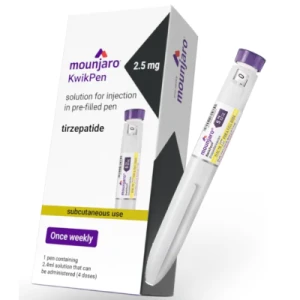
- Approved Weight Loss Treatment
- Suitable for adults with a BMI of +30kg/m²
- Pre-filled injection pen
Does Mounjaro Interact with Food and Drink?
Mounjaro does not directly interact with food or drink. However, Mounjaro’s effects on digestive function may increase your risk of gastrointestinal symptoms when you consume certain foods. Some drinks can also produce a greater likelihood of side effects and hypoglycaemia.
Food Interactions with Mounjaro
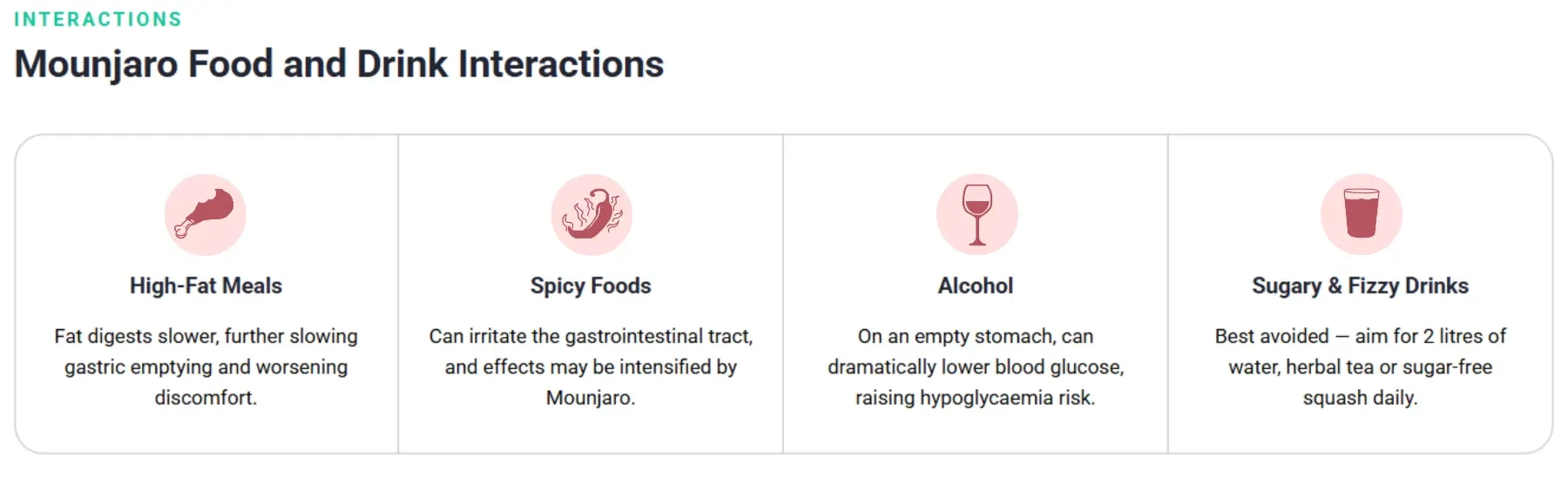
Tirzepatide slows gastric emptying, meaning food stays in the stomach longer than usual, which can cause nausea, vomiting, bloating, and acid reflux. Fat takes longer to digest than carbohydrates or protein, and further slows gastric emptying. Therefore, eating high-fat meals on Mounjaro can exacerbate gastrointestinal discomfort and increase your risk of side effects.
Spicy foods can irritate the gastrointestinal tract and may trigger heartburn, stomach pain, or diarrhoea. This effect can be intensified by Mounjaro, so it’s best to avoid heavily seasoned foods when using weight loss injections. Clinicians also recommend that Mounjaro users eat small meals throughout the day and avoid lying down after eating to reduce side effects.
Mounjaro Interactions with Drinks
Alcohol doesn’t interact directly with tirzepatide, but doctors recommend that people on Mounjaro avoid drinking or limit their intake. This is because people using weight loss injections may skip meals, and drinking alcohol on an empty stomach can dramatically reduce blood glucose levels. Mounjaro also lowers blood sugar, so the combined effect of the medication and alcohol can put you at risk of hypoglycaemia.
Alcohol can irritate the stomach and may increase your risk of gastrointestinal symptoms like nausea, indigestion, diarrhoea, and vomiting. Doctors also recommend that people on Mounjaro avoid sugary, fizzy drinks and limit their intake of fruit juice. It’s important to avoid dehydration, however, so you should aim to drink at least two litres of water, herbal teas, or sugar-free squash daily.
Frequently Asked Questions
When considering weight loss injections, many people wonder how the drug will affect their birth control, hormone therapy, and antidepressants. Identifying possible drug interactions is key to using Mounjaro safely and minimising side effects, so we’ll discuss the answers to these questions and more below.
Does Mounjaro Slow Absorption of Medications?
Tirzepatide, the active ingredient in Mounjaro, slows the movement of food and other substances through the digestive tract. This can reduce the absorption rate of any medications you take by mouth and may make some less effective.
Tell your prescribing clinician about any oral medications you currently take before starting Mounjaro. They may advise additional monitoring for side effects or steps to mitigate the impact of tirzepatide on the efficacy of other medications (for example, contraceptive pills).
What are Mounjaro Interactions with Birth Control?
Mounjaro may impact the efficacy of birth control by slowing its rate of absorption. Therefore, healthcare professionals advise that women who use Mounjaro with oral contraceptives should use an extra barrier method (like condoms) or think about switching to a non-oral contraceptive method. This is particularly important during the first four weeks of tirzepatide treatment and for four weeks after each dose increase.
There is little research on the effects of Mounjaro and other weight loss injections on unborn babies. For this reason, doctors advise against taking these drugs while pregnant. If you are taking Mounjaro and hope to become pregnant, the official recommendation is to allow at least 1 month for the medication to leave your system before coming off contraception.
Are There Any Mounjaro and Testosterone Interactions?
There are no well-established Mounjaro and testosterone interactions, so testosterone replacement therapy (TRT) may be suitable alongside your weight loss injections if it has been prescribed for testosterone deficiency. Research has also demonstrated the potential benefits of TRT for fat loss, including reductions in BMI and increases in muscle mass.
Early-stage studies have explored the use of TRT in addition to Mounjaro and have reported greater weight loss than with tirzepatide alone. However, this should not be taken as a general recommendation to combine both treatments for weight loss. Inform your clinician if you are using TRT so they can assess your suitability and monitoring needs.
Are There Mounjaro Interactions with Antidepressants?
There are no reported interactions between Mounjaro and antidepressant medications. However, Mounjaro slows the absorption rate of many oral medications, which may impact their efficacy. If you take antidepressants, inform your doctor before starting Mounjaro treatment. They may advise monitoring for side effects or recommend a dose adjustment.
With You For the Journey
Deciding to lose weight isn’t easy. There are several potential obstacles along the way, such as food noise and undoing mindsets and habits that may have been the norm for years. Thankfully, this isn’t a journey that you have to go through alone, as Prescription Doctor is here to help.
Since 2013, we’ve worked with countless individuals and guided them through the process of losing weight and reaching their goals. During this time, we’ve cultivated a strong reputation for the quality of our advice and service, so you can be confident that you’re in safe hands.
We begin with a brief online questionnaire that outlines your medical history and any other treatments you may be taking. This helps our experienced clinicians understand whether you’re using any medicines you can’t take with Mounjaro and determine whether tirzepatide is a suitable solution for you. Approved orders are then dispensed by our General Pharmaceutical Council-registered pharmacy in plain, discreet packaging, and items approved before 3pm on a weekday are also eligible for next-day delivery.
Our service doesn’t stop there: our clinicians will regularly check in with you to monitor progress and are available to answer any queries you may have throughout your journey. You can also find a wealth of information about Mounjaro on our website, including how to inject tirzepatide safely, dosage schedule, the best time to use the injection pen, and essential tips for success. Whatever you need, you can rely on us.
Ready to begin your journey? Start a consultation with Prescription Doctor today.
Sources
- EMC (2026): Mounjaro KwikPen 2.5mg solution for injection in a pre-filled pen.
- EMC (2026): Patient Information Leaflet.
- National Cancer Institute: Drug Interaction.
- NHS (2023): Low blood sugar (hypoglycaemia).
- NIH (2022): Hypoglycemia.
- EJCRIM (2025): When New Therapies Meet Old Challenges: Tirzepatide–Warfarin Interaction in A Mechanical Mitral Valve Patient.
- Cureus (2023: Tirzepatide-Induced Gastrointestinal Manifestations: A Systematic Review and Meta-Analysis.
- JAPhA (2024): The impact of tirzepatide and glucagon-like peptide 1 receptor agonists on oral hormonal contraception.
- NIH: Tirzepatide.
- Oman Medical Journal (2011): Food-Drug Interactions.
- Wiley (2025): Incidence of GLP‐1 receptor agonist use by women of reproductive age attending general practices in Australia, 2011–2022: a retrospective open cohort study.
- Wiley (2025): Pregnancy Outcomes After Semaglutide Exposure.
- MHRA (2025): Women on “skinny jabs” must use effective contraception, MHRA urges in latest guidance.
- International Journal of Molecular Sciences (2022): Tirzepatide: A Systematic Update.
- MHRA (2026): GLP-1 medicines and what they are used for.
- NIH (2024): Semaglutide.
- Mayo Clinic (2026): Tirzepatide (subcutaneous route).
- International Journal of Molecular Sciences (2020): Protective Role of St. John’s Wort and Its Components Hyperforin and Hypericin against Diabetes through Inhibition of Inflammatory Signalling: Evidence from In Vitro and In Vivo Studies.
- National Center for Complementary and Integrative Health (2023): Diabetes and Dietary Supplements: What You Need To Know.
- Molecules (2019): Review of Ginseng Anti-Diabetic Studies.
- Nutrients (2024): Effects of Garlic on Glucose Parameters and Lipid Profile: A Systematic Review and Meta-Analysis on Randomised Controlled Trials.
- Springer Nature (2025): Low discontinuation rate of tirzepatide treatment in Japanese patients with diabetes mellitus; importance of traditional Japanese diet.
- BBC Food (2025): Could understanding digestion make you healthier?
- NHS (2023): Good foods to help your digestion.
- NHS South Yorkshire (2026): Tirzepatide (Mounjaro®).
- Alcohol Health & Research World (1998): Consequences of Alcohol Use in Diabetics.
- Guy’s and St Thomas’ NHS Trust (2025): Dietary advice for people taking weight loss medicines.
- MHRA: GLP-1 medicines, contraception and pregnancy.
- NIH (2014): Testosterone and weight loss: the evidence.
- Life Science Network (2026): Effects of testosterone undecanoate as add-on therapy in obese hypogonadal men that are late responders to tirzepatide: a pilot study.
Authored By

Kate Latham
Medical Content WriterPublished on: 22/05/2026
Reviewed By

Mohamed Imran Lakhi
MPharm - Lead PharmacistReviewed on: 22/05/2026
How We Are Regulated
Payment Options


© 2013 - 2026 Al Muhsineen Limited. All Rights Reserved. Registered Pharmacy: 34 Halliwell Road, Bolton BL1 8RL. Registered Office: 254 First Floor, Shearbrow, Blackburn, England, BB1 8DS


Patient Login
Don't have an account?
Your account will be automatically created after placing your first order.