
Ozempic Side Effects Explained
Table of contents:
- What is Ozempic Used For?
- Does Ozempic Have Side Effects?
- What are the Side Effects of Ozempic?
- Ozempic Long-Term Side Effects
- What is Ozempic Face?
- What is Ozempic Feet?
- Ozempic Side Effects in Females
- How Long Do Ozempic Side Effects Last?
- How to Manage Ozempic Side Effects
- Wegovy vs Ozempic Side Effects
- Mounjaro vs Ozempic Side Effects
- Weight Loss Support at Every Step
When researching medications, one of the most important factors to consider is the potential side effects. While some users may experience no adverse effects, others may have a strong reaction that requires alternative treatment; therefore, due diligence is crucial for making an informed decision.
Ozempic is likely a brand name you’ve encountered, whether you’ve been looking into weight loss injections or for its intended purpose as a treatment for type 2 diabetes. So, what are the potential Ozempic side effects, and how do they compare with licensed weight loss treatments such as Wegovy and Mounjaro? Let’s find out.
START YOUR WEIGHT LOSS CONSULTATION TODAY
What is Ozempic Used For?
Ozempic is a type 2 diabetes treatment in the UK, administered as a subcutaneous injection. It contains the same active ingredient as the weight loss injection Wegovy and belongs to the class of medications known as glucagon-like peptide-1 (GLP-1) receptor agonists.
Please note: Ozempic is not licensed for the treatment of obesity in the UK. It is solely designed for maintaining blood sugar levels in adults with type 2 diabetes, either alone or in combination with other treatments such as insulin. However, some private clinics have prescribed it off-label for this in the past, which led to medication shortages for people who needed it most for their blood sugar levels.
If you’re looking for a weight loss treatment, we recommend Wegovy. This product is specifically licensed to treat obesity and comes in suitable doses to help you lose weight safely and effectively. The starting dose for Wegovy is 0.25 mg per week, which can be titrated up to the maximum maintenance dose of 7.2 mg per week. Ozempic, meanwhile, starts at 0.25 mg and has a maximum dose of 2 mg.
Does Ozempic Have Side Effects?
Yes, the active ingredient in Ozempic can cause side effects. These are often mild digestive issues that typically improve as your body adjusts to the medication. In the STEP 4 clinical trial, approximately 42% of participants taking 2.4mg of semaglutide experienced gastrointestinal adverse events.
Rarely, Ozempic can cause severe side effects that may require urgent medical attention. However, your clinician will assess whether Ozempic is suitable for you and monitor your progress to minimise the risk of these adverse effects.

What are the Side Effects of Ozempic?
Ozempic weight loss side effects can vary from mild nausea or vomiting to severe allergic reactions. The effects can vary from person to person, and some people may not get any adverse effects. Here, we’ll discuss the most common, common, and serious Ozempic side effects.
What are the Most Common Side Effects of Ozempic?
The most common Ozempic side effects can affect more than 1 in 10 of those who use the medication. These include:
- Feeling sick (nausea)
- Being sick (vomiting)
- Diarrhoea
- Constipation
- Stomach pain
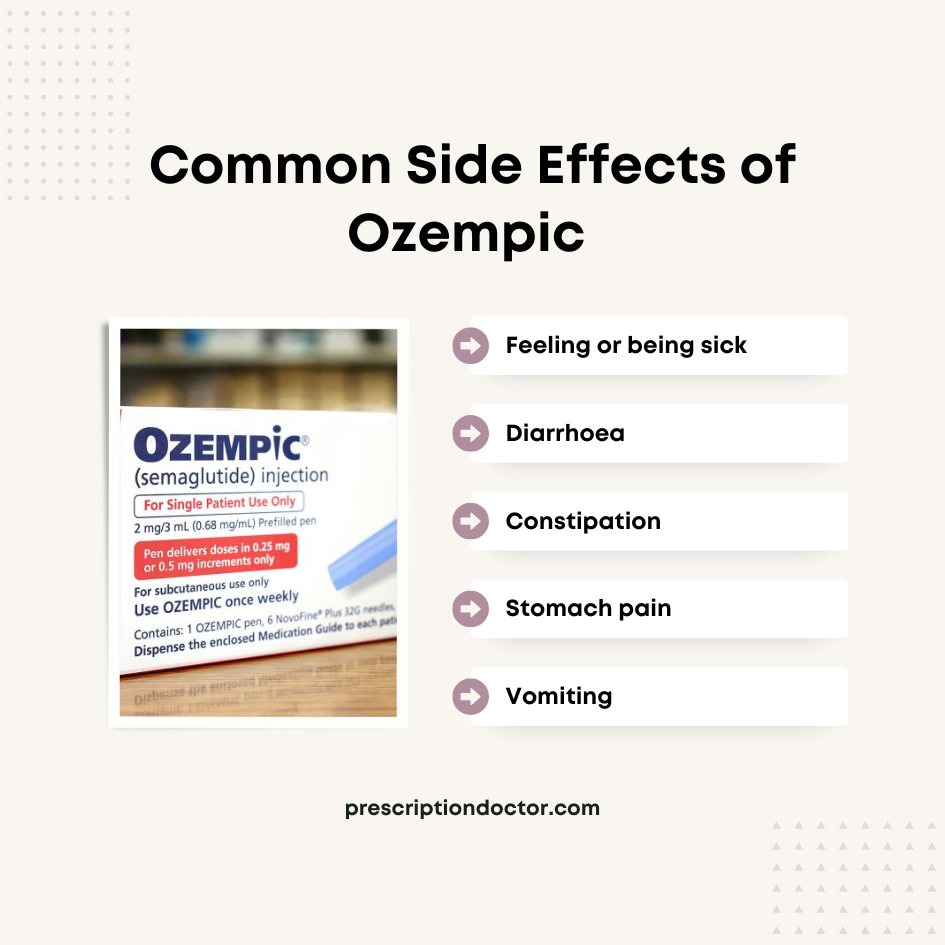
In the first SUSTAIN trial assessing the safety and effectiveness of Ozempic, gastrointestinal side effects were the most commonly reported adverse events, with 24% who received a 1 mg dose experiencing nausea.
What are the Common Side Effects of Ozempic?
The Ozempic side effects listed below are common and may affect up to 1 in 10 individuals who use the treatment. Examples of these include:
- Indigestion
- Stomach inflammation, also known as ‘gastritis’
- Acid reflux or heartburn
- Trapped wind (gas)
- Bloating
- Burping
- Gallstones
- Dizziness
- Tiredness
- Weight loss
- Loss of appetite
These common side effects are often mild to moderate, with many people noticing them most in the first few weeks or months of treatment or after a dose increase.
What are the Serious Side Effects of Ozempic?
Rarely, you may experience some serious side effects of Ozempic. The prevalence of these can vary and include:
- Inflamed pancreas (acute pancreatitis) can affect up to 1 in 100 people
- Severe allergic reactions may affect up to 1 in 1,000 people
You must tell your clinician if you get any of the following:
- Vision changes
- Severe stomach and back pain that does not go away
If you experience these serious Ozempic side effects, you should get immediate medical attention:
- Breathing problems
- Swollen face, lips, tongue and/or throat with difficulty swallowing
- Fast heartbeat
In clinical trials, serious side effects were rare: 4% of participants in the 2 mg group and 5% of participants in the 1 mg group experienced them. Look out for symptoms such as severe stomach pain, difficulty breathing, or swelling, and seek urgent medical attention or call 999 in an emergency.
Ozempic Long-Term Side Effects
Although most Ozempic side effects are temporary and improve as your body adjusts to the medication, some can be long-term. They are rare, but can occur during or even after treatment. It is important that you know what they are and how to spot the symptoms, so you can take appropriate action.

Here are some examples of long-term Ozempic side effects:
Pancreatitis
Pancreatitis causes your pancreas, a gland located behind the stomach that helps control blood sugar levels and aids digestion, to become inflamed. News reports have suggested that hundreds of people have reported that they have had acute or chronic pancreatitis after using glucagon-like peptide-1 (GLP-1) medications, including Ozempic. As a result, a study has been announced to assess whether individuals are at increased genetic risk of developing pancreatitis when receiving GLP-1 injections.
Symptoms of pancreatitis include:
- an aching pain in the centre of your stomach that gets worse
- feeling or being sick
- indigestion
- fever
- jaundice (yellowing of the skin or whites of the eyes)
- tender or swollen stomach
- fast heartbeat
- rapid breathing
Diabetic Retinopathy
Diabetic retinopathy is a complication of diabetes, caused by high blood sugar levels damaging the back of the eyes. If it is left untreated, it can cause blindness.
One study found that although semaglutide does not increase the risk of diabetic retinopathy, older people aged 60 and over who have had diabetes for 10 years or more may have an increased risk of diabetic retinopathy when using semaglutide (Ozempic). Another study found that 10% of people with no history of diabetic retinopathy developed the condition while taking semaglutide.
Diabetic retinopathy symptoms can affect one or both eyes and include:
- worsening eyesight
- blurred vision
- floaters in your vision
- difficulty seeing in the dark or low light
What is Ozempic Face?
Ozempic face refers to the noticeable facial changes observed in some individuals who use Ozempic. It happens when they lose a lot of weight in a short space of time. However, even though it’s called Ozempic face, it’s a side effect of rapid weight loss rather than the medication itself, and it can occur even if you lose weight with diet and exercise alone.
Rapid and significant weight loss can cause:
- Sunken or dark circles under your eyes
- Hollowed cheekbones or temples
- Sagging skin around the jawline and jowls
- Increased wrinkles around the eyes, forehead, and mouth
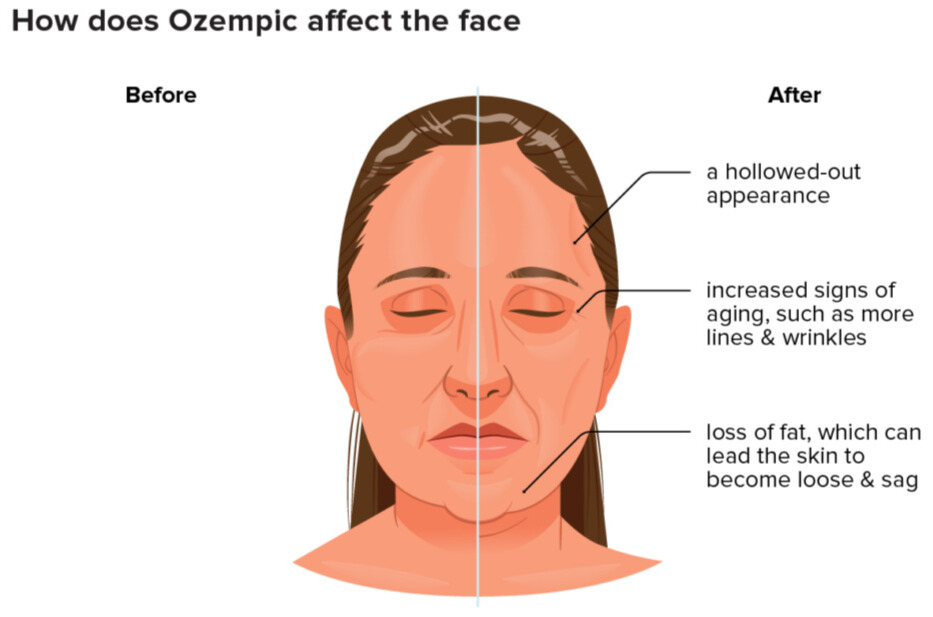
The rapid facial ageing associated with glucagon-like peptide-1 (GLP-1) medications is thought to be caused by several factors, including the loss of skin white adipose tissue (fat), changes in stem cell development, and hormonal and metabolic factors.
How to Avoid Ozempic Face
There are measures you can take to help prevent Ozempic face. These include:
- Lose weight more gradually: A safe rate of weight loss is 0.5-1 kg/week. This gives your skin time to adjust and can minimise sagging skin because you will lose weight more gradually over a longer period.
- Eat more protein: Protein is essential for muscle growth and maintenance, so eating protein-rich foods, like lean meat, fish, eggs, and tofu, can support skin and muscle structure during weight loss. Some research suggests that protein supplementation can improve skin appearance after major weight loss.
- Drink more water: Water helps maintain skin elasticity, which allows it to return to its original shape after stretching. Research indicates that increased daily water intake can improve the skin’s normal physiology.
- Exercise: Regular physical activity is not only essential for losing weight and maintaining weight loss, but it is also an important factor in toning muscles beneath the skin, which can give you a leaner appearance.
- Wear sunscreen: Sun exposure increases the risk of skin ageing, but some research suggests that daily sunscreen use can help prevent it.
Adapting your weight loss regimen to lose weight more gradually, staying hydrated, and adjusting your diet are among the ways to prevent Ozempic face.
What is Ozempic Feet?
Ozempic feet is an informal term for changes in foot appearance that may occur after significant weight loss, particularly after using GLP-1 medications such as Ozempic. It can include changes like sagging skin, wrinkles, visible veins, or pain. Ozempic feet is a cosmetic effect of weight loss and is not caused by Ozempic itself.
When you lose weight, the tops of your feet may appear more saggy, while the fat pads on the bottom of your feet get thinner, which can cause pain or discomfort. Similar to Ozempic face, Ozempic feet may be prevented by losing weight gradually and staying active.
Ozempic Side Effects in Females
There is limited evidence that certain Ozempic side effects for weight loss may be more common in females than in males. One South Korean study looking at the effects of GLP-1 medications found that women are twice as likely to report side effects as men. However, the study did not include Ozempic.
Further research has found that women are more likely to get more prominent gastrointestinal side effects than men when using GLP-1s, including semaglutide. It is likely because women are more likely to have digestive conditions.

How Long Do Ozempic Side Effects Last?
Mild Ozempic side effects are usually only temporary and manageable while you are using the medication. They usually improve or resolve on their own once your body becomes accustomed to the active ingredient, semaglutide. Some individuals experience side effects only briefly during titration (dose escalation).
If you stop taking Ozempic, it may take around 5 weeks for the active ingredient to be fully eliminated from the body. If you stop using Ozempic because you are experiencing side effects, it may take 5 weeks from your last dose for the effects to subside.
How to Manage Ozempic Side Effects
Most common or mild Ozempic side effects can be easily managed at home. Below are some of the things you can do.
| Side effect | Tip |
|---|---|
| Headache | Take over-the-counter painkillers and drink plenty of water. |
| Feeling or being sick | Get some rest and drink plenty of water to keep yourself hydrated and replace any lost fluids. Consider eating smaller, more frequent meals if you are able. Soups and plain crackers may also be helpful. |
| Stomach pain | Use over-the-counter painkillers and apply a hot compress or a covered hot water bottle to the affected area. If the pain is caused by bloating, taking a gentle walk after a meal can help reduce gas. |
| Indigestion | Natural remedies like ginger or peppermint tea can help soothe the stomach. If not, over-the-counter antacids may be beneficial. Your doctor or pharmacist can recommend treatments for heartburn or indigestion. |
| Diarrhoea | Drink plenty of fluids, clear broths, or rehydration solutions to stay hydrated. You should also eat bland foods and, if necessary, take over-the-counter anti-diarrhoeal medications, like Imodium, to relieve symptoms. |
Wegovy vs Ozempic Side Effects
Because Wegovy and Ozempic contain semaglutide, their side effects are similar. However, the frequency and intensity of side effects may vary depending on the dose. For example, Wegovy side effects may be more intense because its maximum dose is 7.2 mg, compared to 2 mg for Ozempic.
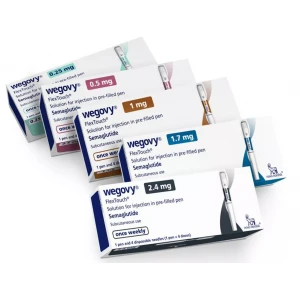
Wegovy
- Approved Weight Loss treatment
- Weekly injection
- Reduces risk of heart attack & stroke
Mounjaro vs Ozempic Side Effects
Mounjaro and Ozempic share similar side effects because they both mimic the action of the GLP-1 hormone. However, Mounjaro also mimics another hormone, glucose-dependent insulinotropic polypeptide (GIP), so although weight loss may be greater, Mounjaro's side effects may be more intense than Ozempic’s.
The most common side effects of Mounjaro and Ozempic include:
| Ozempic | Mounjaro | |
|---|---|---|
| Very common side effects | Nausea Diarrhoea Very low blood sugar | Low blood sugar Nausea Diarrhoea Vomiting Stomach pain Constipation |
The Mounjaro side effects are usually temporary and improve over time as your body adapts to tirzepatide, the active ingredient in Mounjaro.
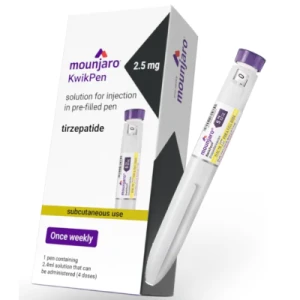
Mounjaro
- Approved Weight Loss Treatment
- Suitable for adults with a BMI of +30kg/m²
- Pre-filled injection pen
Weight Loss Support at Every Step
While Ozempic may not be licensed to treat obesity in the UK, the good news is that there are several other treatments to help you reach your goals if diet and exercise alone aren’t helping. Each has its own mechanism of action and potential side effects, so thorough research is key to determining which one is right for you.
Prescription Doctor’s weight loss service can help with all of this and more. Not only can we simplify access to a wide range of licensed obesity medications, but we also offer a tailor-made solution designed to give you the best possible chance of success.
Our service begins with a straightforward online consultation where you’ll answer a few medical questions. Your information is then reviewed by one of our specialist clinicians to establish whether your chosen treatment is suitable for your circumstances. If not, an alternative may be recommended.
Accepted orders are dispensed from our General Pharmaceutical Council-registered pharmacy in plain packaging; those approved before 3pm on a weekday are eligible for next-day delivery. It really is that simple to obtain the medication you need.
We do not stop there, however, as our clinicians will regularly check in with you to monitor progress and are available to discuss any questions you may have. You can also find a whole library of information on our website relating to the various medications and weight loss in general.
Ready to start your journey? Begin a weight loss consultation with Prescription Doctor today.
Sources
- Aesthetic Surgery Journal (2024): Decoding the Implications of Glucagon-like Peptide-1 Receptor Agonists on Accelerated Facial and Skin Aging.
- Annals of Internal Medicine (2013): Sunscreen and Prevention of Skin Aging: A Randomized Trial.
- BBC News (2025): Weight loss jabs study begins after reports of pancreas issues.
- Clinical, Cosmetic and Investigational Dermatology (2015): Dietary water affects human skin hydration and biomechanics.
- Clinical Drug Investigation (2022): Semaglutide and Diabetic Retinopathy Risk in Patients with Type 2 Diabetes Mellitus: A Meta-Analysis of Randomized Controlled Trials.
- Drugs.com (2025): How long does Ozempic last in your system?
- EMC (2025): Ozempic 0.5 mg solution for injection in pre-filled pen.
- EMC (2025): Mounjaro KwikPen 2.5mg solution for injection in pre-filled pen.
- Eye (2021): Semaglutide and the risk of diabetic retinopathy—current perspective.
- Journal of Personalised Medicine (2022): Sex Differences in Response to Treatment with Glucagon-like Peptide 1 Receptor Agonists: Opportunities for a Tailored Approach to Diabetes and Obesity Care.
- Journal of the Academy ofNutrition and Dietetics (2012): Rate of Weight Loss Can Be Predicted by Patient Characteristics and Intervention Strategies.
- PRS Global Open (2019): Skin Protein Profile after Major Weight Loss and Its Role in Body Contouring Surgery.
- Scientific Reports (2020): Gender differences in adverse event reports associated with antidiabetic drugs.
- The Lancet (2017): Efficacy and safety of once-weekly semaglutide monotherapy versus placebo in patients with type 2 diabetes (SUSTAIN 1): a double-blind, randomised, placebo-controlled, parallel-group, multinational, multicentre phase 3a trial.
- The Lancet (2021): Efficacy and safety of once-weekly semaglutide 2·0 mg versus 1·0 mg in patients with type 2 diabetes (SUSTAIN FORTE): a double-blind, randomised, phase 3B trial.
- The Lancet (2024): GLP-1 receptor agonists for weight reduction in people living with obesity but without diabetes: a living benefit–harm modelling study.
- UK Government (2023): MHRA warns of unsafe fake weight loss pens.
Authored By

Leanne Edermaniger
Medical Content WriterPublished on: 05/02/2025 Re-Published on: 29/01/2026
Reviewed By

Mohamed Imran Lakhi
MPharm - Lead PharmacistReviewed on: 29/01/2026
How We Are Regulated
Payment Options


© 2013 - 2026 Al Muhsineen Limited. All Rights Reserved. Registered Pharmacy: 34 Halliwell Road, Bolton BL1 8RL. Registered Office: 254 First Floor, Shearbrow, Blackburn, England, BB1 8DS


Patient Login
Don't have an account?
Your account will be automatically created after placing your first order.