All inclusive service
No hidden fees

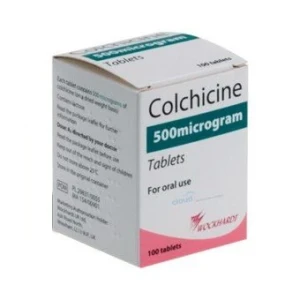
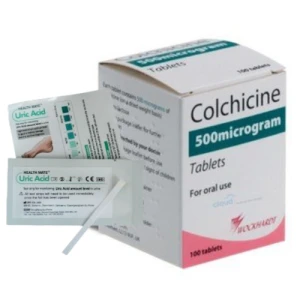
Prices from £16.99
Review More Prices
Your privacy is important, Prescription Doctor are committed to keeping your details completely confidential.
This is why we also take steps to conceal your prescription products under two layers of packaging.
We have a commitment to delivering a discreet service and understand your need for privacy. We ship all orders via a trackable courier using discreet, plain packaging.
Once your order is dispatched you will receive a tracking number via sms and email.
We deliver medications between Monday and Saturday. You can upgrade to Saturday delivery on Friday.
You should receive a tracking number with your order which you can use this number to track your parcel online. This should give you a clear indication of where your parcel is. If you haven’t received your parcel in the time frame given by our couriers, contact your local depot to find out where it is. You can also contact our support team who will do this for you.
On checkout you will be asked to leave your mobile number so our courier can text you about the delivery. This is also useful if the courier has problems finding your address. We will not use your mobile number for anything else.
You can pay for your order using credit, debit card or via bank transfer.
If you don’t have a credit or debit card you can pay via bank transfer. We will give you a unique reference number at checkout along with details of how to make the transfer. Once the money has cleared in our account, we will process your order.
We are a completely secure site and take many measures to ensure your details are kept safe. We understand that you have a right to extreme privacy when purchasing sensitive health medications. All information that you provide to us is stored on our secure servers. Any payment transactions will be encrypted using SSL technology.
You can pay for your order using credit, debit card and bank transfer.
Card Payment: Please notify us that you wish to cancel your order. Your refund will show available In 1 - 3 days.
Bank Transfer: A member of our team will contact you requesting for your bank details. These details are only used to transfer the funds back into your account.
Colchicine is a prescription-only medication that is used to treat conditions that cause inflammation and pain, such as gout. It is a generic medicine that contains the active ingredient colchicine, an anti-inflammatory alkaloid. It works by relieving gout pain and inflammation, treating attacks, and preventing future flare-ups.
Colchicine is an anti-inflammatory medication that is used to:
At Prescription Doctor, our clinician can prescribe colchicine tablets to treat and prevent gout. Colchicine is not a typical anti-inflammatory medicine, like ibuprofen; instead, it acts on the immune system to reduce its response to uric acid crystals.
Gout occurs when uric acid crystals accumulate in the joints, causing inflammation and pain. Typically, your body processes uric acid and excretes excess amounts. In gout, this process is disrupted, leading to crystal formation. Colchicine works by stopping white blood cells, a key component of your immune system, from attacking uric acid crystals in your joints.
By blocking white blood cells from moving to the affected area, colchicine halts the inflammatory cascade, including the release of inflammatory chemicals, thereby preventing the immune response that typically causes severe pain and swelling in people with gout.
Colchicine starts working within 30 minutes to 2 hours, but it can take up to 48 hours to notice an improvement in gout-related pain and swelling. It is most effective when it is taken at the very first sign of a gout flare-up.
Colchicine is considered an effective treatment for managing gout flare-ups. One study found that 42% of people reported at least a 50% reduction in pain when taking colchicine, compared with 17% of those given a placebo.
Another study found that taking a low dose of colchicine (0.6 mg twice daily) at the initiation of allopurinol treatment reduced the frequency and severity of acute gout flare-ups and the likelihood of future attacks.
More recent research suggests that colchicine can reduce the risk of heart attacks and strokes, which are risks for gout patients, but more research is needed.
Colchicine tablets should be swallowed whole with a glass of water. Do not chew or break them. Although it's possible to take colchicine with or without food, taking it with or just after a meal might help reduce side effects such as nausea. It's essential to understand that colchicine has a "narrow therapeutic index". This means the difference between effective and potentially harmful doses is small. Follow dosage instructions exactly and never take more than the amount instructed.
Always remember to take colchicine 500mcg exactly as your prescriber has advised, and check with them if you're ever unsure. They will advise you on the most appropriate dosage regimen, including how many tablets to take and for how long.
The recommended dose schedule of colchicine to treat acute gout attacks is as follows:
You must not take more than 12 colchicine tablets as a course of treatment. Once you have completed a course, you should not start another course for at least 3 days.
To prevent gout flare-ups when starting treatment with other medicines, the recommended dose of colchicine is one 500mcg tablet taken twice daily. Your prescriber will advise how long your treatment should last.
Consistency is key to effective gout prevention. Try to take your prescribed dose at the same time each day, as this helps maintain a steady level of the medication in your system.
It's essential that you do not exceed the recommended dose of colchicine for gout. An important warning has been issued, stating that overdosing on the medication, including by ignoring potential interactions, could lead to very painful and irreversible poisoning with a fatal outcome.
If you are ever unsure about how many colchicine tablets you should take, or potential interactions with other medicines, speak to your prescriber for advice.
If you forget a dose of colchicine, take another as soon as you remember. If it's almost time for your next tablet, do not take the missed one at all. Never try to double-dose to make up for one you have forgotten.
There is a risk of intoxication if you take more colchicine tablets than you are supposed to. Contact your doctor or go to your nearest accident and emergency department immediately, and take any remaining tablets you have with you. Early signs of intoxication, which usually occur after 3 hours but can take longer, include:
It's not recommended to just stop taking colchicine, as your symptoms may come back. You should always contact your clinician or doctor if you are considering stopping treatment, as they can discuss your options with you.
Colchicine can cause side effects in some people, and in some cases can be serious. It is important that you familiarise yourself with the potential side effects and cautions of colchicine before you start treatment. This will help you better understand what to look out for and when you may need to seek medical attention.
Some side effects have been observed with colchicine treatment, but their frequency is unknown and cannot be estimated from available data. These include:
Please note that this is not a complete list of Colchicine side effects. More details are included within the Patient Information Leaflet that comes with the medication. You can report side effects to the Yellow Card Scheme, even if they are not listed, to give doctors a better understanding of the safety of this medication.
If you notice any of the following side effects, stop taking colchicine immediately and go to your nearest accident and emergency department or speak to your doctor:
Common (may affect up to 1 in 10 people) | Uncommon (may affect up to 1 in 100 people) | Rare (may affect up to 1 in 1,000 people) |
|---|---|---|
|
|
If you are experiencing some of the rare side effects, these could be signs that you have a serious blood problem as a result of bone marrow depression.
Colchicine tablets may not be suitable for everyone. It can interact with other medications you may be taking or worsen certain existing health conditions. It is important that you pay attention to any warning or precautions to help you make an informed decision about whether colchicine is right for you.
Although colchicine 500mcg tablets are an effective treatment for gout, they are not suitable for everyone. You should not take the medication if you:
If you are unsure about whether any of the above applies to you, speak to your clinician or doctor before taking colchicine.
It's important that you consult your clinician or doctor before starting colchicine if you:
Tell your clinician or prescriber if you are taking, have recently taken, or may take any other medicines, including any that have been prescribed, available over the counter, or are herbal, as they may affect how colchicine or the other treatment works.
When colchicine tablets are taken with any of the following treatments, side effects due to toxicity are more likely, which can be serious and life-threatening:
If you are taking any of the above medications, your prescriber may want to adjust your colchicine dose or temporarily stop treatment. Alternatively, they may recommend stopping these other medicines while using colchicine.
It's also important to tell your prescriber if you are taking any of these medications:
Colchicine may not be suitable if you are pregnant or breastfeeding, and there are some things you may need to consider before starting treatment, with regard to pregnancy, breastfeeding, and fertility.
They are:
If you have any concerns about taking colchicine, speak to your clinician for more advice.
Colchicine is a prescription-only medication, which means you must have approval from a registered clinician, such as a doctor or pharmacist, before obtaining it. If a clinician thinks that colchicine tablets are a suitable treatment for you, you may be able to get them on the NHS or via a private service.
No, you cannot get colchicine over the counter because you must have a prescription from a clinician. Colchicine can have potentially serious side effects, so it is essential that a clinician determines if it is a suitable medication for you and monitors your response.
Yes, it may be possible to get colchicine on the NHS, but you will need to visit your GP so they can decide if it is a suitable treatment for you. If it is and you pay for your prescriptions, you will need to pay the current NHS prescription charge.
Yes, you can buy colchicine tablets online from trusted online pharmacy services like Prescription Doctor. You will need to complete a short online health questionnaire for our clinician to review and check that colchicine is safe for you. If it is, we will dispatch your medication in plain, discreet packaging, and you can receive it as quickly as the next day.
If you're taking colchicine to treat a gout attack, your course of treatment should end either when your symptoms are relieved or you've taken a total of 12 tablets, whichever is sooner. You'll start by taking two tablets, followed by another after an hour has passed. If necessary, treatment can then resume after another 12 hours have passed, with a maximum dose of one tablet three times daily.
If you take colchicine to prevent gout attacks, you'll usually take it daily, usually one 500 mcg tablet twice a day, but your clinician will tell you how much to take and how long to take it for.
You can continue to eat most foods and drink most beverages while taking colchicine, but you should not drink grapefruit juice. That's because grapefruit juice can increase the amount of colchicine in your blood. It's also important to note that colchicine can reduce the amount of vitamin B12 your gut can absorb.
So, you may need to speak to your clinician about B12 supplements.
Yes, there is no interaction between Colchicine and alcohol, so you are able to drink while taking the treatment. However, doing so increases uric acid levels in your blood, which could worsen your gout. If you do choose to drink alcohol, stick to the national guidelines of no more than 14 units per week.
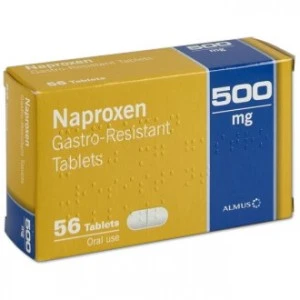
Yes, you can take ibuprofen with colchicine, and your clinician may advise taking them together to treat gout attacks. However, they can both cause similar side effects, so it is important to speak to your clinician before taking ibuprofen and colchicine together.
Yes, you can take colchicine and paracetamol together as there are no known drug interactions between the two. They can be used together to treat an acute gout attack. You should, however, speak to a clinician before combining the two and follow their dosing instructions.
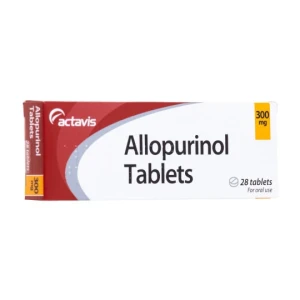
Yes, colchicine can be taken with allopurinol when prescribed. Allopurinol lowers uric acid over the long term, while colchicine treats or prevents inflammation. Doctors often prescribe colchicine when allopurinol is started, or its dose increased, because changing uric acid levels can temporarily increase the risk of gout attacks.
Colchicine can begin working within 30 minutes to 2 hours, although pain and swelling may take one or two days to improve. How long an overall gout attack lasts varies from person to person. Contact your doctor if your symptoms are worsening, have not begun improving or repeatedly return despite treatment.
Do not take colchicine for longer or at a higher dose than prescribed. Once you complete a treatment course, you must wait at least three days before starting another course unless a doctor specifically advises otherwise.
Store colchicine tablets in their original packaging to protect them from light, and keep them out of the sight and reach of children. Follow the temperature instructions on your specific pack, as they can vary by manufacturer. Do not take tablets that are expired, damaged, discoloured or otherwise deteriorated.
Return expired or unwanted colchicine to a pharmacy. Do not dispose of it in household waste or wastewater.
© 2013 - 2026 Al Muhsineen Limited. All Rights Reserved. Registered Pharmacy: 34 Halliwell Road, Bolton BL1 8RL. Registered Office: 254 First Floor, Shearbrow, Blackburn, England, BB1 8DS
Don't have an account?
Your account will be automatically created after placing your first order.