
What is a Calorie Deficit?
Obesity is one of the leading health issues in the UK right now. With so many looking to reduce their body weight, a calorie deficit is an advised practice to assist with this. Maintaining one requires lifestyle changes and commitment, and for newcomers, this can be overwhelming. Many people don’t know where to start or think it won’t do them any good, but we’re here to tell you otherwise.
Calorie deficits can be extremely helpful in weight reduction, especially when partnered with weight-loss treatments. But what is a calorie deficit? This guide will cover everything you could need to know - how to approach one, how to stay on it, and the potential benefits and results of your dedication to one.
What is a Calorie Deficit?
A calorie deficit is achieved when you burn more calories than you consume. Calories are essentially fuel for the body, allowing you the energy needed to go about your day doing all the regular things, such as breathing, moving, thinking, etc. However, it’s very possible to intake too many calories, so many that your body doesn’t do enough on its own to be able to burn through them all. This is when you gain weight, as your body stores the extra calories, mainly as fat.
The opposite is also true. Burning more calories reduces total body weight, as fat is used up faster than it can be replenished. This makes a calorie deficit highly beneficial for weight-loss journeys and makes weight-loss treatments more effective.
How to Reach a Calorie Deficit
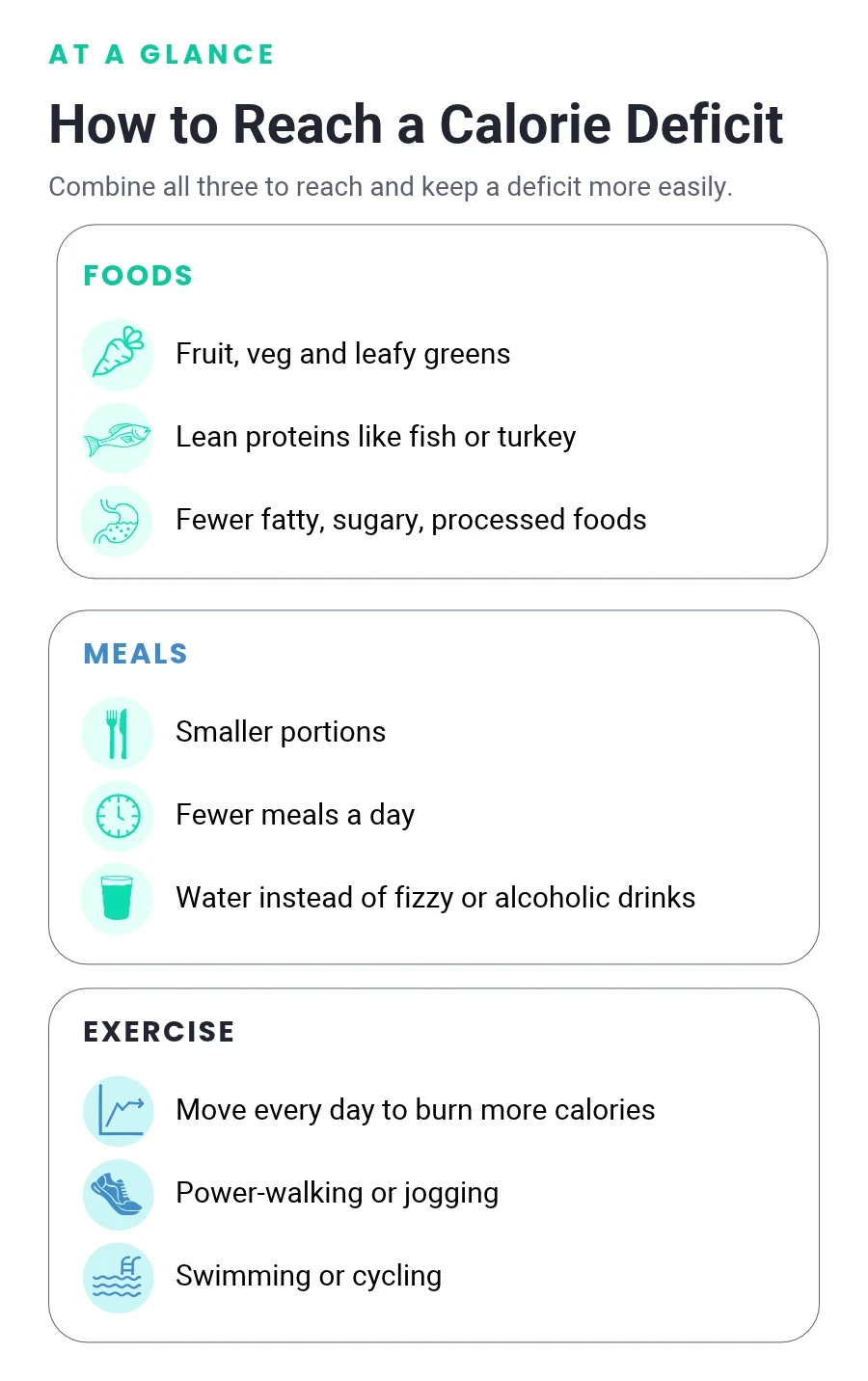
There are many ways to reach a calorie deficit, and they should be used together to achieve and maintain it more easily. These include:
- Foods: Changes to the foods and drinks you consume will help you achieve a calorie deficit. Prioritise lower-calorie items such as fruit and veg, leafy greens like spinach or broccoli, and lean proteins like fish or turkey. Avoid foods high in fat or sugar, as well as unhealthy ultra-processed foods.
- Meals: Beyond what you eat, you can change other aspects of mealtimes. Smaller portions or less frequent meals can reduce calorie intake, as will having only water with meals rather than alcoholic or sugary fizzy drinks.
- Exercise: While food helps reduce calorie intake, daily physical activity boosts the number of calories burned. Power-walking, jogging, swimming, and cycling are approachable, effective cardiovascular exercises that get the blood pumping and calories burning.
How to Maintain a Calorie Deficit
Dedication and perseverance are key in maintaining a calorie deficit. You can't simply achieve it and relax from then on. You must maintain it daily. Keep up your healthy eating diet and regular exercise to maintain it throughout your weight-loss journey.
You can fall back out of a calorie deficit; that’s perfectly fine. This could be due to other commitments getting in the way, or rest days reducing your exercise, and it shouldn't be too hard to regain your momentum. However, you will want to avoid extended periods of being outside a calorie deficit, as the more sustainable you keep it, the better it will be for your body’s health.
Keeping a food diary can be greatly beneficial. Keep track of what you’ve eaten, how many calories you’ve taken in, and subtract to work out how many you have left for the day/week. It can also show your progress, as a physical, visual timeline can be a useful motivator to keep going.
When Should I Stop a Calorie Deficit?
Once you reach a weight you are happy with, shift your calorie intake to match what you burn, rather than having one outweigh the other. This will allow you to maintain this level of weight more easily, without putting additional hardships on yourself. Enjoy this time, but don't slip back into unhealthy eating or a lethargic lifestyle, as that can undo all the hard work you've put in.
Calorie Deficit Benefits
You will feel the benefits of a calorie deficit as you work toward your weight-loss goals. You should feel healthier and slimmer, and your blood sugar, cholesterol, and blood pressure may all be lower too.
The main benefit is weight loss, which is why most people strive for a calorie deficit in the first place. A study showed that continuous calorie-restricted diets resulted in 6kg to 8kg lost over 12 months. When paired with some of the weight-loss treatments Prescription Doctor offers, the potential weight reduction increases even further.
Calorie Deficit Side Effects
While calorie deficits can be very beneficial, they are not without drawbacks. Eating less can cause generally lower energy and mood, which can be worsened by exercise.
While less than ideal, the side effects tend to be mild to moderate in severity and should improve as you adapt to your new lifestyle changes. There are ways you can help combat them, including:
- Stay Hydrated: A key part of many weight-loss plans is keeping up your fluid intake.
- Eat More: While it may sound contradictory, eating more low-calorie foods can keep you full without adding as many calories to your daily intake. Lentils, leafy greens and berries should do you good.
- Regular Sleep: Getting a full 7-9 hours a night will help your body regulate the hormones that control hunger. Sleep is how the body recovers after the day, so giving it the time it needs will be beneficial.
In some cases, you may find your stomach is upset frequently or that you have difficulty concentrating, an experience known as ‘brain fog’. These are not generally common side effects and should be discussed with your clinician.
Why Am I Not Losing Weight in a Calorie Deficit?
Not losing weight even when on a true calorie deficit is uncommon. Not to play the blame game, but a lot of the time a lack of weight loss comes down to user error - which is completely understandable! It can be tricky to monitor every intake of food and drink throughout the day, and we are only human after all.
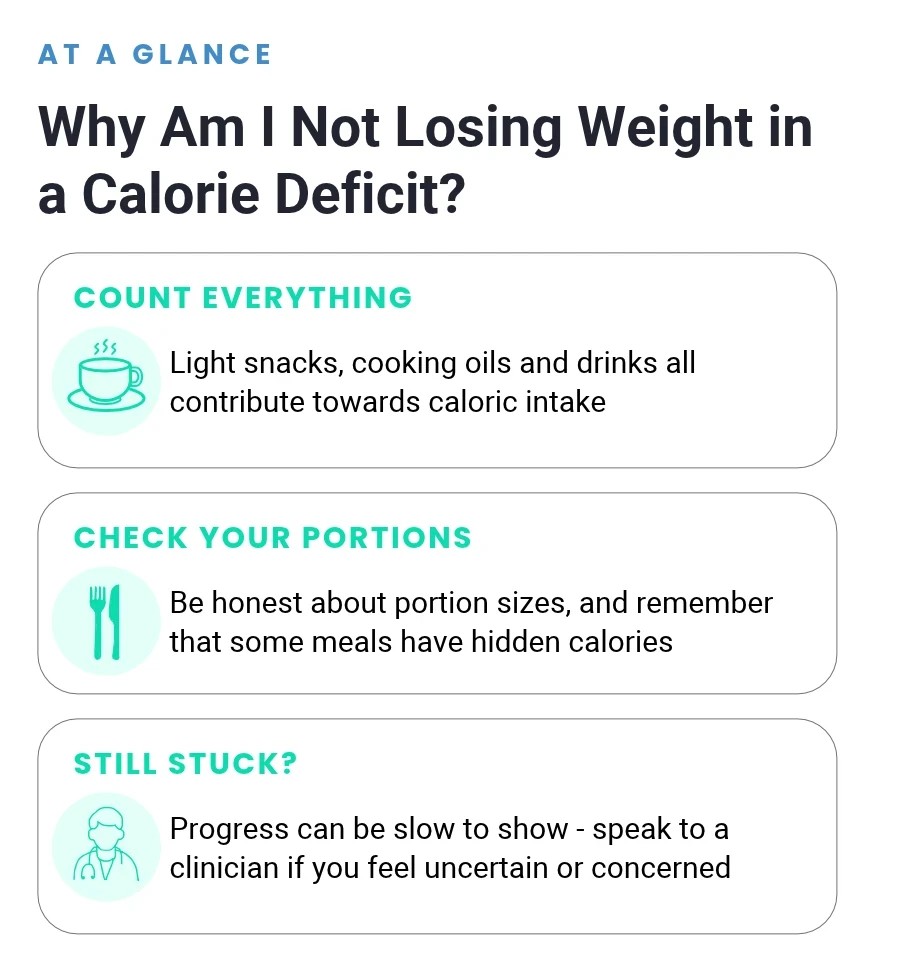
Ensure you’re totalling everything you consume into your calorie amounts - including light snacks, cooking oils and drinks, not just full meals. You should also take into consideration your portion sizes, and assess how many calories are on your plate effectively - it could be that you’re underestimating how high in calories a certain meal actually is.
Your progress may be slow to show. If you feel something else is wrong despite following the recommendations carefully, speak with a clinician, and they can assess and advise you further.
Calorie Deficit Frequently Asked Questions
Calorie deficits can be tricky to get right, especially for those new to weight loss. Finding the balance is key, and the more informed you are, the easier it will be. Here are some questions we are frequently asked that may answer any lingering questions you may have.
Can I Use Weight-Loss Medications on a Calorie Deficit?
Yes, and Prescription Doctor can advise you on which treatment would work best for you. Weight-loss medications can reduce appetite and help you eat less to maintain a calorie deficit. They can make your weight-loss journey more effective and rewarding by boosting weight-loss rates and further lowering calorie intake.
It is worth noting that weight-loss medications tend to come with their own side effects, so be wary of pushing yourself too hard. If you find you’re struggling during treatment, our clinicians are here to help.
How Do I Know What Foods Have Low Calories?
Foods will generally list their calorie units alongside information about fats, sugars and saturated fats. It will be listed as ‘kcal’. Outside of supermarkets and shopping, many restaurants can also disclose calorie information upon request, or have it on the menu.
Does Age Affect a Calorie Deficit?
Yes, in fact, several factors can affect a calorie deficit. These include age, height, weight, sex, and general activity levels. The NHS Weight Loss Plan app includes a handy, accurate calculator that we recommend using to track the number of calories you consume.
Dependable Deficits with Prescription Doctor
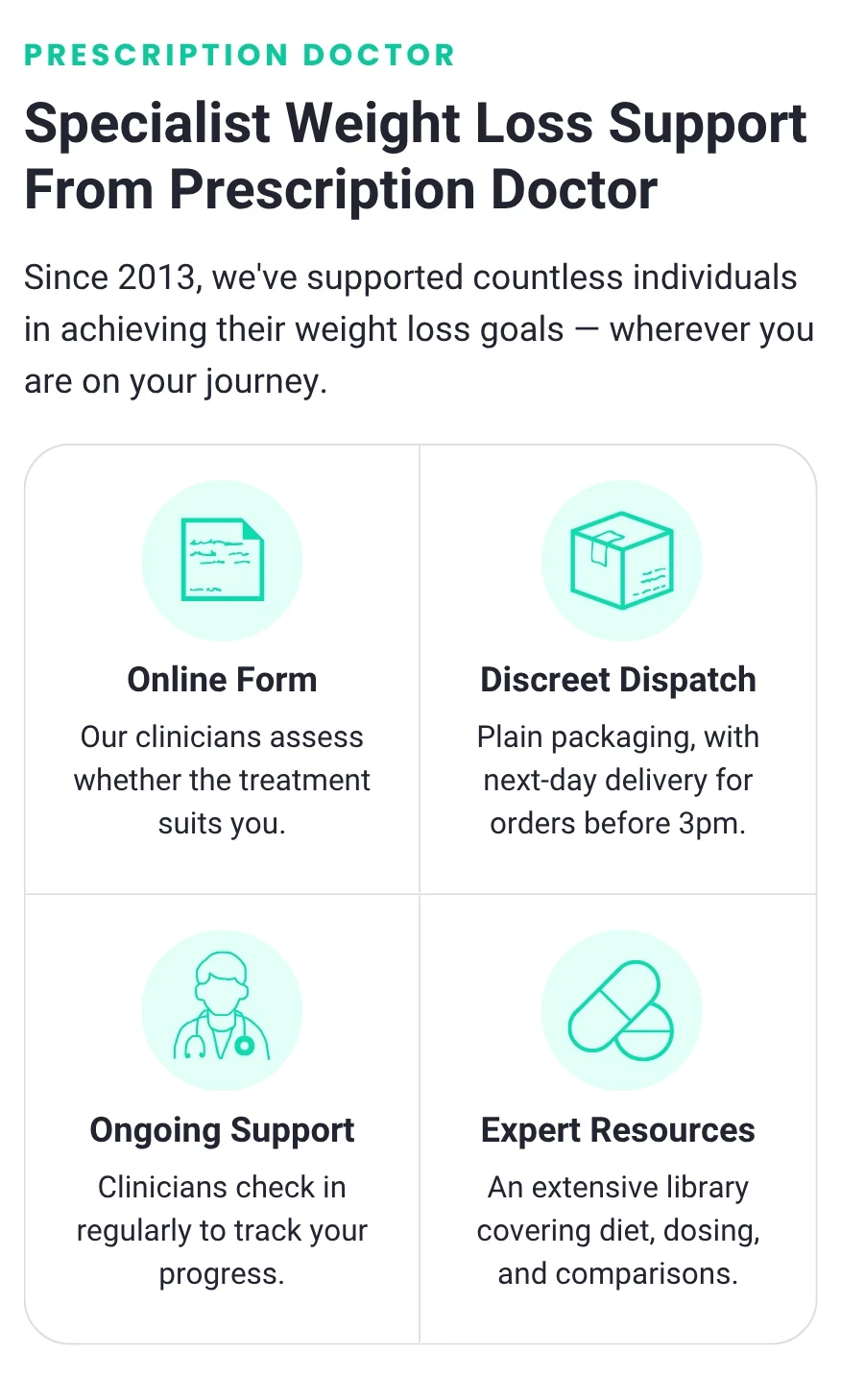
No matter what sort of help you need with your weight-loss journey, whether it's calorie deficits or broader issues, Prescription Doctor is here for you. Our team of talented clinicians is always ready and able to answer any questions or concerns you may have. Don’t just take our word for it; read customer reviews and learn about real-life before-and-after transformations.
Taking the first step toward one of our treatments is as simple as filling out a short online form. There’s no phone call, no face-to-face appointment necessary, just a few minutes of your time from the comfort of your own home. Get in touch today, and let our clinicians help you achieve your weight loss goals.
Sources
Authored & Reviewed By

Mohamed Imran Lakhi
MPharm - Lead PharmacistPublished on: 13/11/2026 Reviewed on: 13/11/2026
How We Are Regulated
Payment Options


© 2013 - 2026 Al Muhsineen Limited. All Rights Reserved. Registered Pharmacy: 34 Halliwell Road, Bolton BL1 8RL. Registered Office: 254 First Floor, Shearbrow, Blackburn, England, BB1 8DS


Patient Login
Don't have an account?
Your account will be automatically created after placing your first order.