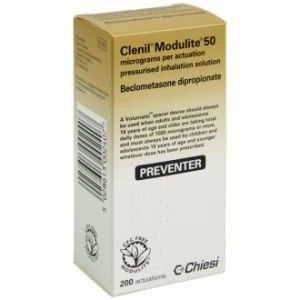
Clenil Modulite Inhaler

In Stock

Prices from £18.99
Review More Prices

Get Started
You must complete a short online consultation so that our prescriber can ensure that the treatment is suitable for you.
Order now to receive your order Friday, June 05
All inclusive service
No hidden fees

Next day delivery
Discreetly packaged
Discreet delivery
Prescriber available
Prescriber assess you online
How to order
  1. Click on the green "Get Started" button, then click "Start Consultation" button on the next page.
  2. Fill in our short consultation form.
  3. Choose delivery method and mode of payment.
  4. Our team of expert prescribers will assess whether medication is suitable.
  5. If you get the green light and it is deemed suitable, your order will be processed quickly and efficiently.
Confidential Service

Your privacy is important, Prescription Doctor are committed to keeping your details completely confidential.

This is why we also take steps to conceal your prescription products under two layers of packaging.

Delivery and Packing
Discreet Delivery?

We have a commitment to delivering a discreet service and understand your need for privacy. We ship all orders via a trackable courier using discreet, plain packaging.

Do I Need to Wait in All Day for Delivery?

Once your order is dispatched you will receive a tracking number via sms and email.

Do You Deliver on Weekends?

We deliver medications between Monday and Saturday. You can upgrade to Saturday delivery on Friday.

My Order Hasn’t Arrived What Should I Do?

You should receive a tracking number with your order which you can use this number to track your parcel online. This should give you a clear indication of where your parcel is. If you haven’t received your parcel in the time frame given by our couriers, contact your local depot to find out where it is. You can also contact our support team who will do this for you.

Can I Be Notified by Text?

On checkout you will be asked to leave your mobile number so our courier can text you about the delivery. This is also useful if the courier has problems finding your address. We will not use your mobile number for anything else.

Payment Methods
How Can I Pay for My Order?

You can pay for your order using credit, debit card or via bank transfer.

I Don’t Have a Credit Card, How Can I Pay?

If you don’t have a credit or debit card you can pay via bank transfer. We will give you a unique reference number at checkout along with details of how to make the transfer. Once the money has cleared in our account, we will process your order.

How Do You Keep My Details Safe?

We are a completely secure site and take many measures to ensure your details are kept safe. We understand that you have a right to extreme privacy when purchasing sensitive health medications. All information that you provide to us is stored on our secure servers. Any payment transactions will be encrypted using SSL technology.

Payment and refunds?

You can pay for your order using credit, debit card and bank transfer.

Card Payment: Please notify us that you wish to cancel your order. Your refund will show available In 1 - 3 days.

Bank Transfer: A member of our team will contact you requesting for your bank details. These details are only used to transfer the funds back into your account.

Patient Reviews: How Clenil Modulite Inhaler Has Made a Difference

Treatment Information

Table of contents:

What is a Clenil Modulite Inhaler?

Clenil Modulite is an asthma inhaler used to prevent asthma attacks from happening. It may be called a ‘brown’ or ‘preventer’ inhaler because it is taken regularly to lower the inflammation in your lungs and stop asthma symptoms such as shortness of breath and wheezing.

Asthma is a chronic respiratory condition that can be exacerbated by several triggers, including:

  • Dust
  • Pollen
  • Animal dander
  • Exercise
  • Pollution
  • Weather
  • Stress

The exact cause of asthma isn’t known, but it causes the airways to become sensitive and inflamed. In response to a trigger, the airways narrow and are clogged with sticky mucus.


How does Clenil Modulite work?

The active ingredient in the Clenil Modulite inhaler is beclometasone dipropionate, a type of steroid medicine that has anti-inflammatory properties. When you take it, it reduces the inflammation in your lungs and airways, which causes swelling and irritation. The action of beclometasone in the Clenil Modulite inhaler helps you breathe more easily.

When an asthmatic person inhales an allergen, such as dust or pollen, their body initiates an immune response, causing the lungs to release inflammation-promoting chemicals. The inflammation makes it difficult to breathe.

The active ingredient in Clenil Modulite stops the cells in the lungs and airways from releasing these chemicals, stopping inflammation.

Clenil Modulite is a ‘preventer’ inhaler to prevent inflammation; it is not an effective treatment during an asthma attack. Instead, you will need a ‘reliever’ inhaler to provide fast, effective relief during an asthma attack.


How to take Clenil Modulite?

The starting dose of Clenil Modulite will depend on the severity of your asthma. A clinician will advise you on which dose you need, but you’ll be given the lowest dose needed to control your symptoms.

When taking Clenil Modulite, your clinician will advise you on how, when, and how many puffs to inhale, as well as how often to use the inhaler.

The medicine is contained inside a pressurised canister inside a plastic casing with a mouthpiece. On the back of the inhaler is a dose counter, so you can see how many doses are left.

To use the Clenil Modulite inhaler:

  1. Sit or stand in a comfortable position to help the medicine reach your lungs effectively.
  2. Remove the mouthpiece cover by holding it firmly between your thumb and forefinger, squeezing gently, and then pulling it away. Check that the mouthpiece is clean and free from foreign objects.
  3. If the inhaler is new or hasn’t been used for at least 3 days, release one puff into the air to ensure it works. If the inhaler is new, it should say ‘200’ on the dose counter.
  4. Hold the inhaler upright with your thumb on the base, below the mouthpiece.
  5. Breathe out as far as you can.
  6. Place the mouthpiece in your mouth between your teeth, without biting, and close your lips around it.
  7. Start to breathe in through your mouth and press down on top of the inhaler to release a puff. Continue breathing steadily and slowly. You must breathe in while the medicine is released; otherwise, it may not be effective.
  8. Hold your breath for 10 seconds while removing the inhaler from your mouth before breathing out.
  9. If you have been advised to take another puff, keep the inhaler upright and wait 30 seconds before repeating steps 4 to 8.
  10. Replace the mouthpiece cover to keep dust out.

After using your inhaler, rinse your mouth or brush your teeth to remove any particles that may be left behind.


How to clean Clenil Modulite

You should clean the inhaler once a week. You do not need to remove the canister from the plastic body.

To clean the inhaler:
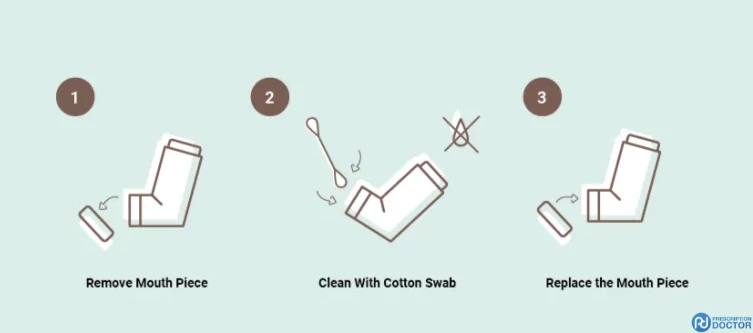
  1. Remove the protective cap from the mouthpiece.
  2. Use a clean cotton bud to clean the small circular opening through which the medicine sprays out of the canister and into your mouth. Twist the cotton bud gently to remove any residual medicine.
  3. Replace the mouthpiece cover.

What happens if you miss a dose of Clenil Modulite?

If you forget to take your Clenil Modulite, miss the forgotten dose and take your next dose as usual. You should not take more puffs than your healthcare provider has instructed you to take.


How to buy Clenil Modulite

You can buy Clenil Modulite online in the UK from Prescription Doctor with a private prescription.

To order Clenil Modulite, you’ll need to:

  1. Fill out a short online medical questionnaire
  2. One of our clinicians will review your answers and, if suitable, will approve your order.
  3. If approved by 3 pm on a weekday, your order will be dispatched in discreet packaging and will arrive via next-day delivery.
  4. If your order is not approved by one of our clinicians, you will receive a full refund as part of the Prescription Doctor money-back guarantee.

Who can take Clenil Modulite?

Clenil Modulite is suitable for most people with asthma, but it may not be suitable for everyone.

Do not use Clenil Modulite if you are allergic to any of the ingredients. Tell your clinician if you:

  • have ever been treated for tuberculosis (TB)
  • have been told to avoid alcohol
  • feel your asthma is getting worse
  • are taking any over-the-counter, prescription, or herbal medicines
  • are pregnant or breastfeeding

Alternative asthma medication

At Prescription Doctor, we offer several asthma treatments:

Preventer inhalersReliever inhalersCombination inhalers
AtroventAiromirFostair
Pulmicort TurbohalerBricanyl TurbohalerSeretide
QvarSalamol CFC-Free 
Symbicort TurbohalerVentolin 

Clenil Modulite side effects and cautions

Before using your Clenil Modulite inhaler, please read the enclosed patient information leaflet carefully. The patient information leaflet contains vital information about using, storing and disposing of Clenil Modulite inhalers.

You can read the patient information leaflet for Clenil Modulite inhalers online.

Clenil Modulite, like all medicines, carries the risk of side effects, though not everyone will experience them.

Common side effects of Clenil Modulite include:

  • Hoarse or sore throat
  • Oral Thrush (fungal infection of the throat or mouth)

Uncommon side effects of Clenil Modulite include:

  • Hives
  • Itching
  • Redness
  • Skin rashes

Very rare side effects of Clenil Modulite include:

  • Abdominal pain
  • Changes in the production of steroids in the body
  • Convulsions (fits)
  • Decrease in bone mineral density (thinning and weakening of the bones)
  • Feeling faint
  • Nausea
  • Sweating
  • Swelling of the face, eyes, lips or tongue
  • Tiredness
  • Vomiting
  • Weight loss

This is not an exhaustive list of side effects associated with Clenil Modulite. Further information regarding the safety of Clenil Modulite can be found within the patient information leaflet enclosed with your medicine.

If you experience any side effects of Clenil Modulite, whether they are listed above or in the patient information leaflet, report them to your doctor or a pharmacist.

Clenil Modulite contains 9 mg of ethanol (alcohol) with each puff.

Allergies

Do not use Clenil Modulite if you are allergic to beclometasone or any of the other ingredients listed in the leaflet.

If you experience signs of an allergic reaction, stop using Clenil Modulite and inform your doctor immediately. For severe reactions, seek emergency medical attention by going straight to your nearest accident and emergency department. Remember to take the packaging and any remaining medicine with you so doctors know exactly what you have taken.

Signs of an allergic reaction include:

  • Chest tightening
  • Dry, red and cracked skin
  • Itchy, red, watery eyes
  • Raised, itchy, red rash (hives)
  • Swelling of the lips, tongue, eyes or face
  • Tummy pain, nausea, vomiting or diarrhoea
  • Wheezing

Pregnancy and breastfeeding

If you are pregnant or breastfeeding, speak to your doctor before using the Clenil Modulite inhaler.

If you become pregnant while taking Clenil Modulite, inform your doctor right away.

Other safety information

Always consult your doctor before purchasing Clenil Modulite online.

Please inform our doctor of all the medications you are currently taking, including those bought over the counter, prescribed by your GP, as well as health and herbal supplements.

Do not use Clenil Modulite inhalers past the expiry date printed on the packaging. The date refers to the last day of the specified month.

Never dispose of Clenil Modulite inhalers in household or water waste. Take any unwanted or expired Clenil Modulite inhalers to your pharmacy and ask them to dispose of them safely on your behalf.

Always store Clenil Modulite inhalers out of sight and out of reach of children and pets.

Never share your Clenil Modulite inhaler with anybody else, even if they are experiencing the same symptoms or have the same condition as you.

Additional Resources

PAGE

Types of asthma triggers

Types of Asthma TriggersAsthma is one of the most common diseases in the UK, with over 5.4 million people receiving regular treatment for asthma. Over 1,000 deaths a year can be attributed to asthma attacks, with attacks hospitalising someone, on average, every 8 minutes.Despite these dangers, the types of asthma triggers are rarely known, even by those who suffer from the disease. Knowing the causes of an asthma attack can be critical for helping to treat it, particularly for types of asthma that have outside irritants, such as:Allergic TriggersThe single most common type of trigger is allergens. Allergens (the irritants to which your body is extra sensitive) are everywhere, so it is essential to know what you are allergic to. The most common types of allergens are pollen, mould spores, animal dander and insect faeces.For severe cases, doctors may prescribe medication to treat allergy-based triggers, usually an antihistamine tablet. This medication prevents or reduces the release of histamines in your body, which are chemicals that cause allergic reactions.NocturnalA nocturnal trigger is a serious and difficult trigger to suffer from. As the name suggests, this trigger comes about at night, whilst sleeping and can be very dangerous for those who suffer from it. Characterised by chest tightness, shortness of breath, and a nighttime cough, it can disrupt sleep patterns for those suffering from it.A night-time attack can catch someone when they are alone, vulnerable and without easy access to their medicine. For this reason, asthma sufferers who find their symptoms growing worse as the evening progresses, or if they have ever had a night-time attack, should see their doctor immediately.It is unclear why nocturnal attacks occur, although it is believed to be related to increased exposure to allergens, the cooling of the airways, or even the reclining position. Whilst there is no cure, daily asthma medication, such as the use of ventolin, is very effective at reducing inflammation.Exercise-Induced AsthmaThis form of asthma trigger is brought on by prolonged or vigorous exercise. Though it does affect those who already have asthma, there are many who only develop this form of asthma during exercise periods.During exercise, cold air is rapidly inhaled through the mouth, rather than being warmed through the nasal passages as it normally is. This can lead to a narrowing of the airways in certain people whose airways are sensitive to changes in temperature.Attacks triggered by this condition are more likely to occur during colder weather. Therefore, it is recommended that individuals who experience this trigger dress appropriately during the winter months, especially with a scarf. Alternatively, exercising indoors or engaging in less vigorous activities can help prevent asthma attacks.Symptoms of EIA usually begin within ten minutes of the start of exercise and include:CoughingTightening of the chestWheezingUnusual fatigueShortness of breathHowever, individuals with asthma should not let their condition prevent them from engaging in regular exercise. Many athletes, including many Olympic-level athletes and professional footballers, suffer from asthma. Treatments such as inhalers or other asthma medications are effective in relaxing the airways and preventing asthma attacks when engaging in sports and exercise.Cough VariantThough many types of asthma involve coughing, Cough-Variant Asthma has severe coughing as its predominant symptom. In particular, this is a dry cough that does not expel any mucus, making it non-productive. People suffering from this variant of asthma often lack other symptoms, such as shortness of breath or chest tightness.Cough-variant asthma is difficult to diagnose and often goes undiagnosed altogether. However, it is most prevalent in young children who have childhood asthma.It can be treated in the same manner as typical asthma, with an inhaler or other inhaled steroid to act as an anti-inflammatory.Occupational TriggersRelated to allergic triggers, occupational triggers are defined as the many irritants that can be found in the workplace. These triggers can be both allergens and irritants, such as:Chemicals such as rubber, latex, plastics and adhesivesAnimal hair or danderCoffee beansFabric dust (cotton, flax, hemp), commonly found in textilesMetals such as platinum, nickel and soldering fumesAttacks triggered by occupational factors can be prevented by reducing exposure to these triggers. OSHA provides guidelines for employers to dictate the acceptable level of exposure to these triggers.To learn more about the dangers of asthma, visit Britain's leading asthma research charity, Asthma UK.Additional ResourcesPink Inhaler For Asthma Is Fostair a Strong Inhaler
Read more →
Types of asthma triggers
PAGE

How to cope with asthma?

Over 5.4 million people in the UK suffer from asthma, and, for many, it is a disease that affects every aspect of their lives. Although there is no cure, asthma is treatable, and with good management, it can be kept under control, allowing anyone to live a full and active life.The first and most critical step to living with asthma is being aware of your asthmatic triggers. These are outside stimuli that cause an abnormal reaction in a person’s immune system, and it is these reactions that can bring on asthma attacks. Allergic reactions are often treatable via antihistamines or allergy shots. For the best diagnosis of allergens, always consult a doctor.The next step is prevention. This is a critical step in fighting asthma triggers. Using a preventive inhaler every day, if prescribed to you, is the best defence against asthma attacks. Remind yourself to use a brown inhaler with these techniques:Set a daily reminder on your phoneLeave a sticky note reminder somewhere you will see it, such as on the mirror or next to your keysKeep your preventive inhaler in a location that is easy to access, such as on a bedside table or near other medications you take.Make it part of your daily routine by taking it at a set time each day, such as immediately after brushing your teeth.Know your surroundings. Allergens such as pollen, mould and animal dander are everywhere, so being aware of these asthma triggers can be critical to help prevent an asthma attack, both at home and in the workplace.Remember to keep a blue inhaler on hand, just in case. Always keep an inhaler in a pocket or handbag when leaving the house.Another quick and easy step is to inform those around you about your asthma. Let them know about your symptoms and where you keep your blue reliever inhaler, ensuring they are aware of which inhaler you need. This is particularly valuable in the workplace. Although asthmatics aren’t obliged to inform their employers about their condition, it is highly recommended that all first-aid personnel are informed and trained to be able to help those who suffer an asthma attack.The vast majority of jobs can be done by a person with asthma with no particular difficulties, though always be aware of possible asthmatic triggers. If these triggers are present, they can be removed by informing an employer or a member of Human Resources.Some jobs, however, do have minimum fitness requirements, such as the armed forces. If you have received treatment for asthma within the last four years, you are not eligible to join a branch of the armed forces. There are still many support positions available for individuals with asthma who wish to serve.These restrictions should not prevent asthma sufferers from taking care of their physical health, though. In fact, regular exercise can be excellent for asthma sufferers. A good diet and a balanced exercise regimen can help strengthen the body, improve lung function, and increase stamina, thereby reducing most asthma symptoms.Additionally, this exercise can help strengthen the immune system, which in turn will aid in fighting off asthma-triggering colds. Government guidelines recommend 150 minutes of physical activity per week for adults. This can be a combination of strenuous and moderate exercise, although a well-rounded exercise regimen is most effective. Most importantly, minimise the amount of time spent stationary behind a desk.Finally, make sure you are registered with your nearest doctor and that they are fully aware of your condition. This is a simple process but can make all the difference when it comes to treatment after an attack.Through planning and consideration, asthma can become an easily manageable disease. No matter what lifestyle you lead, get rid of the worry of asthma attacks and live your life to the fullest.
Read more →
How to cope with asthma?
BLOG

Staying active with asthma

What do Paula Radcliffe, David Beckham and Justine Henin have in common? They all have asthma. In a study published in the BMJ in 2012, it was found that 21%  of the 2004 British Olympic team were asthmatic. Many people believe that having asthma means they cannot engage in sports, but multiple studies have proven this not to be the case.Despite popular belief, exercise is good for asthmatics and can even improve their health. In fact, it's strongly encouraged by asthma.org, a leading UK asthma charity. Three-time London marathon winner Paula Radcliffe said in an interview with the UK asthma charity:"The message that I always try to communicate is that you should control your asthma, not let it control you."She emphasises that warming up and stretching properly before a workout helped her control her asthma and improve her performance overall."I don't think asthma affected my career [...] If anything, it made me more determined to reach my potential. If you learn to manage your asthma and take the correct medication, there's no reason you shouldn't be the best."Dr Michael Koehle, a sports physician at the University of British Columbia, explained that athletes with asthma can perform just as well as their non-asthmatic peers if they warm up before their exercise. He says:"With a better warm-up, you can get away with fewer [medications]."Exercising regularly can improve your lung function, which in turn can increase your stamina, aid in weight loss, boost your immune system, and make you feel better about yourself.Before participating in a vigorous activity or sport, consult your doctor to ensure that your asthma is under control and that it is safe for you to do so. While you don't have to inform your teammates of your condition, it is advisable so that they can assist you if you experience an attack.Sports facilities, dance studios, gyms and adventure sports centres will have faculty who are trained to deal with a range of medical conditions, including asthma. If you suffer an attack, there will be someone there who can help you.Tips on staying safe when exercising with AsthmaPerform a proper warm-up before exercising by stretching and lightly jogging in place. This will reduce the risk of suffering an asthma attack.Take a preventer inhaler if necessary before the activity.Ensure your reliever (blue) inhaler is close by, either in your pocket or with someone you trust.If you feel out of breath, take a break and use your inhaler if needed.Wear a smartwatch or fitness band that monitors your heart rate.What activities are asthma-friendly?If you are asthmatic and want to get into sports, here are the best activities for you to try:AerobicsSwimmingWalking and joggingBadmintonResistant training (Weights)Yoga, T'ai Chi or PilatesDancingRoundersCricketCyclingThese activities incorporate light to moderate exercise with intermittent breaks for rest periods. Contact your local gym or sports centre to see what sports they cater for.If your asthma is well-controlled, you could push yourself with some adventure sports. These can include abseiling, bungee jumping, parachuting, orienteering and mountain biking.Don't let your asthma get in the way of playing a sport you enjoy - these famous athletes certainly didn't. So long as your asthma is under control and you take the appropriate steps to ensure you are prepared in the case you have an asthma attack, you should be able to live an active lifestyle.  Additional ResourcesLearn More About Asthma Medications What Is Pink Inhaler? Is Fostair a Strong InhalerWhat is a brown asthma inhaler
Read more →
Staying active with asthma

Treatment information

  • Product name: Clenil Modulite
  • Active Ingredient(s): Beclometasone
  • Manufacturer: Chiesi
  • Administration: Do not take more than 4 puffs in 24 hours.
  • Presentation: Canister / Actuator
  • Available Strength: 50mcg, 100mcg, 200mcg, 250mcg
  • Exemption: Subject to medical prescription
  • Application: Men and Women
  • Dosage: Take as prescribed by a doctor
  • Description: Clenil Modulite is a prescription inhaled medicine used to prevent bronchospasm.
  • Drug class: Corticosteroid
  • Price: 18.99 GBPhttps://www.prescriptiondoctor.com/storage/product_images_th/g116qR0H8JwwUWhKLiQMrt6zd322OS.jpg
Click here to view the Clenil Modulite Inhaler - Patient Information Leaflet

Authored & Reviewed By

Mohamed Imran Lakhi

Mohamed Imran Lakhi

MPharm - Lead Pharmacist
Imran Lakhi is the superintendent pharmacist and founder at Prescription Doctor. He has been at the core of our team.

Published on: 27/12/2018 Reviewed on: 13/03/2024

Asthma Alternatives

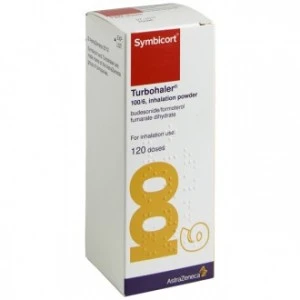
Symbicort Turbohaler

Symbicort Turbohaler

  • Prevents asthma symptoms from occurring
  • Counts remaining doses
  • Active ingredient budesonide
View Treatment
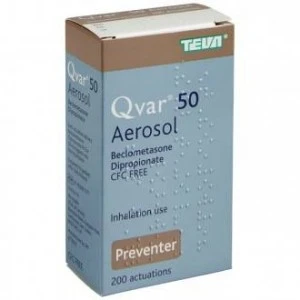
Qvar

Qvar

  • Prevents asthmatic symptoms
  • Available in different inhalers
  • Next day delivery
View Treatment
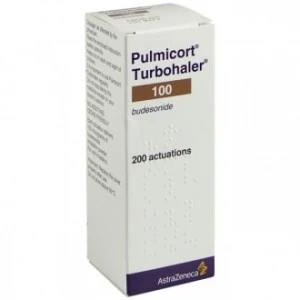
Pulmicort Turbohaler

Pulmicort Turbohaler

  • Prevents asthmatic symptoms
  • Easy to use Turbohaler
  • Active ingredient Budesonide
View Treatment
Atrovent

Atrovent

  • Prevents bronchospasm
  • Available for repeat order
  • Dispensed from UK registered pharmacy
View Treatment
Fostair Pink Inhaler

Fostair Pink Inhaler

  • Daily preventer inhaler
  • Combined action
  • Compatible with spacers
View Treatment
Customer Service