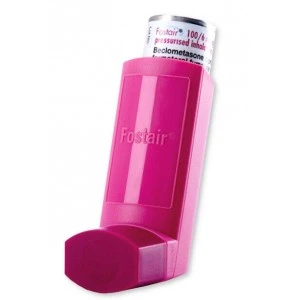
Fostair Pink Inhaler

In Stock

Prices from £48.99
Review More Prices

Get Started
You must complete a short online consultation so that our prescriber can ensure that the treatment is suitable for you.
Order now to receive your order Tuesday, June 09
All inclusive service
No hidden fees

Next day delivery
Discreetly packaged
Discreet delivery
Prescriber available
Prescriber assess you online
How to order
  1. Click on the green "Get Started" button, then click "Start Consultation" button on the next page.
  2. Fill in our short consultation form.
  3. Choose delivery method and mode of payment.
  4. Our team of expert prescribers will assess whether medication is suitable.
  5. If you get the green light and it is deemed suitable, your order will be processed quickly and efficiently.
Confidential Service

Your privacy is important, Prescription Doctor are committed to keeping your details completely confidential.

This is why we also take steps to conceal your prescription products under two layers of packaging.

Delivery and Packing
Discreet Delivery?

We have a commitment to delivering a discreet service and understand your need for privacy. We ship all orders via a trackable courier using discreet, plain packaging.

Do I Need to Wait in All Day for Delivery?

Once your order is dispatched you will receive a tracking number via sms and email.

Do You Deliver on Weekends?

We deliver medications between Monday and Saturday. You can upgrade to Saturday delivery on Friday.

My Order Hasn’t Arrived What Should I Do?

You should receive a tracking number with your order which you can use this number to track your parcel online. This should give you a clear indication of where your parcel is. If you haven’t received your parcel in the time frame given by our couriers, contact your local depot to find out where it is. You can also contact our support team who will do this for you.

Can I Be Notified by Text?

On checkout you will be asked to leave your mobile number so our courier can text you about the delivery. This is also useful if the courier has problems finding your address. We will not use your mobile number for anything else.

Payment Methods
How Can I Pay for My Order?

You can pay for your order using credit, debit card or via bank transfer.

I Don’t Have a Credit Card, How Can I Pay?

If you don’t have a credit or debit card you can pay via bank transfer. We will give you a unique reference number at checkout along with details of how to make the transfer. Once the money has cleared in our account, we will process your order.

How Do You Keep My Details Safe?

We are a completely secure site and take many measures to ensure your details are kept safe. We understand that you have a right to extreme privacy when purchasing sensitive health medications. All information that you provide to us is stored on our secure servers. Any payment transactions will be encrypted using SSL technology.

Payment and refunds?

You can pay for your order using credit, debit card and bank transfer.

Card Payment: Please notify us that you wish to cancel your order. Your refund will show available In 1 - 3 days.

Bank Transfer: A member of our team will contact you requesting for your bank details. These details are only used to transfer the funds back into your account.

Patient Reviews: How Fostair Pink Inhaler Has Made a Difference

Treatment Information

Table of contents:

Fostair - Pink Preventer Inhaler

Fostair is a brand of inhaler from the Italian pharmaceutical company Chiesi.

The pink Fostair inhaler contains a corticosteroid and a long-acting bronchodilator. Fostair is used to prevent symptoms of asthma, such as coughing, wheezing, and chest tightness, from developing.

Fostair is available as a pressurised spray inhaler or a dry NEXThaler. Fostair comes in two strengths: 100/6 and 200/6.

Fostair 100/6 contains 100 micrograms of beclometasone dipropionate and 6 micrograms of formoterol fumarate dihydrate. Fostair 200/6 contains the same amount of formoterol fumarate, but contains 200 micrograms of the corticosteroid known as beclometasone.

To begin your order for the pink Fostair inhaler, complete our online medical form, which will be reviewed by one of our doctors.

If our doctor approves your order before 3pm on weekdays, we can dispatch your item the same day. All items are dispatched from our UK-registered pharmacy in discreet packaging to ensure your privacy is maintained.


What is Fostair (pink inhaler)?

Fostair is a pink combination inhaler for asthma, which contains two active substances: Beclometasone dipropionate and formoterol fumarate dihydrate.

Beclometasone dipropionate belongs to a group of medicines known as corticosteroids (steroids), which reduce inflammation, relieve irritation in your lungs and suppress the immune system.

Formoterol fumarate dihydrate belongs to a class of medications called long-acting bronchodilators, which help make breathing easier by relaxing the muscles in the lungs and widening the airways.

Combined, these two active substances help make breathing easier by providing relief from symptoms such as shortness of breath, wheezing, and coughing for asthma sufferers.

What does Fostair look like?

The medicine is contained in a pressurised canister, which is enclosed in a pink inhaler casing with either a pink or green cap over the mouthpiece.

The different colour cap indicates the dosage:

  • Fostair 100/6 has a pink cap/label
  • Fostair 200/6 has a green cap/label

The colours represent the same doses for both Fostair inhalers and Fostair NEXThalers.

You will find a number counter on both the aerosol inhaler and the Fostair NEXThaler, which indicates the number of remaining doses. Each inhaler contains 120 doses.

Every time you press the canister down, a puff of Fostair is released, and the counter will count down by one. This feature is useful for tracking the number of doses remaining in the inhaler and can also help determine how often you are using it.

Why are Fostair inhalers pink?

Asthma inhalers are colour coded; each colour represents the group it belongs to based on how it works.

The pink Fostair inhaler belongs to a group of inhalers called Combination ICS (inhaled corticosteroid)/LABA (Long-Acting Beta Agonist) inhalers. Inhalers within this class are typically coloured pink, red or purple. Other inhalers that belong to this group include Seretide and Symbicort.

Typically, the pink Fostair inhaler is taken twice a day, once in the morning and once in the evening, to prevent asthma attacks. However, it is possible to use Fostair as a reliever inhaler. Your doctor will instruct you on how to take Fostair.

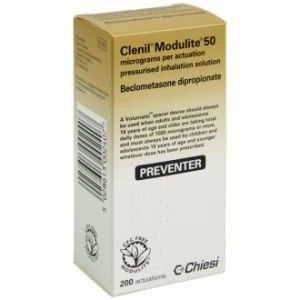
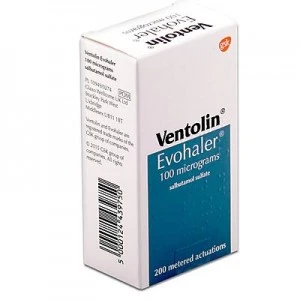
For reference, reliever inhalers, such as Ventolin, are typically blue. Corticosteroid (steroid) inhalers, like Qvar or Clenil Modulite, are usually brown, and long-acting beta2 agonists, like Serevent, are usually green or teal.


How does the pink Fostair inhaler work for asthma?

Fostair is used for the regular treatment of asthma in adults whose condition is either:

  • Not controlled sufficiently by using inhaled corticosteroids and ‘as needed’ short-acting bronchodilators, or;
  • Responding well to the combined treatment of both corticosteroids and long-acting bronchodilators.

Fostair does not cure asthma, but it is used to help manage your asthma symptoms.

When taken regularly, it can prevent the incidence of wheezing and breathlessness..

Your doctor can prescribe Fostair in a few different ways:

  1. Use Fostair on its own every day to manage your asthma and use it to treat sudden, aggravating asthma symptoms, such as shortness of breath, wheezing, or coughing.
  2. Use Fostair every day to manage your asthma, in conjunction with a separate reliever inhaler to treat sudden, aggravating asthma symptoms, such as shortness of breath, wheezing, or coughing.
  3. Use Fostair in combination with a separate reliever inhaler to provide relief from acute asthma symptoms.

While using asthma inhalers, it's important to be aware of things which might trigger an asthma attack.

You should always carry your reliever inhaler with you in case your symptoms suddenly worsen. Your pink Fostair inhaler is not a replacement for your blue reliever inhaler, if you have been prescribed one.


How Do I Take Fostair?

Always use Fostair inhalers exactly as your doctor or pharmacist has prescribed. Your doctor will instruct you on how many puffs to take and how often to use Fostair.

When taking Fostair, your doctor will advise regular check-ups to ensure the dose is working for you and make any necessary adjustments to your treatment.

Fostair can be used as both a preventer inhaler and a reliever inhaler.

Taking Fostair as a "reliever" inhaler alongside a "preventer" inhaler:

Fosair can be used as a reliever. When asthma symptoms arise, take one puff from the pink inhaler and wait for symptoms to improve.

Your symptoms should improve within a couple of minutes of taking Fostair.

Do not take more than 6 puffs of Fostair a day when using it as a "reliever".

Taking Fostair as a "reliever" and "preventer" inhaler:

If your doctor has prescribed Fostair as a preventer, the usual dosage is 1 puff in the morning and 1 puff in the evening.

When asthma symptoms occur, you can use Fostair as a reliever inhaler.

Do not take more than 8 puffs of your pink Fostair inhaler when using it as your only inhaler.

How to take Fostair:

Fostair is for inhalation use and should be inhaled directly through your mouth and delivered into your lungs.

  1. Sit or stand upright with your chin raised slightly.
  2. Shake the inhaler before each use.
  3. Exhale gently until you feel the urge to breathe in.
  4. Put the mouthpiece of the inhaler in your mouth and close your mouth around it to create a tight seal. Do not bite or chew on the mouthpiece.
  5. Begin to breathe in deeply and press the canister to release the medicine.
  6. Continue to breathe in to ensure the medicine reaches your lungs.
  7. Hold your breath for 10 seconds (or for as long as you feel comfortable).
  8. Exhale slowly through your mouth.

When you have finished using your Fostair inhaler, replace the cap and store it in a safe place.

Be mindful not to drop the pink inhaler, as this can cause the counter to count down, resulting in an incorrect reading on the remaining number of doses.

What should I do if I forget to take my Fostair inhaler when I should?

If you forget to take your pink inhaler when you should, take it as soon as you remember and continue to take Fostair as you normally would.

Do not take a double dose of Fostair to make up for a missed dose.

If you often forget when to take your pink inhaler, store it in a place that will remind you. If possible, try to keep your inhalers together and make a mental note to take your pink inhaler as prescribed.

Forgetting to take your pink inhaler may increase the risk of your asthma symptoms worsening.

What should I do if I take too much Fostair pink inhaler?

If you take more Fostair than you should, inform your doctor immediately or go directly to the nearest hospital. Remember to take the packaging with you, even if it’s empty, so that doctors treating you know exactly what and how much you have taken.

If you notice that your symptoms are worsening or becoming difficult to control (e.g., if you need to use Fostair more frequently or if Fostair stops working for you), please see your doctor as soon as possible. They may change your dose of Fostair or prescribe an alternative asthma treatment if suitable.

Can I use my pink Fostair inhaler with a spacer?

Yes, you can use an AeroChamber Plus spacer with the Fostair aerosol inhaler.

We encourage you to speak to your doctor about using a spacer with your pink inhaler. They will be able to demonstrate the correct technique for using a spacer with Fostair and inform you which spacers are compatible with your inhaler.

A spacer is a plastic tube that has a mouthpiece on one end. On the other end, you can attach your inhaler.

Using a spacer extends the amount of time it takes for the medicine to enter the lungs. It also allows you to inhale the medicine more effectively, giving you more time to absorb it into your lungs.

The spacer also concentrates the medicine into a tube, which stops it from escaping into the air.


Fostair side effects and cautions

Before using Fostair, it’s essential to read the accompanying patient information leaflet (PIL). This leaflet contains important information regarding the use and safety of the medicine.

You can read the Patient Information Leaflet (PIL) for Fostair inhalers online.

Side effects of Fostair

Every medicine carries the risk of side effects, though not everyone taking Fostair will experience them. It’s essential to be aware of the potential side effects throughout your treatment course.

Common Fostair side effects include:

  • Fungal infections in the mouth or throat (oral thrush)
  • Headache
  • Hoarseness
  • Sore throat
  • Pneumonia (in COPD patients)

This is not an exhaustive list of side effects. Further information regarding the safety of Fostair, including a complete list of side effects, can be found inside the patient information leaflet which comes with your inhaler.

If you experience any side effects from Fostair, regardless of whether they are listed above or in the patient information leaflet, inform your doctor immediately or speak to a pharmacist for advice.

Allergies

Do not use Fostair if you are allergic to beclometasone dipropionate, formoterol fumarate dihydrate or any of the other excipients listed in the leaflet.

If you experience an allergic reaction after using Fostair, stop using the inhaler immediately. Seek immediate medical attention by going straight to your nearest accident and emergency department. Remember to take the packaging and any remaining medication with you, so that the doctors treating you know exactly what you have taken.

Signs of an allergic reaction include:

  • Chest tightening
  • Dry, red, cracked skin
  • Itchy, red, watery eyes
  • Raised, itchy, red rash (hives)
  • Swelling of the face, lips, tongue or throat
  • Tummy pain, nausea, vomiting or diarrhoea
  • Wheezing

Pregnancy and breastfeeding

Do not use Fostair if you are pregnant, planning on becoming pregnant, or breastfeeding, unless your doctor has advised that it is safe to do so.

If you become pregnant while taking Fostair, please inform your doctor immediately.

Other safety information

If you have any questions about Fostair or asthma, our online prescriber will be happy to help you. You can discuss any concerns with our prescriber using the "my chats" feature under your Prescription Doctor account.

Please inform our medical team of all medicines you are currently taking, including those prescribed by your doctor, or bought over the counter, as well as health or herbal supplements.

Do not use Fostair for more than 3 months from the date the inhaler was prescribed to you.

Never use Fostair past the expiry date printed on the packaging.

How do I store Fostair inhalers?

Do not store Fostair above 25°C. Keep Fostair in a cool, dry place.

Always store Fostair and other medicines out of sight and reach from children and pets.

Never dispose of medicine via household or water waste, as this can harm the environment. Instead, you should take any expired or unwanted medicine to your local pharmacy, which can dispose of them safely on your behalf.

Never share your Fostair inhaler with anybody else, even if they are experiencing the same symptoms or have been diagnosed with the same condition as you.


Frequently Asked Questions

Can I drink alcohol while taking the pink Fostair inhaler?

You can drink alcohol while taking your Fostair pink inhaler. However, if the alcohol aggravates your asthma symptoms, then you should avoid or limit your alcohol consumption. Do not drink more than the recommended 14 units of alcohol as per government guidelines.

Will Fostair impact my ability to drive or operate machinery?

Fostair should not have an effect on your ability to drive or operate machinery. If you experience any symptoms after taking your pink inhaler, such as dizziness or trembling, avoid activities that require concentration until you feel it is safe to do so.

Can the pink Fostair inhaler cause thrush?

Fostair - among other corticosteroid (brown, pink and purple) inhalers - can increase the risk of oral thrush. After taking your pink inhaler, you should rinse your mouth with water. Do not swallow the water used to rinse your mouth.

Do I need to keep the pink Fostair inhaler in the fridge?

Before being dispensed from a pharmacy, Fostair is stored in a fridge. However, once the medicine has been dispensed, it has a shelf life of approximately 5 months out of the fridge. You should not store Fostair above 25°C or subject the medicine to temperatures exceeding 50°C.

Information about storing your pink inhaler can be found in the patient information leaflet. If you are still unsure about how to store your pink inhaler, ask a pharmacist for advice.

How long does a pink Fostair inhaler last?

Fostair usually lasts for 60 days (2 months) when taken twice a day, although it may last for a shorter period if you use your Fostair inhaler more frequently. If you feel you are using your pink inhaler too often, speak to your doctor.


Sources

Chiesi Limited, 2020. Fostair 100/6mcg per actuation pressurised inhalation solution: Summary of Product Characteristics

NHS, 2018. Asthma.

Additional Resources

BLOG

How to stay active with asthma?

What do Paula Radcliffe, David Beckham and Justine Henin have in common? They all have asthma. In a study published in the BMJ in 2012, it was found that 21%  of the 2004 British Olympic team were asthmatic. Many people believe that having asthma means they cannot engage in sports, but multiple studies have proven this not to be the case.Despite popular belief, exercise is good for asthmatics and can even improve their health. In fact, it's strongly encouraged by asthma.org, a leading UK asthma charity. Three-time London marathon winner Paula Radcliffe said in an interview with the UK asthma charity:"The message that I always try to communicate is that you should control your asthma, not let it control you."She emphasises that warming up and stretching properly before a workout helped her control her asthma and improve her performance overall."I don't think asthma affected my career [...] If anything, it made me more determined to reach my potential. If you learn to manage your asthma and take the correct medication, there's no reason you shouldn't be the best."Dr Michael Koehle, a sports physician at the University of British Columbia, explained that athletes with asthma can perform just as well as their non-asthmatic peers if they warm up before their exercise. He says:"With a better warm-up, you can get away with fewer [medications]."Exercising regularly can improve your lung function, which in turn can increase your stamina, aid in weight loss, boost your immune system, and make you feel better about yourself.Before participating in a vigorous activity or sport, consult your doctor to ensure that your asthma is under control and that it is safe for you to do so. While you don't have to inform your teammates of your condition, it is advisable so that they can assist you if you experience an attack.Sports facilities, dance studios, gyms and adventure sports centres will have faculty who are trained to deal with a range of medical conditions, including asthma. If you suffer an attack, there will be someone there who can help you.Tips on staying safe when exercising with AsthmaPerform a proper warm-up before exercising by stretching and lightly jogging in place. This will reduce the risk of suffering an asthma attack.Take a preventer inhaler if necessary before the activity.Ensure your reliever (blue) inhaler is close by, either in your pocket or with someone you trust.If you feel out of breath, take a break and use your inhaler if needed.Wear a smartwatch or fitness band that monitors your heart rate.What activities are asthma-friendly?If you are asthmatic and want to get into sports, here are the best activities for you to try:AerobicsSwimmingWalking and joggingBadmintonResistant training (Weights)Yoga, T'ai Chi or PilatesDancingRoundersCricketCyclingThese activities incorporate light to moderate exercise with intermittent breaks for rest periods. Contact your local gym or sports centre to see what sports they cater for.If your asthma is well-controlled, you could push yourself with some adventure sports. These can include abseiling, bungee jumping, parachuting, orienteering and mountain biking.Don't let your asthma get in the way of playing a sport you enjoy - these famous athletes certainly didn't. So long as your asthma is under control and you take the appropriate steps to ensure you are prepared in the case you have an asthma attack, you should be able to live an active lifestyle.  Additional ResourcesLearn More About Asthma Medications What Is Pink Inhaler? Is Fostair a Strong InhalerWhat is a brown asthma inhaler
Read more →
How to stay active with asthma?
BLOG

5 athletes you didn't know have asthma

Asthma doesn't have to prevent a healthy lifestyle, and, in fact, regular exercise can help manage asthma symptoms. A healthy workout can help:Improve lung strengthBoost the immune systemSupport weight loss  Asthma is not the debilitating disease that it is often portrayed as, and it certainly didn't stop these famous athletes from achieving their dreams.Paula RadcliffeDiagnosed at the age of 14 with an exercise-induced asthma trigger, Paula went on to become one of the best marathon runners in the world, and to this day holds the Women's World Record for marathon with a time of 2:15:25.Paula states that, when training, she uses a preventative inhaler in the morning and a reliever inhaler before exercising, increasing the dosage as needed. She would then use a preventative inhaler again before going to bed.David BeckhamThe former England captain is an inspiration for many young footballers across the country and remains one of the most iconic names in English football. However, many would be surprised to know that David has suffered from asthma since his childhood.Although he had never sought to make it public, the fact came to light during his final cup game with the LA Galaxy. Afterwards, he told reporters."If it does inspire any sufferer to think they can achieve great things like many other sportsmen have done then so much the better."Amy Van DykenThe American former competitive swimmer, Olympic gold medal winner and former world record holder suffered from asthma for her entire childhood. The severity of her asthma prevented her from joining in many activities until she was six, and doctors recommended she try swimming.Despite opposition from her peers, Amy smashed every record, becoming the star of her school swim team and not stopping until she reached the Olympics.Swimming is often recommended to asthma sufferers due to the moisture-filled air, endurance-building exercise and great lung control that it helps develop.Frank LampardThe all-time leading Chelsea goal scorer is held in high regard as one of the greatest midfielders in the history of football. However, few realise he accomplished this despite suffering from asthma since an early age.Much like his father, Frank Lampard Sr., the young Frank Lampard began his career at West Ham United before moving on to play for Chelsea, Manchester City, and the England national team."There were many times in my career as a kid when I thought I wouldn't make it..."With over 200 total goals scored, Frank remains one of the legends of English football, overcoming every hurdle in his path.Kristi YamaguchiOlympic gold medal figure skater, two-time world champion and member of the U.S. Olympic Hall of Fame, Kristi Yamaguchi is an inspiration for aspiring athletes who suffer from asthma. In 2008, she was named chairperson for the American Lung Association, helping to promote respiratory health and fight lung disease.Kristi has battled asthma since childhood, but her grace and strength, both on and off the ice, have become an inspiration for many.Top tips for athletic successExercise-induced asthma is the most common asthma trigger for athletes to suffer from. Exercise-induced attacks can be a significant hurdle for budding athletes to overcome, causing many to question their dreams. However, much like the accomplished athletes in this list have done, it can be fought and beaten. With good planning and a few preventative steps, asthma can be handled and controlled.A preventive inhaler, taken once in the morning and once at night, can help control asthma symptoms and prevent any attacks from occurring. A reliever inhaler, used before exercise or kept close at hand in case of an attack, will prevent any symptoms from getting in the way of a good workout.Always ensure you warm up fully before engaging in exercise, especially in cold weather. Afterwards, go through a few warm-down exercises as well, taking particular care to stretch. This can help against triggering attacks from sudden shifts in temperature.Finally, and perhaps most importantly, set goals and achieve them. Once asthma control is part of your routine, you can achieve your athletic goals.Additional ResourcesLearn More About Asthma Medications What Is Pink Inhaler? Is Fostair a Strong InhalerWhat is a brown asthma inhaler
Read more →
5 athletes you didn't know have asthma
BLOG

What to do after an asthma attack?

With so many people suffering from asthma, it's often thought of as a somewhat minor illness. However, every ten seconds, someone will suffer an asthma attack, which can be life-threatening if not dealt with quickly and calmly. Indeed, asthma attacks can be lethal, causing 3 deaths a day in the UK, many of which could be avoided if they were dealt with correctly.Below, we teach you how to respond to an asthma attack, to minimise the risk of danger and help guide you through what can be a traumatic event. We also provide you with a comprehensive guide on the actions to take after an asthma attack.Symptoms Of An Asthma AttackIf you don't have asthma or aren't aware of having asthma, you might find yourself wondering if you are, in fact, having an attack at all. Similarly, if you think your friend or loved one may be having an attack, you can check the signs of such against the following:Wheezing (during both inhalation and exhalation)Rapid breathingUncontrollable coughingFeelings of anxiety or panicTightened neck and chest musclesBecoming paleFeeling clammy or sweatyThese symptoms can also correspond to a panic or general anxiety attack, and many asthma sufferers note that having an asthma attack can often bring on a panic attack. For this reason, it's important to remain calm during an attack. You can often lessen the symptoms of anxiety and panic by knowing what to do after an asthma attack and having a plan in place.What To Do After An Asthma AttackHaving an asthma attack can be very scary and often leave you feeling a little light-headed and anxious. This is completely normal, as your body will have just suffered a traumatic experience, feeling that it could not supply enough oxygen to meet your needs.However, it's important to remember that the asthma attack has passed, and you can now work on preventing any future attacks. This is especially important when you consider that one in seven asthma sufferers will have another attack within two weeks of their first.In order to avoid needing any emergency treatment or suffering another asthma attack in the near future, preventative methods are advisable. These consist of a few simple steps, which can not only help you physically, but will also put your mind at ease.1. Contact your GPIt is important that you make an appointment with your doctor or nurse as soon as the attack has subsided. Let the receptionist know that you have had an asthma attack, and they should schedule an appointment for you within 48 hours. If you feel your attacks are getting worse, try a walk-in centre or request an emergency appointment.It's essential to do this, even if you're currently feeling well. Your doctor or asthma nurse will be able to help you avoid future attacks by reviewing your medication, or work with you to lessen the effects of each attack2. Continue Your Medication As NormalWhile it may be tempting to take more of your inhaler than you normally would, or even to stop using it because you feel it isn't working, it's important to continue your medication as usual. If a change is necessary, you and your doctor should be able to work together to adjust the medication level you need, provided you have followed our first step.You should also never stop taking your inhaler, without consulting your doctor first, as these work by relaxing your airways and ensuring that a second asthma attack does not occur. They are also likely to reduce your other symptoms and make your airways less sensitive to triggering environments.3. Give Yourself Time To RecoverWhile many make light of asthma, it is still a traumatic experience to suffer from an asthma attack. As such, it is important that you give yourself the space and time to recover from the attack. Use this time to make a recovery plan, in case another asthma attack occurs and be sure to stay in contact with your doctor.Try to avoid known triggers, as these increase the severity and likelihood of another asthma attack. If you believe there is another key issue at play, bring it to your doctor's attention during your next visit, so that your notes can be updated accordingly. It also allows your doctor to complete a more thorough investigation, should your asthma worsen.To concludeThe main thing to remember after going through the ordeal of your asthma attack is to continue your medication as normal, talk to your doctor and give yourself breathing space. These simple instructions are key components in avoiding the danger of another attack, which has been known to happen within two weeks of your previous flare-up.We hope that you have found this guide helpful and now feel more confident about what to do after an asthma attack. Remember that, while this blog has been created with the most up-to-date research, it's always important to listen to your doctor, and follow their guidelines closely. For more information, visit our other blogs and guides to learn how to live in harmony with your asthma.SourcesNHS.ukAsthma.org.ukAdditional ResourcesLearn More About Asthma Medications What Is Pink Inhaler? Is Fostair a Strong InhalerWhat is a brown asthma inhaler
Read more →
What to do after an asthma attack?
BLOG

What to do if someone is having an asthma attack?

Watching someone you know and care for struggle with their breathing can be a very upsetting experience. In these cases, it's fair to say that you might find yourself wondering what to do if someone has an asthma attack, including whether you are over-reacting or even not worrying enough.Not to mention that, without being able to feel what they're going through, it's hard to put words to the severity of the issue. That's why we've created this comprehensive guide to help you know what to do if you see someone experiencing an asthma attack.How Do I Know If Someone Is Having An Asthma Attack?The first thing you'll need to do if you think someone is having an asthma attack is to ascertain whether this is actually the case. The most common symptoms of an asthma attack are:Coughing and wheezingBreathlessnessA tightness around the chest and neckNot all of these symptoms need to be present simultaneously to indicate an asthma attack. Of course, if you know the person suffering has asthma, then you might already be aware that an asthma attack is occurring, without this list of symptoms.Caution: If you know the person is on a MART or SMART regimen, the information presented on this page is not suitable for people on MART regimes.What To Do If Someone Has An Asthma AttackThe symptoms of an asthma attack may cause anxiety and panic to both the sufferer and observer, especially for young children or if this is your first asthma attack. Therefore, it's essential to remain calm and approach the situation objectively. Panicking is more likely to trigger an anxious response, which can exacerbate the attack.In the first instance, always administer their medication as prescribed by their doctor and pharmacist. If a reliever inhaler is present, one or two puffs from it (which is usually blue) should help ease the symptoms.Encourage the person who is suffering from an asthma attack to sit down, but sit up straight. Sitting up straight helps to provide a clear and direct airway for breathing to pass through. A good way to ensure they sit upright is to sit the wrong way around on a standard chair, with their chest against the backrest.Check to see if they are feeling restricted by their clothing. Buttoned shirts and tight-fitting tops are prone to creating the feeling of tightness, which can often lead to raised anxiety levels during an asthma attack, especially when the chest and breathing already feel restricted. If this is the case, then loosen the clothes while ensuring that they still feel safe, warm and comfortable.Encourage them to take slow, steady breaths. As much as they may want to try to gasp as much air in as possible, with each breath, this can be counterintuitive. Panicking can make your breathing more laboured, leading to sufferers feeling worse, while slow, steady breathing is proven to help calm the mind. Once your mind has settled, the attack will likely soon pass.Once the attack has passed, encourage them to make an appointment with their GP. Let them know that an asthma attack has occurred and that you will need an appointment within 48 hours. You should also allow the sufferer to rest and recuperate from the ordeal.Read more: What to do after an asthma attack?When To Call An Ambulance During An Asthma AttackIf there is no improvement, the person suffering from the attack can take more puffs of the reliever inhaler every 30 to 60 seconds, depending on how they feel. You can take a maximum of 10 puffs before requiring further assistance. If they don't feel any better after 10 puffs or if they don't have their reliever inhaler nearby, it's time to call an ambulance.If you feel unable to provide help or are experiencing extreme anxiety, don't hesitate to call for assistance from 111 or 999 (if necessary). The responders on the phone will be able to give you clear directions to help.If you find yourself in the position of needing to know what to do if someone has an asthma attack, always remember the basics. The three main things to remember are: Remain calm and encourage the person having the attack to remain calm, don't be afraid to call for help when you feel it is necessary and try to follow a treatment plan as closely as possible.Sourceshttps://www.nhs.uk/conditions/asthma/asthma-attack/https://firstaidforlife.org.uk/asthma-how-to-help-in-an-asthma-attack/Additional ResourcesPink InhalerIs Fostair a Strong Inhaler
Read more →
What to do if someone is having an asthma attack?
BLOG

How do I know if I have asthma?

Asthma is estimated to affect 4.3 million adults in the UK - the highest prevalence in Europe. The condition causes breathing difficulties, wheezing, chest tightness, and coughing when triggered.There are a range of asthma triggers which can cause acute symptoms. Common triggers include physical excursion, allergies (such as hay fever), and sleeping - though it's not understood why some people experience asthma symptoms at night.If you suspect you have asthma, it's important to arrange an appointment with your GP.What does asthma feel like?Asthma is a respiratory condition which causes inflammation of the bronchi in the lungs. This inflammation can cause a number of symptoms.Coughing is the body's mechanism of expelling particles which enter the airways. You may have a cough if you develop an infection, such as a cold or flu. In these cases, the cough is productive, meaning it produces phlegm and mucus. In asthma, however, the cough is usually non-productive and dry. You may also wheeze when you cough.Wheezing is a common symptom of asthma and often accompanies an asthma cough. This is a high-pitched whistling or hissing sound which happens when you breathe. Wheezing occurs due to the constriction of the airways, which restricts airflow through your respiratory system, making it harder to breathe.Tightness of the chest is the feeling of pressure in your chest. Some people describe it as "an elephant is standing on their chest". The inflammation in the lungs causes this tight, banding tension. It can be painful and scary during an asthma attack.Shortness of breath is another characteristic of asthma. While it's common to experience shortness of breath after exercising, individuals with asthma may experience shortness of breath even when doing little to no physical activity. You may feel like you can't catch your breath.These symptoms may only present themselves under certain situations, though in people with severe asthma, these symptoms are present most of the time. Some people with asthma report their symptoms worsen at night, affecting their quality of sleep.During an asthma attack, these symptoms become acute, which can be very scary. If you do have an asthma attack, it's important to remain calm and use your rescue inhaler to relieve your symptoms. We have information for people on how to assist someone experiencing an asthma attack.How is asthma diagnosed?While asthma can be diagnosed at any age, it is common for it to be diagnosed in children.Your GP may be able to diagnose asthma. If not, you may be referred to a specialist.During your appointment, your doctor will ask you questions about your symptoms and any other conditions you may have, such as allergies or family medical history.Asthma may not be diagnosed based entirely on your symptoms. Further tests, which usually involve breathing or blowing into a device, may be required to aid in the diagnosis.Spirometry and peak flow tests involve blowing into a device to measure how quickly you can exhale. This indicates how efficiently your lungs function. In the case of a peak flow test, you may be required to take readings regularly to see if the efficiency changes over time.Another test that can be performed is a FeNO (ferric nitric oxide) test. This test detects the presence of nitric oxide in your exhaled breath. Nitric oxide is a marker of inflammation within the lungs, which may help confirm allergy-induced asthma.Your doctor may require allergy tests to identify any potential triggers for asthma allergies. Knowing your triggers is an important part of managing your asthma.Once diagnosed, your GP can advise the most suitable course of treatment for you, including preventer and reliever inhalers to manage your symptoms and lifestyle changes to avoid your asthma symptoms from flaring up.Can asthma be cured?While asthma cannot be cured permanently, it can be managed with various treatments.For most cases, your doctor may prescribe the use of inhalers. These are devices that deliver a dose of medicine by inhaling them.There are two main categories of inhalers: preventer and reliever.Preventer inhalers are usually long-lasting. They are normally taken daily to prevent asthma symptoms from developing in the first place. Sometimes, preventer inhalers are referred to as "brown inhalers" as many of them are brown, beige or orange. Examples of preventer inhalers include Clenil Modulite and Qvar.Conversely, reliever inhalers - colloquially referred to as "blue inhalers" - are used when symptoms develop to reduce them. These include Ventolin and Salamol.Some inhalers combine the ingredients of preventer inhalers and reliever inhalers, such as Seretide. These types of inhalers contain a long-acting medicine combined with a short-acting medicine to not only prevent asthma symptoms from developing over time but also reduce symptoms upon administration.Your GP will prescribe the most suitable treatments for you based on the severity of your condition, medical history and any other medicine you may be taking. Once you have your prescription, you can take it to your local pharmacy and have your asthma treatment dispensed.If you cannot access your local pharmacy, you can order inhalers through an online pharmacy, such as prescriptiondoctor.com. All you need to do is answer some questions about your condition and overall health, which our doctor will review. If our doctor approves your order before 3pm, Monday to Friday, our UK-based pharmacy will dispense and dispatch your medicine the same day via a next-day, discreet delivery service to ensure your privacy.It is important to use your inhaler as prescribed by your GP. Proper technique is paramount to the efficacy of the inhaler; your technique may need to be reviewed regularly to ensure you are using your inhaler correctly. If you are unsure how to use your inhaler or are experiencing particular difficulty administering your asthma medication, consult your doctor or a pharmacist.Sourceshttps://www.nhs.uk/conditions/asthma/https://www.asthma.org.uk/advice/diagnosis/adults/Additional ResourcesLearn More About Asthma Medications What Is Pink Inhaler? Is Fostair a Strong InhalerWhat is a brown asthma inhaler
Read more →
How do I know if I have asthma?
PAGE

What can trigger asthma symptoms?

Types of Asthma TriggersAsthma is one of the most common diseases in the UK, with over 5.4 million people receiving regular treatment for asthma. Over 1,000 deaths a year can be attributed to asthma attacks, with attacks hospitalising someone, on average, every 8 minutes.Despite these dangers, the types of asthma triggers are rarely known, even by those who suffer from the disease. Knowing the causes of an asthma attack can be critical for helping to treat it, particularly for types of asthma that have outside irritants, such as:Allergic TriggersThe single most common type of trigger is allergens. Allergens (the irritants to which your body is extra sensitive) are everywhere, so it is essential to know what you are allergic to. The most common types of allergens are pollen, mould spores, animal dander and insect faeces.For severe cases, doctors may prescribe medication to treat allergy-based triggers, usually an antihistamine tablet. This medication prevents or reduces the release of histamines in your body, which are chemicals that cause allergic reactions.NocturnalA nocturnal trigger is a serious and difficult trigger to suffer from. As the name suggests, this trigger comes about at night, whilst sleeping and can be very dangerous for those who suffer from it. Characterised by chest tightness, shortness of breath, and a nighttime cough, it can disrupt sleep patterns for those suffering from it.A night-time attack can catch someone when they are alone, vulnerable and without easy access to their medicine. For this reason, asthma sufferers who find their symptoms growing worse as the evening progresses, or if they have ever had a night-time attack, should see their doctor immediately.It is unclear why nocturnal attacks occur, although it is believed to be related to increased exposure to allergens, the cooling of the airways, or even the reclining position. Whilst there is no cure, daily asthma medication, such as the use of ventolin, is very effective at reducing inflammation.Exercise-Induced AsthmaThis form of asthma trigger is brought on by prolonged or vigorous exercise. Though it does affect those who already have asthma, there are many who only develop this form of asthma during exercise periods.During exercise, cold air is rapidly inhaled through the mouth, rather than being warmed through the nasal passages as it normally is. This can lead to a narrowing of the airways in certain people whose airways are sensitive to changes in temperature.Attacks triggered by this condition are more likely to occur during colder weather. Therefore, it is recommended that individuals who experience this trigger dress appropriately during the winter months, especially with a scarf. Alternatively, exercising indoors or engaging in less vigorous activities can help prevent asthma attacks.Symptoms of EIA usually begin within ten minutes of the start of exercise and include:CoughingTightening of the chestWheezingUnusual fatigueShortness of breathHowever, individuals with asthma should not let their condition prevent them from engaging in regular exercise. Many athletes, including many Olympic-level athletes and professional footballers, suffer from asthma. Treatments such as inhalers or other asthma medications are effective in relaxing the airways and preventing asthma attacks when engaging in sports and exercise.Cough VariantThough many types of asthma involve coughing, Cough-Variant Asthma has severe coughing as its predominant symptom. In particular, this is a dry cough that does not expel any mucus, making it non-productive. People suffering from this variant of asthma often lack other symptoms, such as shortness of breath or chest tightness.Cough-variant asthma is difficult to diagnose and often goes undiagnosed altogether. However, it is most prevalent in young children who have childhood asthma.It can be treated in the same manner as typical asthma, with an inhaler or other inhaled steroid to act as an anti-inflammatory.Occupational TriggersRelated to allergic triggers, occupational triggers are defined as the many irritants that can be found in the workplace. These triggers can be both allergens and irritants, such as:Chemicals such as rubber, latex, plastics and adhesivesAnimal hair or danderCoffee beansFabric dust (cotton, flax, hemp), commonly found in textilesMetals such as platinum, nickel and soldering fumesAttacks triggered by occupational factors can be prevented by reducing exposure to these triggers. OSHA provides guidelines for employers to dictate the acceptable level of exposure to these triggers.To learn more about the dangers of asthma, visit Britain's leading asthma research charity, Asthma UK.Additional ResourcesPink Inhaler For Asthma Is Fostair a Strong Inhaler
Read more →
What can trigger asthma symptoms?
PAGE

Is Fostair a Strong Inhaler

Fostair Pink is a prescription inhaler used for treating asthma and severe COPD (Chronic Obstructive Pulmonary Disease) in adults. Fostair pink inhaler (100/6) contains 100 micrograms of beclometasone dipropionate (inhaled corticosteroid) that prevents symptoms of asthma and 6 micrograms of formoterol fumarate dihydrate (β2—agonist) that dilates the airways to relieve asthma symptoms. The British National Formulary (BNF) considers Fostair a more potent inhaler than traditional beclometasone-containing inhalers.Why is it a strong inhaler?The following properties make it a potent inhaler with a rapid onset of action; however, the strength also depends upon the number of puffs inhaled.Combined active ingredientsThe combination of its active ingredients, beclometasone and formoterol fumarate, makes it a potent inhaler. Beclometasone is a strong inhaled steroid 500-600 times more potent than dexamethasone. Similarly, formoterol fumarate is a potent inhaled beta-agonist 50 times stronger than salbutamol (Ventolin).Extra fine particlesFostair pink (100/6) contains its ingredients in extra fine particles, which means that 100 micrograms of beclometasone in one inhalation of Fostair is almost equal to 250 micrograms of beclometasone in a non-extra fine formulation. That’s why BNF suggests dose adjustments whenever switching to other inhalers.Quick and prolonged time of actionFostair pink has a rapid onset of action, providing quick relief of symptoms in 1-3 minutes. These effects usually last up to 12 hours. Formoterol fumarate is a potent beta-agonist that relaxes the smooth muscles of the airways, thereby improving airflow and reducing asthma symptoms.In addition to its rapid action, Fostair provides prolonged relief from asthma symptoms. Beclometasone, an active ingredient of Fostair, reduces inflammation in the airway tracts to make breathing easier.Number of puffs and strengthFostair's strength also depends on the number of puffs taken. Each puff of Fostair pink (100/6) contains 100 micrograms of beclometasone and 6 micrograms of formoterol. Therefore, 4 puffs of Fostair Pink will provide approximately 800 micrograms of beclometasone and 24 micrograms of formoterol.Side effects of Fostair PinkSteroid-containing inhalers can cause oral thrush and dry or sour throat, which can be managed with proper inhaler techniques and a space device.However, Fostair can also cause other side effects, such as dizziness, palpitations, headache, flu-like symptoms, blurred vision, and sometimes, tremors. These side effects require urgent medical attention.Frequently Asked Questions (FAQs)Does Fostair act as a reliever or preventer for asthma?According to the NHS, Fostair can be used as both a preventer and a reliever for asthma, as it prevents further episodes and relieves current asthma symptoms.Can it cause oral thrush? How can we prevent it?Unfortunately, yes, inhaled steroids (such as beclometasone) can cause oral thrush because they weaken the oral immunity against fungal infections. However, the risk of oral thrush can be minimised by rinsing the mouth after using the inhaler and using a spacer device with the inhaler.Can Fostair be used for other conditions?Yes. The NICE guidelines 2019 recommends using Fostair Pink 100/6 in adults with severe COPD.SourcesBNF 2024. Beclometasone with formoterolScienceDirect 2023. Beclometasone DipropionateNHS 2023. Common questions about beclometasone inhalersNICE guidelines 2019. What inhaled corticosteroids are available for COPD, and what dose should I prescribe?Additional Resources Fostair Pink InhalerTreatment For AsthmaWhat is COPD
Read more →
Is Fostair a Strong Inhaler

Treatment information

  • Product Name: Fostair
  • Manufacturer: Chiesi Limited
  • Active Ingredient(s): Beclometasone diproprionate and formoterol fumarate
  • Administration: Oral inhalation
  • Presentation: Pressurised inhalation solution
  • Available Strength: 100/6mcg or 200/6mcg
  • Exemption: Prescription only
  • Dosage: Take 1 or 2 puffs twice daily
  • Description: Fostair is a combination inhaler which helps to prevent asthma symptoms
  • Drug Class: Corticosteroid/Bronchodilator
  • Alcohol Consumption: No influence.
  • When Pregnant: Do not use Fostair if you are pregnant or plan on becoming pregnant. Speak to your doctor for further advice.
  • When Breastfeeding: Do not use Fostair if you are breastfeeding. Speak to your doctor for further advice.
  • Price: 48.99 GBP
  • https://www.prescriptiondoctor.com/storage/product_images_th/fostair-inhaler-100-6-mcg.jpg
Click here to view the Fostair Pink Inhaler - Patient Information Leaflet

Authored & Reviewed By

Mohamed Imran Lakhi

Mohamed Imran Lakhi

MPharm - Lead Pharmacist
Imran Lakhi is the superintendent pharmacist and founder at Prescription Doctor. He has been at the core of our team.

Published on: 19/01/2021 Reviewed on: 13/03/2024

Asthma Alternatives

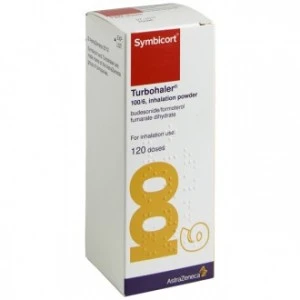
Symbicort Turbohaler

Symbicort Turbohaler

  • No Prescription Required
  • Registered prescribers are on hand
View Treatment
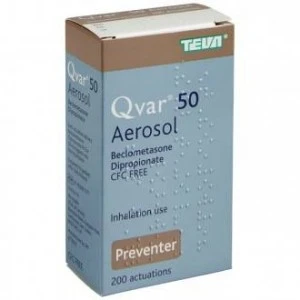
Qvar

Qvar

  • No Prescription Required
  • Registered prescribers are on hand
View Treatment
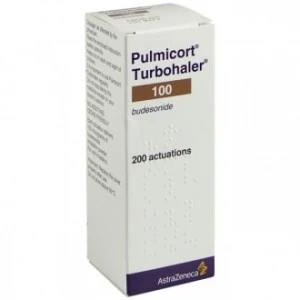
Pulmicort Turbohaler

Pulmicort Turbohaler

  • No Prescription Required
  • Registered prescribers are on hand
View Treatment
Atrovent

Atrovent

  • No Prescription Required
  • Registered prescribers are on hand
View Treatment
Clenil Modulite Inhaler

Clenil Modulite Inhaler

  • No Prescription Required
  • Registered prescribers are on hand
View Treatment
Salamol cfc free inhaler

Salamol cfc free inhaler

  • No Prescription Required
  • Registered prescribers are on hand
View Treatment
Ventolin

Ventolin

  • No Prescription Required
  • Registered prescribers are on hand
View Treatment
Customer Service