All inclusive service
No hidden fees

Prices from £14.99
Review More Prices
Your privacy is important, Prescription Doctor are committed to keeping your details completely confidential.
This is why we also take steps to conceal your prescription products under two layers of packaging.
We have a commitment to delivering a discreet service and understand your need for privacy. We ship all orders via a trackable courier using discreet, plain packaging.
Once your order is dispatched you will receive a tracking number via sms and email.
We deliver medications between Monday and Saturday. You can upgrade to Saturday delivery on Friday.
You should receive a tracking number with your order which you can use this number to track your parcel online. This should give you a clear indication of where your parcel is. If you haven’t received your parcel in the time frame given by our couriers, contact your local depot to find out where it is. You can also contact our support team who will do this for you.
On checkout you will be asked to leave your mobile number so our courier can text you about the delivery. This is also useful if the courier has problems finding your address. We will not use your mobile number for anything else.
You can pay for your order using credit, debit card or via bank transfer.
If you don’t have a credit or debit card you can pay via bank transfer. We will give you a unique reference number at checkout along with details of how to make the transfer. Once the money has cleared in our account, we will process your order.
We are a completely secure site and take many measures to ensure your details are kept safe. We understand that you have a right to extreme privacy when purchasing sensitive health medications. All information that you provide to us is stored on our secure servers. Any payment transactions will be encrypted using SSL technology.
You can pay for your order using credit, debit card and bank transfer.
Card Payment: Please notify us that you wish to cancel your order. Your refund will show available In 1 - 3 days.
Bank Transfer: A member of our team will contact you requesting for your bank details. These details are only used to transfer the funds back into your account.
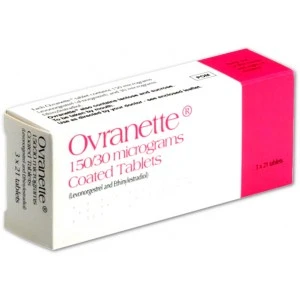
Ovranette is a combined hormonal contraceptive pill which contains artificial versions of the hormones oestrogen (ethinylestradiol) and progesterone (levonorgestrel). Together, they mimic the natural female reproductive cycle to prevent pregnancy.
Combined oral contraceptive pills, including Ovranette, are more than 99% effective at preventing pregnancy when taken perfectly. However, they are about 91% effective with typical use. This includes things like forgetting to take the pill and being sick or having severe diarrhoea.
Ovranette is also used for the treatment of heavy or irregular periods, dysmenorrhoea, endometriosis, painful periods, and pre-menstrual tension.
The Ovranette pill contains two hormones, levonorgestrel and ethinylestradiol, synthetic types of the hormones progesterone and oestrogen, respectively. The medication overrides the natural menstrual cycle of females and protects against getting pregnant.
Ovranette's ingredients work together to prevent pregnancy in 3 ways:
While Ovranette can reduce your risk of becoming pregnant, it does not prevent sexually transmitted infections like chlamydia. Only condoms can do this.
The Ovranette contraceptive pill starts working immediately to prevent pregnancy if taken on the first day of your period. Should you start using the tablets on any other day, you will need to use another form of contraception (such as condoms) for the first 7 days of using Ovranette.
Ovranette comes in a strip of 21 pills, with each pill marked with the name of a weekday on the blister pack. Start taking the pills marked with the correct day. Follow the direction of the arrows marked on the strip and take the next pills accordingly. Ensure you take them every day at the same time for the next 21 days.
After finishing the strip, there will be a pill-free week. You will have bleeding in these seven days, like a regular menstrual period. Start the new pack on the 8th day and take the 21 tablets again. Sometimes your bleeding may not be finished during the seven days of pill-free week; even then, you should start the new pack without any delay.
If you take all the pills regularly for 21 days, you will always start the new pack every time on the same day of the week.
If you're new to the Ovranette combined pill, or you're restarting after a break, take the first tablet on day 1 of your next period. This will give you protection straight away. Taking it at any other time will mean that you have to use additional contraception (such as condoms) until you have successfully taken Ovranette for 7 days in a row.
If you miss an Ovranette pill, what you need to do will depend on how late you are.
If you should have taken the missed pill less than 12 hours ago, you should:
If you should have taken the missed pill more than 12 hours ago, or you have missed more than 1 pill, you should:
You then need to check how many pills are left in the strip after the most recently missed tablet and follow the instructions below:
If you have missed one or more pills in the first week of your strip (days 1 to 7) and you had sex in that week, you could become pregnant. Speak to your clinician, nurse, or pharmacist for advice as soon as possible. In some instances, you may need emergency contraception.
You may also be pregnant if you have missed any of the pills in a strip and do not bleed during the first pill-free break. If this happens, contact your clinician or family planning clinic for advice, or take a pregnancy test yourself.
Starting a new strip of pills late or making your pill-free break longer than 7 days could result in you not being protected from pregnancy. If you have had unprotected sex within the last 7 days in either scenario, speak to your family planning clinic or clinician for advice. You should also use extra contraception (such as condoms) for 7 days, and you may need to consider emergency contraception.
If you take more Ovranette than you should, it is unlikely that it will cause you any harm, but it may cause the following symptoms:
If you get any of these symptoms, you should speak to your clinician as soon as possible.
If you are sick (vomiting) or have very bad diarrhoea within 4 hours of taking your Ovranette pill, your body may not get the usual dose of hormones. Take another pill as soon as you can and continue taking your next pills at the usual time.
If you are still sick or have diarrhoea for more than 24 hours after taking Ovranette, follow the "missed pill" guidance above or in the patient information leaflet. Should symptoms continue or worsen, speak to your clinician, who may recommend another type of contraception.
If you are switching to Ovranette from another type of contraceptive pill, what you need to do will depend on the type of pill you are currently taking.
If you need any advice when switching to Ovranette from other hormonal contraceptives, speak to your clinician.
No two medications are ever the same. Each has different ways of working and comprises different active ingredients, so what is most effective and suitable for one person may not be the case for another. It's therefore important to have a clear understanding of what you could encounter when taking the Ovranette contraceptive pill.
Like all medicines, Ovranette may cause side effects. Not everybody who takes Ovranette will experience side effects. It's essential to remain vigilant for side effects associated with your medicine throughout your treatment.
| Common Side Effects (may affect up to 1 in 10 women) | Uncommon Side Effects (may affect up to 1 in 100 women) | Rare Side Effects (may affect up to 1 in 1,000 women) |
|---|---|---|
| Acne Breakthrough bleeding or spotting Breast enlargement Change in sex drive Changes in breast secretion Dizziness Headaches Mood changes Nausea or vomiting Nervousness Sore, painful or tender breasts Stomach pain or cramps Vaginal infections, including thrush Weight changes | Brown patches on your face or body (chloasma) Change in menstrual flow Changes in appetite Diarrhoea Fluid retention (swelling of the ankles, feet and hands) Increase in blood pressure Increase in triglyceride levels Rash or Hives (urticaria) | Changes in glucose tolerance Inability to tolerate contact lenses Painful red lumps on your skin (erythema nodosum) Pink-red blotches on skin (erythema multiforme) Period pain Lack/absence of periods Vaginal discharge |
Please note that this is not an exhaustive list of potential Ovranette side effects. Further information about the pill's safety can be found within the Patient Information Leaflet.
If you experience any side effects, regardless of whether they are listed above or in the leaflet supplied with your medicine, inform your clinician right away. You can also report Ovranette side effects directly to the Medicines and Healthcare products Regulatory Agency's (MHRA) Yellow Card Scheme.
Do not take Ovranette if you are allergic to levonorgestrel, ethinylestradiol, or any of the other ingredients listed in the patient information leaflet.
Ovranette contains lactose and sucrose. If you are intolerant to some sugars, speak to your clinician before taking Ovranette.
If you experience any signs of an allergic reaction after taking Ovranette, stop taking the medicine and seek immediate medical attention by going straight to your nearest casualty department.
Signs of an allergic reaction include:
There is a slightly increased risk of getting a blood clot when taking the combined pill, including Ovranette.
| Risk of developing a blood clot in a year | |
|---|---|
| Women who are not using a combined hormonal pill/patch/ring and are not pregnant | About 2 in 10,000 women |
| Women using a combined hormonal contraceptive pill containing levonorgestrel, including Ovranette | About 5 to 7 in 10,000 women |
Your risk of having a blood clot in your veins increases if you:
Typically, the first year of treatment is when the risk of a blood clot is at its highest. The same is true if you've had a gap in treatment of over 4 weeks. You can find out more about the risk of blood clots while taking Ovranette in section 4.4 of the Summary of Product Characteristics, which you can view online.
If you have or have ever had breast cancer, you should not take the Ovranette pill. Although the risk of developing the condition is small, the likelihood will increase the longer you take it, though it will return to normal within around 10 years of coming off the tablets.
By the age of 35:
By the age of 45:
Your risk of getting breast cancer is higher if you:
If you are concerned about the risk of breast cancer while taking Ovranette or you are not sure if the pill is suitable for you, speak to your clinician for further advice.
Some people who use hormonal contraceptives, including Ovranette, have reported depression or depressed mood as a side effect. Depression is serious and can sometimes lead to suicidal thoughts. If you experience any mood changes or symptoms of depression while taking Ovranette, contact your clinician as soon as possible. If you are experiencing suicidal thoughts, call 999 or get someone to take you to A&E.
Ovranette may not be suitable for everyone. There are some medical conditions and medications that can interfere with Ovranette and make it unsuitable for you. It is important to be aware of these before starting the pill.
Do not take Ovranette if you:
Before taking Ovranette, let your clinician know if you are taking any prescribed, over-the-counter or herbal medicines as they may interact with Ovranette.
Do not take Ovranette if you have hepatitis C and take any medicines containing:
Some medicines can stop Ovranette from working properly, such as St. John's wort and those used to treat:
Overall, antibiotics do not affect how Ovranette works, so it's safe to use both at the same time. However, treatments that impact liver enzymes, such as rifabutin and rifampicin, can reduce Ovranette's efficacy.
Do not take Ovranette if you are pregnant or think you might be pregnant. You should do a pregnancy test before you stop taking Ovranette.
If you are breastfeeding, your clinician may advise you not to take Ovranette. Speak to your clinician about alternative contraception.
Yes, Ovranette is classified as a combined oral contraceptive (COC), as it contains two synthetic hormones that mimic the effects of naturally occurring hormones. Ethinylestradiol (oestrogen) and levonorgestrel (a progestogen) work together to prevent pregnancy in around 91% of cases with typical use.
It is unlikely that Ovranette will affect your ability to drive or operate machinery. If you experience any side effects that might affect your ability to concentrate, such as dizziness or fatigue, do not drive or operate machinery until you feel it is safe to do so.
There is no data available that suggests Ovranette has an interaction with alcohol. However, excessive alcohol consumption could exacerbate side effects or induce vomiting, which may impact the efficacy of the pill. Always drink responsibly while taking Ovranette.
Although weight gain is listed as a potential Ovranette side effect, there is no conclusive medical evidence that the combined oral contraceptive directly influences your weight. If you do experience fluctuations, they will typically result from increased appetite and temporary water retention.
If you are concerned about the potential side effects of Ovranette or would like assistance with weight management, it's recommended that you consult your clinician.
Yes, mood swings and feelings of anxiety, irritability, and depression are known side effects of Ovranette. While these symptoms usually resolve after a few months of taking the treatment, you may need to consider alternative forms of contraceptives if they persist.
If you experience severe mood swings while taking Ovranette, or depressive symptoms, please consult your clinician or doctor.
Although it's not a first-line treatment for the condition, Ovranette may help improve the appearance of acne. Clinical research has shown that combined contraceptives can reduce sebum (skin oil) production and androgen (male hormone) levels, meaning they could reduce the total number of acne lesions.
You can start taking Ovranette 21 days after giving birth if you are not breastfeeding and have a vaginal (natural) delivery with no complications, and you are fully mobile. If you start the pill later than 21 days after delivery, then alternative contraception, such as condoms, should be used until you have been taking the pill for 7 days.
Ovranette should be stored in its original packaging to protect it from direct sunlight and moisture. Do not store it above 25°C. If it has passed the expiry date printed on the strip and original box, do not take any pills and take the strip to your local pharmacy for disposal. Do not dispose of any medicines in your household waste or wastewater.
EMC (2024): Ovranette 150/30 micrograms Coated Tablets.
EMC: Patient Information Leaflet.
NHS (2024): How to take the combined pill.
NHS (2024): How well contraception works at preventing pregnancy.
PubMed (2014): Combination contraceptives: effects on weight.
Cochrane (2012): Combined oral contraceptive pills for treatment of acne.
© 2013 - 2026 Al Muhsineen Limited. All Rights Reserved. Registered Pharmacy: 34 Halliwell Road, Bolton BL1 8RL. Registered Office: 254 First Floor, Shearbrow, Blackburn, England, BB1 8DS
Don't have an account?
Your account will be automatically created after placing your first order.