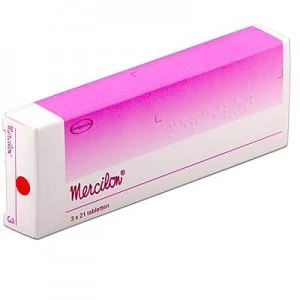
Mercilon

In Stock

Prices from £39.95
Review More Prices

Get Started
You must complete a short online consultation so that our prescriber can ensure that the treatment is suitable for you.
Order now to receive your order Tuesday, May 26
All inclusive service
No hidden fees

Next day delivery
Discreetly packaged
Discreet delivery
Prescriber available
Prescriber assess you online
How to order
  1. Click on the green "Get Started" button, then click "Start Consultation" button on the next page.
  2. Fill in our short consultation form.
  3. Choose delivery method and mode of payment.
  4. Our team of expert prescribers will assess whether medication is suitable.
  5. If you get the green light and it is deemed suitable, your order will be processed quickly and efficiently.
Confidential Service

Your privacy is important, Prescription Doctor are committed to keeping your details completely confidential.

This is why we also take steps to conceal your prescription products under two layers of packaging.

Delivery and Packing
Discreet Delivery?

We have a commitment to delivering a discreet service and understand your need for privacy. We ship all orders via a trackable courier using discreet, plain packaging.

Do I Need to Wait in All Day for Delivery?

Once your order is dispatched you will receive a tracking number via sms and email.

Do You Deliver on Weekends?

We deliver medications between Monday and Saturday. You can upgrade to Saturday delivery on Friday.

My Order Hasn’t Arrived What Should I Do?

You should receive a tracking number with your order which you can use this number to track your parcel online. This should give you a clear indication of where your parcel is. If you haven’t received your parcel in the time frame given by our couriers, contact your local depot to find out where it is. You can also contact our support team who will do this for you.

Can I Be Notified by Text?

On checkout you will be asked to leave your mobile number so our courier can text you about the delivery. This is also useful if the courier has problems finding your address. We will not use your mobile number for anything else.

Payment Methods
How Can I Pay for My Order?

You can pay for your order using credit, debit card or via bank transfer.

I Don’t Have a Credit Card, How Can I Pay?

If you don’t have a credit or debit card you can pay via bank transfer. We will give you a unique reference number at checkout along with details of how to make the transfer. Once the money has cleared in our account, we will process your order.

How Do You Keep My Details Safe?

We are a completely secure site and take many measures to ensure your details are kept safe. We understand that you have a right to extreme privacy when purchasing sensitive health medications. All information that you provide to us is stored on our secure servers. Any payment transactions will be encrypted using SSL technology.

Payment and refunds?

You can pay for your order using credit, debit card and bank transfer.

Card Payment: Please notify us that you wish to cancel your order. Your refund will show available In 1 - 3 days.

Bank Transfer: A member of our team will contact you requesting for your bank details. These details are only used to transfer the funds back into your account.

Patient Reviews: How Mercilon Has Made a Difference

Treatment Information

Table of contents:

What is Mercilon?

Mercilon is a combined oral contraceptive pill that contains two synthetic hormones, desogestrel (a progestogen) and ethinylestradiol (oestrogen). It is a type of reversible contraception that doesn't interrupt sex and can make periods lighter, more regular and less painful.

When used perfectly, Mercilon is over 99% effective at preventing an unwanted pregnancy. However, when typical use, such as missing pills or being sick or having severe diarrhoea, is taken into consideration, Mercilon is closer to being 91% effective. That means that 9 in 100 Mercilon users will get pregnant in a year.

Please be aware that Mercilon does not protect you against sexually transmitted infections (STIs). Only condoms are effective at preventing the spread of STIs.


How Does Mercilon Work?

Mercilon contains 150 micrograms (mcg) of desogestrel and 20 mcg of ethinylestradiol, which means it is a low-oestrogen pill. This may be a more suitable combined pill option for anyone who struggles to tolerate oestrogen or would prefer not to take a high dose. These synthetic hormones work together to prevent pregnancy by:

  1. Stopping ovulation so your ovaries do not release a mature egg each month. This is Mercilon's main mechanism of action.
  2. Thickening the cervical mucus to make it difficult for sperm to travel to the womb to fertilise an egg.
  3. Thinning the womb lining so a fertilised egg cannot implant itself there.


How Do I Take Mercilon?

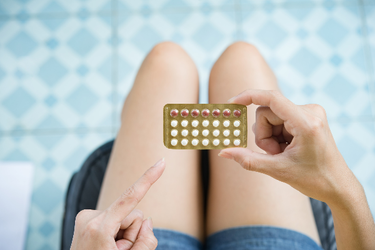
Mercilon is a 21-day pill; each strip contains 21 tablets, each marked with the day of the week. You should take one Mercilon pill every day at around the same time for 21 days, followed by a 7-day pill-free break.

During the 7 days in which you do not take Mercilon, you should have a withdrawal bleed similar to a period. On day 8, start a new strip of Mercilon pills.

When Should I Start Taking Mercilon?

If you are starting Mercilon for the first time, or are coming back after a break, take it on day 1 of your next period so you are protected against pregnancy straight away. Alternatively, if your period has already begun, wait until day 5 before commencing treatment and use extra contraception, such as condoms, until you have taken the first 7 pills correctly.

What Should I Do if I Forget to Take Mercilon?

If you miss a Mercilon pill, what you need to do depends on how late you are.

If it has been less than 12 hours since you should have taken your pill:

  • Take the missed pill straight away and continue taking your pills as usual, even if that means taking 2 pills on the same day.
  • You will still be protected against pregnancy.

If your last pill was more than 12 hours ago, or if you've missed more than one pill:

  • Take the most recently missed pill right away
  • Leave any earlier missed pills in the strip
  • Take subsequent pills as usual. This may mean taking 2 in one day
  • Use additional contraception for the next 7 days

Your next course of action will depend on the number of pills remaining in your current Mercilon pack.

7 or More Pills in the Pack:

  • Use extra precautions, such as condoms, for the next 7 days
  • When you've finished the strip, take the usual 7-day pill-free break before starting the next one

Fewer than 7 Pills in the Pack:

  • Take additional precautions for the next 7 days
  • When you've finished your current strip, start the next one the following day without taking a pill-free break
  • If you don't have a withdrawal bleed after finishing the second strip, take a pregnancy test before beginning another strip

Should you miss one or more tablets from the first week of your strip (days 1 to 7) and have unprotected sex during that week, you could become pregnant. Contact a medical professional for advice as soon as possible, as they may recommend emergency contraception.

If you miss Mercilon pills and don't experience a withdrawal bleed during your first pill-free break, there's a chance you may be pregnant. Take a pregnancy test and consult your doctor as soon as possible.

Your protection may also be reduced if you delay starting a new strip of Mercilon pills or extend your 7-day break. If you have unprotected sex in the last 7 days in either of these circumstances, you may need emergency contraception. You should also consult a medical professional for further advice and use an additional form of contraception for 7 days.

What If I Take More Mercilon Than I Should?

If you take more Mercilon than you should, it's unlikely to cause any significant harm. That being said, you may end up feeling sick, vomiting, or experiencing vaginal bleeding. Should you get any of these symptoms, consult your clinician for further advice.

What If I Am Sick or Have Diarrhoea When Taking Mercilon Pills?

If you are sick or have severe diarrhoea within 3 to 4 hours of taking Mercilon, you should follow the missed-pill advice, as your body may not have had time to absorb all the active ingredients.

If you have severe diarrhoea for more than 12 hours after taking Mercilon, follow the instructions for a missed pill that is more than 12 hours late.

If your symptoms do not improve or get worse, speak to your clinician, as they may recommend an alternative method of contraception.

How to Switch to Mercilon From Another Contraceptive Pill

You can switch to Mercilon from another pill, but how you should do this will depend on the type of pill you are currently taking.

  • If you are currently taking a combined 21-day pill, start by taking Mercilon the next day after the end of the previous strip. You will be protected against pregnancy immediately and should have a withdrawal bleed after you finish your first strip of Mercilon.
  • If you are currently taking a combined 28-day pill, start taking Mercilon the day after your last active pill. You will be protected against pregnancy with your first pill and should have a withdrawal bleed after you finish the first Mercilon strip.
  • If you are switching to Mercilon from a progesterone-only pill (POP or mini pill), start taking Mercilon on the first day of bleeding, even if you have already taken the POP for that day. You will be protected against pregnancy straight away. If you do not usually bleed while taking the mini pill, you can stop taking it on any day and start Mercilon the next day. You will need to use condoms for the next 7 days.


Cautions and Side Effects of Mercilon

Different treatments have different ingredients and work in different ways. This means what is useful or suitable for one individual may not be right for another.

When researching the most appropriate treatment for your circumstances, it's essential to familiarise yourself with potential side effects and warnings, so you can make an informed decision. You should also speak with a clinician if you ever feel unsure.

Mercilon Side Effects

All medications have the potential to cause side effects, and Mercilon is no exception. Not everyone will experience the symptoms listed, and some people won't have any issues at all. Regardless, it's crucial to inform yourself of any possible adverse effects before you start Mercilon pills. Potential Mercilon side effects include:


Common Side Effects
(Up to 1 in 10 people)
Uncommon Side Effects
(Up to 1 in 100 people)
Rare Side Effects
(Up to 1 in 1,000 people)
Headaches
Weight gain
Painful or tender breasts
Depression or mood changes
Stomach issues, such as feeling sick or abdominal pain
 
Migraine
Reduced sexual desire
Being sick (vomiting)
Diarrhoea
Skin problems (rash or hives)
Breast enlargement
 
Breast discharge
Allergic reactions
Intolerance to wearing contact lenses
Erythema nodosum
Erythema multiforme
Weight loss
Increased sexual desire
Blood clots in a vein or artery 
Irregular vaginal bleeding


It's important to note that the above is not a complete list of Mercilon side effects. For more information about what you could expect, refer to the treatment's Patient Information Leaflet.

Should you experience any adverse reactions to Mercilon, whether listed or not, it's a good idea to inform your doctor or clinician. You can also report them directly to the Yellow Card Scheme.

Risk of Allergic Reaction

Do not take Mercilon if you are allergic to desogestrel, ethinylestradiol, or any other ingredients listed in the patient information leaflet.

Signs of an allergic reaction are:

  • Swelling of the lips, face, tongue, or throat
  • Difficulty breathing or swallowing
  • Hives

If you get any of these symptoms, call 999 or get emergency medical help immediately. Be sure to take the packaging and any remaining pills with you, so doctors have a clear understanding of what and how much you have taken.

Mercilon also contains lactose, so you should speak to a clinician before starting treatment if you are intolerant to some sugars.

Potential for Blood Clots

Mercilon and other combined pills can slightly increase the risk of blood clots in users compared to people who do not take the combined pill. Although the risk is small, it should still be considered.

The potential of blood clots developing in different scenarios is displayed in the table below:


 Risk of developing a blood clot in a year
Women who are not using combined contraception and are not pregnantAbout 2 out of 10,000 women
Women who use a combined contraceptive pill containing levonorgestrel, norethisterone, or norgestimateAbout 5 to 7 out of 10,000 women
Women using MercilonAbout 9 to 12 out of 10,000 women


Your first year of Mercilon treatment is typically when the risk of developing blood clots is at its highest. The same is true if you're restarting the medication after a gap of 4 weeks or more. Certain external factors can also affect the potential of complications developing, such as if you smoke, are overweight, or have a family history of blood clots.

If you're planning on having elective surgery or you're likely to have mobility issues for an extended period, Mercilon pills may not be suitable for everyone. Another form of contraception might be more beneficial.

You can find out more about the risk of developing a blood clot while taking Mercilon in section 4.4 of the Summary of Product Characteristics (SmPC).

Mercilon and the Risk of Breast Cancer

If you have breast cancer or you have had it in the past, you must not take the combined pill because it slightly increases your risk of breast cancer. While the overall risk of developing the condition is small, it increases the longer you are on the pill, but returns to normal about 10 years after stopping it.


 Risk of developing breast cancer by the age of 35Risk of developing breast cancer by the age of 45
Never taken the pill16 out of 10,000 women100 out of 10,000 women
Taken the pill for 5 years in their early twenties17 to 18 out of 10,000 womenN/A
Taken the pill for 5 years in their early thirtiesN/A110 out of 10,000 women


Your risk of developing breast cancer is higher if you:

  • Have a close relative who has had it
  • Are seriously overweight

You can find out more about the risk of developing breast cancer while taking Mercilon in section 4.4 of the Summary of Product Characteristics (SmPC) or speak to your clinician for more advice.


Mercilon Warnings and Interactions

Mercilon may not be suitable for everyone. Its ingredients may interact with other treatments you might be taking, potentially reducing Mercilon's effectiveness. Alternatively, certain medical conditions could render the medication unsuitable. Your clinician will assess your suitability before prescribing the treatment.

Do not take Mercilon if you:

  • Are allergic to any of the ingredients
  • Have or have ever had a blood clot in your legs, lungs, or other organs
  • Have a blood-clotting disorder
  • Need an operation or are going to be off your feet for a while
  • Have ever had a heart attack or stroke
  • Have or have ever had angina pectoris or a transient ischaemic attack (TIA)
  • Have severe diabetes with blood vessel damage, very high blood pressure, very high blood fat levels, or hyperhomocysteinaemia
  • Have or have ever had a migraine with aura
  • Have or have recently had severe liver disease
  • Have ever had a liver tumour
  • Have or have ever had pancreatitis
  • Are or think you might be pregnant
  • Have unexplained vaginal bleeding
  • Have hepatitis C and are taking ombitasvir/paritaprevir/ritonavir and dasabuvir or glecaprevir/pibrentasvir

In general terms, Mercilon and other combined oral contraceptives are not recommended if you're aged 35 or older and smoke, with those who smoke 15 cigarettes or more a day advised not to use them at all. This is due to the potential for cardiovascular issues like blood clots, stroke, or heart attack.

Your medical history and how you react to hormonal medications can also impact whether Mercilon is suitable for use. If you're ever unsure, speak to your clinician, as they may recommend an alternative treatment like the mini pill.

Mercilon and Other Medications

Tell the clinician before taking Mercilon if you are taking any prescribed, over-the-counter, or herbal medications. Some medicines can stop Mercilon from working properly, such as those used to treat:

  • Epilepsy (primidone, phenytoin, phenobarbital, carbamazepine, oxcarbazepine, topiramate, felbamate, modafinil)
  • Tuberculosis (rifampicin)
  • HIV (ritonavir, nelfinavir, nevirapine, efavirenz)
  • Hepatitis C
  • Other infectious conditions (griseofulvin)
  • High blood pressure in the lungs (bosentan)
  • Depressive moods (St John's Wort)

Most antibiotics are safe to use with combined pills and will not negatively affect their effectiveness. However, this is not the case for medications that affect liver enzymes, such as rifabutin and rifampicin, as they can reduce Mercilon's efficacy.

Pregnancy and Breastfeeding

Do not take Mercilon if you think you are pregnant. You should take a pregnancy test to confirm. If you are pregnant, stop taking Mercilon straight away.

Mercilon is not recommended while breastfeeding, as combined oral contraceptives could affect milk supply. Speak to your clinician or family planning nurse about alternative contraception if you are breastfeeding.


Frequently Asked Questions About Mercilon Pills

Mercilon vs Marvelon: What's the Difference?

The main difference between Mercilon and Marvelon is that Mercilon contains a lower dose of ethinylestradiol (oestrogen), thereby reducing the potential for side effects. Aside from this fact, both treatments are similar in their mechanisms of action and active ingredients.

Mercilon or Yasmin: Which is Best?

Clinically speaking, there is no best option when it comes to combined contraceptive pills. The key is what ingredients the treatments contain and whether they are suitable for your circumstances. For example, while both Mercilon and Yasmin contain the same type of oestrogen (ethinylestradiol), Yasmin contains drospirenone, whereas Mercilon contains desogestrel. Mercilon is also classed as a low-dose pill.

If you're ever unsure about which treatment is most suitable for you, speak to a doctor or clinician for advice.

Does Mercilon Cause Weight Gain?

There is no conclusive medical evidence that Mercilon causes weight gain; however, it is sometimes listed as a potential side effect. If you experience fluctuations in weight while taking combined pills, this is more likely to be the result of increased appetite or temporary water retention than an increase in body fat.

If you have any concerns about potential Mercilon side effects or are worried about your weight, consult your clinician or doctor for advice.

Is Mercilon Good for Acne?

Yes, although combined contraceptive pills like Mercilon are not first-line treatments for acne, they could help improve the condition. This is because they can lower the production of skin oil (sebum) and reduce male hormone (androgen) levels, thereby reducing both inflammatory and non-inflammatory lesions. However, the overall effectiveness of a treatment ultimately depends on its formulation and the individual taking it.

Can I Take Mercilon After Having a Baby?

If you are not breastfeeding, you can start Mercilon three weeks after the birth. You can start Mercilon more than 3 weeks after giving birth, but you will need to use protection for the first 7 days of taking the treatment.

If you have had sex since birth, there is a chance you could be pregnant, so you should use condoms until you have a period. You can then start taking Mercilon on the first day of your next period.

What if I Accidentally Take Two Pills in One Day?

Taking more than one pill by accident shouldn't cause any harm. You may feel sick or experience bleeding. Talk to your doctor if you have taken more than one contraceptive pill.

How Can I Store Mercilon?

Mercilon should be stored out of the sight and reach of children. It should be stored below 25°C, but not in the fridge. You should keep it in its original packaging to protect the pills from light and moisture. If it has passed the expiry date printed on the packaging, do not take any pills. Instead, take them to your nearest pharmacy for disposal.

Can I Buy Mercilon Online?

Yes, you can order Mercilon contraceptive pills online from trusted pharmacies, like Prescription Doctor. It is important that you check that the online pharmacy is regulated by the General Pharmaceutical Council (GPhC) and that it clearly states its contact details on a dedicated regulation page. This is important to ensure your safety and to make sure you receive genuine medications.

Additional Resources

BLOG

How long does it take for the contraceptive pill to work?

A lot of women still prefer the contraceptive pill as a non-invasive option for preventing pregnancy these days. If you have decided to use the pill, you may be wondering when exactly it will start protecting you from becoming pregnant.While there is a general guideline as to when you can expect the pill to take effect, other factors will also affect how long it takes the pill to start working. However, first, let’s briefly examine what the pill contains, how it works, and how to take it, depending on the type you choose to use.What’s in the contraceptive pill?The contraceptive pill is an oral form of contraception which is available as either the combined pill or mini pill, also known as the progesterone-only pill (POP). They both contain hormones which your body produces naturally. The combined pill contains two hormones, which are oestrogen and progesterone, and is popular among women under 35 years old. The mini pill contains only progesterone and is mainly offered to women who are above 35 years old or women who are breastfeeding.How does the contraceptive pill work?The three main ways the pill works to prevent pregnancy are:It prevents ovulation (the release of an egg from your ovary) each monthIt thins the lining of your womb, making it harder for a fertilised egg to attach to your womb and start growingIt thickens the mucus lining the cervix of your womb, making it difficult for sperm to swim through and fertilise your eggHow to take the contraceptive pillIt is essential to follow the instructions in your specific pill pack to ensure it works effectively and as soon as possible. Remember to inform your GP about any other medications you are taking or any existing medical conditions, as these may impact the effectiveness of the pill for you. The combined pill should be taken continuously for 21 days, after which you should have a 7-day pill-free break, during which you should have a breakthrough period. You will then continue with your pills for another 21 days, even if you are still having your breakthrough period. You should also remember to take the pill around the same time every day until the pack is finished.If you are using the mini pill, you should take the pill every day without any breaks. Your pills may come as 28-day or 35-day packs, and there will be specific instructions about how and when you should take the pill each day. With the mini pill, it is essential to remember that there are no breaks between packs. Therefore, when you finish one pack, you should start a new one the following day.When will the contraceptive pill start working?Generally, the pill should begin working 7 days after you start taking it, without the need for you to use another contraception like condoms. However, condoms should still be used to protect against STIs.There are a few points to note about how long it takes for the pill to begin working:The day in your menstrual cycle you begin taking the pill will determine when it starts to work.If you begin taking either the combined pill or mini pill on days 1 to 5 of your period, you will be protected straight away from getting pregnant without the need for additional contraception.If you have a short menstrual period that is 23 days or fewer every month, you will need to use alternative contraceptive methods (for example, condoms) as well to prevent pregnancy. For the combined pill, you will need to use additional contraception for the first 7 days of taking the pill and for the mini pill, for the first 2 days.If you begin using the pill on any other day outside days 1 to 5 of your menstrual cycle, you will not be protected from pregnancy immediately. In such cases, for the combined pill or the mini pill, you should use another contraception, such as condoms, in addition to the pill. This will be for the first 7 days for the combined pill, or the first 2 days for the mini pill.If you just had a baby and are not breastfeeding, you can start the combined pill on the 21st day after giving birth. If you start the pill after 21 days, you will also need another form of contraception for the first 7 days before the pill begins working on its own.If you are a breastfeeding mother, the mini pill is the preferred birth control option and should be started on day 21 after having your baby. If you start the mini pill 21 days after giving birth, you will also need other contraceptive methods like condoms for the first 2 days, after which it will take effect on its own.If you just had an abortion or a miscarriage, you can start the pill within the first 5 days, and it will begin working immediately. If you wait for more than 5 days afterwards to start the pill, you will need to use another form of contraception such as condoms for the first 7 days (for the combined pill), or the first 2 days (for the mini pill) before they will be effective on their own.If you are ever unsure about how to use your contraceptive pills or if you miss a pill, you should always speak to your GP, who will provide further information and advise you on what to do next.  
Read more →
How long does it take for the contraceptive pill to work?
BLOG

What is the best contraceptive pill for me?

You may find it overwhelming to choose a contraceptive pill today, as there are quite a few brands available. The combined contraceptive pill contains two female hormones (oestrogen and progesterone), although there is another contraceptive pill type that only contains progesterone (called the mini pill).Most contraceptive pill brands differ in the amount and type of oestrogen and progesterone they contain, which is also related to the risks attached to them. For example, pills with a higher dose of oestrogen have been linked with increased risk of blood clots in some women. So, to decide on the best contraceptive pill to use, you should always speak to your GP first, who would advise you based on your medical history and current lifestyle. In general, here are some key factors to consider:Age and LifestyleYour age is an important risk factor for taking the contraceptive pill. Women over 35, especially those who smoke, are usually advised to try the progesterone-only pill or other birth control options due to the increased risk of developing high blood pressure with pills containing oestrogen.Your lifestyle, especially regarding your physical health, is another important factor when choosing a contraceptive option. Women who are obese or very overweight are not advised to take pills containing oestrogen, as this increases their risk of developing heart disease. If you are overweight, should speak to your doctor about weight loss.Drugs and medical conditionsThere are certain medications which can reduce the effectiveness of the combined pill, so you should always inform your GP about all medications you are currently taking. Some important examples include antibiotics (specifically, Rifampicin) and epilepsy medications. HIV drugs have also been found to reduce the effectiveness of the progesterone-only pill (mini pill). In some cases, additional contraceptive options like condoms may be needed. Your GP will be able to advise you on the next steps to take.You may be advised against taking the pill if you have a history of medical conditions like diabetes, high blood pressure, liver disease, breast cancer, blood clots, migraines with aura or heart disease.Side effects of the combined contraceptive pillThe combined contraceptive pill is quite common among women globally. Some common brand names of the combined pill in the UK are Microgynon, Brevinor, Rigevidon, and Yasmin. Despite its popularity, there are some common side effects you may experience with this pill type, which include:Abdominal crampsBleeding between periodsBlurry visionBreast tendernessChanges in vaginal dischargeFluid retention, causing weight gainHeadachesMood swingsNausea and vomitingNot all women will experience these side effects, and you may find that changing the pill brand may reduce some of them. Side effects of the progesterone-only pillThe mini pill is usually recommended for women who cannot use contraceptive pills containing oestrogen. It is quite popular among women over 35 years old and those breastfeeding. Some common mini-pill brands in the UK are Cerazette, Micronor and Noriday. A few examples of side effects you may experience on the mini pill are:AcneBleeding between periodsBreast painDecreased sexual driveFeeling tiredHeadachesMood changesSome women may develop ovarian cysts with long-term pill usageWeight gainBenefits of using the contraceptive pillSome pill brands, such as Yasmin and Brevinor, are popular for getting rid of acne and reducing heavy, painful periods.The combined contraceptive pill is helpful in treating endometriosis as it suppresses the menstrual cycle, reducing monthly periods, which in turn slows down endometrial growth.When used correctly, the contraceptive pill is 99% effective. They also provide better protection against pregnancy compared to using condoms alone.The human factor and pill effectivenessOne important issue with the contraceptive pill is that its effectiveness relies on taking it correctly, at the right time, every day. So, you should consider if you will have trouble remembering to take the pill at the correct time daily, as this can affect your protection against pregnancy. Other long-term reversible contraceptive options do not depend on the human factor, such as the contraceptive coil, injections or implants.So, the key fact to take away is that there are no perfect contraceptive pills, and they all come with their benefits, risks and side effects. Ultimately, the best contraceptive pill for you should achieve a healthy balance where the benefits outweigh the risks, with side effects you can tolerate. You may find this combination with your first contraceptive pill choice, or you may have to try a few brands before finding the right one for you. 
Read more →
What is the best contraceptive pill for me?
BLOG

Which contraceptive method is right for me?

Contraceptives are any sort of device, drug, product, or method that prevents pregnancy. Contraception enables women worldwide to take greater control over their bodies and lives.Thanks to changing social views and scientific breakthroughs, women have more contraceptive options now than ever before. While this is undoubtedly great news, with so many options available, it can be a challenge to choose the one that suits you best.What works best for some women may not be the right choice for you; it’s important to choose a method of contraception that you are comfortable with and has minimal effect on your daily life.To help you decide which method of contraception is right for you, here is a look at some of the most popular options:CondomsCondoms are a method of birth control made of latex or polyurethane. It creates a literal barrier between you and your partner, making it very effective at protecting against unwanted pregnancies and sexually transmitted infections (STIs). While they are a popular choice, some women may feel uncomfortable purchasing them or using them.Condoms can fail and do not guarantee complete protection on every occasion.Pros:Can be used with other types of birth control methodsPrevents STIs as well as unwanted pregnanciesAffordable and widely availableImmediately availableLow risk of side effectsCons:Can reduce pleasure during intercourseProne to breaking or splitting if misusedCannot be reusedLatex condoms are not compatible with oil-based lubricantsIf you have a latex allergy, ask about latex-free condoms made of polyurethane or polyisoprene.Other barrier methods include the female condom (femdom), cervical cap, sponges and diaphragms.The effectiveness of barrier contraceptive measures can be increased with the use of spermicides.Birth Control PillsThere are a number of different birth control pills that women can take to prevent unwanted pregnancy. For some women, the pill is the ideal solution, whilst others find it inconvenient to remember to take the pill every Day. Contraceptive pills work by changing the hormone levels and preventing ovulation. It is important to follow the instructions for taking your pill carefully and avoid missing any doses. You should take the pill around the same time every day and use extra precautions if you get sick, as this can reduce the effectiveness of the pill. Contraceptive pills can also help with heavy and painful Periods. Some women experience headaches or nausea with certain contraceptive pills, whilst others experience no side effects at all.There are two different types of contraceptive pills. Combined contraceptive pills contain two synthesised hormones, commonly oestrogen and progestogen, which mimic the natural female sex hormones. Conversely, there is the progestogen-only or Mini Pill, which, while slightly less effective than the combined pill, causes fewer side effects. Speak to your GP for more information regarding hormonal contraceptive pills.If you are interested in using a birth control pill, speak to your doctor to discuss the options available.Pros:Very effective if taken as instructedUsed to treat medical problems such as polycystic ovary syndrome (PCOS), ovarian infections, anaemia, Premenstrual syndrome (PMS), and acneRegularises your period and reduces period crampsCan get pregnant immediately after stoppingEasy and convenientCons:Missing a pill dramatically decreases its efficacyMay cause side effects such as nausea, headaches, irritability, or bleedingNot the safest option for everyone, including smokersDoes not protect against STIsNuvaringNuvaring is a plastic vaginal ring that is inserted into your vagina every month, so there is no need to remember to take a pill or buy condoms.It works similarly to birth control pills in that it releases hormones that prevent ovulation. The material is flexible, so it can be kept in during intercourse.Pros:Effective against pregnancy, up to 99% when used correctlyReduce cramps and acneLow maintenance compared to the pill or condomControls and regulates your periodFewer side effects than the Birth Control PillCons:Needs to be inserted every 3 weeksNot suitable for people at risk of cardiovascular diseases, blood clots, hypertension, or smokersDoes not protect against STIsConclusionWhile condoms, pills, and NuvaRing are some of the most popular contraceptive methods among women, there are dozens of other options available, such as the Intrauterine device (IUD), implants, birth control injections, and diaphragms, to name a few. We have a comparison of contraceptives, including their failure rates. Ask your local sexual health clinic for more information on additional forms of birth control.It's important to remember that no contraceptive (except for abstinence) is 100% effective against unwanted pregnancy or STIs. You can combine barrier methods, such as condoms, with hormonal contraceptives to reduce your risk of pregnancy and STIs. Before switching to a new form of contraception, make sure to always consult with your doctor. 
Read more →
Which contraceptive method is right for me?
BLOG

What should you do if your contraception fails?

In the United Kingdom, around 44% of women, and over six out of every ten women of reproductive age, are currently using some sort of birth control method.Despite the success of contraception in limiting unwanted pregnancies and also protecting men and women from certain sexually transmitted infections (STIs), no method of birth control is 100% effective. Below, we take an in-depth look at the statistics behind the most commonly used contraceptives and offer some suggestions for what to do if you fear that your birth control method of choice has failed.Stats and FiguresThe National Health Service (NHS) has detailed data on the use of sexual health and reproductive services (2016 to 2017). Although it is important to note that their data does not take into consideration the provision of contraception from means other than a dedicated sexual health clinic, these other means could include local pharmacies, a GP, or the hospital.44% of women who used these services did so to acquire oral contraceptives. Use of long-acting reversible contraceptives such as pills and implants has risen gradually over the last decade. The National Institute for Health and Care Excellence (NICE) believes that the uptake of long-acting contraception could save the NHS money.A more comprehensive study published in the BMJ delves much deeper into the use of various contraceptives, including the sources of contraceptive methods. Almost 60% of 16 to 19-year-old participants reported using a community clinic to acquire contraception. The study also found that women were more likely to use their general practice for contraception, while men preferred to use retail outlets - these can include pharmacies and supermarkets.Oral contraceptives are the most common form of contraception used by women in the UK, despite having a higher fail rate (9%) than the implant (0.05%).Contraceptive methodChance of failureEffectiveness (amount of pregnancies per year)Implant0.05%<1 in 100IUD0.2%-0.8%<1 in 100Male sterilisation0.15%<1 in 100Female sterilisation0.5%<1 in 100Injection6%~6-12 in 100Contraceptive Pills9%~6-12 in 100Contraceptive Ring9%~6-12 in 100Diaphragm12%~6-12 in 100Male condom18%>18 per 100Female condom21%>18 per 100Withdrawal22%>18 per 100Figures were taken from the World Health Organisation (WHO)What To Do If You Fear That A Contraception Method Has Failed?While every method of birth control can theoretically fail (even sterilisation procedures have been known to reverse, though this is very rare), using contraception can drastically reduce the chance of an unwanted pregnancy. Choosing the option that best fits your needs and even combining contraceptive methods will increase the overall effectiveness. For example, using a male condom and the birth control pill will significantly reduce the overall failure rate.Nonetheless, contraception can fail even under correct use and guidance. If you fear that your birth control method has failed, here are a couple of suggestions on what you can do.Emergency Contraception (EC)If you know that your contraceptive method has failed, one option to avoid an unwanted pregnancy is to opt for over-the-counter emergency contraception. Also known as the "morning after pill", this pill can be taken as soon after sexual intercourse as possible, where you fear that your contraceptive failed. With many types of contraception, you might not know of the failure until you miss your menstruation period. However, a broken condom, to name just one example, is often noticeable and will allow you to make a decision regarding emergency contraception. Furthermore, if you missed taking your daily birth control pill and had sex without a condom, taking an emergency contraception pill might be a good idea. In the United Kingdom, the morning-after pill is a free service on the NHS, which your local pharmacy can provide.Fostering or AdoptionAnother option for women who become pregnant due to failed contraceptive methods is to give birth to the child. Just because a pregnancy is not planned, it does not mean that parenting will be impossible. In fact, it is estimated that 45% of all pregnancies in the UK are unplanned, and many of those families choose to have the child. If you become pregnant and want to have the child but not raise them yourself, adoption is another option worth considering.However, there are key distinctions between fostering and adoption. Adoption is a legal contract which denies a parent the right to be involved with their child's life once adopted. Fostering, on the other hand, allows a foster carer and local authorities to work with the parent to raise your child. Unlike adoption, the parent can have regular direct contact with their child and be engaged in the upbringing of their child.AbortionAbortion in the UK has been legally available under the NHS since its introduction under the Abortion Act of 1967 and is performed under certain circumstances. Up to 24 weeks after conception, an abortion can be carried out if termination of the pregnancy poses a lower risk of injury to the physical and mental health of a woman than if she were to continue her pregnancy. You can find out more information about abortion options and the associated risks from the NHS website.While contraceptive methods are certainly safe and generally effective, they can also fail. When an unplanned pregnancy occurs, there are safe and legal options for you. Speak with your doctor about the options available to you.  
Read more →
What should you do if your contraception fails?
PAGE

What's the difference between the combined contraceptive pill and the mini pill?

There are different types of contraceptives on the market, and none is more popular than the pill. With a 99% efficacy rate when used correctly, it is a convenient contraception solution for many women.Unfortunately, choosing the right contraceptive pill to go on can feel like a minefield. Many people feel confused when faced with the different forms the pill can take. In addition to the numerous brands to consider, there is also the question of which type of pill to take.Most people know that there are two different types of contraceptive pill – the combined pill, and the progestogen-only, or “mini”, pill. But do you know the difference between the two? Would you know which is better suited for you?In this article, we'll explore the differences between these two popular contraceptive options. Remember, you should always discuss your contraceptive options with your doctor to ensure that the one you choose is safe for you.The Combined PillThe combined pill is the most commonly used form of birth control. It is an oral contraceptive that uses a combination of the hormones oestrogen and progestogen to prevent unwanted pregnancies.It works by stopping the ovaries from releasing eggs each month. Progestins in the tablet thicken the mucus in the cervix, making it more difficult for sperm to travel, and thin the womb lining, making it more difficult for the eggs to implant themselves.Combined contraceptive pills are oral tablets that are either taken every day or for 21 straight days, which can then be followed by a week off where a period-like bleed takes place. New FSRH guidance suggests this may not be required, however.{add_product_block(252)}{add_product_block(251)}{add_product_block(250)}The Mini PillThe mini pill only contains a single hormone, progestogen. Like the combined pill, it prevents unwanted pregnancies by thickening the mucus in the cervix to prevent sperm from travelling. It also thins the womb’s lining to stop fertilised eggs from attaching and growing there.The mini pill is taken orally every day with no breaks. It must be taken at the same time every day for maximum efficiency. Depending on the brand, the window for taking the mini pill can be between 3 and 12 hours – always check with your doctor if you are unsure.{add_product_block(193)}{add_product_block(26)}{add_product_block(406)}What’s the Difference?The lack of oestrogen in the mini pill makes it a better choice for those who can’t take oestrogen. For example, women over the age of 35 and/or who smoke are not recommended to take the combined contraceptive pill, but may instead be offered the progesterone-only pill.Some women may experience intolerable side effects while on the combined pill. You should always report any side effects to your doctor, as some can be detrimental to your health. Your doctor may advise you to try a different brand of combined pill or switch you onto a mini pill, which may have a lower risk of side effects.Combined contraceptive pills have been observed to help reduce period cramps and improve acne in some women. In fact, the contraceptive pill Dianette is often prescribed to women of childbearing age who have acne which hasn't responded to over-the-counter treatments. Still, it isn't often prescribed as a contraceptive pill due to the associated risk of side effects.The mini pill may be recommended for women who suffer from migraines, as a drop in oestrogen is thought to be a cause. Those who have an increased risk of a stroke will also be advised to take the mini pill or use another form of contraceptive. If you are over 35 and a smoker, another form of contraceptive will be advised.The mini pill can be used while breastfeeding, unlike the combined pill. It’s also advised for those who are less than one month post-partum, meaning women who have recently given birth can go back onto the mini pill, if they were taking it before, or switch from the combined pill to the mini pill to protect them against unwanted pregnancy.Despite the name, the mini pill is not necessarily smaller in physical size. If you have difficulty swallowing tablets, speak to your doctor.Is the Pill Right for Me?It’s important to always discuss the options available to you with your doctor or healthcare professional. If you’re new to pill contraception, they will ask different questions about your lifestyle and sexual activity in order to decide which contraceptive is the most suitable for you.For both the combined and mini pill, you must remember to take the pill at the same time every day. If you consistently forget to take your contraceptive pill, your doctor may recommend an alternative form of contraception.If you find it difficult to remember when to take your pills, try setting a reminder on your phone or smart home device, if you have one. Forgetting to take contraceptive pills when you should can lessen their effectiveness and increase your risk of an unwanted pregnancy.Remember, contraceptive pills do not prevent STIs (sexually transmitted infections). To prevent your risk of STIs, it's important to use barrier protection, such as condoms, every time you engage in sexual intercourse.There are many contraceptive options beyond pills, including the contraceptive ring and implants. You should discuss your contraceptive options with your doctor, who can advise you on the most suitable options for you.If you are already taking a contraceptive pill but are having trouble getting hold of it, you can use our online pharmacy service to buy your contraceptive pill online. We offer a number of combined contraceptives and progesterone-only pills, which can be delivered straight to your door via a next-day discreet delivery service.Always read the leaflet before taking any medication.ReferencesNHS, 2017. Your Contraceptive Guide: Combined pill.NHS, 2018. Your Contraceptive Guide: The Progestogen-only pill
Read more →
What's the difference between the combined contraceptive pill and the mini pill?

Treatment information

  • Product Name: Mercilon
  • Active Ingredient(s): Ethinylestradiol and Desogestrel
  • Manufacturer: Organon Pharma (UK) Limited
  • Administration: Oral
  • Presentation: Tablets
  • Available Strength: 150mcg, 20mcg
  • Exemption: Prescription Only
  • Application: Mercilon is a combined oral contraceptive pill (the Pill).
  • Dosage: 21-day pill you take one each day for 21 days, followed by 7 days when you take no pills.
  • Description: Low-dose contraceptive contains two types of female sex hormones, oestrogen and progestogen.
  • Drug Class: Combined contraceptive pill
  • Alcohol consumption: No influence
  • When Pregnant: Do not take when pregnant. Speak to your doctor for further advice.
  • When Breastfeeding: Do not take when breastfeeding. Speak to your doctor for further advice.
  • Price: 39.95 GBP
  • https://www.prescriptiondoctor.com/storage/product_images_th/MS9J5IxXVwUMlv7ML3D8ScJ9T6XAzY.jpg
Click here to view the Mercilon - Patient Information Leaflet

Authored By

Leanne

Leanne Edermaniger

Medical Content Writer
Leanne is a science and health content writer focusing on human health and biology while utilising her solid academic background.

Published on: 18/01/2017 Re-Published on: 24/04/2026

Reviewed By

Mohamed Imran Lakhi

Mohamed Imran Lakhi

MPharm - Lead Pharmacist
Imran Lakhi is the superintendent pharmacist and founder at Prescription Doctor. He has been at the core of our team.

Reviewed on: 24/04/2026

Combined Contraceptive Pill Alternatives

Yasmin

Yasmin

  • Prevents ovulation
  • Less bloating, water retention
View Treatment
Marvelon

Marvelon

  • Prevents pregnancy effectively
  • Reduces PMS symptoms
View Treatment
Dianette

Dianette

  • Provides contraceptive effect
  • Short-term use recommended
View Treatment
Brevinor

Brevinor

  • Prevents pregnancy effectively
  • Reduces heavy bleeding
View Treatment
Microgynon

Microgynon

  • Regulates menstrual cycles
  • Lighter, predictable periods
View Treatment
Cilest

Cilest

  • May improve acne
  • Reduces menstrual cramps
View Treatment
Femodene

Femodene

  • Suppresses ovulation reliably
  • Stabilises hormonal fluctuations
View Treatment
Femodette

Femodette

  • Effective treatment
  • Reduces period pain
View Treatment
Logynon

Logynon

  • Triphasic hormone dosing
  • Regulates menstrual periods
View Treatment
Ovranette

Ovranette

  • Prevents pregnancy effectively
  • Low-dose combined pill
View Treatment
Qlaira

Qlaira

  • May improve cycle symptoms
  • Used for cycle control
View Treatment
Rigevidon Pill

Rigevidon Pill

  • Reduces period pain
  • May improve acne
View Treatment
Zoely Combined Pill

Zoely Combined Pill

  • Reduces menstrual pain
  • Stabilises hormone fluctuations
View Treatment
Customer Service