All inclusive service
No hidden fees

Prices from £19.99
Review More Prices
Your privacy is important, Prescription Doctor are committed to keeping your details completely confidential.
This is why we also take steps to conceal your prescription products under two layers of packaging.
We have a commitment to delivering a discreet service and understand your need for privacy. We ship all orders via a trackable courier using discreet, plain packaging.
Once your order is dispatched you will receive a tracking number via sms and email.
We deliver medications between Monday and Saturday. You can upgrade to Saturday delivery on Friday.
You should receive a tracking number with your order which you can use this number to track your parcel online. This should give you a clear indication of where your parcel is. If you haven’t received your parcel in the time frame given by our couriers, contact your local depot to find out where it is. You can also contact our support team who will do this for you.
On checkout you will be asked to leave your mobile number so our courier can text you about the delivery. This is also useful if the courier has problems finding your address. We will not use your mobile number for anything else.
You can pay for your order using credit, debit card or via bank transfer.
If you don’t have a credit or debit card you can pay via bank transfer. We will give you a unique reference number at checkout along with details of how to make the transfer. Once the money has cleared in our account, we will process your order.
We are a completely secure site and take many measures to ensure your details are kept safe. We understand that you have a right to extreme privacy when purchasing sensitive health medications. All information that you provide to us is stored on our secure servers. Any payment transactions will be encrypted using SSL technology.
You can pay for your order using credit, debit card and bank transfer.
Card Payment: Please notify us that you wish to cancel your order. Your refund will show available In 1 - 3 days.
Bank Transfer: A member of our team will contact you requesting for your bank details. These details are only used to transfer the funds back into your account.
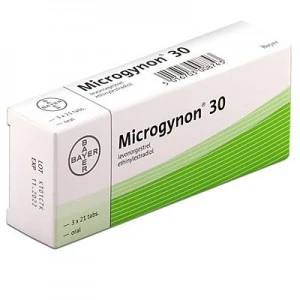
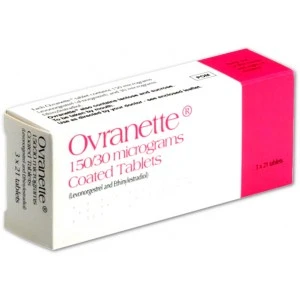
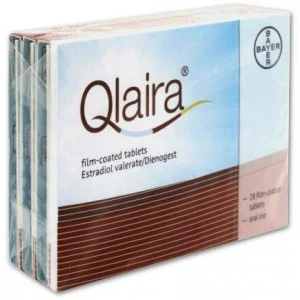
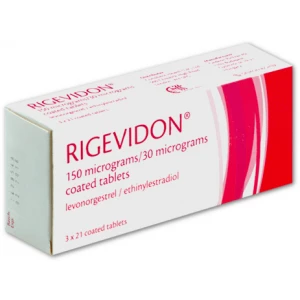
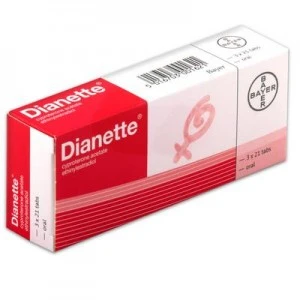
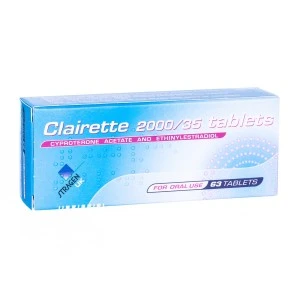
Dianette contains the active ingredient co-cyprindiol and is a licensed second-line treatment for severe acne related to androgen-sensitivity or moderately-severe hirsutism. It is not suitable for mild cases of acne. Although it is effective as a combined hormonal contraceptive pill, it cannot solely be prescribed for this purpose. This means other treatments, such as Lucette and Yasmin, may be more suitable.
The medication should only be used in women where topical therapy and systemic antibiotic treatments have failed to treat acne. Furthermore, Dianette helps to regulate periods, making them lighter and more regular. While Dianette can protect you against unwanted pregnancy, it does not protect you against sexually transmitted infections (STIs) such as chlamydia, gonorrhoea or HIV. Condoms are the only form of contraception that can prevent sexually transmitted diseases.
It is important to speak to your doctor before you take Dianette to make sure it is the right contraceptive pill for you. Your GP will assess the safety of Dianette for you, taking into account your current health, family history, and any other medications you may be taking. If you wish to order Dianette online, Prescription Doctor's online pharmacy offers a quick, efficient service that delivers your medication straight to your door.
Dianette contains the anti-androgen progestogen cyproterone acetate and the synthetic oestrogen ethinylestradiol. When combined, these substances are known as co-cyprindiol. The two hormones help to prevent pregnancy by working in three ways:
The medication works for acne and hirsutism by reducing the amount of androgens (male sex hormones such as testosterone that are present in both sexes) in the body, while also blocking androgen receptors. Androgens play vital roles in the hair growth cycle and in sebum production, an oily substance secreted by sebaceous glands beneath the skin. By limiting hormone production, their effects on the female body are reduced. Indeed, you may notice that your skin becomes noticeably less oily after using Dianette for a few weeks.
Dianette comes in strips of 21 pills, each one marked with a day of the week. Start with the correct day of the week and follow the directional arrows printed on the strip. Take one pill daily and swallow it whole with a glass of water. Do not crush or chew the tablet.
Once you have completed a 21-day strip, you should have 7 consecutive days during which you should not take any pills. During these 7 days, you should experience a withdrawal bleed. If you've taken the pills correctly for the previous 21 days, you should remain protected during this 7-day break, and therefore, you don't need to use another form of contraception.
After your 7-day break, you should begin a new strip on day 8 - even if you are still experiencing a withdrawal bleed. For example, if you take the final pill of one pack on a Saturday, you should start a new strip on Sunday. Always start your new strip on time to remain protected. As long as you take Dianette correctly, begin each new strip on the same day of the week. It's important to take the pill at the same time each day in order for it to be effective. If you have trouble remembering when to take your medicine, set a reminder on your phone or store it in a place that will prompt you.
If less than 12 hours have passed since your last pill was due, take it as soon as you remember and continue taking Dianette when you should. This may mean taking 2 pills on the same day, though this is unlikely to cause harm. You should remain protected if you take the forgotten pill within the 12-hour window.
If 12 hours or more have elapsed since you were due your pill, or if you have missed more than one of your pills, you may not be protected against unwanted pregnancy and should use an additional form of contraception, such as condoms, for 7 days. Take the last missed pill in the pack as soon as you remember and continue to take Dianette as you normally would. This may mean taking 2 pills on the same day, though this is unlikely to harm you.
If you are late beginning a new strip of pills or increase your break to longer than 7 days, your protection may be reduced. If you had unprotected sex during the 7-day break, speak to your doctor or pharmacist for advice. You may need to consider emergency contraception. You will need to use an additional form of contraception, such as a condom, for 7 days.
Accidentally taking more than one Dianette pill is unlikely to harm you, though it may increase your risk of side effects such as nausea, vomiting or vaginal bleeding. If you take more Dianette than you should, speak to your doctor.
The Medicines and Healthcare products Regulatory Agency (MHRA) recommends that most women can stop co-cyprindiol treatment 3-4 months after their acne or hirsutism symptoms have cleared. Clinical improvement in acne typically takes at least 3 months, indicating that a full treatment course of Dianette may take some time to complete. Regular reviews should be conducted to assess progress.
Once around 4 months have passed since your acne or hirsutism has cleared, you should stop taking Dianette and switch to another form of contraceptive pill. If your symptoms return after you have stopped Dianette, your clinician may recommend another course of treatment.
Although Dianette can be an effective combined contraceptive pill, it may not be suitable for everyone. There are several medical interactions and contraindications to be aware of that could affect your ability to take the treatment. If you’re ever unsure about whether a medication is safe for you to use, consult a medical professional for guidance.
Here’s more information on when to avoid taking Dianette.
A review by the MHRA concluded that there was significant evidence that Dianette increases the risk of venous thromboembolism (VTE), a condition in which a blood clot forms in a vein. Examples of this include deep vein thrombosis (DVT) and pulmonary embolism (PE). The risk of VTE when taking Dianette is around 1.5-2 times higher than with levonorgestrel-containing pills. The review did, however, conclude that the benefits of using Dianette did outweigh the potential risks
You are also at a higher risk of blood clots while taking Dianette if you:
You should not take Dianette in conjunction with other forms of hormonal contraceptives. Doing so would expose you to twice the dose of oestrogen and thereby substantially increase your risk of developing VTE. If you are currently taking a different hormonal contraceptive and want to start Dianette to treat severe acne or hirsutism, you will first of all need to stop using your current medication before switching.
The ingredients in Dianette, cyproterone and ethinylestradiol, can negatively interact with other medications and herbal remedies, so taking both treatments together should be avoided. Common Dianette contraindications include:
Please note that the above is not an exhaustive list of Dianette interactions. For a more comprehensive overview of medications you shouldn’t take with Dianette, please review the contraindications for its active ingredients, cyproterone and ethinylestradiol.
Do not take Dianette if you:
Like all medications, Dianette may cause side effects, though not everybody will get them. If you experience severe, persistent adverse effects, please seek medical advice as an alternative treatment may be more suitable.
Here is an explanation of the potential serious and non-serious side effects of Dianette.
Taking Dianette may slightly increase your risk of cervical cancer, although this could be due to having unprotected sex without a condom, rather than a direct result of Dianette. It’s important that all women have regular smear tests. Potential symptoms of cervical cancer include:
Although it is considered a direct side effect of Dianette, some women have reported a feeling of severe depression while taking the medication. In very rare situations, it has been associated with thoughts of ending their lives. If you experience depression while taking Dianette, stop taking the treatment immediately and seek medical advice.
Dianette can cause other side effects that should be relatively straightforward to manage and clear up on their own. If you experience any adverse interactions that are persistent or difficult to manage, speak to your clinician or GP for advice.
Common Side Effects (may affect up to 1 in 10 people) | Uncommon Side Effects (may affect up to 1 in 100 people) | Rare Side Effects (may affect up to 1 in 1,000 people) |
|---|---|---|
Stomach ache Headache Weight gain Mood swings Sore or painful breasts | Vomiting Upset stomach Migraine Loss of sexual interest Fluid retention Breast enlargement | Increase in sexual interest Poor tolerance of contact lenses Vaginal discharge Breast discharge Venous blood clot |
For more information about potential Dianette side effects, please consult the Patient Information Leaflet.
Do not take Dianette if you are allergic to co-cyprindiol, ethinylestradiol or any of the other excipients of the medicine.
If you experience an allergic reaction after taking Dianette, stop taking Dianette and seek emergency medical attention.
Signs of an allergic reaction include:
Do not take Dianette if you are pregnant, think you might be pregnant, or plan on starting a family in the near future.
If you become pregnant while taking Dianette, stop taking Dianette and speak to your doctor for further advice.
Do not take Dianette while breastfeeding.
Alcohol consumption is unlikely to impact the effectiveness of Dianette.
However, excessive alcohol consumption may increase your risk of side effects. If you vomit as a result of drinking alcohol shortly after taking Dianette, the hormones may not have been adequately absorbed by your body, and you may not be protected.
Dianette should not impact your ability to drive or operate machinery.
If you experience dizziness, tiredness or visual disturbances after taking Dianette, do not engage in activities which require your undivided attention until you feel it is safe to do so.
Vomiting and very bad diarrhoea can reduce the effectiveness of the pill, as the body may not have adequately absorbed the hormones.
If you feel better within 12 hours of when you were due your dosage, follow the information under "What should I do if I lose a pill on the strip?".
If you continue to suffer from vomiting or diarrhoea for 12 or more hours after taking Dianette, see "What should I do if I forget to take Dianette when I should".
For further information on what to do, please refer to the patient information leaflet enclosed with your medication.
If you lose a pill, you have two options.
The first option is to take the last pill on the strip in place of the lost pill. Continue to take the rest of the pills on the strip on their proper days. While this will shorten your cycle by 1 day, it will not affect your protection. After your pill-free break, you will start a new strip 1 day earlier than before.
The second option is to take a pill from a spare strip, then continue to take the pills on our current strip as you normally would. This method can be used if you do not wish to change the starting day of your cycle. Keep the opened spare strip in case you lose any further pills.
A missed withdrawal bleed could be an indication of pregnancy, though this is unlikely if you have been taking Dianette correctly.
If you miss a withdrawal bleed, start your next strip as you normally would. If you believe you may have put yourself at risk of pregnancy by missing pills or taking a medicine that may reduce the effectiveness of Dianette, or if you miss a second withdrawal bleed, you should do a pregnancy test.
If you are pregnant, cease taking Dianette and speak to your doctor.
If you plan to have a baby, you can safely stop taking Dianette at any time.
When you stop taking Dianette, you should use another method of contraception, such as condoms, until you experience a period. This is because your doctor or midwife will require the date of your last natural period to estimate the due date of your baby.
If you get pregnant immediately after stopping Dianette, it will not harm your baby.
If you are unsure about stopping Dianette, speak to your doctor.
You can start taking Dianette 21 days after giving birth, provided you are fully mobile. This is to help reduce the risk of developing venous thromboembolism (VTE) by taking the medication when you’re not able to move about very much.
While you don't have to wait for a period before starting Dianette, you will need to use an additional form of contraception, such as condoms, for the first 7 days of taking Dianette.
You can only be prescribed Dianette for contraception if you have been diagnosed with severe acne or hirsutism and topical or antibiotic treatments have failed. If you are already using a different hormonal contraceptive pill, you must stop taking it before switching to Dianette. Failing to do so will expose you to twice the dose of oestrogen and increase the risk of venous thromboembolism (VTE).
The exact instructions on switching to Dianette depend on the type of contraceptive pill you were previously taking:
Once your severe acne or hirsutism symptoms have cleared and at least 3-4 months have passed, you will need to stop taking Dianette and switch to another contraceptive pill if you want to remain protected. To do this, finish your current Dianette blister pack, then start your new treatment immediately; do not leave the usual 7-day gap.
Doing it this way can help prevent ovulation and ensure your hormonal levels remain consistent. You may want to use other forms of contraception, such as condoms, for the first 7 days of your new treatment. This is especially the case if the medication contains a lower oestrogen dose than Dianette.
You should consider stopping Dianette at least 4 weeks before major elective surgery where you are likely to be immobile for a long period of time, especially vascular or lower limb surgery. This is intended to reduce the risk of venous thromboembolism (VTE).
Your clinician or doctor will advise you on when you can resume Dianette treatment, if it is still necessary.
Do not store Dianette at temperatures above 25°C, and keep it out of the sight and reach of children or animals. Do not take Dianette after the expiry date printed on the packaging, and never dispose of it in household waste or water. You should take any unwanted or expired medication to your nearest pharmacy and ask them to dispose of it safely on your behalf.
You can buy Dianette online from Prescription Doctor's online pharmacy. We have prescribers on hand to ensure that Dianette is safe for you.
All products on our website are approved by the GPhC and dispatched from a UK-based pharmacy. We offer next-day discreet delivery on orders approved before 3pm on weekdays, so you can have peace of mind.
Sources
© 2013 - 2026 Al Muhsineen Limited. All Rights Reserved. Registered Pharmacy: 34 Halliwell Road, Bolton BL1 8RL. Registered Office: 254 First Floor, Shearbrow, Blackburn, England, BB1 8DS
Don't have an account?
Your account will be automatically created after placing your first order.