
How to Stop Hair Loss
Ideally, losing hair is normal. Every day, we lose anywhere between 50 and 100 hairs, usually without even noticing. However, when our hair thins drastically or falls out at an accelerated rate, it can cause self-esteem issues and may indicate more serious health problems, like thyroid disorders or autoimmune diseases.
Knowing how to stop hair loss will keep you well-equipped to deal with it if the time comes, and this guide will cover everything you need to know. We will take you through why it could occur, treatments, and other questions Prescription Doctor is frequently asked. By the end, you should be an expert on understanding, managing and treating hair loss.
Why Does Hair Fall Out?
Several factors may cause hair loss, and understanding the root cause will determine the best way to treat it. Possible hair loss reasons include:
- Genetics: Hair loss conditions, such as male and female pattern baldness, can be inherited. Hereditary-patterned baldness is the most common cause of hair loss, and the gene can be passed down from either side of the family, not just the father’s.
- Hormones: A reduction in the amount of hormones your body produces may lead to hair falling out, though it should start to grow back if the hormones are correctly balanced out again.
- Stress: Harsh emotions like stress can cause hair loss, though it is usually only temporary. It can trigger conditions like Alopecia Areata, which causes circular bald patches; Telogen Effluvium, where hair falls out due to a disruption to your natural hair loss cycle; and Trichotillomania, where you pull at your hair. Each has its own treatment options and should be discussed with a clinician.
- Nutrient Deficiencies: If essential nutrients like iron, vitamin B12 and vitamin D are lacking in your body, it can lead to hair loss. However, like with hormones, if balance is restored, your hair loss symptoms should start to reverse.
- Skin Conditions: Conditions such as Seborrheic Dermatitis and Scalp Psoriasis can contribute towards hair loss. Some are more scalp-scarring than others, so a dermatologist will decide on treatment and reversibility.
- Cancer Treatments: While not usually a symptom of the cancer itself, treatments such as chemotherapy may cause temporary hair loss of the whole body, not just the scalp.
- Weight Loss: Rapid weight loss can cause Telogen Effluvium, a temporary condition that resolves on its own once your body weight is regulated again. Other weight-loss treatments like Mounjaro and Wegovy have also been associated with hair loss.
Can You Stop Hair Loss?
Hair loss is not always curable in the way that other ailments are, since it can be genetic. However, it can certainly be slowed down. Because hair loss can happen for many reasons, it is important to find out which one is affecting you, as this will determine which treatment is suitable and how effective it may be.
For example, hair loss due to stress or poor diet may be as simple as fixing these root causes, and your hair may grow back on its own, with no medications required. At the other end of the spectrum, genetic hair loss may not be able to be stopped at all - unpreventable, but slowable too, with treatments delaying the inevitable for as long as they can.
Can Hair Loss Be Reversed?
Hair loss may be reversible, but it depends on what caused it to begin with:
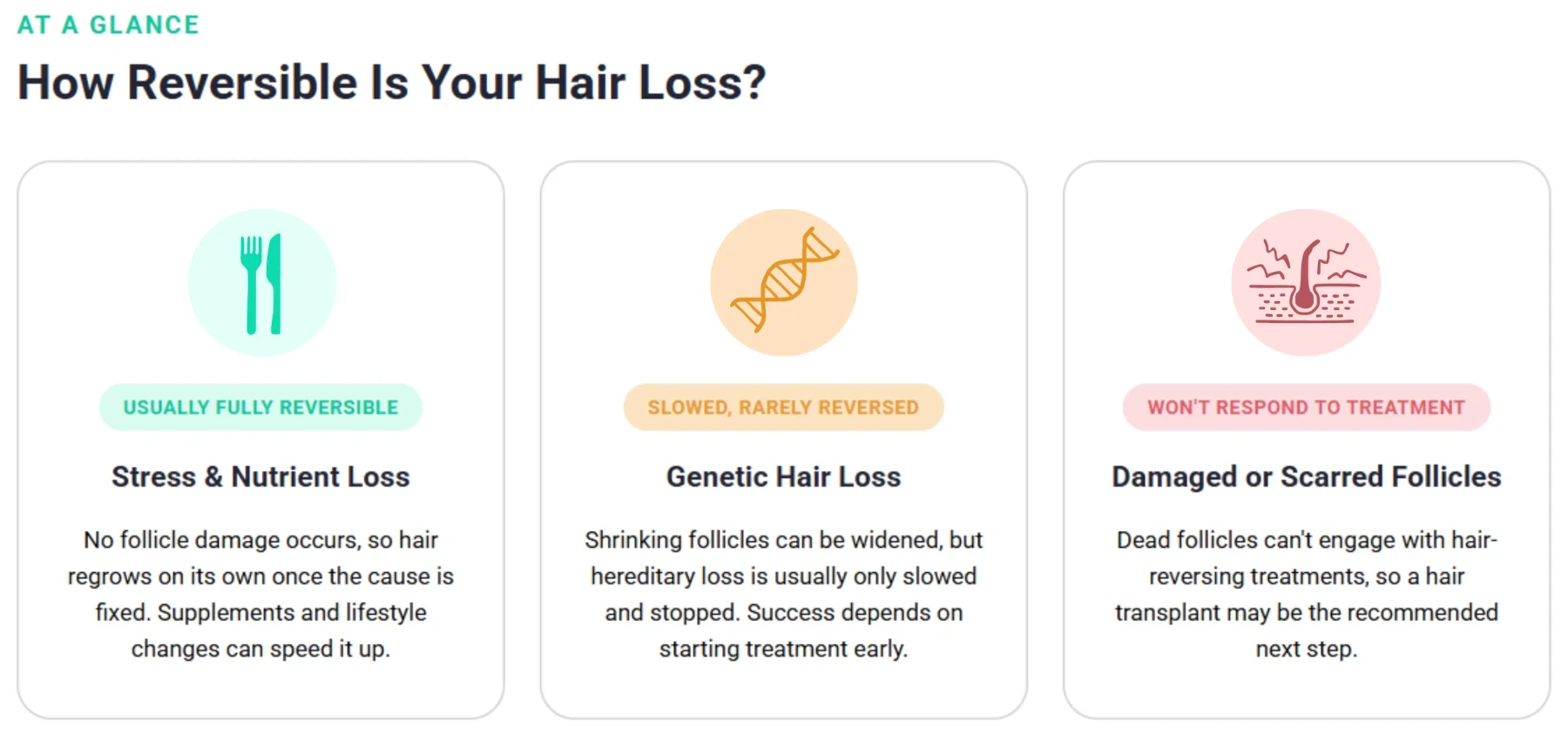
Hair loss caused by stress or a lack of proper nutrients tends to reverse on its own once the causes are addressed, and may not need supplements to speed up the process. This is because the specific type of hair loss does not damage follicles, so it is usually easily reversible. Shrinking follicles associated with genetic hair loss can be widened again to some degree, but it is unlikely that it can be fully reversed. Usually, hereditary hair loss can only be slowed and stopped, and the effectiveness largely depends on how early you begin treatment. Damaged, scarred or dead follicles will not engage with hair reversing treatments. In these cases, a hair transplant may be advised.
Common Ways to Stop Hair Loss
Just like the many factors that can cause hair loss, there are equally as many steps you can take in attempts to counter it too:
Changes in Diet
If a nutrient deficiency is the root cause of your hair loss, then an improvement to your diet could get it back on track. Low levels of iron, vitamin D, omega-3, and protein can all contribute to weaker hair follicles and a more vulnerable scalp overall. Try foods such as:
- Poultry
- Red meat
- Eggs
- Dark green leaves (such as kale or spinach)
- Mushrooms
- Fish
Keeping on top of your nutritional intake will help significantly. For those who are vegetarian or vegan, supplementary pills can be taken to balance out their nutrient levels.
Being More Active
The more exercise you perform, the more blood is circulated throughout the body. The best activities to perform are cardiovascular, such as:
- Walking
- Jogging
- Cycling
- Swimming
- Yoga
Managing Stress
Stress is a common cause of hair loss, and that hair loss can then lead to even more stress, creating a nasty cycle. Taking action to get stress levels under control early is essential, and there are several things you can try:
- Cutting back on caffeine
- Meditating, performing yoga or doing breathing exercises
- Staying hydrated and eating healthily
- Consistently getting a good night's sleep
- Sharing any worries you have with a trusted listener. This could be a friend, family member, or professional - as the saying goes, a problem shared is a problem halved
Styling and Protection
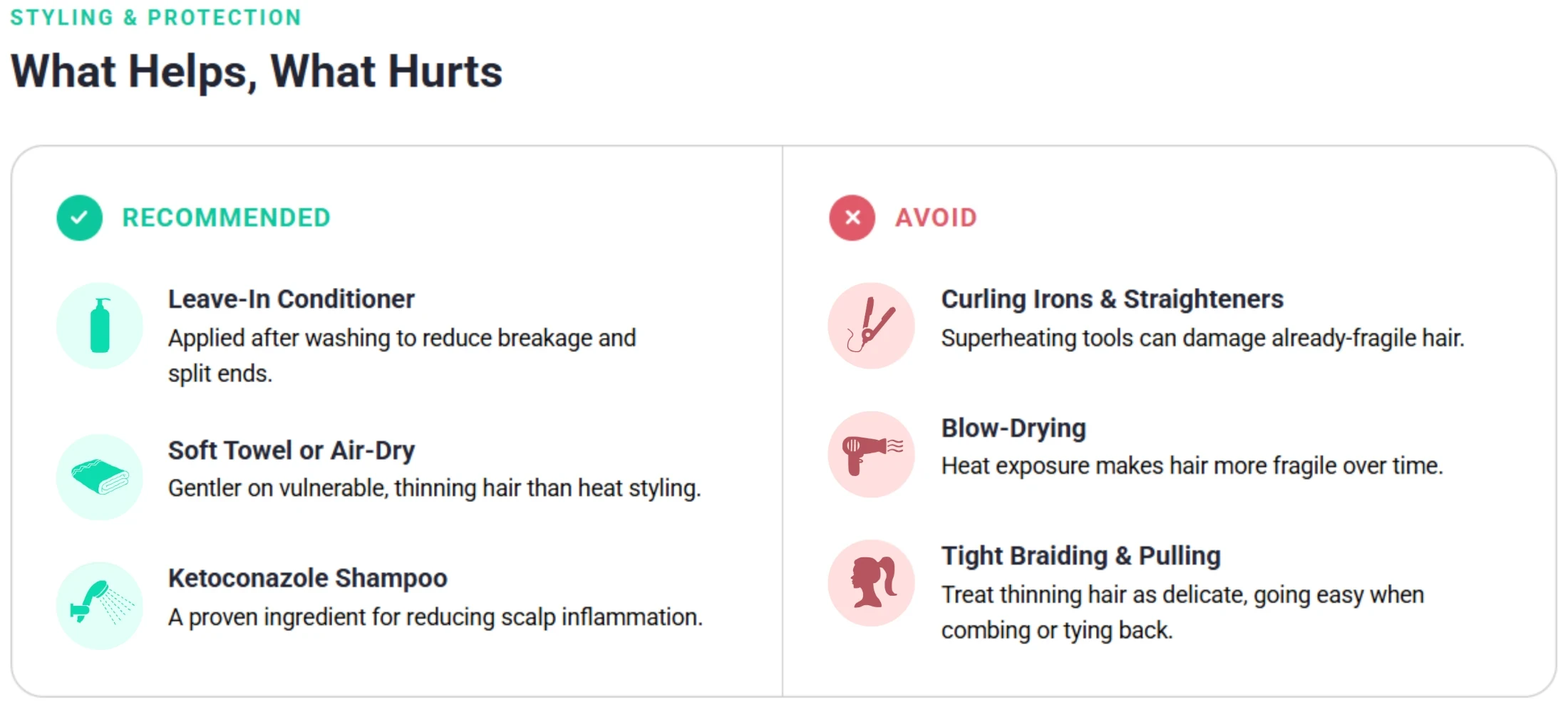
If your hair is thinning or falling out, it will be more vulnerable to damage. Choosing the right shampoos and conditioners matters, as some are gentler than others. You will want to ensure your hair and scalp are moisturised, and some products do this specifically. Look for products containing Ketoconazole, a proven ingredient that reduces scalp inflammation.
You can also use leave-in conditioners; applying them after you wash your hair can reduce breakage and split ends. Lastly, avoid blow-drying, as this can make your hair more fragile. Instead, let it air dry or use a soft towel.
Curling irons, straighteners, and other devices that superheat your hair can damage it. You’ll want to go as easy on your hair as possible - this means gentle combing, no braiding or tightly pulling back, treating it as if it were extremely delicate. Because, well, it is.
Using Supplements
Supplements can boost nutrient and mineral levels within the body, and can be purchased over the counter. However, they are not treatments and will only work against hair loss caused by a nutrient deficiency. They tend to contain ingredients like zinc, iron, vitamin C, and pumpkin seed oil.
Hair loss supplements are technically categorised as a food rather than a medicine, so they undergo far fewer clinical trials than treatments. In most cases, fixing your diet will help against hair loss. However, your clinician may advise you to take supplements as a boost.
Can Medications Stop Hair Loss?
Yes, clinical trials have shown that multiple medications can slow, stop, and reverse hair loss in both men and women. Some are more effective than others, and results may vary from person to person.
Finding the right treatment is key. Here are some that Prescription Doctor provides:
Finasteride and Propecia
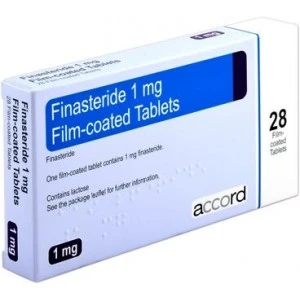
Propecia and its generic form, Finasteride, are hair loss tablets that block the production of DHT (Dihydrotestosterone), the hormone responsible for the shrinking of hair follicles. This allows damaged hair to recover and re-strengthen, leading to a thicker head of hair.
When used daily, Finasteride reduces DHT levels by an average of 60-70% and should be taken over an extended period of time, ideally 1+ years. Combining this with other methods mentioned, such as proper diet and styling, will provide a strong foundation for hair regrowth. However, the treatment does not create new hair follicles, so if too many have already died, it will be less effective.
It also has side effects that impact your sex life, such as erectile dysfunction and a low sex drive, and effects that impact mood, such as depression. Erectile dysfunction could persist even after coming off the treatment. If you experience depression or suicidal thoughts, you should seek medical advice immediately.
Finasteride
Minoxidil
Minoxidil is the active ingredient in Regaine. It’s available as both a solution and a foam and does not require a prescription to purchase, though it is advised that you speak to a clinician before committing to the treatment to ensure it’s right for you.
Minoxidil enhances blood circulation in your scalp, allowing blood containing oxygen and other nutrients to flow more easily throughout; hair growth is heavily dependent on blood flow. The treatment can rejuvenate your hair follicles and stimulate growth and strength.
Price : £29.50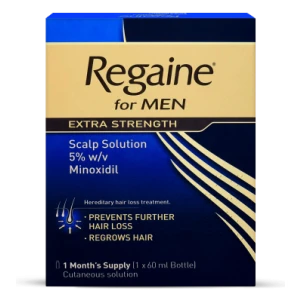
Regaine

Dutasteride
Dutasteride, also known as the brand Avodart, works similarly to finasteride by reducing DHT production. It is considered more effective than its competitors, producing around 90% less DHT, which greatly increases the chances of thicker and stronger hair. However, it is licensed only for benign prostatic hyperplasia, not hair loss in general.
Dutasteride targets an enzyme rather than a hormone: 5-alpha-reductase (5-AR). The enzyme is responsible for converting testosterone to DHT, so by blocking it from doing so, DHT levels drastically fall, and your hair follicles can regrow efficiently.
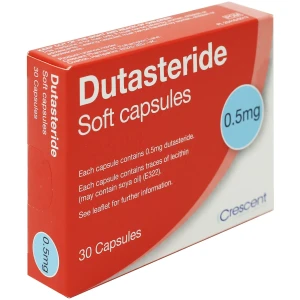
Dutasteride
How to Stop Hair Loss: Frequently Asked Questions
Beyond the information above, many people have more specific questions about how to stop hair loss. Here are some of the ones we are asked frequently.
When Should I See a Doctor About Hair Loss?
You should contact a doctor about hair loss if it occurs suddenly and severely, comes out in clumps, or leaves bald patches. If it also makes your scalp itchy or painful, seek help as soon as possible.
How to Stop Hormonal Hair Loss?
Hormonal hair loss is primarily caused by the androgens in your body shrinking your hair follicles, but it can be due to a wide number of factors. The best treatment to stop hormonal hair loss will depend on what these factors are, and there is no advisable ‘cure-all’. You should speak to your clinician to find out what's causing it.
Does HRT Stop Hair Loss?
HRT, or hormone replacement therapy, may slow or stop hair loss if it is caused by menopause. It raises estrogen levels, though it is not prescribed for hair loss. HRT can only be prescribed for other conditions.
How to Stop Hair Loss From Diabetes?
Like many diabetes-related issues, blood sugar is key. Stabilising your blood sugar levels will help your hair follicles, but it will not cure hair loss on its own. To determine the best treatment, you need to identify the root cause.
Keeping your blood sugar within its target range through diet, exercise and treatments can help your blood vessels. Speak with a clinician to discuss which steps to take in addition to managing your blood sugar.
How to Stop Hair Loss Due to Weight Loss?
Drastic weight loss can shock your system. A dietary change can be effective in combating this - increasing your daily amount of protein. Hair is made of keratin, which itself is composed of protein, so adding lean meat, fish, eggs and tofu to your diet will increase the body’s protein reserves.
Show Hair Loss Who’s The Boss
If you suffer from hair loss, Prescription Doctor is here to help. We have products available and clinicians standing by, ready to help with whatever you need. Our experience with problems like hair loss allows us to offer expert advice on why it may be happening and how best to address it.
We know hair loss can create unwanted feelings of embarrassment; that’s why we offer discreet packaging for all our products that gives no indication of what's inside. There’s no need for a face-to-face appointment either, as we pride ourselves on online consultations you can do from the privacy of your own home. With our completely discreet service, it’s no wonder that we have so many positive reviews. Start your consultation with us today, and we’ll be there to help you every step of the way.
Sources
- NHS (2024): Hair loss
- Indian Journal of Plastic Surgery (2021): Psychology of Hair Loss Patients and Importance of Counseling
- BTF (2026): Hair loss and thyroid disorders
- Skin Appendage Disorders (2023): Hair Disorders in Autoimmune Diseases
- Cureus (2022): Effects of Hormones and Endocrine Disorders on Hair Growth
- HHP (2024): Hereditary-patterned baldness
- NIH (2021): How stress causes hair loss
- BAD (2024): Alopecia areata
- BAD (2025): Telogen effluvium
- NHS (2024): Trichotillomania (hair pulling disorder)
- Dermatology Practical & Conceptual (2017): Diet and hair loss: effects of nutrient deficiency and supplement use
- Dermatology and Therapy (2018): The Role of Vitamins and Minerals in Hair Loss: A Review
- International Journal of Trichology (2018): Scalp Condition Impacts Hair Growth and Retention via Oxidative Stress
- Journal of Cosmetic Dermatology (2018): Chemotherapy-induced alopecia management: clinical experience and practical advice
- Cureus (2025): Hair Loss Associated With Glucagon-Like Peptide-1 (GLP-1) Receptor Agonist Use: A Systematic Review
- Advances in Dermatology and Allergology (2020): Serum ferritin and vitamin D levels should be evaluated in patients with diffuse hair loss prior to treatment
- Journal of Drugs in Dermatology (2024): A Prospective, Multi-Center Study to Evaluate the Safety and Efficacy of a Vegan Nutraceutical to Improve Hair Growth and Quality in Females Following a Plant-Based Diet
- ScienceDirect (2001): Blood Vessels Hold Key To Thicker Hair Growth
- Annals of Dermatology (2017): The Association between Exercise and Androgenetic Alopecia: A Survey-Based Study
- OVID (2020): Topical ketoconazole for the treatment of androgenetic alopecia: A systematic review
ISHRS ( 2024): Hair Supplements: Are They Worth the Hype?
JAAD (1999): The effects of finasteride on scalp skin and serum androgen levels in men with androgenetic alopecia
StatPearls (2024): Dutasteride
Authored & Reviewed By
Mohamed Imran Lakhi
MPharm - Lead PharmacistPublished on: 28/08/2026 Reviewed on: 28/08/2026
How We Are Regulated
Payment Options


© 2013 - 2026 Al Muhsineen Limited. All Rights Reserved. Registered Pharmacy: 34 Halliwell Road, Bolton BL1 8RL. Registered Office: 254 First Floor, Shearbrow, Blackburn, England, BB1 8DS


Patient Login
Don't have an account?
Your account will be automatically created after placing your first order.