
Smoking Withdrawal Symptoms: A Deep Dive
Table of contents:
- What is Nicotine Withdrawal?
- The Stages of Nicotine Withdrawal
- 8 Nicotine Withdrawal Symptoms
- When Does Nicotine Withdrawal Start?
- When Does Nicotine Withdrawal Peak?
- How Long Does Nicotine Withdrawal Last?
- How to Cope with Smoking Cessation Withdrawal Symptoms
- Smoking Withdrawal Symptoms Frequently Asked Questions
- Helping You Throughout Your Journey
Kicking the smoking habit is a continuous challenge, and one of the best ways to succeed is to have a clear understanding of the obstacles in your way. This is why it’s a good idea to inform yourself about things like how to avoid relapsing or how long the quitting process might take.
Smoking withdrawal symptoms are another element that needs to be overcome during your journey. They can be either psychological or physical and are often cited as one of the most difficult aspects of quitting. But what exactly can you expect?
Join us as we explore nicotine withdrawal and discuss the various symptoms and stages you may experience, as well as look at when they will start, peak, and how long they last. Let’s begin.
What is Nicotine Withdrawal?
Nicotine withdrawal is your body’s reaction to the loss of nicotine when you stop smoking. It is characterised by both physical and psychological symptoms, which usually emerge within 4-24 hours of your last cigarette. Nicotine withdrawal is typically most severe in the first week after you quit smoking and lasts 3-4 weeks on average.
Common nicotine withdrawal symptoms include:
- Tobacco cravings
- Irritability
- Restlessness
- Difficulty concentrating
- Sleep problems
- Increased hunger and weight gain
- Sadness, anxiety, and depression
These symptoms can produce strong tobacco cravings, making people experiencing nicotine withdrawal especially vulnerable to smoking relapse. Learning what to expect when you stop smoking can help you navigate the uncomfortable symptoms of nicotine withdrawal when they arise, increasing your chances of quitting for good.
The Stages of Nicotine Withdrawal
Nicotine withdrawal can begin within hours of your last cigarette, and the symptoms are usually strongest within the first week. For most people, they taper off after around 4 weeks, but for some, they can continue for months after quitting smoking.
- 0-24 hours: Studies have found that anxiety is one of the most commonly reported symptoms associated with smoking cessation, and many people feel tense in the first 24 hours after they quit. Other withdrawal symptoms, including irritability, insomnia, and restlessness, can also begin within the first day of your quit attempt.
- Week 1: Nicotine withdrawal symptoms are most severe in the first week after quitting smoking, and typically peak around days 2-3. Many people experience powerful urges to smoke during this period, so having robust coping mechanisms is central to avoiding slip-ups and relapse.
- Weeks 3-4: Withdrawal symptoms usually peak around day 3 and gradually subside over the next 3-4 weeks. As time passes, tobacco cravings get less severe and further apart. However, you may still get the occasional urge to smoke months or even years after you quit.
- Long-term: Many people find their nicotine withdrawal symptoms disappear after around 4 weeks, and those who reach 28 days smoke-free are 5 times more likely to quit permanently. However, some people still struggle with cravings beyond the 1-month mark, with one study reporting that 35% of participants still experienced strong urges to smoke after week 4.

8 Nicotine Withdrawal Symptoms
Nicotine withdrawal causes a wide variety of symptoms that can be physical, emotional, or cognitive in nature. Making a personal quit smoking plan involves considering how you will feel when you quit smoking and coming up with strategies to avoid relapse. Therefore, familiarising yourself with the potential symptoms of nicotine withdrawal can increase your chances of successfully quitting smoking.
1. Cravings
Almost all ex-smokers crave tobacco when they quit, and these urges can range in intensity from mild to overwhelming. The desire to smoke typically lessens as time passes, but some people experience occasional cravings for a long time. One study found that 59% of people who had quit smoking long-term (i.e., for a year or more) reported a desire to smoke when faced with triggers such as:
- Feeling depressed
- Seeing someone else smoking
- Drinking alcohol
- Being in a place where they used to smoke
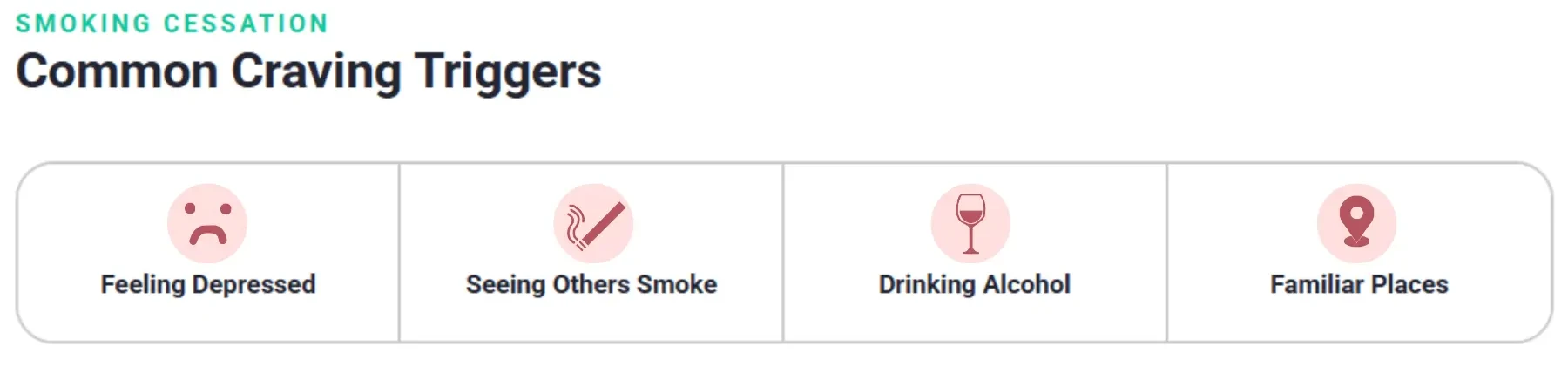
Learning to overcome nicotine cravings is, therefore, the most critical aspect of successfully quitting smoking. Nicotine replacement therapies (NRTs), anti-smoking medications, and behavioural adjustments can all help quitters to reduce and ignore smoking urges.
2. Tremors
When you stop smoking, the lack of nicotine can cause some areas of the brain to become hyperactive. This can manifest as physical symptoms, such as tremors or shaking, and you may notice a slight tremor in your hands.
3. Slow Heart Rate
Nicotine is a powerful stimulant that can increase your heart rate by up to 10-15 beats per minute. When your nicotine levels drop, so does your pulse, and research has found that resting heart rate can be reduced by 10-15 bpm within a day of quitting smoking.
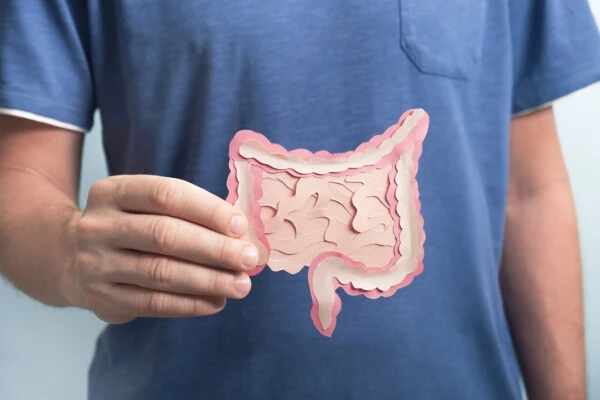
4. Gastrointestinal Problems
The harmful chemicals in tobacco smoke interfere with digestive function. When you stop smoking, digestive function slowly returns to normal, but many recent quitters experience temporary gastrointestinal symptoms.
These may include:
- Nausea
- Indigestion
- Abdominal cramps
- Constipation
- Diarrhoea
- Bloating
- Changes in appetite
5. Increased Appetite
Nicotine suppresses appetite, so increased hunger (and consequent weight gain) is common among people who quit smoking. In one study, smokers experiencing acute nicotine withdrawal were more likely to choose sugary, high-fat foods and consume more calories than people who were still smoking.
6. Anxiety, Depression, and Irritability
Nicotine withdrawal can cause mood changes, and some people feel irritable, anxious, and depressed after they quit smoking. These symptoms may be more common among people who have experienced depression and anxiety before, but they often improve after the first few weeks of smoking cessation.
7. Insomnia
Nicotine withdrawal can make you restless and jumpy, and many people have trouble sleeping when they first quit smoking. This may increase the risk of relapse in the first few weeks of quitting, so finding ways to alleviate this symptom can improve your chances of abstaining from cigarettes. For example, research has found that exercise may significantly improve sleep quality among those experiencing nicotine withdrawal.
8. Difficulty Concentrating
You may find it hard to concentrate when you first quit smoking, as nicotine withdrawal is associated with deficits in attention and working memory. These symptoms typically improve over time, but it can be helpful to limit activities that require intense concentration whenever possible.

When Does Nicotine Withdrawal Start?
Withdrawal symptoms can begin almost as soon as you stop smoking and begin 4-24 hours after your last dose of nicotine. Their severity often depends on how much nicotine you usually consume, with heavier smokers experiencing worse withdrawal symptoms. However, genetic variations can also influence how your body responds to nicotine, with some being more susceptible to withdrawal symptoms than others.
When Does Nicotine Withdrawal Peak?
Smoking withdrawal symptoms are your body’s reaction to finding itself without nicotine, and they usually peak 2-3 days after your last cigarette. This is because blood nicotine levels fall rapidly after you quit smoking and are completely depleted after a few days. Withdrawal symptoms are, therefore, strongest in the early days of quitting smoking, but they typically taper off over the next few weeks.
How Long Does Nicotine Withdrawal Last?
Nicotine withdrawal lasts an average of 3 to 4 weeks, though for some people, symptoms can persist for months. During this time, withdrawal symptoms will get a little milder each day, and cravings will become more manageable and less frequent.
One study found that the urge to smoke decreases exponentially over 1 year of abstinence. After 12 months, none of the participants reported strong cravings for cigarettes. However, around a third (34%) still reported the occasional desire to smoke.
How to Cope with Smoking Cessation Withdrawal Symptoms
Nicotine cravings and withdrawal symptoms can make it very hard to quit smoking, and around 43% of people relapse within the first 4 weeks. Therefore, developing strong coping strategies is critical for improving your chances of successfully quitting smoking.
When cravings spike, try the following methods to distract yourself until the withdrawal symptoms wane:
- Remind yourself why you quit smoking in the first place.
- Engage with something you find enjoyable, such as a hobby or spending time with friends.
- Try meditation or relaxation techniques, such as breathing exercises.
- Reduce your caffeine intake.
- Avoid drinking alcohol
- Move your body - studies have found that even short bursts of moderate-intensity exercise can reduce nicotine withdrawal symptoms.
Many people find nicotine replacement therapies (NRTs) very helpful for reducing withdrawal symptoms. NRTs are products that deliver nicotine in a safer way than smoking and come in the form of patches, lozenges, sprays, inhalants, and chewing gum. They are highly effective in mitigating tobacco cravings, and people using NRTs are up to 70% more likely to quit for good.
Anti-smoking medications like Champix (varenicline), Cytisine, and Zyban can also make it easier to quit smoking. These medications don’t contain nicotine; instead, they reduce withdrawal symptoms and cravings by influencing brain chemistry. For example, varenicline partially binds to nicotine receptors in the brain and makes smoking less rewarding. If you would like to try an anti-smoking medication, reach out to a licensed clinician for more information and advice.

Champix
- Blocks the rewarding effects of smoking
- Reduces cravings and withdrawal symptoms
- High long-term abstinence rates
Smoking Withdrawal Symptoms Frequently Asked Questions
Nicotine withdrawal symptoms and cravings make it very hard to stop smoking tobacco, and it takes most people several attempts to quit. Learning about how nicotine withdrawal affects the body and mind can help you to prepare and implement coping strategies that increase your chances of success.
Why Does Nicotine Withdrawal Make You Angry?
Smoking cessation can cause mood changes, and some people feel angry when they quit. This may be because they feel that smoking relieves stress and, with this coping mechanism removed, they become irritable. Unfortunately, increased anger can make you more likely to relapse, so learning to regulate these emotions is key to stopping smoking.
If you feel edgy or short-tempered after quitting smoking, you may be able to manage your anger by:
- Reminding yourself that these feelings will pass
- Engaging in physical activity
- Reducing caffeine
- Practising meditation or other relaxation techniques
- Using NRTs
How to Help Someone With Smoking Withdrawal?
If you know someone who is quitting smoking, offering your support can help them through the process. Studies have shown how positive social support can help people deal with stress and reinforce their motivation to quit smoking. Therefore, having a supportive environment makes people more likely to abstain from tobacco and reduces their risk of smoking relapse.
You can help friends and family who are trying to quit smoking by letting them know that you’re there for them. Offer distractions to help them deal with cravings and prompt them to remember their reasons for quitting. You can also boost their motivation by celebrating smoke-free milestones and anniversaries with them.
Can Nicotine Withdrawal Cause Heart Palpitations?
Heart palpitations (the sensation of the heart pounding or beating too fast) are a recognised symptom of nicotine withdrawal. A racing heart may accompany other anxiety-related symptoms like restlessness, jitters, and tension. Fortunately, like other withdrawal symptoms, heart palpitations will abate with time and usually stop after 3-4 weeks without nicotine.
In the meantime, it can help to remind yourself that these symptoms are temporary and will pass as your body loses its nicotine dependence.
Why Does Nicotine Withdrawal Cause Anxiety?
Anxiety is a common symptom of nicotine withdrawal, and this happens because the brain has become physically dependent on nicotine to regulate mood. When you smoke, your brain gets a short burst of pleasure from the nicotine. When you stop, and the nicotine leaves your system, this can trigger mood disturbances like anxiety and irritability.
Smoking provides short-term relief from these unpleasant emotions, leading many smokers to believe they need tobacco to regulate their mood. However, this is a false belief that leads many to relapse. If your anxiety spikes after you quit smoking, try to distract yourself with hobbies, exercise, talking with friends, or relaxation techniques.
What Foods Help Nicotine Withdrawal?
Nicotine withdrawal often leads to a spike in appetite, and many people find themselves craving high-fat and sugary foods when quitting. Prepare for hunger by stocking up on healthy snacks and including lots of options to enhance satiety. Greek yoghurt, cottage cheese, boiled eggs, peanut butter and hummus can help keep you full between meals while providing plenty of protein.
Other smart choices include raw fruits and veggies, which are rich in nutrients and fibre but low in calories.

What Supplements Help With Nicotine Withdrawal?
Certain dietary supplements may help to address the symptoms of nicotine withdrawal, making it easier to avoid relapse. For example, melatonin may reduce mood-related withdrawal symptoms like anxiety and irritability, and could improve sleep quality. Studies in mice have also highlighted the potential of L-theanine (an amino acid found in green tea) to reduce stress and improve mood and cognition during nicotine withdrawal.
Another study in mice found that Vitamin D3 may ease anxiety in the early days of quitting smoking, while human trials show Vitamin C can provide numerous health benefits by combating oxidative stress caused by smoking. If you would like to know more about how supplements and other medications can assist you on your quit-smoking journey, contact a healthcare professional for advice.
Helping You Throughout Your Journey
Giving up smoking is one of the most important changes anyone can ever make. The numerous benefits and the impact it can have on your body and overall health are extremely well-documented, as are the potential challenges you may face along the way. So what can you do to increase your chances of success?
A key component of a quit-smoking strategy is ensuring you have a solid support network. This is especially the case if social smoking is common and you have a group of friends who also engage in the activity.
Prescription Doctor has extensive experience with helping people kick the habit, and we’re ready to do the same for you. Our service begins with a simple online questionnaire where you provide details about your medical history and any other treatments you may be taking. Your information is then reviewed by our experienced clinicians to determine whether your chosen stop-smoking medication is suitable for your circumstances. Once approved, the treatment is dispatched from our General Pharmaceutical Council-registered pharmacy in discreet packaging.
We don’t just stop there, however, as our clinicians will also regularly check in with you to monitor progress and ensure your treatment schedule is working as planned. You can even get in touch any time you have a query, and we will be happy to help. In addition, we have an extensive library of information on our website, including 12 tips to kick the habit, a timeline of events, and a comparison of available medications.
If you’re ready to take your first steps towards a smoke-free life, we can help. Start a consultation with Prescription Doctor today.
Sources
- PubMed (2015): Nicotine Withdrawal.
- CDC (2024): 7 Common Withdrawal Symptoms.
- PubMed (2020): Evaluating the temporal relationships between withdrawal symptoms and smoking relapse.
- NHS Better Health: Managing nicotine withdrawal symptoms.
- National Cancer Institute (2022): Handling Nicotine Withdrawal and Triggers When You Decide To Quit Tobacco.
- ScienceDirect (2002): Time course of cigarette withdrawal symptoms during four weeks of treatment with nicotine chewing gum.
- PubMed (2010): Craving among long-abstinent smokers: An Internet survey.
- Advanced Science (2024): Striatal Cholinergic Interneurons Control Physical Nicotine Withdrawal via Muscarinic Receptor Signalling.
- PubMed (2017): Cardiovascular Toxicity of Nicotine: Implications for Electronic Cigarette Use.
- PubMed (2020): Decrease in Resting Heart Rate Measured Using Smartphone Apps to Verify Abstinence From Smoking: An Exploratory Study.
- PubMed (2023): Adverse physiological effects of smoking cessation on the gastrointestinal tract: A review.
- PubMed (2022): Tobacco Withdrawal Increases Junk Food Intake: The Role of the Endogenous Opioid System.
- Smokefree.gov: Managing Nicotine Withdrawal.
- PubMed (2020): Can exercise alleviate sleep disturbances during acute nicotine withdrawal in cigarette smokers?
- PubMed (2013): Cognitive Function During Nicotine Withdrawal: Implications for Nicotine Dependence Treatment.
- Cleveland Clinic (2024): Nicotine Withdrawal.
- PubMed (2020): Nicotine Population Pharmacokinetics in Healthy Smokers After Intravenous, Oral, Buccal and Transdermal Administration.
- Springer Nature (2012): Urge to smoke over 52 weeks of abstinence.
- PubMed (2024): Patterns and predictors of smoking relapse among inpatient smoking intervention participants: a 1-year follow-up study in Korea.
- PubMed (2020): Short Bouts of Physical Activity Are Associated with Reduced Smoking Withdrawal Symptoms, But Perceptions of Intensity May Be the Key.
- NIH (2023): Nicotine Replacement Therapy.
- SmokefreeVet: Reasons People Smoke.
- PubMed (2008): Anger and Psychobiological Changes During Smoking Abstinence and in Response to Acute Stress: Prediction of Smoking Relapse.
- PubMed (2019): Motivational Benefits of Social Support and Behavioural Interventions for Smoking Cessation.
- NIH: Growing up Tobacco Free: Preventing Nicotine Addiction in Children and Youths.
- NHS Better Health: The truth about smoking, stress and mental health.
- BBC (2026): How to quit smoking or vaping without turning to unhealthy snacks.
- PubMed (2024): Exploring the association between melatonin and nicotine dependence (Review).
- PubMed (2024): L-theanine attenuates nicotine reward and withdrawal signs in mice.
- PubMed (2021): Vitamin D3 reduces hippocampal NR2A and anxiety in nicotine withdrawal mice.
- NIH (2023): Vitamin C Deficiency.
Authored By

Kate Latham
Medical Content WriterPublished on: 26/02/2026
Reviewed By

Mohamed Imran Lakhi
MPharm - Lead PharmacistReviewed on: 26/02/2026
How We Are Regulated
Payment Options


© 2013 - 2026 Al Muhsineen Limited. All Rights Reserved. Registered Pharmacy: 34 Halliwell Road, Bolton BL1 8RL. Registered Office: 254 First Floor, Shearbrow, Blackburn, England, BB1 8DS


Patient Login
Don't have an account?
Your account will be automatically created after placing your first order.