All inclusive service
No hidden fees

Prices from £64.99
Review More Prices
Your privacy is important, Prescription Doctor are committed to keeping your details completely confidential.
This is why we also take steps to conceal your prescription products under two layers of packaging.
We have a commitment to delivering a discreet service and understand your need for privacy. We ship all orders via a trackable courier using discreet, plain packaging.
Once your order is dispatched you will receive a tracking number via sms and email.
We deliver medications between Monday and Saturday. You can upgrade to Saturday delivery on Friday.
You should receive a tracking number with your order which you can use this number to track your parcel online. This should give you a clear indication of where your parcel is. If you haven’t received your parcel in the time frame given by our couriers, contact your local depot to find out where it is. You can also contact our support team who will do this for you.
On checkout you will be asked to leave your mobile number so our courier can text you about the delivery. This is also useful if the courier has problems finding your address. We will not use your mobile number for anything else.
You can pay for your order using credit, debit card or via bank transfer.
If you don’t have a credit or debit card you can pay via bank transfer. We will give you a unique reference number at checkout along with details of how to make the transfer. Once the money has cleared in our account, we will process your order.
We are a completely secure site and take many measures to ensure your details are kept safe. We understand that you have a right to extreme privacy when purchasing sensitive health medications. All information that you provide to us is stored on our secure servers. Any payment transactions will be encrypted using SSL technology.
You can pay for your order using credit, debit card and bank transfer.
Card Payment: Please notify us that you wish to cancel your order. Your refund will show available In 1 - 3 days.
Bank Transfer: A member of our team will contact you requesting for your bank details. These details are only used to transfer the funds back into your account.
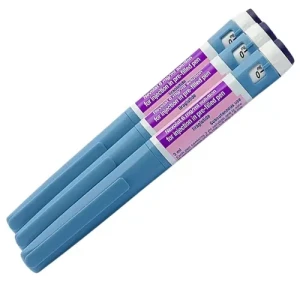
Saxenda (liraglutide) is a prescription weight loss medication used as an adjunct to a reduced-calorie diet and increased physical activity for the treatment of obesity in adults. It is a glucagon-like peptide-1 (GLP-1) receptor agonist that regulates appetite and food intake.
First licensed in the UK in 2015, Saxenda was a widely used weight management treatment before its manufacturer, Novo Nordisk, effectively withdrew it from the UK market for commercial reasons. Generic alternatives such as Nevolat, which contains the same active ingredient and dosage strength, are now available following the expiration of liraglutide’s patent protection. Nevolat is available through Prescription Doctor’s service.
By activating GLP-1 receptors in the brain, liraglutide reduces hunger signals, helping you feel fuller for longer and making it easier to consume fewer calories throughout the day. Importantly, Saxenda does not increase your metabolic rate or energy expenditure; its primary mechanism is appetite regulation rather than calorie burning.
Moreover, liraglutide has been shown to offer broader metabolic benefits. Clinical studies and NHS guidance suggest it can help reduce the risk of progression from pre-diabetes to type 2 diabetes, and evidence indicates it may reduce the severity of obstructive sleep apnoea in people with obesity.
Saxenda is most effective when used as part of a structured weight management plan. The MHRA and clinical guidance consistently recommend combining liraglutide treatment with a reduced-calorie diet and regular physical activity, as lifestyle changes remain an essential component of long-term results.
Saxenda does not produce immediate results; it follows a gradual dose escalation schedule over several weeks. Most patients begin to notice appetite-suppressing effects once the therapeutic dose (3 mg) is reached. As with all weight loss treatments, Saxenda works best when taken as prescribed, alongside a reduced-calorie diet and regular physical activity.
Clinical evidence demonstrates that liraglutide 3mg can produce meaningful weight loss when combined with dietary and lifestyle changes. In pivotal trials, 63% of patients lost at least 5% of their body weight, with an average reduction of about 8% after approximately 56 weeks of treatment.
Real-world UK data from the STRIVE study - a multicentre randomised controlled trial across specialist weight management services in the UK and Ireland - found that 21% of participants on a structured liraglutide pathway achieved more than 15% weight loss at one year. Results do vary between individuals, and treatment should be reviewed at 12 weeks if less than 5% weight loss has been achieved at the full 3 mg dose.
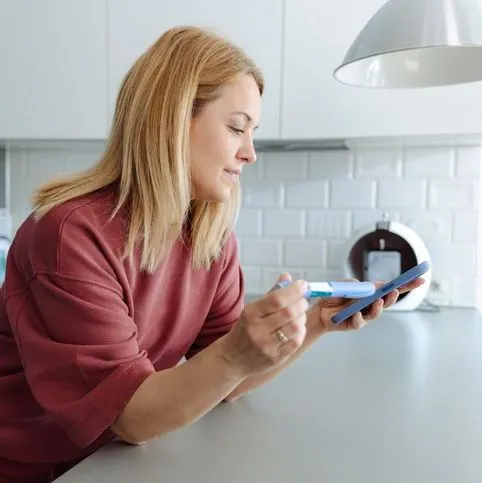
Saxenda is administered as a subcutaneous injection, meaning it is injected into the fatty tissue just beneath the skin. Suitable injection sites include the abdomen, upper thigh, or upper arm. It is advisable to rotate sites with each injection to reduce the risk of skin irritation or lumps developing at the same location.
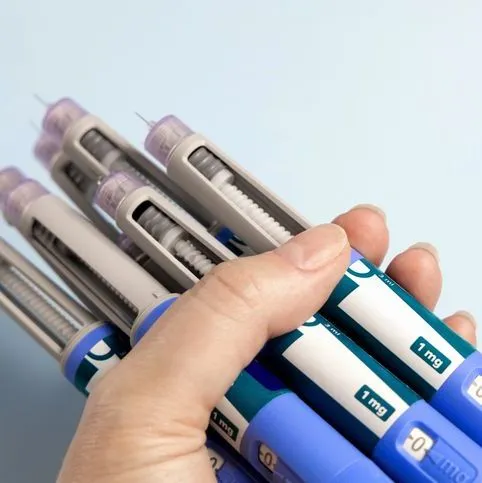
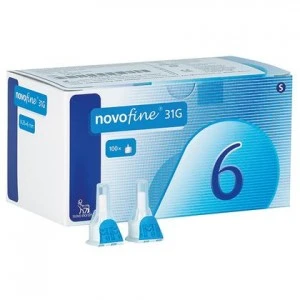
Each dose is administered once daily, at any time of day, and can be taken with or without food. The pre-filled pen should be primed before first use, and a new needle attached for each injection. Used needles should be disposed of safely in a sharps container.
Full step-by-step guidance is provided in the Patient Information Leaflet supplied with your medication.
Saxenda follows a gradual dose escalation over five weeks, allowing the body to adjust to the medication and minimising the likelihood of side effects. Treatment begins at 0.6mg once daily, increasing by 0.6 mg weekly until the full therapeutic dose of 3mg is reached.
Week | Daily Dosage |
|---|---|
1 | 0.6mg |
2 | 1.2mg |
3 | 1.8mg |
4 | 2.4mg |
5+ | 3.0mg |
If side effects make a scheduled dose increase difficult to tolerate, the current dose may be maintained for an additional week before stepping up.
Each Saxenda pen contains 18mg of liraglutide. How long a pen lasts depends on which stage of the escalation schedule you are at. If the dose-escalation schedule is followed exactly, your first pen should last around two weeks, covering the initial 0.6mg and 1.2mg stages. Subsequent pens will last progressively fewer days as the dose increases, with each pen lasting approximately one week during the mid-escalation phase. Once the 3 mg maintenance dose is reached, patients can expect to use roughly one pen every six days.
Once empty, pens and needles should be disposed of responsibly in a sharps container rather than general waste.
Saxenda is a weight loss solution that can only be prescribed by a registered healthcare professional, such as a doctor, pharmacist, or nurse prescriber. To be eligible for Saxenda, you must be at least 18 years old and meet one of the following BMI criteria, as outlined in the eMC Summary of Product Characteristics:
A weight-related comorbidity refers to a health condition linked to excess weight, such as type 2 diabetes, high blood pressure, high cholesterol, or obstructive sleep apnoea.
Like all prescription medications, Saxenda can cause side effects in some patients. Most are mild and tend to resolve as the body adjusts to treatment, particularly during the dose escalation phase.
All medications carry the potential for side effects, though not everyone experiences them. It is essential to understand the risks associated with your medication before you begin taking Saxenda.
Possible side effects include:
Very Common | Common | Uncommon | Rare |
|---|---|---|---|
| Nausea Vomiting Diarrhoea Constipation Headache | Heartburn Indigestion Gastritis Belching Dry mouth Flatulence Feeling tired or weak Changes in taste Insomnia Dizziness Gallstones Injection site reactions Low blood sugar Increase in pancreatic enzymes | Loss of fluids Delay in the emptying of the stomach Gall bladder inflammation Faster pulse Feeling generally unwell Allergic reactions, such as a skin rash | Reduced kidney function Acute kidney failure |
Please note that severe upper abdominal pain may be a sign of gallstones or an inflamed gallbladder. Stop treatment and contact a clinician if you are experiencing severe pain in the upper abdomen, usually worst on the right side and possibly radiating to the back or right shoulder.
Please note that this is not an exhaustive list of potential Saxenda side effects. More information can be found within the Patient Information Leaflet.
Do not take Saxenda if you are allergic to liraglutide or other ingredients in Saxenda, such as:
Signs of an allergic reaction include:
In cases of an allergic reaction, stop using Saxenda and go directly to your nearest accident and emergency department.
Although Saxenda injections can be effective for weight loss, they are not suitable for everyone. It’s essential to have a clear understanding of the potential impact of taking the medication before starting treatment.
Do not use Saxenda if you:
Exercise caution and speak with your clinician if you:
It is important to disclose your full medical history during your consultation.
Saxenda can interact with other medications, so it is important to disclose all current medicines, including prescription, over-the-counter, and herbal products, during your online consultation.
Particular caution is advised if you are taking insulin or sulfonylureas (such as gliclazide or tolbutamide), as combining these with liraglutide may increase the risk of low blood sugar. Those taking anticoagulants such as warfarin should be monitored closely, as changes in diet and weight can affect how these medicines work.
Saxenda should not be combined with other GLP-1 receptor agonists. Because Saxenda can cause nausea, vomiting, or diarrhoea (particularly during dose escalation), the absorption of some orally taken medicines may also be affected.
Full details of known interactions are available in the Patient Information Leaflet.
Acute pancreatitis has been noticed in patients taking Saxenda. Signs of acute pancreatitis include:
Stop using the medicine and seek urgent medical attention if severe, persistent abdominal pain occurs, especially if it radiates to the back and may be accompanied by nausea
or vomiting.
Saxenda is not suitable for people who take insulin or another GLP-1 receptor agonist for the treatment of diabetes, as it may increase your risk of hypoglycaemia. Saxenda is not a substitute for insulin.
It’s also important that you inform our prescriber if you have any thyroid issues (hyperthyroidism or hypothyroidism) and are taking any medicine for a thyroid issue, such as Levothyroxine. This is because Saxenda may not be suitable for people with thyroid problems.
Do not take Saxenda if you are pregnant or breastfeeding. It is unknown how Saxenda affects a child's development during pregnancy or while breastfeeding. If you become pregnant while taking Saxenda, inform your doctor right away.
While alcohol is unlikely to interact with Saxenda, you should avoid or limit alcohol consumption while taking Saxenda. Alcoholic drinks are high in calories and offer little nutritional value. Furthermore, alcohol may increase your risk of, or worsen, side effects of Saxenda, such as nausea, vomiting and dizziness.
Saxenda should not impact your ability to drive or operate machinery. However, if you experience any side effects that may affect your concentration, such as dizziness, you should refrain from these activities until you feel well enough to resume them.
During transit, Saxenda must be kept cool. This is why we include a small frozen gel pack. You can discard the gel pack in the bin. Take care not to burst the bag.
Taking Orlistat and Saxenda together is not recommended. NHS prescribing guidelines state that co-prescribing Orlistat with other weight loss medications is not advised, and this applies equally to branded versions such as Xenical. The two medications work through different mechanisms (Orlistat reduces dietary fat absorption in the gut, and Saxenda regulates appetite centrally).
There is no clinical evidence to support their combined use, and taking both simultaneously may increase the risk of gastrointestinal side effects. For further advice on which weight-loss treatment is most suitable for you, please consult your clinician.
Saxenda is no longer available on the NHS, with NHS England currently listing Mounjaro and Wegovy as available weight management injection options. While it was previously prescribed through specialist weight management services in England, Saxenda has now been withdrawn from the UK market. Patients who were previously prescribed Saxenda through the NHS will have been transitioned to alternative treatments by their clinical team.
Saxenda is no longer available for prescription in the UK, so it cannot be purchased online or through any other channel. Patients seeking to buy Saxenda online will find it has been withdrawn from the market entirely, whether they are purchasing privately or through the NHS.
However, Nevolat, which contains the same active ingredient, liraglutide, at the same dosage strength, is available for private purchase through Prescription Doctor. You can begin the process by completing a short online consultation to assess your suitability. If approved by one of our clinicians, your treatment will be dispensed and dispatched with next-day delivery available on weekday orders placed before 3pm.
Oncotarget (2017): Liraglutide: another reason to target prediabetes?
EMC (2025): Patient Information Leaflet.
EMC (2025): Summary of Product Characteristics
NHS (2023): Liraglutide
NIH (2015): A RCT of Liraglutide in weight management
Barnsley CCG (2024): Prescribing Criteria for Orlistat
NHS England: Weight management injections
© 2013 - 2026 Al Muhsineen Limited. All Rights Reserved. Registered Pharmacy: 34 Halliwell Road, Bolton BL1 8RL. Registered Office: 254 First Floor, Shearbrow, Blackburn, England, BB1 8DS
Don't have an account?
Your account will be automatically created after placing your first order.