All inclusive service
No hidden fees

Prices from £19.99
Review More Prices
Your privacy is important, Prescription Doctor are committed to keeping your details completely confidential.
This is why we also take steps to conceal your prescription products under two layers of packaging.
We have a commitment to delivering a discreet service and understand your need for privacy. We ship all orders via a trackable courier using discreet, plain packaging.
Once your order is dispatched you will receive a tracking number via sms and email.
We deliver medications between Monday and Saturday. You can upgrade to Saturday delivery on Friday.
You should receive a tracking number with your order which you can use this number to track your parcel online. This should give you a clear indication of where your parcel is. If you haven’t received your parcel in the time frame given by our couriers, contact your local depot to find out where it is. You can also contact our support team who will do this for you.
On checkout you will be asked to leave your mobile number so our courier can text you about the delivery. This is also useful if the courier has problems finding your address. We will not use your mobile number for anything else.
You can pay for your order using credit, debit card or via bank transfer.
If you don’t have a credit or debit card you can pay via bank transfer. We will give you a unique reference number at checkout along with details of how to make the transfer. Once the money has cleared in our account, we will process your order.
We are a completely secure site and take many measures to ensure your details are kept safe. We understand that you have a right to extreme privacy when purchasing sensitive health medications. All information that you provide to us is stored on our secure servers. Any payment transactions will be encrypted using SSL technology.
You can pay for your order using credit, debit card and bank transfer.
Card Payment: Please notify us that you wish to cancel your order. Your refund will show available In 1 - 3 days.
Bank Transfer: A member of our team will contact you requesting for your bank details. These details are only used to transfer the funds back into your account.
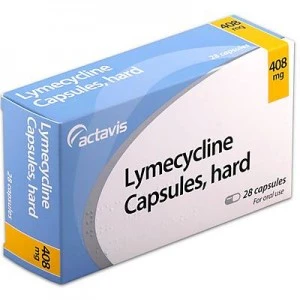
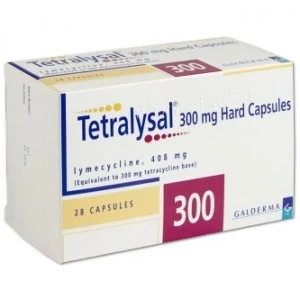
Lymecycline is an oral antibiotic that belongs to a group of medicines known as tetracyclines. It is available under the brand name Tetralysal or as its generic form. Generic lymecycline 408 mg capsules contain the same active strength, whereas Tetralysal 300 mg capsules contain 408 mg of lymecycline, equivalent to 300 mg of tetracycline base.
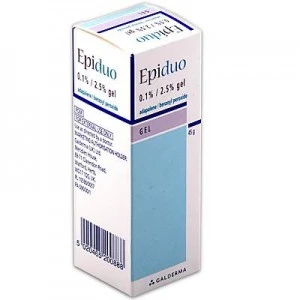
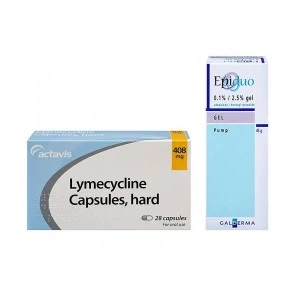
Lymecycline 408mg capsules are used to treat acne in adults. Alongside doxycycline, it’s recommended as the preferred oral antibiotic for moderate to severe acne, used alongside a topical non-antibiotic treatment such as adapalene with benzoyl peroxide (Epiduo) or azelaic acid (available as brands including Skinoren Cream and Finacea Gel).
Oral antibiotics for acne shouldn't be used on their own or combined with a topical antibiotic. Your prescriber will advise on the most suitable combination for your skin.
Acne develops when dead skin cells block hair follicles, trapping sebum. A bacterium called Cutibacterium acnes (C. acnes) feeds on this trapped oil and releases irritants that cause redness, swelling, and spots.
Lymecycline treats acne by killing bacteria that cause acne. When a pore becomes clogged, sebum builds up beneath the skin's surface. Bacteria feed on the excess sebum and excrete chemicals that cause skin irritation and inflammation. Killing the bacteria reduces inflammation and helps the skin heal.
When treating acne with Lymecycline antibiotics, it may take up to 8 weeks for the effects to become noticeable. Most people see improvement after six to eight weeks of consistent use, while some clinical trials have recorded significant reductions in inflammatory lesions by the 12-week mark, with visible progress often starting earlier. You should continue taking it for as long as prescribed.
Treatment is usually prescribed as a 12-week course. At that point, your prescriber will review your progress. If your acne has cleared, they may advise stopping lymecycline while continuing topical treatment. If it's improved but not fully cleared, continuing for up to 12 more weeks may be considered. Antibiotic courses for acne shouldn't normally continue beyond six months.
If you do not notice an improvement in your condition after 8 weeks, speak to your doctor. They may review your treatment and advise whether to continue, switch, or consider alternatives.
Yes, Lymecycline does work for acne. It has a strong evidence base, which has led to the medication becoming one of two oral antibiotics that GPs first recommend for acne. For example, a multicentre randomised trial of 136 patients found that lymecycline achieved a 63% reduction in inflammatory lesions and a 58% reduction in total lesion count over 12 weeks. Results were also comparable to minocycline, a more expensive tetracycline, making lymecycline a cost-effective first-line choice.
In addition, a double-blind study of 144 participants showed that lymecycline reduced inflammatory lesions by over 50% at 12 weeks, performing on par with minocycline but with a more favourable side effect profile. Finally, a systematic international review of oral tetracyclines found consistent effectiveness across the class, with inflammatory lesions reducing by an average of around 54%. This was a comprehensive analysis of 54 trials from 1962 to 2006.
It’s important to note that not everyone responds the same way to medication, so your results may differ. Lymecycline works best when used alongside a topical treatment, with daily use throughout the full prescribed course.
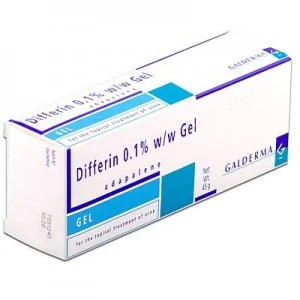
No. Lymecycline treats active acne but doesn't permanently cure it. The condition may return after stopping treatment. Your prescriber may recommend a topical maintenance treatment, such as adapalene (Differin) or adapalene with benzoyl peroxide (Epiduo), to help keep breakouts at bay after the antibiotic course.
The process of taking lymecycline is relatively straightforward. The typical dose for acne is 1 408 mg capsule (equivalent to 300 mg of tetracycline) taken once daily. It’s recommended that you take it in the morning, where possible. Always follow your clinician's or doctor’s instructions for taking the medication.
Ensure you swallow the capsule whole with a glass of water. Don’t crush or break it. You can take Lymecycline with or without food, since absorption isn’t affected, but having it with a meal may reduce the risk of nausea.
Consistency is usually crucial when taking medications, so try to take lymecycline capsules at the same time each day to build up a routine. Be aware that the capsule can irritate the throat, so try not to take it just before lying down or going to bed.
Lymecycline is generally well-tolerated, but long-term antibiotic use carries risks, including antimicrobial resistance and potential side effects. The current UK guidance advises keeping courses as short as possible and only continuing beyond six months in exceptional circumstances. Your prescriber will review your treatment regularly.
Lymecycline capsules can be taken at any time of day, though the NHS recommends taking them in the morning where possible. This is because the capsules can irritate the throat, so taking them earlier in the day means you're less likely to lie down soon after.
If evening works better for you, just make sure you take them well before bed and stay upright for a while afterwards. You should aim to take your lymecycline at the same time every day.
If you accidentally take too much lymecycline, speak to your doctor or pharmacist as soon as possible – or call 111 for advice.
If you feel seriously unwell, have difficulty breathing, or collapse, call 999 or go to A&E immediately. Overdosing on tetracyclines can put strain on the liver, so it's important to get medical advice quickly – even if you feel fine. Take the packaging with you.
Your acne will not clear any faster by taking more lymecycline than you should, but you may put yourself at a greater risk of experiencing side effects.
If you miss a dose of Lymecycline, take it as soon as you remember, unless it is time for your next dose. In this case, you should skip the missed dose and take your next dose of lymecycline at the usual time.
Do not take more of the medicine to make up for missed doses. If you often forget when to take Lymecycline, set a reminder on your phone or smart device.
Like all medicines, lymecycline can cause side effects, though not everyone experiences them. Read the Patient Information Leaflet before starting treatment, as it’s essential to familiarise yourself with potential adverse reactions.
Most Lymecycline side effects are mild and tend to settle as your body adjusts. Possible adverse reactions include:
Common | Frequency Unknown |
|---|---|
| Nausea Abdominal pain Diarrhoea Headache | Vomiting Upper abdominal pain Dizziness Allergic (hypersensitivity) reaction Skin blistering or peeling Eyesight disturbances Yellowing of the skin (jaundice) Fever Depression |
Please note that this isn't an exhaustive list of possible Lymecycline side effects. For more detailed information, read the Patient Information Leaflet included with your medication, also linked in our Sources section.
If you experience any side effects, whether listed here or not, you can report them through the Yellow Card Scheme. This helps the MHRA monitor the safety of medicines and is open to patients and healthcare professionals alike.
Stop taking lymecycline and seek urgent medical advice if you experience:
While most people do not experience serious side effects, and this medication is generally well tolerated, if you feel seriously unwell, do not hesitate to call 999 or go to A&E immediately.
Lymecycline can make your skin more sensitive to sunlight and UV light. While taking it, avoid excessive sun exposure, UV lamps, and sunbeds.
If you develop a sunburn-like skin reaction, stop taking lymecycline and contact your prescriber. Use sunscreen and protective clothing when spending time outdoors.
Lymecycline is effective and well-tolerated for most people, but it isn't suitable for everyone. Read the Patient Information Leaflet before starting treatment, and be aware of the following warnings and interactions, though your prescriber will discuss any relevant ones with you.
Allergic reactions to lymecycline can be triggered by sensitivity to the active ingredient or to other tetracycline antibiotics. The capsules also contain tartrazine (E102), which can cause allergic reactions in some people.
Stop taking lymecycline and seek immediate medical attention if you experience:
Lymecycline 408 mg capsules may not be suitable for everyone. For example, you should not take them if you:
It’s also important to inform your clinician or doctor before starting treatment if you:
Tell your prescriber about all medicines you're taking, including over-the-counter products, vitamins, supplements, and herbal remedies.
What not to take with lymecycline:
Other potential interactions to be aware of:
Alcohol doesn't directly interact with lymecycline or reduce its effectiveness. However, alcohol can worsen gastrointestinal side effects such as nausea and stomach upset, and heavy drinking puts additional strain on the liver. It's sensible to drink in moderation while on treatment.
Don't take lymecycline if you're pregnant, planning to become pregnant, or breastfeeding. Tetracyclines cross the placenta and can affect foetal bone and tooth development. They also pass into breast milk and may cause tooth discolouration in the infant.
If you discover you're pregnant while taking lymecycline, stop immediately and speak to your doctor. If you have childbearing potential, discuss effective contraception or an alternative treatment with your prescriber.
Lymecycline is a prescription-only medicine, so you'll need a prescription from a qualified healthcare professional before you can get it. There are a few ways to do this in the UK.
No. Lymecycline isn't available over the counter. You'll need a prescription from your GP, a dermatologist, or an online prescribing service like Prescription Doctor. This is to determine whether the antibiotics are suitable for your circumstances.
Yes, lymecycline is widely available on the NHS and is one of the two preferred oral antibiotics for acne under current UK guidelines. However, GP waiting times can vary, which is why some people choose a private prescription service for quicker access. Choosing an online pharmacy, such as Prescription Doctor, also offers more privacy as your treatment is delivered in plain packaging.
Yes, you can buy Lymecycline online for acne from trusted pharmacies such as Prescription Doctor. Simply complete a brief questionnaire, and our specialist clinicians will review your information to determine whether the treatment is safe for you to take.
Once approved, your order is dispatched from our General Pharmaceutical Council-registered pharmacy in plain packaging for complete discretion. Orders approved before 3pm on a weekday are also eligible for next-day delivery to your chosen UK address. Our clinicians are also available to answer any questions you may have about treatment.
Tetralysal is the brand name for lymecycline made by Galderma. Tetralysal 300 mg capsules contain 408 mg lymecycline (equivalent to 300 mg tetracycline base). Generic lymecycline 408 mg capsules contain the same active strength. They both work the same way to treat acne.
Lymecycline capsules are not known to cause purging in the same way that some topical treatments, such as retinoids, do. With these treatments, some people may notice their acne worsens slightly before it improves. The issue will typically settle within a few weeks. If it’s severe or persistent, speak to your prescriber for further advice.
Lymecycline is a standard-strength tetracycline antibiotic, one of the two preferred oral antibiotics for acne under current UK guidelines. It is chosen for its effectiveness, once-daily dosing, and the convenience of being taken with food.
Occasionally, acne may appear to worsen in the early weeks before improving. If it gets significantly worse or doesn't improve after 8–12 weeks, speak to your prescriber for advice. They may recommend an alternative treatment that could be more suitable for your circumstances.
Lymecycline targets bacteria and inflammation, not the hormonal causes of acne. It may improve hormonal acne by reducing the bacterial component, but if your acne's primarily hormonally driven, your prescriber may suggest additional treatments such as a combined oral contraceptive or spironolactone.
Lymecycline treats active acne, not existing scars. By clearing breakouts and reducing inflammation, it may help prevent new scarring. For existing scars, it’s recommended that you speak to your GP about referral options.
Alcohol doesn't directly interact with lymecycline capsules. However, it can worsen gastrointestinal side effects such as nausea. It's therefore sensible to drink in moderation, though you may even want to temporarily stop drinking alcohol while using the medication.
No, Lymecycline is not known to cause weight gain, and it isn’t listed as a potential Lymecycline side effect in the Patient Information Leaflet. If you notice unexplained weight changes, speak to your prescriber for advice and further information. Common side effects of the treatment include nausea, diarrhoea, and headaches.
No, weight loss is not a recognised side effect of Lymecycline capsules, and it isn’t listed in the Patient Information Leaflet. If the medication is causing nausea or loss of appetite that is affecting your eating, speak to your prescriber for advice. They may recommend an alternative treatment.
Anxiety isn't listed as a side effect of Lymecycline capsules, though depression is listed as a potential adverse reaction at an unknown frequency. If you experience changes in mood or mental health, speak to your prescriber. An alternative medication may be more suitable for your circumstances.
Yes, stomach issues such as nausea, abdominal pain, and diarrhoea are listed among the common side effects of Lymecycline. These adverse reactions usually settle as your body adjusts to the medication. Taking lymecycline capsules with food may also help reduce the risk of you experiencing side effects.
There is no medical evidence to suggest that lymecycline capsules directly affect your menstrual cycle. If you notice changes, speak to your prescriber to rule out other causes, such as stress from your skin condition, general illness, or lifestyle changes.
Antibiotics such as Lymecycline can disrupt the body's natural bacterial balance, which may allow thrush to develop. If you experience thrush while taking lymecycline, speak to your clinician for advice. Over-the-counter antifungal treatments are usually effective, though your clinician will recommend a medication that is most suitable for your circumstances.
Tetracyclines (the class of medications to which Lymecycline capsules belong) can cause permanent tooth discolouration if taken during tooth development. This is why they're not recommended for children under 12 or for pregnant women. In adults with fully developed teeth, staining isn't typically a concern.
Product Name: Lymecycline
Active Ingredient(s): Lymecycline
Presentation: Capsules
Available Quantity: 408 mg
Exemption: Prescription Only Medicine
Application: Men and women over 18 with acne
Dosage: Take one capsule per day
Description: Oral antibiotic treatment for acne
Drug Class: Tetracycline antibiotic
Alcohol Consumption: Avoid excessive alcohol consumption
When Pregnant: Do not take. Speak to your prescriber for further advice.
When Breastfeeding: Do not take. Speak to your prescriber for further advice.
Price: 19.99 GBP
© 2013 - 2026 Al Muhsineen Limited. All Rights Reserved. Registered Pharmacy: 34 Halliwell Road, Bolton BL1 8RL. Registered Office: 254 First Floor, Shearbrow, Blackburn, England, BB1 8DS
Don't have an account?
Your account will be automatically created after placing your first order.