Zineryt

In Stock

Prices from £17.99
Review More Prices

Get Started
You must complete a short online consultation so that our prescriber can ensure that the treatment is suitable for you.
Order now to receive your order Wednesday, August 05
All inclusive service
No hidden fees

Next day delivery
Discreetly packaged
Discreet delivery
Prescriber available
Prescriber assess you online
How to order
  1. Click on the green "Get Started" button, then click "Start Consultation" button on the next page.
  2. Fill in our short consultation form.
  3. Choose delivery method and mode of payment.
  4. Our team of expert prescribers will assess whether medication is suitable.
  5. If you get the green light and it is deemed suitable, your order will be processed quickly and efficiently.
Confidential Service

Your privacy is important, Prescription Doctor are committed to keeping your details completely confidential.

This is why we also take steps to conceal your prescription products under two layers of packaging.

Delivery and Packing
Discreet Delivery?

We have a commitment to delivering a discreet service and understand your need for privacy. We ship all orders via a trackable courier using discreet, plain packaging.

Do I Need to Wait in All Day for Delivery?

Once your order is dispatched you will receive a tracking number via sms and email.

Do You Deliver on Weekends?

We deliver medications between Monday and Saturday. You can upgrade to Saturday delivery on Friday.

My Order Hasn’t Arrived What Should I Do?

You should receive a tracking number with your order which you can use this number to track your parcel online. This should give you a clear indication of where your parcel is. If you haven’t received your parcel in the time frame given by our couriers, contact your local depot to find out where it is. You can also contact our support team who will do this for you.

Can I Be Notified by Text?

On checkout you will be asked to leave your mobile number so our courier can text you about the delivery. This is also useful if the courier has problems finding your address. We will not use your mobile number for anything else.

Payment Methods
How Can I Pay for My Order?

You can pay for your order using credit, debit card or via bank transfer.

I Don’t Have a Credit Card, How Can I Pay?

If you don’t have a credit or debit card you can pay via bank transfer. We will give you a unique reference number at checkout along with details of how to make the transfer. Once the money has cleared in our account, we will process your order.

How Do You Keep My Details Safe?

We are a completely secure site and take many measures to ensure your details are kept safe. We understand that you have a right to extreme privacy when purchasing sensitive health medications. All information that you provide to us is stored on our secure servers. Any payment transactions will be encrypted using SSL technology.

Payment and refunds?

You can pay for your order using credit, debit card and bank transfer.

Card Payment: Please notify us that you wish to cancel your order. Your refund will show available In 1 - 3 days.

Bank Transfer: A member of our team will contact you requesting for your bank details. These details are only used to transfer the funds back into your account.

Treatment Information

Table of contents:

What is Zineryt Lotion?

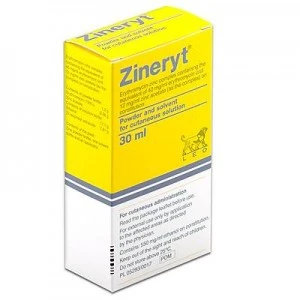
Zineryt lotion is a topical acne treatment containing the antibiotic erythromycin. The antibiotic kills the bacteria associated with acne, allowing the skin to heal itself naturally. It comes with a built-in applicator pad that makes it easy to apply evenly. The solution contains zinc acetate, which does more than simply aid absorption:

  • Enhanced delivery: Zinc forms a complex with erythromycin, improving penetration into the skin.
  • Sebum reduction: The erythromycin-zinc complex has been shown to reduce oil production.
  • Healing support: Zinc promotes faster skin healing and is used in various treatments, including wound dressings.

Zineryt is licensed for acne in children, adults, and the elderly. Our service prescribes it to adults aged 18 and over – this is a service restriction, not a clinical one. Patients under 18 should consult their GP.

Unlike most acne treatments, Zineryt doesn't come ready-made; it's supplied as a powder and solvent that must be mixed before use. Our pharmacists will pre-mix the solution before sending it to you. Once mixed, it has a shelf life of eight weeks.

How Does Zineryt Work for Acne?

Acne develops when dead skin cells block hair follicles, trapping sebum. A bacterium called Cutibacterium acnes (C. acnes) feeds on this trapped oil and releases irritants that cause redness, swelling, and spots.

Zineryt contains erythromycin and zinc. Erythromycin stops acne-causing bacteria from producing the proteins they need to grow. These bacteria thrive on sebum, which builds up in clogged skin pores. The bacteria excrete chemicals that irritate the skin, leading to inflammation.

By reducing the number of bacteria and their harmful byproducts, the skin can heal. Zinc adds to this through its sebum-reducing and anti-inflammatory properties. A University of Leeds study also demonstrated that the erythromycin-zinc complex remains effective against erythromycin-resistant strains of C. acnes – an important advantage given rising rates of resistance.

How Long Does Zineryt Take to Work?

Compared with other acne treatments, such as oxytetracycline, Zineryt starts working relatively quickly. However, you should expect to use it for 10 to 12 weeks before seeing the full benefit.

If your acne worsens or you see no improvement within 8 weeks, stop using Zineryt and speak to a doctor. This may indicate resistance, and a different approach may be needed.

If your acne returns, you may be able to restart treatment with Zineryt. Speak to a doctor about restarting treatment; don't do it without medical review.

Zineryt Results for Acne Treatment

The erythromycin-zinc combination in Zineryt has been evaluated in several clinical trials. For example, one double-blind controlled study of 149 patients found that the erythromycin-zinc formulation was significantly more effective than placebo and performed as well as oral tetracycline at reducing acne severity over 10 weeks.

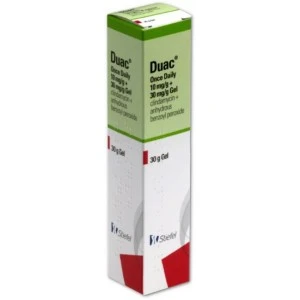
In addition, a randomised trial of 103 participants discovered that the erythromycin-zinc combination found in Zineryt outperformed topical clindamycin, with consistently lower severity grades from week 6 onwards. Meanwhile, a European trial of 148 patients conducted a head-to-head comparison between Zineryt and Duac Gel (clindamycin plus benzoyl peroxide) and found that both treatments were effective over 12 weeks, though Duac showed a faster initial response.

Finally, in a study from the University of Leeds, the erythromycin-zinc complex was shown to eradicate erythromycin-resistant bacteria in vivo. This means it can still work even when resistance to erythromycin alone is present.

Everyone responds differently. Zineryt works best as part of a broader approach, and your prescriber may recommend using it alongside benzoyl peroxide.

How to Use Zineryt Solution

Zineryt comes as a dry powder and a solvent, which must be mixed before use. Our pharmacists will mix the solution for you before sending it, so it's ready to use right away.

The bottle comes with a special applicator pad built into the cap. The applicator pad makes it easier to evenly apply the lotion to your skin. 

To apply Zinoryt lotion, follow the instructions below:

  • Wash first: Clean the area you're treating and let it dry.
  • Remove the cap: This exposes the applicator pad.
  • Tip upside down: Tip the bottle so the pad faces downwards. Let the solution flow evenly onto the pad. Do not squeeze the bottle.
  • Apply to the skin: Hold the pad against your face or skin and gently spread the solution over the affected area. Make sure you cover all the affected areas evenly. You can increase the flow by pressing the pad against your skin. Do not squeeze the bottle.
  • Replace the cap: Ensure it fits tightly to the bottle.

Apply twice daily – morning and evening – for the full prescribed course.

Avoid getting Zineryt solution in the eyes, nose and mouth. If you accidentally get Zineryt in your eyes, nose or mouth, rinse the area with cold water for a few minutes.

Let the Zineryt lotion dry before applying make-up, moisturisers or other skin care products. You must take Zineryt for as long as prescribed. Stopping your treatment too soon may cause your acne to come back.

What If I Forget to Apply Zineryt Lotion?

If you forget to apply Zineryt lotion when you should, use it as soon as you remember. Do not apply more to make up for the missed dose. Leave the medication for 3 hours before you use it again.

What If I Apply Too Much Zineryt Solution?

If you accidentally apply too much Zineryt lotion, wipe the excess away with a tissue. Make sure it doesn't get into your eyes, nose, or mouth. If it does, wash with plenty of water.

How Long Can You Use Zineryt For?

The usual course is 10 to 12 weeks. Don't continue using Zineryt beyond the prescribed course without medical review, as prolonged antibiotic use increases the risk of resistance. If your acne hasn't improved after a full course, speak to your prescriber about alternatives.

What Happens If I Stop Using Zineryt?

Complete the full course as prescribed, even if your skin improves. Stopping early can allow bacteria to recover. If your acne returns after finishing, speak to your prescriber. They can assess whether to restart or try a different treatment.

Zineryt Side Effects

All medicines carry the risk of side effects. Not everyone experiences them, but read the Patient Information Leaflet before starting treatment to have a clear understanding of what to expect.

If you experience a serious skin reaction, contact a doctor immediately for medical advice. The frequency of this side effect is unknown because it cannot be estimated from available data. Symptoms of this adverse reaction include a red, scaly rash with bumps under the skin.

Other potential Zineryt side effects include a temporary stinging sensation or slight skin redness. These symptoms may affect up to 1 in 1,000 people. If you experience a very painful rash or burning feeling after using the medication that does not go away in a few hours or worsens each time you use it, tell your doctor as soon as possible and stop using the treatment.  

Signs of an Allergic Reaction

Stop using Zineryt and seek medical help immediately if you experience:

  • Sudden swelling of the face, lips, tongue, or throat
  • Difficulty breathing or swallowing
  • Widespread rash, hives, or intense itching
  • Dizziness or feeling faint

These can be signs of a serious allergic reaction (anaphylaxis). Call 999 or go to A&E if symptoms are severe or worsening rapidly.

Zineryt Lotion Interactions and Warnings

Although Zineryt is an effective solution for acne, it is not suitable for everyone. Do not use it if you are:

Allergic to erythromycin, zinc, or any of the other ingredients

  • Allergic to macrolide antibiotics (erythromycin, azithromycin, clarithromycin)

Precautions When Using Zineryt

Talk to your prescriber before using Zineryt if you've had an allergic reaction to any macrolide antibiotic, are using other topical acne treatments, or have particularly sensitive skin.

Cross-resistance may occur with other macrolide antibiotics, as well as with lincomycin and clindamycin. Current UK guidelines recommend against using topical antibiotics alone – your prescriber may advise combining Zineryt with benzoyl peroxide to reduce the risk of resistance.

Zineryt and Other Medications

You should disclose all other medicines you are currently taking to one of our prescribers. Because Zineryt is applied topically and very little erythromycin is absorbed into the body (0–10%), significant drug interactions are unlikely. However, there are some practical considerations:

  • Other topical antibiotics (such as clindamycin): Don't use alongside Zineryt, as combining topical antibiotics increases the risk of resistance without adding meaningful benefit.
  • Topical retinoids (such as Differin or tretinoin): Can generally be used alongside Zineryt, but apply them at different times of day to reduce irritation. For example, Zineryt in the morning and the retinoid at night.
  • Benzoyl peroxide: Your prescriber may recommend using this alongside Zineryt to reduce the risk of antibiotic resistance. Apply at different times of the day.
  • Oral erythromycin or other macrolide antibiotics: Tell your prescriber if you're taking these, as using both topical and oral erythromycin simultaneously isn't usually recommended.

If you're unsure whether a product is safe to use alongside Zineryt, speak to your prescriber or pharmacist.

Pregnancy and Breastfeeding

Zineryt can be used during pregnancy. The amount of erythromycin absorbed from topical use is very small. Always inform your prescriber if you're pregnant.

You may breastfeed during treatment with Zineryt, but do not apply it to the area of your chest to avoid direct skin contact with your child.

Frequently Asked Questions About Zineryt Lotion

Can I Drive or Operate Machines When Using Zineryt Solution?

Zineryt lotion is unlikely to impact your ability to drive or operate machinery.

Will Zineryt Affect My Contraceptive Pill?

Zineryt is unlikely to interfere with hormonal contraceptives, such as the combined contraceptive pill or the mini pill. Very little erythromycin is absorbed from topical application, so systemic interactions aren't expected.

Does Zineryt Contain Benzoyl Peroxide?

No, Zineryt lotion does not contain benzoyl peroxide. The active ingredients are erythromycin (an antibiotic) and zinc acetate. People often ask because benzoyl peroxide features in many other acne treatments, such as Epiduo and Acnecide. Your prescriber may actually recommend using a benzoyl peroxide product separately alongside Zineryt – this combination helps reduce the risk of antibiotic resistance developing.

Does Zineryt Cause Purging?

Some people experience a temporary worsening of acne in the first few weeks as existing blockages come to the surface. This typically settles within two to four weeks. If it's severe or persistent, speak to your prescriber.

Does Zineryt Help Acne Scars?

Zineryt treats active breakouts, not existing scars. By clearing acne and reducing inflammation, the medication may help prevent new scarring. For existing scars, speak to your GP about referral options.

When Should I Stop Taking Zineryt?

Your doctor will determine when you should stop using Zineryt lotion. It is important to continue applying the treatment for as long as prescribed. The usual course is 10 to 12 weeks.

When Does Zineryt Expire?

Zineryt lotion expires 8 weeks after preparation. You should not use the medication after this time frame has elapsed. Discard the medicine according to your local pharmacy, even if you have medicine left.

Can Zineryt Cause Hair Loss?

Hair loss is not listed as a side effect of Zineryt. Because the treatment is applied directly to the skin, it is unlikely to cause hair loss. Instead, side effects will primarily be dermatological. If you have concerns about the side effects listed in the Patient Information Leaflet, speak to your prescriber.

Can Zineryt Cause Thrush?

Some people may experience thrush after taking antibiotics, such as erythromycin. However, it is unlikely that Zineryt lotion will cause thrush. If you develop thrush while using Zineryt, speak to your doctor or ask a pharmacist for advice.

Are There Any Zineryt Alternatives?

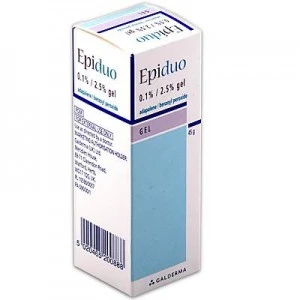
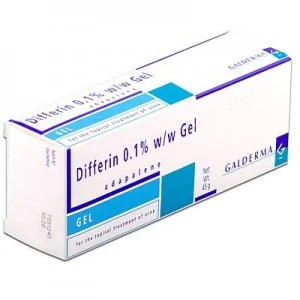
Yes. Prescription Doctor offers a range of acne treatments, including Differin (adapalene), Epiduo (adapalene with benzoyl peroxide), Dianette (for women with androgen-related acne), and oral antibiotics such as oxytetracycline and lymecycline. Your prescriber can advise which suits your situation.

Can I Get Zineryt Over the Counter?

No. Zineryt is a prescription-only medicine in the UK, so it cannot be bought over the counter. Instead, a licensed prescriber must review your information to determine whether the medication is suitable for your circumstances before you can start treatment.

Can I Buy Zineryt Online?

You can get a private prescription for Zineryt from Prescription Doctor after an online consultation. Complete our online medical form for one of our prescribers to review. If your order is approved before 3pm on a weekday, our UK-based pharmacy will dispense and dispatch your item the same day for next-day discreet delivery.

Additional Resources

BLOG

10 foods to avoid if you want clear skin

There is a lot of information and misinformation circulating on the Internet regarding the correlation between nutrition and diet and acne. While the debate rages on about specific foods that cause acne and what, precisely, the causal relationship may be, there are some foods more widely believed to affect skin health, including the formation of acne, than others. These are some of the biggest offenders.1. Milk and Dairy ProductsMilk and dairy products are often cited as public enemy number one when it comes to acne. They often contain high levels of hormones that promote oil production, which leads to blocked pores.What products are included in this list? Probably some of your favourites, including:MilkButterIce creamCheeseYoghurtCreamCurdNot only are dairy products common foods in themselves, but they are often used as ingredients in favourite meals and must be avoided on all levels. Fortunately, many non-dairy alternatives on the market allow you to experience milk products without unwanted skin consequences.2. Alcoholic BeveragesAlcohol is an inflammatory that exacerbates existing skin conditions, like acne, causing more breakouts. Combine that with the fact that many exotic alcoholic beverages and cocktails are loaded with sugary additives. Sugar is pro-inflammatory as well as alcohol, so it's a double whammy for promoting acne, according to A. Vogel. Yet another reason alcohol is bad for skin is that it causes dehydration. This, in turn, forces your body to produce more oils, which leads to breakouts.3. Refined CarbohydratesThis includes bread, sugar, white rice, white flour and similar foods. All of them, as mentioned above with sugar, promote inflammation, which can be very bad for people who already have acne-prone skin by increasing the frequency and duration of acne outbreaks.4. High-Glycemic FoodsIn addition to refined carbohydrates, some high-glycemic foods can also contribute to increased inflammation, making it more challenging to control acne. These foods include things like:PotatoesParsnipsCarrotsWatermelonMany of them even appear healthy at first glance, although they can cause significant fluctuations in blood glucose levels that increase inflammation.Instead, look for fruits and vegetables that have lower glycemic index numbers, such as:BroccoliBrussels sproutsCauliflowerArtichokesAsparagusLeafy greensBeansWatercressRadishesWater chestnutsThese foods do not cause wild fluctuations in blood glucose levels and actually help to soothe the skin.5. Fatty FoodsFried foods and those that are highly processed with trans fats often contain cytokines, which are pro-inflammatory and known for causing the skin to become red and blotchy, creating a target-rich environment for blemishes to form.6. Whey Protein PowderThis one isn't often discussed. The dietary supplement, whey protein powder, increases amino acids, such as leucine and glutamine, which grow at a faster rate, contributing to the formation of acne. Healthline reports that studies have indicated a direct link between the consumption of whey protein and acne in male athletes, as well as correlations between the severity and duration of acne outbreaks in those using whey protein supplements.7. Highly Processed Convenience FoodsThis includes a wide variety of foods filled with ingredients that promote skin inflammation, contain unhealthy fats, and have shocking amounts of refined sugars, flours, and other unhealthy ingredients. They may make meal preparation easier and are often budget-friendly, but they are not good for acne-prone skin.8. ChocolateWhile the key ingredient in chocolate is not the primary culprit, milk chocolate and lighter chocolates are significant contributors to promoting acne. WebMD recommends choosing dark chocolate, which is made with less refined sugar and milk, as a better fit for people seeking to clear their skin.9. ChickenAnother shocker on the list of foods not to eat when trying to control acne is chicken.Just like dairy, chicken often contains added hormones that can trigger inflammation, making your skin more susceptible to breakouts.10. CoffeeFor some people, it's the added sugar and dairy they introduce to the coffee that's the problem. For others, it's the "adrenaline" rush that the first cup of coffee in the morning creates that gets you going. Unfortunately, it also boosts the levels of the stress hormone cortisol, creating a ripe condition for ramping up oil production and causing acne.Making small changes to your diet may improve acne by supporting your immune system and boosting your overall health. However, there is currently no substantial evidence to prove that certain foods cause acne.Acne is no laughing matter for those who struggle with it continuously. In addition to making dietary changes that eliminate the foods listed above, consider consulting with your doctor about acne treatments that are suitable for you. 
Read more →
10 foods to avoid if you want clear skin
BLOG

How to use tea tree oil for acne

Acne is not just something that affects hormonal teenagers; adults can suffer, too. It has nothing to do with age, and there are a number of reasons for it. It can occur due to diet, hormone imbalances, skin bacteria, stress, and blocked pores. It could be a combination of these things or just one of them, but the result is the same – lots of spots that not only look unpleasant but can also be sore and itchy. Additionally, for those who suffer, it is crucial to take extra care of their skin.The truth is that tea tree oil may work – studies show that at 5% strength, it can have an effect – but it is often less effective than other medicines that are specifically designed to treat acne. However, since it is seen as a ‘natural’ product, many people still like to try it to treat their acne.It is finding the 5% concentration that often proves to be a problem. In most chemists and supermarkets, the concentration tends to be listed as around 0.5%, which is not concentrated enough to make any difference to your acne (even assuming tea tree oil makes a difference at all). You might have better luck searching in health food shops, where the concentration can be as high as 3%, but again, it might still not be enough.Be cautious when searching for higher concentrations of tea tree oil; selecting too high a concentration can irritate your skin even more, and rather than having a soothing effect, it may exacerbate the symptoms of your acne, leading to inflammation and soreness.How to use Tea Tree Oil?First, use a gentle cleaning wash to clean your face. This will leave the skin as fresh as possible, while removing any dirt and dead skin cells that would otherwise clog your pores, which can cause irritation. Exfoliation can also be beneficial, provided you don't use products that might further irritate your skin. If you suffer from recurrent acne, washing your face with a specialist formula daily is important, regardless of whether you use tea tree oil or not.Once you have washed your face, you can begin using tea tree oil. The amount and method of application will vary between brands and formulations. Some tea tree oil products may need to be diluted in water before use; others may be in gel form, which can be applied directly to the skin. Always check the label for instructions on how to use the product.A common instruction on how to use tea tree oil is to apply a few drops – diluted if necessary – of the oil onto a cotton wool pad and gently dab it onto your face. You should feel a soothing sensation when you do this. Alternatively, take some moisturiser and add a few drops of tea tree oil to it before applying it all over your face.If you notice signs of irritation or experience an allergic reaction to the oil, stop using it immediately. Wash the product off your face and consult your doctor for advice.It is also possible to buy tea tree oil that is already mixed into a facial wash. These do tend to have much lower concentrations but can be a good way to calm the skin if your acne is particularly sore and painful. Some of these products may also contain exfoliation beads, which gently scrub the skin to remove dead skin cells, which might further worsen your acne.There are many complimentary and natural "treatments" for acne, though they may not all work. Be sure to speak to your doctor or a dermatologist before using tea tree oil to treat your acne. Alternatively, your doctor may prescribe an anti-acne treatment that contains salicylic acid, which reduces oil production and skin shedding. You may find these prescription acne treatments provide more effective relief in a shorter space of time.Before using any new skin product, perform a patch test to determine if you are allergic to any of its ingredients. You should also consider consulting your doctor or a dermatologist for advice on how to reduce your acne symptoms in other ways, such as exercising, managing stress, or taking precautionary measures during certain seasons.
Read more →
How to use tea tree oil for acne
BLOG

What causes 'bacne' and how is it treated?

When you think of acne, you will probably think of spots and pustules on your face. However, this is not the only place where acne can appear; it can actually affect any area of the body that has hair follicles or oil-secreting glands. These areas include the chest, shoulders, and back.'Bacne', as back acne is colloquially known, affects as many as 60% of people, but it is not often discussed. Whereas facial acne (which affects up to 95% of people aged between 11 and 30) is obvious and cannot be hidden, back acne is easy to hide away and, therefore, can be forgotten about for the most part, or at least not dealt with. However, this ‘out of sight, out of mind’ mindset regarding back acne is not helpful; there are ways that back acne can be treated, and the sooner you start using them, the better.What Causes back acne?Just like your face, your back has many sebaceous glands. These glands secrete an oily substance called sebum, which helps to ensure the hair and skin remain properly moisturised. It is made up of free fatty acids, triglycerides, squalene, cholesterol, cholesterol esters, and wax esters. It is an invaluable part of the body.However, when sebum rises to the surface of the skin, it mixes with lipids, sweat, and various debris from the surrounding environment. When this happens, the oil starts to block the pores of the skin and the hair follicles on your body. When the hair follicles become too clogged, they form an acne lesion.Different Types of Back AcneThe term ‘back acne’ actually covers a wide range of different-looking spots and marks. Although they are all caused by blocked follicles and pores, the reasons they emerge differently are varied.WhiteheadsWhiteheads are the most common type of back acne. Rather than erupting, the blocked follicle remains closed and therefore resembles a white bump on the skin.BlackheadsConversely, when a follicle opens up, it forms a blackhead. The reason the head of the spot turns black is because the sebum is reacting with the air – it has nothing to do with dirt, and you cannot ‘scrub’ a blackhead ‘clean’.PapulesIf the acne you are experiencing is sore and appears as small, pink bumps, you have papules.PustulesAnother term for a pustule is a pimple, a term you may be familiar with. As the original name suggests, these are filled with pus, so they look white or yellow, and the base is red.CystsCysts are also pus-filled, but they are much larger than pustules and can be extremely painful. If treated improperly or if they are picked or scratched, they can leave scars.NodulesSometimes, acne lesions don’t make it to the surface of the skin, and those that form deeper down are called nodules. These feel like hard bumps, and they are rather large and painful.How To Treat Back AcneAs with most medical conditions, it is best to try to prevent back acne in the first place. Although this is not always possible, there are some measures you can take that may help.To start, check the leaflets and labels of any medications you are taking. Some drugs can list the development of acne as a side effect. If that is the case, it is best to consult a healthcare professional about alternative medications that you may be able to take. Remember, though, that although back acne can be uncomfortable, if the medication is doing you good, it might be something you choose to live with to feel better in every other aspect of your life.Oil-based skin care products can also be an issue, as adding more oil to already oily skin can cause your follicles to become blocked more easily. Search for oil-free products, including moisturisers and sun protection. Check the labels of anything you intend to use; if it claims to be non-comedogenic, it means that it won’t cause blackheads, for example.Pressure on your back from carrying a bag or sports equipment can also cause your hair follicles to become blocked. If you carry equipment or a backpack for long periods, try to reduce this.Good skin care is another way of reducing acne (and not just back acne, but wherever you happen to have it). Regularly use a gentle cleanser to wash yourself, and always take a shower after any form of exercise, particularly if you are sweaty.If you still experience back acne, there are over-the-counter treatments available that can help. These will include ingredients such as sulphur, resorcinol, salicylic acid, and benzoyl peroxide.If none of the above has helped you, you will need to seek advice from a dermatologist. They will be able to prescribe medication to reduce and even remove any signs of back acne.
Read more →
What causes 'bacne' and how is it treated?
PAGE

Natural ways to control your acne

Acne can be frustrating when you're a teenager in high school. However, as an adult, it just seems too cruel to be true. When you are a teenager, most people understand that hormones are responsible for the many changes going on, including the acne you may be experiencing.  However, in many cases, once your hormones stabilise, you will no longer experience as many problems with acne.It is more common than people realise, but adults do suffer from acne, too.  In many of these cases, hormones are still to blame.However, it is possible to improve adult acne.  It is important to look at what you are eating, and then the goal is to stabilise your hormones.Here are some ways to do this:Consume less meatSome meat is full of hormones that do not belong to you but instead come from the animal source.  Cut back on meat, and you will reduce the level of foreign hormones in your system.Consume less dairyDairy, like meat, is full of hormones that do not belong to you.  Avoid excess consumption of dairy products.  Nowadays, you can find dairy substitutions for most regular dairy products.Lessen your stress levelsReducing stress levels in your body can help regulate your hormones.  Exercise is a great stress reliever.  Meditation, prayer, or simply having quiet time to unwind can all improve stress levels in the body.Consume less sugarSugar can cause insulin spikes in the body.  This excess insulin can lead to numerous damaging conditions that are harmful to the body.  Avoid sugar and opt for natural sweeteners instead.  Agave nectar and stevia are good alternatives.  The less sugar you eat, the less you will need as your body adjusts to the changes.  Consume fresh whole foodsThe more natural your diet, the healthier you and your hormonal system will be.  Opt for whole grains such as brown rice, and eat plenty of beans and green vegetables. Opt for natural foods, such as vegetables, and avoid processed foods. Consume less saltToo much salt can be damaging to the body and, in turn, to your hormones.  Yes, you do need salt, but not in the quantities that us Brits are accustomed to in our diets. Excess salt can increase the risk of other health conditions, such as high blood pressure.  Gradually adjust your palate to eating less salt.  Like sugar, the less you eat, the less you’ll crave it.Improving adult acne is possible.  The key is to get your hormones under control, and the best way to do this is by eating less meat and dairy, reducing stress through several methods, and eating whole, unrefined foods.  If, for any reason, you continue to have problems with acne, then you should seek the help of a natural health practitioner or medical doctor.
Read more →
Natural ways to control your acne
PAGE

Control your hormones; control your acne

There is no doubt that out-of-control hormones can lead to acne. Hence, if you can control the hormones, it may also help control the acne.But just how do you balance the hormones in the body? Here are two big ways:1. DietMany of us have an excess of unhealthy hormones in our bodies.  Many of these hormones do not even belong to us!  Instead, we ingest them through our consumption of meat and dairy products.If you're serious about controlling your hormones, the first place to start is with your diet. By reducing the amount of meat and dairy that you consume, you can reduce the level of excess hormones.Instead of regular milk, opt for soy or rice milk, and include several vegetarian meals in your weekly diet.  Avoid using cheese, other dairy products, and meat on a regular basis. Instead, use meat and dairy in moderation.Additionally, be mindful of the foods you eat. Additives, chemicals, and preservatives can all be very damaging to your hormonal system.  Instead of eating junk food or pre-packaged foods, choose fresh, natural, whole foods. These foods will help keep your body functioning at its best and regulate your hormones.Reducing sugar is also necessary to help control the hormones. Excess use of sugar can cause severe insulin spikes in the body. This will lead to an overproduction of certain hormones, which have been shown to damage both the body and skin.2. Reduce stress in your bodyAnother way to regulate hormone levels in your body is through exercise. Many suffer from pent-up stress, and this stress can wreak havoc on the body's hormonal systems. Regular, vigorous exercise helps reduce stress and, in turn, controls the hormones in the body.Meditation has also been proven to reduce stress levels in the body. Start slowly and simply sit in a quiet space for a few minutes. Concentrate on your breathing, and imagine yourself relaxing into your body.  The idea is simply to let your body and mind rest for a few minutes each day.Prayer has also been shown to improve overall health. Like meditation, it allows you quiet time. By allowing a higher power into your life, you can let go of the things you cannot control.To conclude, getting your hormones under control means you can also manage your acne effectively. The above tips will help you get started.
Read more →
Control your hormones; control your acne

Treatment information

Product Name: Zineryt
Active Ingredient(s): Erythromycin (40 mg/ml) and zinc acetate (12 mg/ml)
Manufacturer: Neon Healthcare Ltd
Administration: Apply to the affected area
Presentation: Solution Bottle
Available Strength: 30ML and 90ML erythromycin (40 mg/ml) and zinc acetate (12 mg/ml)
Exemption: Prescription-only medication
Application: Men and women over 18 with acne
Dosage: Twice daily to the acne-affected area
Description: Zineryt solution is a topical acne treatment containing the antibiotic erythromycin and zinc acetate.
Drug Class: Topical macrolide antibiotic.
Alcohol Consumption: No influence
When Pregnant: Can be used. Speak to your prescriber. 
When Breastfeeding: Do not apply to the chest area. Speak to your prescriber.
Price: 17.99 GBP

Click here to view the Zineryt - Patient Information Leaflet

Authored By

Sam

Sam Jeans

Medical Content Writer
Sam has been a freelance writer since 2015, with extensive experience in the medical, scientific, and technology fields. He holds an MSc in International Development and Social Anthropology, bringing

Published on: 11/09/2018 Re-Published on: 03/07/2026

Reviewed By

Mohamed Imran Lakhi

Mohamed Imran Lakhi

MPharm - Lead Pharmacist
Imran Lakhi is the superintendent pharmacist and founder at Prescription Doctor. He has been at the core of our team.

Reviewed on: 03/07/2026

Acne Alternatives

Epiduo

Epiduo

  • No Prescription Required
  • Registered prescribers are on hand
View Treatment
Differin (Adapalene)

Differin (Adapalene)

  • No Prescription Required
  • Registered prescribers are on hand
View Treatment
Duac Once Daily Gel

Duac Once Daily Gel

  • No Prescription Required
  • Registered prescribers are on hand
View Treatment
Customer Service