Allevia

In Stock
Dosage
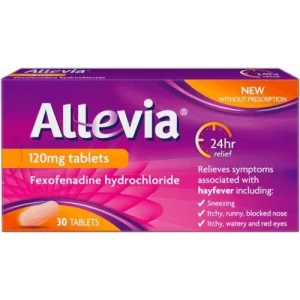
120mg
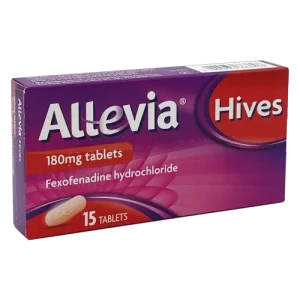
180mg Hives
+
Package Type
30 tablets
£9.99
15 tablets
£9.99
+
Get Started
Order now to receive your order Tuesday, September 29
All inclusive service
No hidden fees

Next day delivery
Discreetly packaged
Discreet delivery
Prescriber available
Prescriber assess you online
How to order
  1. Click on the green "Get Started" button, then click "Start Consultation" button on the next page.
  2. Fill in our short consultation form.
  3. Choose delivery method and mode of payment.
  4. Our team of expert prescribers will assess whether medication is suitable.
  5. If you get the green light and it is deemed suitable, your order will be processed quickly and efficiently.
Confidential Service

Your privacy is important, Prescription Doctor are committed to keeping your details completely confidential.

This is why we also take steps to conceal your prescription products under two layers of packaging.

Delivery and Packing
Discreet Delivery?

We have a commitment to delivering a discreet service and understand your need for privacy. We ship all orders via a trackable courier using discreet, plain packaging.

Do I Need to Wait in All Day for Delivery?

Once your order is dispatched you will receive a tracking number via sms and email.

Do You Deliver on Weekends?

We deliver medications between Monday and Saturday. You can upgrade to Saturday delivery on Friday.

My Order Hasn’t Arrived What Should I Do?

You should receive a tracking number with your order which you can use this number to track your parcel online. This should give you a clear indication of where your parcel is. If you haven’t received your parcel in the time frame given by our couriers, contact your local depot to find out where it is. You can also contact our support team who will do this for you.

Can I Be Notified by Text?

On checkout you will be asked to leave your mobile number so our courier can text you about the delivery. This is also useful if the courier has problems finding your address. We will not use your mobile number for anything else.

Payment Methods
How Can I Pay for My Order?

You can pay for your order using credit, debit card or via bank transfer.

I Don’t Have a Credit Card, How Can I Pay?

If you don’t have a credit or debit card you can pay via bank transfer. We will give you a unique reference number at checkout along with details of how to make the transfer. Once the money has cleared in our account, we will process your order.

How Do You Keep My Details Safe?

We are a completely secure site and take many measures to ensure your details are kept safe. We understand that you have a right to extreme privacy when purchasing sensitive health medications. All information that you provide to us is stored on our secure servers. Any payment transactions will be encrypted using SSL technology.

Payment and refunds?

You can pay for your order using credit, debit card and bank transfer.

Card Payment: Please notify us that you wish to cancel your order. Your refund will show available In 1 - 3 days.

Bank Transfer: A member of our team will contact you requesting for your bank details. These details are only used to transfer the funds back into your account.

Treatment Information

Table of contents:

What is Allevia?

Allevia is a non-sedating antihistamine for adults and children aged 12 and over. It comes in two strengths; each is taken to treat a different condition:

  • Allevia 120mg: for the relief of symptoms associated with allergic rhinitis (hay fever), such as sneezing, a runny or blocked nose, and itchy or watery eyes
  • Allevia Hives 180mg: for the relief of symptoms associated with chronic idiopathic urticaria (long-term hives of no known cause), such as itching and skin welts

Both tablets contain the same active ingredient, fexofenadine hydrochloride, but at different doses depending on the condition they treat. Because Allevia works on the histamine responsible for these symptoms, it's unlikely to make you drowsy, so it can usually be taken during the day without affecting your ability to drive or work.

How Does Allevia Work?

Allevia contains fexofenadine hydrochloride, an antihistamine that blocks H1 histamine receptors throughout the body. Histamine is the chemical your immune system releases when it reacts to something like pollen or an allergen, and it causes symptoms such as sneezing, itching, and swelling.

By blocking these receptors, Allevia stops histamine from triggering that reaction in the first place, whether the trigger is airborne (as in hay fever) or linked to chronic idiopathic urticaria (hives). Unlike some older antihistamines, fexofenadine doesn't cross into the brain in significant amounts, which is why it's classed as non-drowsy and won't typically leave you feeling sedated.

How Long Does Allevia Take to Work?

Allevia is fast-acting and starts working within 1 hour of administration. The effects last 24 hours, providing round-the-clock coverage if taken at the same time each day.

How Effective Are Allevia Antihistamines?

Clinical trials show Allevia works well for both hay fever and hives.

If you're taking Allevia 120 mg for hay fever, studies involving thousands of people found it eases the classic symptoms like sneezing, an itchy or runny nose, and congestion. They also showed that it keeps working for the full 24 hours after your dose. It's also been shown to work as well as cetirizine, and better than loratadine at calming itchy, watery, red eyes.

For chronic hives, the 180mg dose was shown to reduce symptoms over 6 weeks of regular use, with better results at the higher dose. The evidence for hives is more limited than for hay fever, though it still points to a clear benefit over placebo.

Everyone responds to medication a little differently. If you find your symptoms aren't improving within a few days of regular use, speak to your prescriber about whether Allevia is the right fit for you.

How to Take Allevia Tablets

Take Allevia tablets with water before a meal. They don't require any special conditions, so you can easily fit them into your schedule. The recommended dose is one tablet (120mg or 180mg) daily.

If You Forget to Take Allevia

Forgetting a day's dose of Allevia is not the end of the world; you may just suffer more from allergies that day. Simply skip that day's medication and resume your usual schedule the following day. Never take two doses to make up for a missed one.

If You Take Too Many Allevia Allergy Tablets

If you exceed the allocated dose of Allevia tablets, contact a doctor or your nearest hospital straight away. Taking too many tablets can lead to severe side effects, such as dizziness, drowsiness, fatigue and dry mouth.

Allevia Side Effects and Cautions

As with any medication, Allevia can cause unwanted side effects. The table below illustrates what could come up during the treatment, and the likelihood of each effect, as tested through clinical trials and post-market research. It is important to know what to expect before committing to any treatment.


Common

(may affect up to 1 in 10 people)

Uncommon

(may affect up to 1 in 100 people)

Frequency Unknown

  • Headache
  • Drowsiness
  • Nausea
  • Dizziness
  • Insomnia
  • Tiredness
  • Insomnia
  • Sleeping disorders
  • Bad dreams
  • Nervousness
  • Fast or irregular heartbeat
  • Palpitations
  • Blurred vision
  • Diarrhoea
  • Skin rash/itching
  • Hives
  • Serious allergic reaction


More information regarding the potential side effects of Allevia can be found within the Patient Information Leaflets for Allevia 120 mg tablets and Allevia Hives 180 mg tablets.

Serious Side Effects of Allevia Tablets

You may have a serious allergic reaction when taking Allevia. This can include swelling of the face, lip, tongue, or throat; flushing; a tight chest; or difficulty breathing. If you encounter any of these after taking a tablet, stop taking the medication and contact a doctor immediately in case of an allergic reaction.

Allevia Warnings and Interactions

While effective, Allevia tablets will not be suitable for everyone. The medication contained within the tablets can interact with the body or other medications in unwanted ways, leading to severe or dangerous side effects. You should be fully aware of who can and who cannot use Allevia before starting the treatment. For example, you should not take the medication if you are allergic to fexofenadine or any of the other listed ingredients.

Precautions Before Taking Allevia

You should speak to your clinician before starting the treatment if you have any kind of liver or kidney problems, have ever had heart disease, or if you are elderly. If you are unsure about any of these, your clinician can help to advise you further.

Allevia Tablets and Other Medicines

Allevia can interact with other medications in unwanted ways. Tell your clinician about any medications you are on, have been on recently, or may be on in the future. They can advise you further.

Medications to be aware of on either kind of Allevia tablets are:

  • Apalutamide: May decrease the effectiveness of Allevia
  • Indigestion remedies containing aluminium and magnesium: May affect the amount of Allevia your body can absorb, so two hours between administration is advised

There are further medications to be wary of that are specific to the 180mg tablets. These are:

  • Erythromycin: An antibiotic
  • Ketoconazole: A fungus treatment

Pregnancy and Breastfeeding

If you are pregnant or breastfeeding, or think you may be pregnant, or if you are planning to be pregnant, you should ask your clinician for advice before starting this treatment. Do not take Allevia during pregnancy or while breastfeeding unless approved by a clinician.

Frequently Asked Questions About Allevia Antihistamines

Does Allevia Hives Work for Hay Fever?

Both tablets work the same way, by blocking the histamine that causes your symptoms, so in theory the higher dose would ease hay fever symptoms too. But 180mg is more fexofenadine than you need for hay fever, and taking a higher dose than necessary does not provide an added benefit. Allevia 120mg is the version dosed and licensed for hay fever, so that's the one to use.

Does Allevia Work for Insect Bites?

Fexofenadine isn't specifically licensed for insect bites, but NHS guidance lists antihistamines generally as a way to ease itching from bites and stings. As an antihistamine, Allevia may help with itching in a similar way, though it isn't officially indicated for this use. If you're unsure, a prescriber can advise you on the best option.

Can I Take 2 Allevia Tablets in a Day?

No. Both Allevia 120mg and Allevia Hives 180mg are licensed for one tablet daily, and taking two goes beyond the recommended dose. This can increase your risk of side effects such as dizziness, drowsiness and a dry mouth. If you miss a dose, don't double up; just take your next tablet as normal the following day.

Does Allevia Make You Drowsy?

Allevia is classed as a non-drowsy antihistamine, but drowsiness is still listed as a common side effect in trials, so some people do feel sleepy. The leaflet advises checking how it affects you before driving or using machinery, especially with your first dose.

Is Allevia Good for Itchy Skin?

It depends on which product. Allevia Hives 180mg is licensed for itching linked to chronic idiopathic urticaria (hives), described in the leaflet as red, raised, itchy skin. Allevia 120mg treats an itchy nose and eyes from hay fever, not general itchy skin. For itching unrelated to either condition, check with a pharmacist first.

Is There an Interaction Between Allevia and Alcohol?

There's no formal interaction listed in the product literature, but NHS guidance advises against drinking alcohol while taking fexofenadine, as it can add to feelings of sleepiness. It's worth seeing how the tablets affect you first, and skipping alcohol if you notice any drowsiness.

Can You Buy Allevia Allergy Tablets Over the Counter?

Yes, both Allevia 120mg tablets and Allevia 180mg tablets are available over the counter and do not require a prescription. You can pick them up anytime at your local pharmacy.

Can You Buy Allevia Online?

Yes, you can purchase Allevia from reputable online sources, like Prescription Doctor. We will deliver it to your door and offer next-day delivery if your order is approved before 3pm on a weekday. Only purchase from trusted online pharmacies.

How Do You Store Allevia Tablets?

Allevia tablets do not require specific storage conditions, as long as they are kept out of sight and out of reach of children. You should not use this medicine after the printed expiry date, which refers to the last day of the mentioned month. Do not discard this medication via household waste or wastewater. Ask your clinician how best to dispose of unneeded medicines.

Additional Resources

BLOG

What’s the difference between hay fever and a cold?

It is quite easy to confuse the symptoms of hay fever with those of the common cold, as they do share some similarities. Most people may not be able to tell the difference, especially during the yearly season changeover from winter to spring, when the weather favours both catching a cold and hay fever allergy. The good news here is that there are still ways to determine if you have hay fever or a cold. Let’s take a look at the differences between these two common ailments and how you should treat them.How it beginsThe common cold is a mild viral infection. The most common one is the rhinovirus, but any of over 200 different viruses can be the culprit. The reason you experience symptoms like a runny nose and coughing is because your body is designed to attack foreign objects it perceives to be a threat, like viruses. Your body sends special cells to attack and destroy the viruses, but this also leads to irritation in the areas affected, such as your nose, mouth, and throat, hence the symptoms of a cold.Hay fever is an allergy that affects 13 million Britons. As with other allergies, your body is reacting to specific materials you breathe in that it believes to be dangerous, even though they are not. Hay fever is specific for pollen, which can be from weeds, trees or flowers.If you are allergic and you breathe in pollen, your body reacts by sending special cells to attack the pollen and also releases other chemicals called histamines to stop its spread in your body. These chemicals cause other symptoms not associated with the common cold, like itching and watery eyes. Seasonal differenceSince hay fever is caused by your body’s allergic reaction to pollen, you will most likely experience hay fever at the start of spring in March, when tree pollen counts are high in the air. Grass and weed pollen counts are higher in the summer months. Windy and humid days also increase the amount of pollen in the air, so it's a good idea to prepare for such days. Although it is still unclear why, the common cold tends to be more frequent during the winter months; however, you can contract a cold at any time of the year. The length of time it lastsHay fever can last for a few weeks to months, depending on how long you have been exposed to the pollen irritant causing the allergic reactions. The common cold is a viral infection, so your symptoms should start improving after about 5 days or at most a few weeks.Specific symptomsThe symptoms you can expect with hay fever are:CoughingSneezing oftenBlocked or runny noseItchy eyes, nose, mouth and earsHeadachesPain around your faceItchy, watery and red eyesFatigue and tirednessThe common cold usually has the following symptoms:Sore throatFeeling unwellRunny or blocked noseA deep or hoarse-sounding voiceSneezing and coughingHeadachesMuscle painFeverIf you've experienced symptoms such as coughing and a blocked or runny nose, along with a sore throat, you likely have a cold. If you experience itching, watery eyes, coughing, and a blocked or runny nose, you may have hay fever, especially during the spring season when the pollen count is high. If the discharge from a runny or blocked nose is yellow or green, you probably have a cold; however, with hay fever, the discharge is usually clear.The type of cough you have can also be used to tell the difference between hay fever and a cold. The cough with hay fever feels like a dry cough, but with a cold, it usually feels like a chesty cough. You should remember that the symptoms of the common cold usually improve within a few days. However, if you notice your symptoms persist for weeks and worsen when you go outside, then you are likely experiencing hay fever. Treatment and preventionThe common cold virus spreads easily through fluid droplets from the coughing and sneezing of an infected person. You can reduce the spread of the common cold virus by washing your hands regularly, keeping your surroundings clean and germ-free, and using a tissue when you sneeze or cough. There is currently no cure for a cold. Still, you can manage your symptoms at home until they improve by drinking plenty of fluids, eating a healthy diet, resting, and using over-the-counter painkillers and nasal decongestants to relieve a blocked nose.You can’t catch hay fever like a cold, so you can only get it if you’re allergic to pollen. Unlike the common cold, you can treat hay fever with over-the-counter antihistamines, which stop the chemical histamine from producing an allergic reaction in your body, and therefore reduce the symptoms of hay fever. You can also use nasal decongestants to help with a blocked nose.In addition to taking antihistamines, there are a number of ways you can prepare yourself for the hay fever season. Check out our 5 tips to beating hay fever for practical information on preventing the spread of pollen and relieving your symptoms.The NHS provides more information about the treatment and prevention of hay fever symptoms, as well as the common cold.  
Read more →
What’s the difference between hay fever and a cold?
BLOG

How to get rid of hay fever

Many of you who have been lifelong sufferers of hay fever won't need reminding of its detrimental effects on your body. Still, for those who are unfamiliar, hay fever is a form of allergic rhinitis that causes cold-like symptoms. Still, unlike a cold, hay fever isn't caused by contracting a virus; it is a seasonal condition that is usually more common between late March and September.What are the symptoms of hay fever?Symptoms can include:Persistent sneezing or coughingA runny or blocked, stuffy noseA sore, irritated throat, mouth, nose or earsSore, itchy, red and watery eyesA decrease in your sense of smellEaracheHeadacheFeeling tiredThose who suffer from asthma may also experience:A tight feeling in your chestShortness of breathWheezing and coughing"Hay fever will last for weeks or months, unlike a cold, which usually goes away after 1 to 2 weeks." ~ NHS UKSo now we know what causes hay fever and its symptoms, how can you get rid of it?Well, here’s the bad news: you can’t completely rid yourself of hay fever once you have started to develop its symptoms. All you can do is try to ease and manage the condition and be aware of when the pollen count is high, so that you can be prepared to treat it.Antihistamines are usually a hay fever sufferer's best friend when symptoms strike. Although they’re not a complete cure, they do provide significant relief. Also, nasal sprays, such as Dymista, and eye drops are usually a good complement to regular antihistamine use.In severe cases (such as those of you who suffer from asthma), steroid tablets or injections can be used, but only for a short time.What else can you do to ease your symptoms?As well as medication, you can also take the following preventative measures to ease your symptoms, especially when the pollen count is particularly high.Put a small amount of Vaseline into your nostrils to trap pollenShower and change your clothes regularly (especially when you have been outside) to wash pollen offStay indoors as often as you canVacuum and dust your home environment on a regular basisKeep your windows and doors shut as much as possibleBuy a pollen filter for the air vent of your carGet a HEPA Filter for your vacuum cleanerAre there any hay fever myths that you should know about?Well, you may be surprised to know that there are several hay fever myths circulating, which may be exacerbating your symptoms rather than alleviating them.Always remember that if you plan to try something new to alleviate your symptoms, you should first conduct thorough research or, more importantly, consult your general practitioner.Here are three of the most common hay fever myths around:Honey can get rid of your hay fever:Although honey may be a great way to soothe your itchy throat caused by hay fever, there has been very little evidence to prove that it helps reduce symptoms in any significant way."A small study conducted in Finland found that regular honey made only a marginal difference, but that honey with added birch pollen did seem to help. The authors caution, however, that this was only a pilot study and shouldn't be taken as a recommendation." ~ BBC FutureIt’s only flowers that will cause your allergies:I’m sure a lot of you who suffer from hay fever will naturally associate your allergies with summertime’s colourful blooms, but this is wrongly assumed. The pollen that causes your symptoms is mostly an airborne type that emanates mainly from grass, trees (such as birch and oak), and weeds."Showy flowers usually have insect dispersed pollen, which is sticky and heavy and is carried between the flowers by insects, so it does not get carried in the air." ~ Dr EmbelinWith prolonged use, you will become immune to Antihistamines:As we've already established, antihistamines are one of the most popular and effective ways for most Hay fever sufferers to combat symptoms. However, because your symptoms can vary in intensity, this may lead you to believe that your antihistamines have stopped working for you, but this isn't true! You can use antihistamines for an extended period without their effectiveness decreasing. However, if antihistamines have never been particularly effective for you, then it may be time to consult your GP to discuss an alternative treatment.For itching and watery eyes caused by pollen, you can reach for hay fever eye drops.So in conclusion, you have seen that hay fever can cause you some quite significant and unpleasant symptoms, but although there is no complete cure (and there may be some false information hanging around about what helps you and what doesn't), there are in fact many various, preventative measures that you can take to improve your comfort and health when the pollen strikes! With a little help and forward-thinking action, it is possible to have a safe and happy summer!
Read more →
How to get rid of hay fever
BLOG

How to cure hay fever permanently

The sun is out, the flowers are blooming, the bees are buzzing, and that can mean only one thing – your hay fever is back!Hay fever, also known as allergic rhinitis, affects between 10% and 30% of adults and 40% of children. An article published on the BBC states that half of hay fever sufferers do find that their symptoms start to ease with age, and for 20% of sufferers, they disappear completely.Detailing the connection to pollen and hay fever symptoms, the article states: “Today we know that when some individuals encounter pollen of certain kinds, their immune system overreacts, treating the pollen as if it were a virus. This then triggers the body to respond with all the familiar hay fever symptoms.”Currently, there is no cure for hay fever; however, several treatments are available to help manage your symptoms. Read on to find out how you can beat hay fever and finally enjoy summer minus the itchy eyes, runny nose and constant sneezing.What is Hay Fever?Hay fever is caused by an allergic response to allergens in the air, such as pollen, dust mites or moulds. It typically occurs during the early spring and summer months, affecting both adults and children. According to the NHS, hay fever is especially worse when it is warm, humid and windy, as this is when the pollen count is at its highest.What Causes Hay Fever?There are around 30 different types of pollen that can cause hay fever. Depending on the time of year, the type of pollen in the air will differ, and it is possible to be allergic to more than one type.Pollen season is split into the following three different sections.Tree pollen - late March to mid-May.Grass pollen - mid-May to July.Weed pollen - end of June to September.Hay fever is an allergic reaction that occurs when small particles of pollen come into contact with your eyes, nose, mouth, and throat, triggering your immune system. This leads your body to overreact to a substance it believes is a threat, causing your system to release chemicals designed to fight an infection. This subsequently inflames the lining of your nasal passages, sinuses, and eyelids, leading to symptoms such as itchy, watery eyes and throat, and a runny or stuffy nose.What Are The Symptoms of Hay Fever?The signs and symptoms of hay fever include but aren't limited to:Runny nose and nasal congestionSneezingWatery, itchy, red eyesItchy nose, roof of mouth, throat and earsEaracheLoss of smellPain around your temples and foreheadFeeling tired/fatigueIs There a Cure for Hay Fever?There is no cure for hay fever; however, you can manage your symptoms effectively by taking some basic precautions, such as:When pollen forecasts are high, try to avoid going outdoors for prolonged periods.Whenever you do go outdoors, always shower, wash your hair and change into fresh clothes once you are home to reduce the amount of pollen brought indoors.Shut pollen out of your home by closing your windows, especially in your bedroom.Keep your car windows closed when driving and consider having a pollen filter fitted. The filter will collect pollen, dust, particles and debris, which can cause irritationOpt to dry your washing inside rather than on an outside washing line, especially when pollen counts are high.Apply an allergen barrier balm around your nostrils to trap and block pollens; this will help prevent a reaction and ease any itchiness in your nose.If you wear contact lenses, it can cause some discomfort if your eyes become itchy and watery. Your vision through the contact lenses may become blurry and less sharp; therefore, switch to wearing glasses instead.Use hay fever eye drops to relieve itching and redness.Vacuum your home regularly and clean surfaces with a damp cloth to help clear allergens such as pollen, pet dander and dust mites.In addition to embracing these precautions, it is also worthwhile to start taking hay fever medication several weeks before the start of the pollen season. Your GP can prescribe the most appropriate treatment, which typically includes antihistamine tablets, eye drops, nasal sprays, and other alternative therapies such as light therapy devices, which help reduce the reaction in the nose, as well as a range of herbal remedies.A pharmacist will also be able to recommend a wide variety of treatments and medications available to treat specific hay fever symptoms, such as antihistamine tablets, nasal sprays, and eye drops. These over-the-counter treatments should help ease your hay fever symptoms; however, if you are experiencing more severe symptoms, you should consult your GP.You may need to try a few different hay fever treatments before you find one that suits you best and relieves your symptoms. To cure hay fever permanently, you must manage your symptoms on a daily basis and take your GP’s advice.
Read more →
How to cure hay fever permanently
PAGE

How long does hay fever last?

Considered one of the most common allergies in the UK, hay fever, also known as allergic rhinitis, affects approximately 13 million people in the UK alone. Although relatively low-risk, hay fever can be considerably debilitating for sufferers and can significantly impact their quality of life, but how long does hay fever actually last?If you’re in the dark about the longevity of this common allergy, then today you should find everything you need to know about what to expect, how to tackle your symptoms and be prepared for summer.What is hay fever?Most of us will have heard of hay fever, but you may not know what it means or how it affects the body. In short, hay fever is an allergic reaction to pollen or dust. When inhaled, they irritate the mucus membranes found in the eyes and nose, causing inflammation and leading to a range of symptoms.Typically, hay fever is at its worst between the months of May and September, as these tend to be the hottest months when the pollen count is at its highest.What are the symptoms of hay fever?The severity of your allergies will determine how much you suffer; however, the following are the most common signs of hay fever are:CongestionCoughingFatigueItchy and watery eyesRunny noseSinus pressureSore and swollen under-eyesCan hay fever be serious?Hay fever is not considered a serious allergy; however, in the most severe cases, it can lead to other health complications that may require further treatment. Some of these include:Worsening asthmaLack of sleep or insomniaSinusitisEar infectionsReduced quality of lifeWho can hay fever affect?Unfortunately, hay fever can affect anyone, regardless of age, gender, or health status.When does hay fever kick in?Although it is possible to suffer the signs and symptoms of hay fever all year-round, the chances are that you will find your allergies flare up most during the spring and summer months. This is because tree pollen, grass pollen, dust mites and pet dander are often at their highest during this time.How long does hay fever last?Unfortunately, there is no guaranteed timeframe for hay fever symptoms. How long your hay fever lasts really depends on a variety of factors, including your level of exposure to allergens, the type of weather at the time, whether you are actively treating your symptoms and the type of pollen you are allergic to.As a general guide, tree pollen lasts the longest. Tree pollen allergies can begin as early as February and last until June.Grass and weed pollen typically last for a shorter period and peak during the summer. Allergies to grass pollen start from May and last until June, while symptoms caused by weed pollen can occur from June to September.Typically, the severity of symptoms fluctuates from week to week or month to month, depending on pollen levels; however, in general, hay fever can last anywhere from a few weeks to a few months.It is also important to note that everyone is different. While some may suffer mild irritation, others can find hay fever to be incredibly debilitating and may find little relief from medications. In general, however, most people find that their hay fever symptoms ease up as they get older, with around 10-20% of sufferers reporting their symptoms completely disappear after several years.How can you reduce your hay fever symptoms?While there is no cure for hay fever, there are some things you can do to reduce the severity of your symptoms:Seek advice from your pharmacy or doctor. There is a range of over-the-counter antihistamines which can help, or your GP may prescribe medication in more severe cases or when other treatments haven't worked.Keep a close eye on the pollen count.Refrain from going outdoors during a high pollen count.Have a shower and change your clothes after being outdoors to remove any pollen that has attached to you.Wearing wraparound sunglasses when outdoors protects your eyes from exposure to pollen.Applying Vaseline (petroleum jelly) around the nasal passages can help trap pollen and prevent an excessively runny nose.Things to avoid during high pollen season:Cutting the grassWalks through fieldsFresh flowers indoorsDrying clothes outsideHaving a lot of contact with pets (typically, cats and dogs carry a lot of pollen in their fur when they have been outside)The bottom line on hay feverWhile incredibly irritating and inconvenient, hay fever usually won’t pose any major threat to your general health, but we understand it can certainly make life difficult during peak seasons.To help combat the unwelcome signs of hay fever, it is helpful to come prepared with an effective and fast-acting treatment, such as the Nasonex intranasal treatment spray or Neoclarityn tablets. These types of medicines can offer relief when you need it most and help clear the airways during those more challenging days.For itching and watery eyes (allergic conjunctivitis) caused by hay fever, eye drops are available from pharmacies, such as Murine Hayfever Relief and Optrex Hayfever Relief. These eye drops can help reduce irritation, redness, and tearing, which are commonly associated with hay fever.
Read more →
How long does hay fever last?
PAGE

5 tips to beat hay fever

Hay fever, medically known as allergic rhinitis, is an allergy to pollen which usually occurs between Spring and Autumn (seasonal allergic rhinitis). However, it can also occur year-round (perennial allergic rhinitis). Approximately 95% of hay fever sufferers are allergic to grass pollen, but some people are also allergic to pollen from trees or weeds. It's a common misconception that hay fever is caused by pollen from flowers, which is denser and not carried by the wind.Hay fever occurs because the body's immune system sees particles of pollen as a harmful infection. In response, the body launches a chemical called histamine to fight the foreign body. This chemical is the agent which causes the common symptoms of hay fever, including:itchy eyes, nose, throat or skinrunny nosesneezingwatery eyesimpaired sense of smellAfter initial exposure, symptoms may progress to include:Stuffy noseSore throatCoughClogged earsFatigueHeadacheSinus problemsIndividuals with asthma may be more susceptible to the effects of hay fever and may need to increase their use of inhalers. This is because histamine can cause the smooth muscle surrounding the airways to constrict and tighten, thereby restricting a person's ability to breathe.Hay fever symptoms typically occur from early Spring through early Autumn. Different trees, weeds and grasses release pollen at slightly different times every year. The pollen count is usually the highest on warmer, drier days.While there is currently no cure for hay fever, several treatments are available to alleviate or prevent symptoms. Such treatments include nasal sprays, antihistamine tablets and, in more serious cases, immunotherapy, which involves regular injections administered by a healthcare professional. However, there are a number of simple things you can do to minimise your pollen exposure and prevent your symptoms from occurring.1. Stay indoors when the pollen count is highPollen count is an index which determines the amount of pollen in the air. The pollen count is usually included as part of your local weather forecast, though the national pollen levels can also be found online or through weather forecast apps for your smartphone.While the pollen count is high, keep your home and car doors and windows closed to keep out pollen. You may also adjust your air conditioner setting to recirculate air, rather than draw in pollen-filled outside air.Pollen counts are highest between 5 am and 10 am. As pollen is carried on the wind, it is most likely to be found in the highest concentrations on warm, dry, and windy days. Stay indoors or limit outdoor time during those times, if possible. The pollen count drops after rainy spells, as the water washes pollen particles out of the air.During the night, when the pollen count is lower, you can open your bedroom window to allow cool air to circulate. Not only can this prevent symptoms from exacerbating during the night, but it also provides an optimal sleeping environment.2. Wash your hair and clothes oftenLingering pollen particles can stick to the fibres of your hair and clothing, causing you to inadvertently spread pollen into your home. Wash your clothes as often as possible, especially after being exposed to high pollen counts. Don't hang dry your clothes outside, or they'll be covered in pollen.3. Wear wraparound sunglassesWearing wraparound sunglasses when outdoors can help keep pollen out of your eyes. Pollen in your eyes can cause them to itch and water. Some wraparound sunglasses have removable gaskets which trap pollen and block wind to keep eyes moisturised. Wearing a sun hat or baseball cap can also prevent pollen from getting into your eyes.4. Rub Vaseline under and around your nostrilsVaseline, also known as petroleum jelly, can be used to trap pollen before it enters your nostrils, preventing symptoms from developing. Rub a small amount of Vaseline above your lip and around the opening of your nostrils for the best effect.There are also nasal allergy balms, such as Vicks Inhaler Stick, that are available from your pharmacist, which work similarly.5. Speak to a pharmacistMost pharmacies have antihistamines and special nasal sprays, such as Beconase, to treat or prevent hay fever.Antihistamines block the body's ability to launch a defensive response to pollen particles, while nasal sprays can prevent nasal passages from becoming inflamed due to pollen exposure. With regular use, these medicines can reduce the development and duration of your symptoms.For relief from itching and watery eyes (allergic conjunctivitis), a variety of eye drops are available at pharmacies. These help reduce and prevent inflammation in the eyes caused by hay fever. Prescription Doctor offers Murine Hayfever Relief and Optrex Hayfever Relief eye drops. These can be used in conjunction with other hay fever treatments, such as antihistamine tablets and nasal sprays.If you still suffer from symptoms while using over-the-counter hay fever medicines, contact your GP. They may be able to offer alternative treatments for your symptoms, including immunotherapy or prescription-strength medication. If you find your asthma symptoms flare up during hay fever season, you can speak to your asthma nurse for advice.Preventing hay fever altogether can only happen if you stay indoors. This is often not an option, since most people need to leave the house to go to work, shop, or exercise. In the morning, check the pollen count and take appropriate steps to minimise your exposure to pollen and prevent allergic symptoms from arising. Consult with your pharmacist to determine which hay fever medications are most suitable for your needs.
Read more →
5 tips to beat hay fever

Treatment information

  • Product Name: Allevia
  • Manufacturer: Opella Healthcare International SAS 
  • Active Ingredient(s): Fexofenadine hydrochloride
  • Administration: Oral
  • Presentation: Tablet
  • Available Strength: 120mg and 180mg
  • Exemption: 120 mg: General Sales List (GSL), 180 mg: Pharmacy (P)
  • Dosage: Take 1 daily
  • Description: Allevia is an over-the-counter hay fever and hives treatment
  • Drug Class: Antihistamine
  • Alcohol Consumption: May increase drowsiness
  • When Pregnant: Speak to your doctor if you are pregnant or think you might be pregnant
  • When Breastfeeding: Speak to your doctor if you are breastfeeding
  • Price: 9.99 GBPhttps://www.prescriptiondoctor.com/storage/product_images_th/Allevia-fexofenadine-120mg-30-tablets.jpg
Click here to view the Allevia - Patient Information Leaflet

Authored & Reviewed By

Mohamed Imran Lakhi

Mohamed Imran Lakhi

MPharm - Lead Pharmacist
Imran Lakhi is the superintendent pharmacist and founder at Prescription Doctor. He has been at the core of our team.

Published on: 30/03/2022 Re-Published on: 10/09/2026 Reviewed on: 10/09/2026

Hay Fever Alternatives

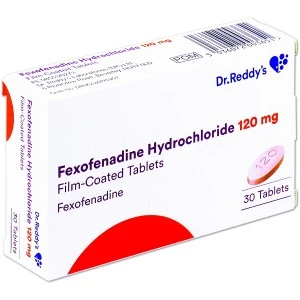
Fexofenadine

Fexofenadine

  • No prescription required
  • Dispatched from a UK registered pharmacy
View Treatment
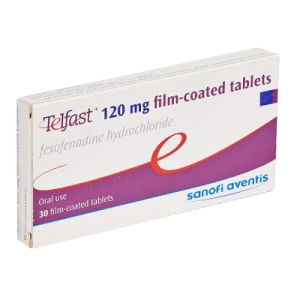
Telfast

Telfast

  • No prescription required
  • Dispatched from a UK registered pharmacy
View Treatment
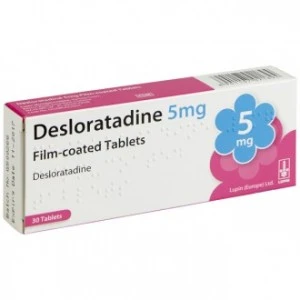
Desloratadine

Desloratadine

  • No prescription required
  • Dispatched from a UK registered pharmacy
View Treatment
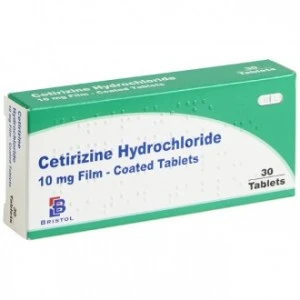
Cetirizine Hydrochloride

Cetirizine Hydrochloride

  • No prescription required
  • Dispatched from a UK registered pharmacy
View Treatment
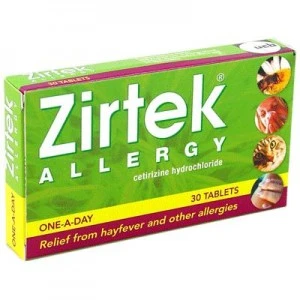
Zirtek

Zirtek

  • No prescription required
  • Dispatched from a UK registered pharmacy
View Treatment
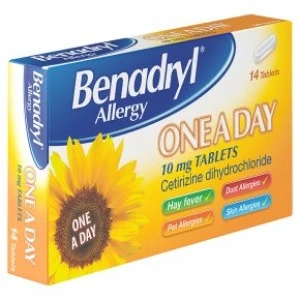
Benadryl Allergy

Benadryl Allergy

  • No prescription required
  • Dispatched from a UK registered pharmacy
View Treatment
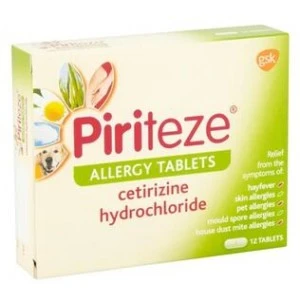
Piriteze Allergy Tablets

Piriteze Allergy Tablets

  • No prescription required
  • Dispatched from a UK registered pharmacy
View Treatment
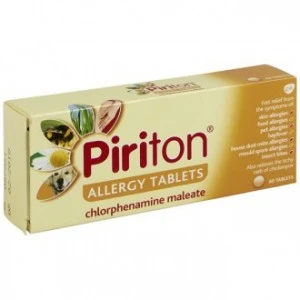
Piriton Allergy Tablets

Piriton Allergy Tablets

  • No prescription required
  • Dispatched from a UK registered pharmacy
View Treatment
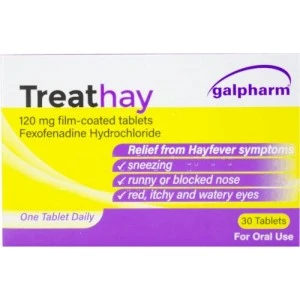
Treathay

Treathay

  • No prescription required
  • Dispatched from a UK registered pharmacy
View Treatment
Clarityn

Clarityn

  • No prescription required
  • Dispatched from a UK registered pharmacy
View Treatment
Customer Service