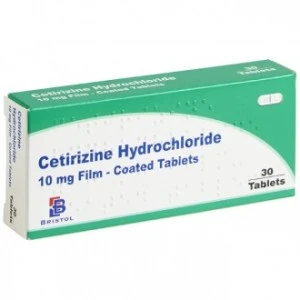
Cetirizine Hydrochloride

In Stock

Prices from £5.99
Review More Prices

Get Started
You must complete a short online consultation so that our prescriber can ensure that the treatment is suitable for you.
Order in the next 05 hours and 24 min to receive your order Friday, October 30
All inclusive service
No hidden fees
Next day delivery
Discreetly packaged
Discreet delivery
Prescriber available
Prescriber assess you online
How to order
  1. Click on the green "Get Started" button, then click "Start Consultation" button on the next page.
  2. Fill in our short consultation form.
  3. Choose delivery method and mode of payment.
  4. Our team of expert prescribers will assess whether medication is suitable.
  5. If you get the green light and it is deemed suitable, your order will be processed quickly and efficiently.
Confidential Service

Your privacy is important, Prescription Doctor are committed to keeping your details completely confidential.

This is why we also take steps to conceal your prescription products under two layers of packaging.

Delivery and Packing
Discreet Delivery?

We have a commitment to delivering a discreet service and understand your need for privacy. We ship all orders via a trackable courier using discreet, plain packaging.

Do I Need to Wait in All Day for Delivery?

Once your order is dispatched you will receive a tracking number via sms and email.

Do You Deliver on Weekends?

We deliver medications between Monday and Saturday. You can upgrade to Saturday delivery on Friday.

My Order Hasn’t Arrived What Should I Do?

You should receive a tracking number with your order which you can use this number to track your parcel online. This should give you a clear indication of where your parcel is. If you haven’t received your parcel in the time frame given by our couriers, contact your local depot to find out where it is. You can also contact our support team who will do this for you.

Can I Be Notified by Text?

On checkout you will be asked to leave your mobile number so our courier can text you about the delivery. This is also useful if the courier has problems finding your address. We will not use your mobile number for anything else.

Payment Methods
How Can I Pay for My Order?

You can pay for your order using credit, debit card or via bank transfer.

I Don’t Have a Credit Card, How Can I Pay?

If you don’t have a credit or debit card you can pay via bank transfer. We will give you a unique reference number at checkout along with details of how to make the transfer. Once the money has cleared in our account, we will process your order.

How Do You Keep My Details Safe?

We are a completely secure site and take many measures to ensure your details are kept safe. We understand that you have a right to extreme privacy when purchasing sensitive health medications. All information that you provide to us is stored on our secure servers. Any payment transactions will be encrypted using SSL technology.

Payment and refunds?

You can pay for your order using credit, debit card and bank transfer.

Card Payment: Please notify us that you wish to cancel your order. Your refund will show available In 1 - 3 days.

Bank Transfer: A member of our team will contact you requesting for your bank details. These details are only used to transfer the funds back into your account.

Treatment Information

Table of contents:

What is Cetirizine?

Cetirizine hydrochloride is a medicine which blocks the effects of histamine, a substance the body produces as part of an allergic reaction. In addition to hay fever, cetirizine is licensed to treat chronic hives (urticaria), where it helps reduce itching and the appearance of raised, itchy patches on the skin. It's classed as a non-drowsy antihistamine. Cetirizine hydrochloride tablets are taken as a 10 mg dose once a day.

Cetirizine Hydrochloride Tablet Uses

Cetirizine hydrochloride tablets are used to relieve the symptoms of:

  • Seasonal allergic rhinitis (hay fever): nasal and eye symptoms such as sneezing, a runny or blocked nose, and itchy, watery eyes
  • Perennial allergic rhinitis: the same nasal and eye symptoms, but from allergies that occur all year round rather than seasonally
  • Chronic idiopathic urticaria: ongoing hives with no identifiable trigger, where cetirizine helps reduce itching and calm the raised, itchy patches on the skin. 

Antihistamines like cetirizine are also commonly used for other allergic reactions, including conjunctivitis, eczema flare-ups, reactions to insect bites and stings, and some food allergies.

How Do Cetirizine Hay Fever Tablets Work?

When you come into contact with an allergen, such as pollen, your body releases histamine as part of its immune response. Histamine binds to receptors in your nose, eyes, and skin, triggering the sneezing, itching, and swelling behind hay fever symptoms.

Cetirizine works by blocking these histamine receptors, known as H1-receptors, so that histamine can't produce its usual effects. Studies also suggest it reduces the movement of certain immune cells, called eosinophils, into the skin and eyes during an allergic reaction, based on research where people were exposed to an allergen under controlled conditions.

How Long Does Cetirizine Take to Work?

Most people notice an improvement in their symptoms within an hour of taking cetirizine. This aligns with how quickly the medicine reaches its peak level in the blood, which studies show happens within about an hour of taking a dose, though how you respond can vary from person to person. 

How Effective are Cetirizine Antihistamines? 

In two placebo-controlled trials involving over 500 people with seasonal allergic rhinitis, cetirizine reduced total symptom scores significantly more than placebo, including symptoms measured first thing in the morning. Improvements were seen within the first two weeks of treatment.

For chronic hives, a placebo-controlled trial in 188 patients found that cetirizine controlled symptoms as effectively as the antihistamine hydroxyzine, with both outperforming placebo in reducing the number of hives and how itchy they felt, and cetirizine acting faster than hydroxyzine.

How to Take Cetirizine Tablets

Always take Cetirizine hydrochloride tablets exactly as prescribed by your clinician or doctor. Ask them for advice if you’re ever unsure about what to do. Swallow the tablets with a glass of liquid. You can also divide them into 2 equal doses if necessary.

Treatment duration depends on the type, duration, and course of your symptoms. Ask your clinician or doctor if you need more information. 

Cetirizine Dosage Information

The recommended dose of Cetirizine in adults is 10 mg once per day, taken as 1 tablet. Patients with moderate renal impairment are advised to take 5 mg once daily. If you have severe kidney disease, speak to your clinician or doctor, who may adjust the dosage accordingly.

If you feel that the effect of Cetirizine hydrochloride is too weak or too strong, seek medical advice from your doctor or clinician.

What is the Maximum Dose of Cetirizine in 24 Hours?

The maximum licensed dose of cetirizine in 24 hours is 10 mg, taken as one tablet. If you have moderate kidney impairment, this is reduced to 5 mg. You shouldn't take more than your prescribed dose without speaking to your clinician or doctor first.

In some cases of persistent angioedema symptoms, a doctor may prescribe a higher dose, up to four times the standard amount, but this is a specialist decision that a doctor makes and monitors, not something to increase on your own.

If You Forget to Take Cetirizine Hydrochloride 

If you forget to take your daily Cetirizine tablet, take your next dose as normal. Do not try to take a double dose to make up for one you’ve forgotten. 

If You Take Too Many Cetirizine Tablets

If you think you’ve taken more Cetirizine hydrochloride than you should, seek medical attention from your clinician or doctor, so they can decide what measures (if any) should be taken. After an overdose, the following adverse reactions could occur with increased intensity:

  • Confusion
  • Diarrhoea
  • Malaise
  • Urinary retention
  • Restlessness
  • Sleepiness 
  • Abnormal heart rate
  • Headache 
  • Tiredness

If You Stop Taking Cetirizine

If you stop taking Cetirizine, it will rarely cause any adverse effects. However, it is not impossible. Pruritus (intense itching) and/or Urticaria (hives) may return if you stop taking the medication. In this case, speak to your clinician.

Cetirizine Side Effects and Cautions

Like most medicines, cetirizine can cause side effects, though not everyone experiences them. It's also not suitable for everyone, so it's worth knowing when extra care is needed before starting treatment.

Potential Side Effects of Cetirizine Hydrochloride

Possible side effects of cetirizine are grouped here by how often they're likely to occur:


Common

(may affect up to 1 in 10 people)

Uncommon

(may affect up to 1 in 100 people)

Rare

(may affect up to 1 in 1,000 people)

  • Sleepiness
  • Headache
  • Dizziness
  • Sore throat
  • Diarrhoea
  • Fatigue
  • Nausea
  • Dry mouth
  • Agitation
  • Abnormal feelings of the skin
  • Abdominal pain
  • Itchy skin
  • Rash
  • Extreme fatigue
  • Feeling unwell 
  • Allergic reactions
  • Depression
  • Hallucination
  • Aggression
  • Insomnia
  • Confusion
  • Convulsions
  • Abnormal liver function
  • Fast heartbeats
  • Hives
  • Swelling
  • Weight increase


There are further side effects categorised as ‘very rare’ (1 in 10,000), or for which their frequency is unknown. The full list of side effects can be found in the Patient Information Leaflet online. If you encounter any side effects, either listed or not, you can submit a report to the Yellow Card Scheme. This helps to narrow down the frequency of the effects and helps future users of the treatment.

When to Stop Taking Cetirizine

A severe allergic reaction, possibly shown through a swelling of the face or throat, is classed as a serious side effect. If you encounter this, either soon after you take your first dose or later into the treatment, you should stop taking the medication altogether and speak to a doctor right away.

Cetirizine Warnings and Interactions

Cetirizine antihistamines are an effective hay fever treatment, but they may not suit everyone. For example, you should not take the medication if you have a severe kidney disease that requires dialysis or if you are allergic to:

  • Cetirizine dihydrochloride 
  • Any other ingredient in the medication
  • Hydroxyzine 
  • Piperazine derivatives

If you are unsure about whether any of the above applies to you, contact your clinician or doctor for advice. 

Precautions Before Taking Cetirizine Tablets

It’s important that you speak to your doctor or clinician before taking Cetirizine hydrochloride if you:

  • Have renal insufficiency. Your clinician may recommend a lower dose if necessary
  • Have problems passing urine (such as prostate, bladder, or spinal cord issues)
  • Have epilepsy
  • Are at risk of convulsions 
  • Are intolerant to some sugars, as the medication contains lactose monohydrate

You should also seek medical advice if you are scheduled to have allergy testing, as the medication may affect your test results. You may need to stop taking Cetirizine tablets for several days before the test. 

Cetirizine and Other Medicines

Tell your clinician or doctor if you are taking, or might take, any other medications. This includes any over-the-counter treatments or herbal remedies. This helps them advise you on whether Cetirizine hydrochloride is suitable for your circumstances. 

Driving and Using Machinery

There is no evidence to suggest that the use of Cetirizine will impair your ability to drive or use machinery, so long as you take the recommended dose. Keep a close eye on it to ensure you do not exceed the dose, and monitor your own side effects to make an informed decision. If unsure, contact your clinician.

Pregnancy and Breastfeeding Advice 

If you are pregnant or breastfeeding, think you may be pregnant, or are planning for a baby, it’s essential to consult your clinician or doctor for advice before taking Cetirizine.

More detailed information can be found below: 

Can You Use Cetirizine in Pregnancy?

You should likely avoid the use of Cetirizine if you are pregnant. Accidental use of the medication should not result in harmful effects for the unborn baby, but it should still be avoided as much as possible. Speak to your clinician for further clarification.

Can You Use Cetirizine While Breastfeeding?

You should likely not use Cetirizine while breastfeeding. A small amount of Cetirizine Hydrochloride passes into breast milk while using the medication, and this poses a potential risk to breastfed infants. Consult your clinician about whether you should take it while breastfeeding.

How to Buy Cetirizine in the UK

You can buy Cetirizine from trusted pharmacies and chemists across the UK, either in-store or online. It does not require a prescription and can be picked up over the counter, ready to take as soon as you are.

Can You Buy Cetirizine Online?

Yes, you can buy Cetirizine online from reputable pharmacies like Prescription Doctor. If your seasonal allergies are too strong to even leave the house, we offer next-day delivery right to your doorstep, so you won’t have to step one foot outside.

Frequently Asked Questions About Cetirizine

Is Cetirizine an Antihistamine? 

Yes, cetirizine is an antihistamine. It works by blocking the effects of histamine, a substance your body releases during an allergic reaction that causes symptoms like sneezing, itching, and a runny nose. It's used to treat conditions such as hay fever and chronic hives.

Is Cetirizine Drowsy?

Cetirizine is classed as a non-drowsy antihistamine and causes less sleepiness than older antihistamines. However, some people still find it makes them feel drowsy, particularly at higher doses. If you're affected, avoid driving or using machinery until you know how it affects you.

Can I Take 20 mg of Cetirizine?

The licensed dose of cetirizine is 10 mg once a day. NHS guidance notes that a doctor may sometimes prescribe a higher dose for angioedema symptoms that aren't responding to the standard amount, but this is a specialist decision, not something to try on your own. Speak to your clinician if your current dose isn't working.

Can I Take Cetirizine Hydrochloride Every Day?

Yes, cetirizine is licensed for daily use, taken once a day. Many people take it throughout allergy season, or use it for longer if they have an ongoing condition like chronic hives. If you're taking it for several weeks or more, it's worth checking in with your clinician or doctor.

Cetirizine vs Loratadine: What’s the Difference?

Cetirizine and loratadine are both non-drowsy antihistamines, used to treat similar allergy symptoms such as hay fever. NHS guidance notes cetirizine may be slightly more likely to cause sleepiness than loratadine, though this varies between individuals. Both are taken once a day, and there's no strong evidence either is more effective than the other for most people.

Can You Take Loratadine and Cetirizine Together?

It's not usually recommended to take two antihistamines like cetirizine and loratadine together, as this doesn't tend to improve symptom relief and can increase the risk of side effects such as drowsiness. If your current antihistamine isn't controlling your symptoms, speak to your clinician about your options rather than combining the two.

Fexofenadine vs Cetirizine: Which is Better?

Cetirizine and fexofenadine are both effective antihistamines, and neither is considered better for everyone; response can vary from person to person. NHS guidance notes fexofenadine is less likely to cause drowsiness than cetirizine. If one isn't working well for you or is causing side effects, your clinician can advise you to switch.

Can You Take Cetirizine and Fexofenadine Together?

As with other antihistamines, it's not usually recommended to take cetirizine and fexofenadine together. Combining them is unlikely to improve your symptoms and may increase the chance of side effects. If your current antihistamine doesn't seem to be working, speak to your clinician rather than adding another one.

Is There an Interaction Between Cetirizine and Alcohol?

There have been no clinically significant interactions between Cetirizine and alcohol when the medication is used at the recommended doses. However, no information is available on the safety of taking higher doses of Cetirizine hydrochloride and alcohol together. It is therefore recommended to avoid alcohol when using Cetirizine antihistamines. 

How Do I Store Cetirizine Tablets?

Cetirizine does not have specific storage requirements, but you must follow certain conditions. Keep the medication out of sight and reach of children, and do not use it once the printed expiry date has passed. The date refers to the last day of that month.

Do not dispose of Cetirizine via wastewater or household waste. If you have unneeded or unused medication, ask your clinician how best to dispose of it safely.

Additional Resources

PAGE

How many Cetirizine can you take in a day?

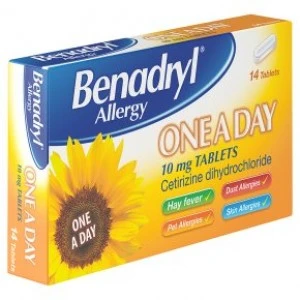
Affecting 29% of the UK population, hay fever is typically a seasonal allergy. Known medically as allergic rhinitis, this condition occurs when the immune system releases chemicals called histamines, resulting in inflammation of the nasal passages. This immune response also causes the recognised hay fever symptoms, such as sneezing, coughing, difficulty breathing through the nose, itchy, watery eyes, and a general feeling of lethargy.One common treatment for hay fever is Cetirizine, a non-drowsy antihistamine commonly sold under the brand names Zirtek, Piriteze, and Benadryl Allergy. It is available in the form of tablets, capsules and syrups. Cetirizine can help relieve hay fever symptoms, but it cannot prevent them from occurring in the first place.For many, Cetirizine is only taken when the pollen count is high and not every day. But this can make it difficult to determine how often you should take Cetirizine. Read on to find out how much you should take, as well as other helpful tips on taking Cetirizine for hay fever.{add_product_block(156)}What is cetirizine for?Cetirizine is an antihistamine that’s used to relieve allergy symptoms associated with:When your body comes into contact with an allergen, it produces a chemical called histamine, which causes allergy symptoms. An antihistamine, such as cetirizine, prevents histamine from binding to its receptors in the body, thereby stopping allergy symptoms from developing.How much Cetirizine can you take in a day?How much Cetirizine you can take in a day depends on factors such as your age and the severity of your symptoms. The dosage usually differs for adults and children. Normally, if you are younger than 65 years, you may be good to go with one tablet a day (with the maximum dose being 10 mg per day). However, if you are over 65 years of age or suffer from any kidney problems, then your daily dose of Cetirizine would usually be lower, around 5 mg per day.You can take Cetirizine regularly to keep your symptoms at bay, especially in spring and summer when the pollen count is high. However, it’s important to always follow your doctor’s instructions or check the label for information on how much Cetirizine you should take.You should avoid accidentally taking more Cetirizine if your symptoms persist. If you find that Cetirizine does not effectively relieve your symptoms, speak to your doctor or a pharmacist for advice.How to take CetirizineCetirizine can be taken with or without food, but it should always be swallowed whole with a drink. You should never try to chew them.How much Cetirizine can you take in a day if you forget your first dose?If you forget to take Cetirizine, take it as soon as you remember. However, if it is nearly time for your next dose, you should refrain from doing so. You should never take a double dose in order to make up for a forgotten dose.What happens if you accidentally take too much Cetirizine?If you accidentally take more Cetirizine than you should, it is unlikely to cause any serious harm to you. However, it may increase your risk of experiencing side effects, such as nausea, drowsiness, headaches, stomachaches, and feeling agitated or nervous. If you experience any side effects and are concerned, please speak with your doctor. If your side effects persist or worsen, seek emergency medical attention by going directly to your nearest accident and emergency department.However, if you feel that the usual dosage of Cetirizine is not working out for you and you deliberately try to overdose in the hopes of relieving hay fever symptoms, you should immediately discontinue this practice. You can explore other hay fever treatments in addition to your regular dose of Cetirizine.Is it safe to take Cetirizine with other antihistamines?Taking Cetirizine together with other antihistamines such as fexofenadine and loratadine is generally not recommended and can increase the chances of side effects. However, your doctor may recommend a sedating antihistamine to help you sleep at night.Side Effects and PrecautionsCetirizine has fewer side effects than other antihistamine medications for hay fever. Common side effects of taking Cetirizine may include tiredness, dizziness, abdominal pain, headaches, nausea, dry mouth and diarrhoea.Do not take Cetirizine if you are allergic to peanuts or soya.You should avoid drinking alcohol while taking Cetirizine as it can increase the risk of making you feel drowsy, dizzy or nauseous.It is important to tell your doctor about your medical history before taking Cetirizine. You should tell your doctor if you use other medicines, especially sleeping pills, muscle relaxants, anti-depressants or other cold or allergy medications. They can add to the drowsiness caused by Cetirizine. Also, you should not take Cetirizine without informing your doctor if you are breastfeeding, since small amounts of Cetirizine can pass into the mother’s breast milk and prove harmful to the nursing baby.Does cetirizine cause drowsiness?No, cetirizine has a non-drowsy formula, making it a good option for hay fever sufferers who need to stay alert and focused during the day, such as for work.Some antihistamine medications can cause drowsiness. These include chlorphenamine, diphenhydramine, hydroxyzine, and promethazine.Generally, non-drowsy formulas are the best option because they are less likely to make you feel sleepy. However, if your allergy symptoms are affecting your sleep, antihistamines that cause drowsiness may be more suitable. You should discuss the most suitable option for you with a clinician or pharmacist.Cetirizine dosesCetirizine is available as 10 mg tablets or as a liquid solution.DoseFormSuitable for10 mgTabletsAdults and children over 1210 mg (5 mg x 2)Tablet or liquid medicineChildren aged 6 to 12 years5 mg (½ tablet once per day)Tablet or liquid medicinePeople with mild kidney issuesHow long can I take cetirizine for?How long you will need to take cetirizine will depend on your symptoms. For example, if you are taking cetirizine tablets to relieve hay fever symptoms, it’s a good idea to start taking them up to four weeks before you usually experience them.In the UK, this typically occurs during the spring and summer. You’ll likely need to continue taking antihistamines throughout the pollen season to keep symptoms at bay, usually until mid-September.How common is hay fever?It is estimated that around one in four adults and 1 in 10 children experience hay fever. The symptoms typically appear from early spring to late autumn and are generally worse in warm, windy, and humid weather.What are the common hay fever symptoms?Hay fever symptoms include:A runny or blocked noseSneezingCoughingItchy, red or watery eyesItchy throat, mouth, nose, and earsHeadacheLoss of smellTirednessUnlike common colds, hay fever symptoms usually last for weeks or months. So, if you’ve had any of the above symptoms for more than two weeks, and it’s pollen season, you could have hay fever.Find out, ‘What’s the difference between hay fever and a cold?’Tips for treating hay fever symptoms at homeThere is no cure for hay fever, but there are things you can do to help ease your symptoms, such as:Rubbing petroleum jelly around your nostrils to trap pollen and stop it entering your airwaysWear wraparound sunglasses or a wide-brimmed hatKeep windows and doors closed inside as much as possibleVacuum frequently and dust with a damp cloth to trap dust and pollenShower and change your clothes after going outsideAvoid cutting or walking on grassAvoid drying clothes outsideDrink plenty of fluids to stay hydratedLearn more ways in our guide ‘5 tips to beat hay fever’.What if cetirizine doesn’t work for me?If you feel cetirizine isn’t relieving your hay fever symptoms, speak to a clinician for further advice. They may recommend trying a different antihistamine medication.Cetirizine alternativesYou can buy cetirizine from Prescription Doctor, but if you feel it isn’t working for you, speak to one of our clinicians about the other hay fever treatments we offer:AntihistamineBrandsFexofenadine hydrochlorideAllevia, Telfast, TreathayBeclomethasone dipropionateBeconase Aqueous Nasal Spray, Nasobec Aqueous Nasal SprayCetirizine dihydrochlorideBenadryl AllergyCetirizine hydrochloridePiriteze allergy tablets, Zirtek allergyLoratidineClaritynDesloratadineNeoclaritynAzelastine hydrochloride and fluticasone propionateDymista Nasal SprayChlorphenamine maleatePiriton allergy tabletsSourcesDr Reddy’s Laboratories (UK) Ltd, 2024. Cetirizine hydrochloride 10 mg tablets package leafletMet Office, 2024. Surviving hay fever: A guide for sufferersNHS, 2024. Hay feverNHS, 2023. AntihistaminesNHS, 2021. Cetirizine
Read more →
How many Cetirizine can you take in a day?

Treatment information

  • Product Name: Cetirizine
  • Active Ingredient(s): Cetirizine hydrochloride
  • Administration: Oral
  • Presentation: Tablet
  • Available Strength: 10 mg
  • Exemption: Pharmacy
  • Application: Men and women aged 18+
  • Dosage: Take one tablet daily
  • Description: Cetirizine is an antihistamine used to prevent the symptoms of hay fever
  • Drug Class: Antihistamine
  • Alcohol Consumption: Avoid or limit alcohol consumption
  • When Pregnant: Consult with a clinician before use
  • When Breastfeeding: Consult with a clinician before use
  • Prices From: 5.99 GBPhttps://www.prescriptiondoctor.com/storage/product_images_th/Cetirizine.jpg
Click here to view the Cetirizine Hydrochloride - Patient Information Leaflet

Authored & Reviewed By

Mohamed Imran Lakhi

Mohamed Imran Lakhi

MPharm - Lead Pharmacist
Imran Lakhi is the superintendent pharmacist and founder at Prescription Doctor. He has been at the core of our team.

Published on: 23/05/2019 Re-Published on: 25/09/2026 Reviewed on: 25/09/2026

Hay Fever Alternatives

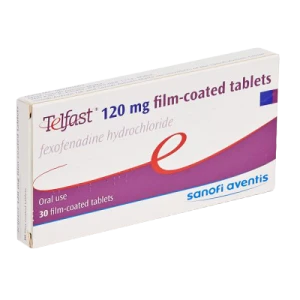
Telfast

Telfast

  • No prescription required
  • Dispatched from a UK registered pharmacy
View Treatment
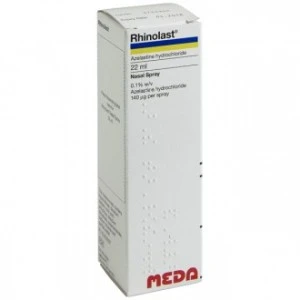
Rhinolast

Rhinolast

  • No prescription required
  • Dispatched from a UK registered pharmacy
View Treatment
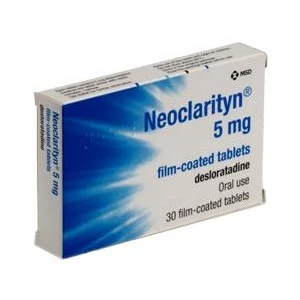
Neoclarityn

Neoclarityn

  • No prescription required
  • Dispatched from a UK registered pharmacy
View Treatment
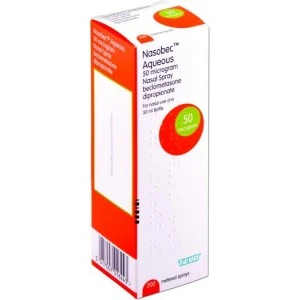
Nasobec Aqueous Nasal Spray

Nasobec Aqueous Nasal Spray

  • No prescription required
  • Dispatched from a UK registered pharmacy
View Treatment
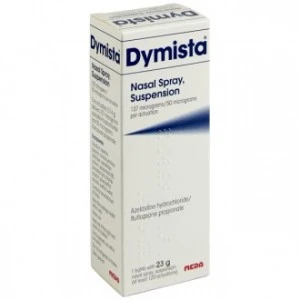
Dymista Nasal Spray

Dymista Nasal Spray

  • No prescription required
  • Dispatched from a UK registered pharmacy
View Treatment
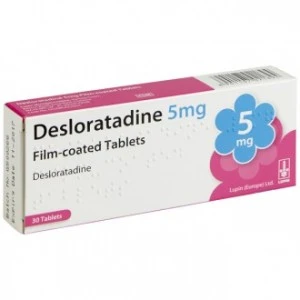
Desloratadine

Desloratadine

  • No prescription required
  • Dispatched from a UK registered pharmacy
View Treatment
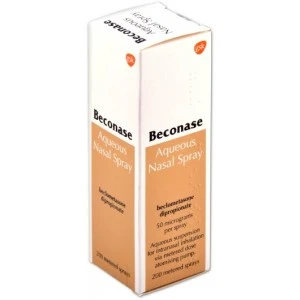
Beconase Aqueous Nasal Spray

Beconase Aqueous Nasal Spray

  • No prescription required
  • Dispatched from a UK registered pharmacy
View Treatment
Zirtek

Zirtek

  • No prescription required
  • Dispatched from a UK registered pharmacy
View Treatment
Benadryl Allergy

Benadryl Allergy

  • No prescription required
  • Dispatched from a UK registered pharmacy
View Treatment
Piriteze Allergy Tablets

Piriteze Allergy Tablets

  • No prescription required
  • Dispatched from a UK registered pharmacy
View Treatment
Piriton Allergy Tablets

Piriton Allergy Tablets

  • No prescription required
  • Dispatched from a UK registered pharmacy
View Treatment
Fexofenadine

Fexofenadine

  • No prescription required
  • Dispatched from a UK registered pharmacy
View Treatment
Allevia

Allevia

  • No prescription required
  • Dispatched from a UK registered pharmacy
View Treatment
Clarityn

Clarityn

  • No prescription required
  • Dispatched from a UK registered pharmacy
View Treatment
Treathay

Treathay

  • No prescription required
  • Dispatched from a UK registered pharmacy
View Treatment
Customer Service