All inclusive service
No hidden fees


Prices from £12.95
Review More Prices
Your privacy is important, Prescription Doctor are committed to keeping your details completely confidential.
This is why we also take steps to conceal your prescription products under two layers of packaging.
We have a commitment to delivering a discreet service and understand your need for privacy. We ship all orders via a trackable courier using discreet, plain packaging.
Once your order is dispatched you will receive a tracking number via sms and email.
We deliver medications between Monday and Saturday. You can upgrade to Saturday delivery on Friday.
You should receive a tracking number with your order which you can use this number to track your parcel online. This should give you a clear indication of where your parcel is. If you haven’t received your parcel in the time frame given by our couriers, contact your local depot to find out where it is. You can also contact our support team who will do this for you.
On checkout you will be asked to leave your mobile number so our courier can text you about the delivery. This is also useful if the courier has problems finding your address. We will not use your mobile number for anything else.
You can pay for your order using credit, debit card or via bank transfer.
If you don’t have a credit or debit card you can pay via bank transfer. We will give you a unique reference number at checkout along with details of how to make the transfer. Once the money has cleared in our account, we will process your order.
We are a completely secure site and take many measures to ensure your details are kept safe. We understand that you have a right to extreme privacy when purchasing sensitive health medications. All information that you provide to us is stored on our secure servers. Any payment transactions will be encrypted using SSL technology.
You can pay for your order using credit, debit card and bank transfer.
Card Payment: Please notify us that you wish to cancel your order. Your refund will show available In 1 - 3 days.
Bank Transfer: A member of our team will contact you requesting for your bank details. These details are only used to transfer the funds back into your account.
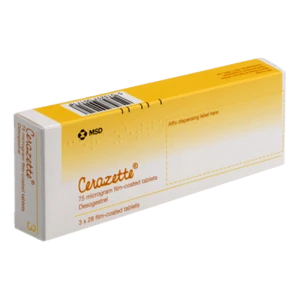
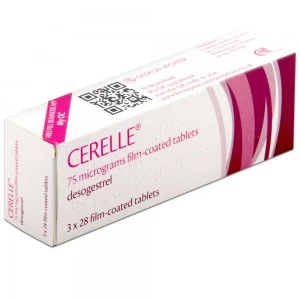
Desogestrel is a contraceptive tablet, commonly known as the mini pill or progestogen-only pill (POP). Its active ingredient is desogestrel, a synthetic form of the hormone progesterone. Unlike the combined contraceptive pill, desogestrel does not contain oestrogen, making it suitable for women who cannot take oestrogen-containing medicines.
Desogestrel 75 microgram tablets are taken daily without a break and are used to prevent pregnancy. The pill is available under several brand names and is one of the most widely prescribed progestogen-only contraceptives in the UK. Generic desogestrel is a prescription-only medicine (POM), but there are specific brands which have been classified into P (Pharmacist) medicines (Hana and Lovima).
Desogestrel works primarily by preventing ovulation (the release of an egg from the ovaries). This sets it apart from older progestogen-only pills, which relied mainly on thickening the cervical mucus to prevent sperm from reaching an egg. By directly inhibiting ovulation, desogestrel provides more consistent and reliable protection throughout the monthly cycle.
Alongside this primary action, desogestrel thickens the mucus at the entrance to the womb (cervix), making it harder for sperm to travel through. It also thins the lining of the womb (endometrium), reducing the chance of a fertilised egg implanting should ovulation occur.
This combination of three complementary mechanisms working together is what makes desogestrel particularly effective compared to older mini-pills, which relied more heavily on cervical mucus changes alone. Its multi-action approach is also why it has become one of the most widely prescribed progestogen-only contraceptives in the UK.
The time taken for desogestrel to begin working as intended depends on which day of your menstrual cycle you begin taking it (as long as you are not switching from an alternative contraceptive). More advice on safely switching contraceptives is provided in the section 'When to Start Taking Desogestrel Pills'.
It is recommended that you wait for your period to begin, taking your first pill on the first day of menstruation. You will not need additional contraceptive precautions (condoms) from this point. If you take desogestrel on days 2 to 5 of your period, you will need to use additional barrier contraceptives (condoms) for the first 7 days of tablet taking.
Desogestrel affects periods differently in different women. Around 50% of users experience no or very infrequent bleeding. Some women have more frequent spotting, particularly in the first few months. These changes are caused by desogestrel's effect on the womb lining and are not harmful.
If your periods stop, this doesn't mean you are pregnant. It is a recognised and common side effect of desogestrel. However, if you are concerned at any point, a pregnancy test will reassure you. If you experience a significant change to your bleeding pattern after taking desogestrel for a few months, speak to your doctor. Irregular bleeding could be a sign of a health condition requiring treatment.
Desogestrel is a highly effective contraceptive when used correctly. With recommended use, meaning taken correctly every day without missing doses, it is over 99% effective at preventing pregnancy. This makes it one of the most reliable progestogen-only options available. With typical use, which accounts for occasional missed or late tablets, 9% of women taking a progestogen-only pill will conceive within the first year of use due to method failure or user failure.
The primary reason for desogestrel's high efficacy is its ability to inhibit ovulation at a rate significantly higher than older progestogen-only pills such as levonorgestrel. This has been confirmed in one clinical study directly comparing the two, which found that ovulation suppression was far more effective with desogestrel.
Despite few head-to-head trials that compare COCs (combined oral contraceptives) with POPs, POPs such as desogestrel are as effective as the combined pill at preventing pregnancy. Unlike older progestogen-only pills, which require tablet-taking within a strict three-hour window, a pill isn't considered 'missed' unless it is taken more than 12 hours late. You should still try to take desogestrel at the same time every day.
Each strip of desogestrel 75-microgram tablets contains 28 tablets. Arrows are printed on the front of the strip, with days of the week printed on the back. Each day corresponds to one tablet. When you start a new strip, always take a tablet from the top row, marked with the correct day of the week. Continue taking one tablet a day, following the direction indicated by the arrows until you finish the strip. Start a new strip the next day (following the same instructions), without taking a break or waiting for a bleed.
Take desogestrel each day at around the same time. A pill is considered 'missed' if it is taken more than 12 hours late. Swallow the tablet whole with water and follow the starting instructions provided in your pack.
If you have not used any other hormonal contraceptive in the last month, wait for your period to begin and start desogestrel on the first day of your period. You will not need to use additional contraceptive precautions (condoms). If you start desogestrel on days 2 to 5 of your period, use additional barrier contraceptives (condoms) to prevent pregnancy for the first 7 days of tablet-taking.
When changing from the combined pill, vaginal ring, or transdermal patch, start desogestrel on the day after you take the last tablet from your current combined pill pack or on the day of removal of your transdermal patch or ring (i.e., no break). If your combined pill pack contains inactive tablets, you can also start desogestrel on the day after you take your last active tablet (ask your doctor or pharmacist for advice).
You will not need to use extra contraceptive precautions (condoms) if you follow these instructions. You can also start desogestrel at the latest on the last day of a tablet-, patch-, or ring-free break, or inactive tablet interval, but you will need to use additional contraceptives (condoms) for the first 7 days of tablet-taking.
When changing from another progestogen-only pill (mini pill), switch on any day. You do not need to use additional contraceptives (condoms).
When changing from an injection, implant, or hormonal intrauterine system (IUS), start desogestrel when your next injection is due or on the day your implant or IUS is removed. Additional contraceptive precautions (condoms) are not necessary.
After having a baby, you can start desogestrel between 21 and 28 days after giving birth. If you start later, use additional barrier contraceptives (condoms) for the first 7 days of pill-taking. If you have already had sex, check you are not pregnant before taking desogestrel. Further information on pregnancy and breastfeeding is available in the Patient Information Leaflet. Your doctor can provide you with guidance on starting desogestrel after a miscarriage or abortion.
If you are less than 12 hours late taking desogestrel, take it as soon as you remember. It will still protect you from pregnancy. If you are more than 12 hours late taking a tablet, your contraceptive protection may be reduced. The more consecutive days you have missed, the higher the risk of pregnancy.
Take a tablet as soon as you remember, and take the next one at the usual time (this may mean you take two in one day). Continue taking the tablets as usual, but you should use additional barrier contraceptives (condoms) for the next 7 days.
If you miss a tablet in the very first week of taking desogestrel, and had intercourse in the week before missing the tablet, you may become pregnant. Speak to your doctor for advice.
There have been no reports of serious harmful effects from taking too many desogestrel tablets. You may experience nausea, vomiting and, in young girls, slight vaginal bleeding. Ask your doctor for further advice.
Follow the advice for forgotten tablets in the section above. If you vomit within 3-4 hours after taking desogestrel or have severe diarrhoea, the active ingredient may not have been completely absorbed. This means you may have to take an additional tablet, or use additional barrier contraceptives (condoms).
You can stop taking desogestrel whenever you want. From the day you stop, you will no longer be protected from pregnancy. If switching to a new contraceptive, follow the guidance given to you by your prescriber or in the information contained in that product's patient information leaflet. Ask your doctor or pharmacist for further advice.
Before you start taking desogestrel, you should review the following safety information and potential side effects to allow you to make an informed decision about your medication usage. Further information is available from your prescriber and the Patient Information Leaflet contained in the carton.
When you take desogestrel, you may experience unintended side effects. However, not everyone who takes desogestrel will experience them. Tell your doctor if you notice any unwanted effects, especially if severe or persistent. Side effects include:
Common (affecting less than 1 in 10 women) | Uncommon (affecting less than 1 in 100 women) | Rare (affecting less than 1 in 1,000 women) |
|---|---|---|
|
|
The above list is not a complete overview of potential Desogestrel side effects. More information can be found inside the Patient Information Leaflet that comes with the medication. If you do experience any adverse reactions to the treatment, you can also report them using the MHRA's Yellow Card Scheme.
The frequency of allergic reactions is unknown. You should seek immediate medical support if you experience symptoms of angioedema, such as a swollen face, tongue, or throat; difficulty swallowing; difficulty breathing; or hives.
The frequency of breast secretion or leakage is unknown. More information about serious adverse reactions is available in the patient information leaflet and in the section 'Precautions Before Taking Desogestrel'.
The length of time that side effects from desogestrel last depends on the specific side effect you experience and your individual response to the pill. Many common side effects (acne, breast tenderness, headaches, etc.) generally improve over time and should stop within a few months. More serious side effects should not be ignored as these are unlikely to go away. Speak to your doctor for more advice on desogestrel side effects.
Vaginal bleeding may occur at irregular intervals while taking desogestrel. This may be slight (not requiring a pad) or heavier (resembling a scanty period for which you may need a pad or tampon). You may not have any bleeding at all. Around 50% of women taking a progestogen-only pill experience no or very infrequent bleeding. Irregular bleeding does not indicate that desogestrel is not working. However, if you experience heavy or prolonged bleeding, speak to your doctor for advice.
When you stop taking desogestrel, you may experience additional side effects. These include headaches, mood swings, breast tenderness, increased sex drive, and weight changes. Your periods are also likely to return to a similar state as prior to taking the pill (although this may change with age and health status). You may also notice a change in your vaginal discharge. These changes can occur due to a change in your hormonal balance. There are no known lasting effects on fertility from taking the progestogen-only pill.
Desogestrel is suitable for women of any age seeking a reliable contraceptive without oestrogen. It is often prescribed for women who are breastfeeding, those with certain medical conditions such as migraines with aura or a history of blood clots, and those who have not tolerated the combined pill. Your prescriber will assess your medical history before recommending it.
Do not take desogestrel and tell your prescriber if:
At Prescription Doctor, desogestrel can be prescribed to women aged 18 and over.
Desogestrel may not be suitable for everyone. Your prescriber will weigh the benefits and potential risks before prescribing it. Tell your prescriber before taking desogestrel if:
Some women have reported depressed mood when taking desogestrel. If you experience mood changes, depression, or suicidal thoughts, seek support from your doctor as soon as possible.
When taking desogestrel, you should have regular check-ups with your doctor. You should be aware of the following symptoms of potentially serious adverse reactions and seek immediate advice:
The risk of breast cancer in women who use the progestogen-only pill is believed to be similar to that of those who use the combined pill. Breast cancer has been found slightly more frequently in women who take the contraceptive pill, compared to women of the same age who don't. This risk gradually decreases so that 10 years after stopping taking the pill, the risk is the same as for women who have never taken the pill.
It is important to regularly check your breasts, and you should contact your doctor as soon as possible if you feel any lump in your breasts. Further information on the risk of breast cancer is available in the patient information leaflet that comes with the medication.
The risk of thrombosis (blood clots) is higher in women who take a combined contraceptive pill vs women who don't. The risk of thrombosis in women who take a progestogen-only pill (like desogestrel) is believed to be lower than that of women who take a combined pill. In fact, though the published evidence is very limited, there is currently no suggestion that users of a progestogen-only pill are at increased risk of thrombosis when compared to people who don't use hormonal contraception.
You should still be aware of the symptoms of thrombosis and speak to your doctor before taking desogestrel if you have had a thrombosis in the past. Symptoms of thrombosis can be found in the section 'Precautions Before Taking Desogestrel' and the patient information leaflet. Speak to your doctor immediately if you notice possible signs of thrombosis.
Tell your prescriber if you are taking, or have recently taken, any other prescribed medications, over-the-counter medicines, herbal remedies, or supplements. Some medicines can alter the level of desogestrel in the body, make desogestrel less effective in preventing pregnancy, or cause unexpected bleeding. Your doctor can advise you on any medication changes you may need to make, and whether additional barrier contraceptives (condoms) are needed.
Your doctor can advise you on the specific medications that interact with desogestrel. The patient information leaflet also contains a list of example medications. Medications that are used for the treatment of the following may interact with desogestrel:
The desogestrel pill contains lactose. Speak to your doctor before taking it if you have been advised that you are intolerant to certain sugars.
Do not take desogestrel if you are pregnant or think you may be pregnant. No contraceptive method is 100% effective. If you believe you may have become pregnant, take a pregnancy test and speak to your doctor for advice before taking desogestrel again.
Desogestrel may be used when you are breastfeeding. Studies have found no influence on the growth or development of children who are breastfed by a mother taking a desogestrel-only pill. You should still seek advice from your doctor if you wish to use desogestrel whilst breastfeeding.
No, desogestrel is not a combined pill (also called a combined oral contraceptive). Combined pills contain both an oestrogen and a progestogen. Desogestrel is a progestogen-only pill (sometimes called a mini pill).
Both combined and progestogen-only pills are similarly effective (over 99% when used correctly), but vary in terms of potential side effects and suitability depending on your medical history. Desogestrel is a great option if you are unable to take oestrogen due to your personal or family medical history. However, the combined pill may offer a more predictable and regular monthly bleed.
Irregular bleeding is one of the most common reasons women stop taking desogestrel, but it often improves after the first three months of use. There is no guaranteed way to stop breakthrough bleeding, as it typically settles as your body adjusts to the hormone. Tracking your bleeding pattern can help you see if it is gradually improving over time.
If irregular bleeding remains after 3 months or you are experiencing heavy or prolonged bleeding at any time, speak to your prescriber. They may suggest a brief course of additional treatment or discuss switching to a different contraceptive that suits your body better.
Weight gain is listed as a potential common side effect of desogestrel (similar to many other hormonal contraceptive options). You may find that weight gain stops after a few months of taking desogestrel. Weight may also be heavily influenced by lifestyle changes unrelated to desogestrel use.
If you're concerned about weight changes while taking desogestrel, speak to your prescriber. They can help establish whether there is a hormonal cause and discuss whether a different contraceptive might suit you better.
You should not take more desogestrel than recommended by your prescriber. You should only take more than one desogestrel tablet a day in line with the recommended missed-pill rules (the same applies for what to do if you vomit within 3-4 hours after taking desogestrel).
If you are concerned by unexpected or irregular bleeding whilst you are taking desogestrel, speak to your doctor for further advice. They may recommend an alternative method of contraception.
Yes, desogestrel can be taken alongside hormone replacement therapy (HRT). In perimenopausal and postmenopausal women who still need contraception and also wish to manage menopause symptoms, desogestrel may be prescribed alongside HRT. However, desogestrel 75 micrograms cannot be relied upon for endometrial protection and as such your doctor will likely add an additional progestogen component or suggest an alternative HRT and contraception regime.
Always discuss this with your prescriber before combining desogestrel with HRT, as the appropriate combination will depend on your individual health profile, age and the specific type of HRT you are taking.
Acne is a recognised common side effect of desogestrel use. This is the case for several hormonal contraceptive methods. You may find that worsened acne only lasts for the first few months of desogestrel use, improving over time.
Speak to your doctor if you are concerned about increased acne. They will be able to recommend an appropriate treatment or suggest an alternative contraceptive method.
Desogestrel primarily works by preventing ovulation (the release of an egg from the ovaries). It can also prevent pregnancy by thickening the cervical mucus (preventing sperm from entering the womb) and thinning the lining of the womb (to prevent implantation).
This contrasts with other progestogen-only pills, which primarily work by thickening the cervical mucus, with far less of an effect on ovulation. This makes desogestrel a highly effective contraceptive choice.
You should always review your current medication with your prescriber before taking desogestrel. If you are taking Mounjaro (tirzepatide), you should use additional barrier contraceptives (condoms) for 4 weeks after starting the medication and for 4 weeks after any dose increases. This is the same for all oral contraceptive pills.
There is no evidence to suggest other GLP-1 agonists, including semaglutide (Wegovy injections and Wegovy pills), affect oral contraceptives. Equally, non-oral contraceptives, such as the implant or injection, are not believed to be affected by Mounjaro use. You should also be aware of the risk of vomiting and diarrhoea when taking Mounjaro and follow the relevant missed pill rules.
Unlike the combined contraceptive pill, an increase in blood pressure is not a recognised side effect of desogestrel use. It contains no oestrogen, and oestrogen is most closely associated with blood pressure changes in hormonal contraception. Therefore, it is generally considered suitable for women with hypertension or those at higher cardiovascular risk who cannot safely take the combined pill.
That said, blood pressure monitoring may still be recommended if you are also taking blood pressure medication. Your doctor can typically check this at check-up appointments and advise if any changes to your treatment are needed.
Keep desogestrel out of sight and reach of children. Do not use after the expiry date shown on the package. There are no special storage instructions for desogestrel, but you may find it helpful to keep all of your medication together. Always dispose of medications responsibly, consulting your local pharmacist for advice.
Two branded medications that contain desogestrel, Hana and Lovima, are available to buy over the counter at pharmacies after a short consultation with a pharmacist. Generic desogestrel can only be purchased with a valid prescription.
At Prescription Doctor, we ask you to complete a short online consultation at your own pace so we can prescribe desogestrel. Many people find an online consultation easier than waiting for a pharmacist to become available in a busy in-person pharmacy.
Yes, you can buy Desogestrel online discreetly and conveniently from reputable pharmacies such as Prescription Doctor. Simply complete a brief medical questionnaire, and our experienced clinicians will determine if it's suitable for your circumstances. If approved, the medication is dispatched by our General Pharmaceutical Council-registered pharmacy in plain packaging to your designated UK address.
Sources
© 2013 - 2026 Al Muhsineen Limited. All Rights Reserved. Registered Pharmacy: 34 Halliwell Road, Bolton BL1 8RL. Registered Office: 254 First Floor, Shearbrow, Blackburn, England, BB1 8DS
Don't have an account?
Your account will be automatically created after placing your first order.