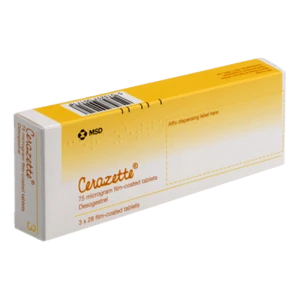
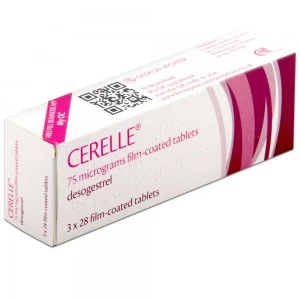
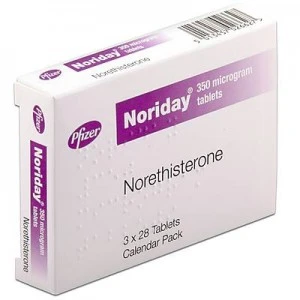
All inclusive service
No hidden fees

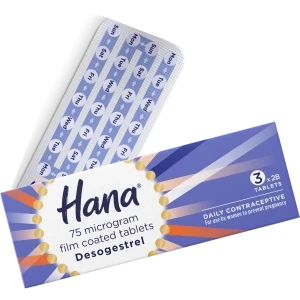
Prices from £9.99
Review More Prices
Your privacy is important, Prescription Doctor are committed to keeping your details completely confidential.
This is why we also take steps to conceal your prescription products under two layers of packaging.
We have a commitment to delivering a discreet service and understand your need for privacy. We ship all orders via a trackable courier using discreet, plain packaging.
Once your order is dispatched you will receive a tracking number via sms and email.
We deliver medications between Monday and Saturday. You can upgrade to Saturday delivery on Friday.
You should receive a tracking number with your order which you can use this number to track your parcel online. This should give you a clear indication of where your parcel is. If you haven’t received your parcel in the time frame given by our couriers, contact your local depot to find out where it is. You can also contact our support team who will do this for you.
On checkout you will be asked to leave your mobile number so our courier can text you about the delivery. This is also useful if the courier has problems finding your address. We will not use your mobile number for anything else.
You can pay for your order using credit, debit card or via bank transfer.
If you don’t have a credit or debit card you can pay via bank transfer. We will give you a unique reference number at checkout along with details of how to make the transfer. Once the money has cleared in our account, we will process your order.
We are a completely secure site and take many measures to ensure your details are kept safe. We understand that you have a right to extreme privacy when purchasing sensitive health medications. All information that you provide to us is stored on our secure servers. Any payment transactions will be encrypted using SSL technology.
You can pay for your order using credit, debit card and bank transfer.
Card Payment: Please notify us that you wish to cancel your order. Your refund will show available In 1 - 3 days.
Bank Transfer: A member of our team will contact you requesting for your bank details. These details are only used to transfer the funds back into your account.
Hana is one of the first contraceptive pills to be available over the counter without a prescription from a clinician. However, a clinician or pharmacist will still need to assess if it is safe and suitable for you by asking you some questions about your health. Hana contains one active ingredient, desogestrel, a synthetic progestogen, making it a progestogen-only or mini pill. Each pill contains 75 micrograms (mcg) of desogestrel, and when it is taken correctly, it is more than 99% effective at preventing pregnancy.
Because Hana does not contain oestrogen, it may be a good option for women who may not be able to use the combined pill, perhaps because they have high blood pressure or are over 35 and smoke or would prefer not to take a synthetic oestrogen.
Making effective contraception easier to access can help more people find a method that works for them and use it consistently. The introduction of over-the-counter progestogen-only pills, such as Hana, gives women in the UK another way to access reliable contraception without needing a prescription.
To illustrate this point, a 2020 study found that women who received an over-the-counter mini pill, like Hana, alongside emergency contraception and rapid access to a sexual health clinic were 20% more likely to be using effective contraception 4 months later than those given emergency contraception only. This suggests that it could prevent unintended pregnancy following the use of emergency contraception, like the morning-after pill.
By allowing women to obtain a progestogen-only pill over the counter, Hana can help make contraception more convenient and accessible. The fact that you can buy the medication online from reputable pharmacies such as Prescription Doctor and have it delivered directly to your door adds to the convenience. All of this may support continued contraceptive use and contribute to reducing the number of unintended pregnancies.
Hana birth control pills contain the active ingredient desogestrel, a synthetic progestogen that works to prevent pregnancy in 3 ways:
The Hana pill will not protect you against sexually transmitted infections (STIs), it is only designed to stop you from getting pregnant. The most effective way to protect you and your partner from STIs such as chlamydia and gonorrhoea is to use a condom every time you engage in sexual activity.
Hana starts to work immediately if you start taking it on day 1 of your period. If you start taking it at any other time during your menstrual cycle, you will need to use condoms for 7 days until Hana becomes effective.
When taken perfectly, Hana is more than 99% effective at preventing pregnancy. However, when typical use is considered, which includes factors such as forgetting to take your pill or being sick or having severe diarrhoea, it is closer to being 91% effective. In reality, this means that every year 9 in 100 Hana users will get pregnant.
One study comparing the effectiveness of a 75 mcg desogestrel mini pill with a 30 mcg levonorgestrel equivalent found that, over a year, one in 727 women became pregnant in the desogestrel group, compared with three in 257 in the levonorgestrel group. This demonstrates that, when taken correctly, Hana is over 99% effective.
Hana pills should be taken once daily at the same time every day. This ensures that each pill is taken 24 hours apart. Each strip contains 28 pills, and you should swallow each pill whole with a glass of water if needed.
To take Hana, you should:
You may experience some vaginal bleeding while taking Hana, especially when you first start taking it. If you do, you should keep taking Hana as normal without stopping. If you are concerned about vaginal bleeding, speak to your clinician for advice.
If you have not used any hormonal contraception in the previous month, then you should start taking Hana on day 1 of your period. If you follow these instructions, you will be protected from pregnancy straight away and will not need to use any additional contraception.
If you start taking Hana on days 2 to 5 or any other time during your menstrual cycle, you will need to use an additional barrier contraception, like condoms, for the first 7 days of taking Hana.
If you are switching to Hana from a combined pill and you have had a pill-free break, take your first Hana pill on the day after your break. If you have inactive pills in your current pack, take Hana the day after you have finished the inactive pills. In either case, you must use condoms for the first 7 days of taking Hana.
If you have not had a break or you have not yet started your inactive pills, start Hana the day after taking your last pill in the strip or the last active pill. If you are not sure which pills are active or inactive, a pharmacist can help. If you start Hana following these instructions, you do not need to use extra contraception and will be protected against pregnancy straight away.
You can switch from another mini pill to Hana on any day. Start taking Hana on the day after you stop your other pill. You will not need to use extra contraception.
If you are switching to Hana from a contraceptive ring or skin patch, you should use the following instructions:
If you forget to take the Hana contraceptive pill, what you should do will depend on when you should have taken the missed pill.
If you have missed one or more pills in the very first week of taking Hana and had sex in the week before missing the tablets, the risk of pregnancy is increased. You should speak to a clinician for advice, as you may need to use emergency contraception.
If your period is late after missing any pills or you think you might be pregnant, take a pregnancy test. If you are pregnant, you must stop taking Hana and see a doctor.
If you take more Hana pills than you should have, it is unlikely to cause you serious harm. However, you may experience side effects, such as feeling or being sick, and vaginal bleeding, especially in young girls. If you are concerned or you have any of these symptoms, contact a doctor or pharmacist for advice.
If you vomit within 3 to 4 hours of taking Hana, or you have severe diarrhoea, the active ingredient may not have been properly absorbed, and you may not be protected against pregnancy. If this happens, you should follow the missed pill guidance in the Patient Information Leaflet.
You should use an additional contraception method, such as condoms, for the duration of the illness and for the first 7 days of normal pill taking. If you are unsure about what to do, a doctor or pharmacist can help.
Before taking Hana, it is important that you understand the potential side effects and cautions associated with taking it, so you know what to expect.
Hana, like all medications, can cause side effects, although there is no guarantee you will get them. Most people find that side effects are temporary and mild, and usually improve within 3 months of starting Hana once their body has got used to desogestrel.
Common (may affect up to 1 in 10 women) | Uncommon (may affect up to 1 in 100 women) | Rare (may affect up to 1 in 1,000 women) |
|---|---|---|
| Altered or depressed mood Reduced sex drive (libido) Headache Feeling sick (nausea) Acne Breast pain Irregular or absent periods Weight gain | Vaginal infections Difficulties wearing contact lenses Being sick (vomiting) Hair loss Painful periods Ovarian cysts Tiredness | Rash Hives Painful blue-red skin lumps (erythema nodosum) |
This is not an exhaustive list of Hana side effects. For this, you must read the patient information leaflet that comes with your medication, or view it online.
It is important to report any side effects you get while taking Hana, including any that aren’t listed, to your doctor, pharmacist or the Yellow Card Scheme, as this will help provide information about the safety of Hana.
When taking Hana, you are likely to experience changes to your period. These changes are usually normal, and you should continue taking Hana exactly as it is prescribed. Some of the changes you might notice are:
If you experience any of the following changes, you should contact your doctor or family planning nurse, but continue to take Hana as usual, unless you are advised to stop taking it:
While taking Hana, there is a small increase in the risk of developing a blood clot (thrombosis). However, this risk is lower than it is with combined contraceptive pills. It's also important to remember that blood clots can occur in people who do not use hormonal contraception and during pregnancy.
If you have previously had a blood clot or have a family history of blood clots, you should tell your clinician during your consultation. This will help them assess whether Hana is a suitable contraceptive option for you.
Because progestogen-only pills carry a lower risk of blood clots than combined pills, they may be a more appropriate choice for people over the age of 35 who smoke. That said, smoking is associated with a range of serious health risks, so stopping smoking is strongly recommended. Our quit smoking service can help you find the most suitable treatment and support.
Breast cancer is uncommon in women under the age of 40, but the likelihood of developing it increases with age. You should contact your doctor promptly if you notice any new breast lumps, changes in breast shape or size, skin changes, or unusual nipple discharge.
Women using any type of contraceptive pill have a slightly higher chance of being diagnosed with breast cancer compared with women of the same age who do not use hormonal contraception. For progestogen-only pills such as Hana, the risk is thought to be similar to that associated with combined contraceptive pills, although further research is needed to confirm this. However, when you stop taking the pill, within 10 years, your risk of getting breast cancer is the same as that of someone who has never taken the pill before.
The increase in risk appears to be linked more closely to a woman's age than to the length of time she has been taking the pill.
Scenario | Number of extra cases found up to 10 years after stopping | The usual incidence of breast cancer in this age group (out of 10,000 people) |
|---|---|---|
Every 10,000 people who take the pill for up to 5 years, but stop by the age of 20.
| 1 | 4 |
Every 10,000 people who take the pill for up to 5 years, but stop by the age of 30.
| 5 | 44 |
Every 10,000 people who take the pill for up to 5 years, but stop by the age of 40.
| 20 | 160 |
Despite Hana being an effective birth control method, it may not be suitable for everyone. It’s important to tell your clinician during your consultation about any health conditions you have or medications you are taking, so they can assess whether Hana is safe and suitable for you.
You should not take Hana if you:
If any of these apply to you, our clinicians may suggest an alternative contraception method. For example, a different mini pill or a combined contraceptive might be more suitable depending on your medical history.
Before taking Hana, tell the clinician if you have:
If any of these apply to you, you may still be able to take Hana, but your doctor may want to see you more often.
Some medications can make Hana less effective or potentially unsafe. You should tell the clinician about any medications you are taking, including prescription, over-the-counter, and herbal medications, before starting Hana.
Tell the clinician if you are taking any medications to treat:
If you are taking any of these medicines for a short period, you can continue taking Hana, but you must use extra contraception, such as condoms, every time you have sex and until 28 days after stopping the last dose of the other medicine or herbal remedy.
If you are taking any of these medicines for long-term treatment of a condition, you must speak to your doctor for further advice.
You should also tell the clinician if you are taking medications to treat:
Some medicines can affect the amount of Hana in your blood. Tell your clinician and use condoms if you are receiving treatments for:
Speak to a clinician or pharmacist about restarting Hana after taking emergency contraception. This is because how you proceed will depend on the type of morning-after pill you have used.
If you have taken a morning-after pill containing ulipristal acetate, such as ellaOne, the combination of this with Hana can affect both medicines, which can increase the risk of pregnancy. If you have used an emergency contraceptive containing ulipristal acetate during your cycle, you must wait 5 days after taking it before taking Hana.
You will also need to use condoms every time you have sex during the 5 days while you wait to start Hana and for the first 7 days of taking Hana. That means you must use condoms each time you have sex for 12 days after taking the morning-after pill.
If you have taken emergency contraception containing levonorgestrel, such as Levonelle, during your cycle, you can start or continue taking Hana the same day, but you must use additional contraception, such as condoms, every time you have sex for the next 7 days.
You must not take Hana if you are pregnant or think you may be pregnant. Take a pregnancy test or speak to a doctor, pharmacist, or family planning nurse if your period is late after missing any pills or if you think you may be pregnant. If you become pregnant, stop taking Hana and see a doctor.
Hana may be taken while you are breastfeeding, but you must speak to a doctor, nurse, or pharmacist first. The active ingredient in Hana, desogestrel, does not appear to affect breast milk production or quality. However, some people have reported a reduction in breast milk production while taking desogestrel. A small amount of the active ingredient may pass into your breast milk. If you are concerned, speak to a doctor or pharmacist for more advice.
Yes, Hana is considered safe if a clinician has agreed it is suitable for you. Hana is well tolerated by many women, but it may not be suitable for everyone. For example, it is not recommended for anyone who has a type of cancer that is affected by progestogen hormones, such as some types of breast cancer, if you have unexplained vaginal bleeding, or a history of blood clots.
This is why our clinicians will review the information you provide in your online medical questionnaire to determine whether the Hana pill is suitable for your circumstances.
Yes, a common side effect of the Hana pill is that it can stop periods in many people who take it, but it affects different people in various ways. It can make your periods lighter, less frequent, or irregular. If you have any concerns about your periods while taking Hana, speak to a doctor for advice.
Although weight gain is listed as a common Hana side effect affecting up to 1 in 10 people, there is no strong scientific evidence to support this. Some people may notice fluctuations in their weight while taking Hana because of appetite changes, fluid retention, or certain lifestyle factors.
You can limit the impact on your weight by following a healthy, balanced diet and getting regular exercise. Our clinicians can also help you explore weight loss treatments.
Yes, there are several alternatives to Hana if it is not suitable for you or if you would prefer a different type of contraception. The best option will depend on your medical history, lifestyle, and personal preferences.
If you've had unprotected sex or your regular contraception has failed, our clinician can provide emergency contraception, including the morning-after pill, to help reduce the risk of pregnancy.
Store Hana below 30°C and keep it out of the sight and reach of children. Once opened, the tablets should be used within 3 months. Do not take Hana after the expiry date shown on the packaging. If you have unused tablets, ask your pharmacist how to dispose of them safely to help protect the environment.
Yes, you can buy Hana online from reputable online services like Prescription Doctor. Although it is a pharmacy medicine (meaning you do not need a prescription to get it), you will need to complete a short online consultation so that our clinicians can ensure Hana is suitable for you.
If your request is approved before 3 pm on a Monday to Friday, we will dispatch your medication using our next-day delivery service. Your medication will always be sent in plain, discreet packaging, and all our medicines are licensed in the UK and dispensed by our General Pharmaceutical Council-registered pharmacy.
Product Name: Hana
Active Ingredient(s): Desogestrel
Company: HRA Pharma
Description: The mini pill releases progestogen and works to prevent pregnancy
Exemption: Pharmacy medicine, available without prescription after pharmacist suitability assessment
Administration: Oral
Presentation: Pills
Available Strength: 75 micrograms of desogestrel
Application: Women over 18 (this is a Prescription Doctor requirement)
Dosage: Take one 75 mcg tablet once daily at the same time each day, without a break between packs
Alcohol Consumption: No influence
When Pregnant: Do not take. Speak to your doctor for further advice.
When Breastfeeding: May be used while breastfeeding. Speak to your pharmacist, doctor, or family planning nurse for further advice.
Prices From: 9.99 GBP
© 2013 - 2026 Al Muhsineen Limited. All Rights Reserved. Registered Pharmacy: 34 Halliwell Road, Bolton BL1 8RL. Registered Office: 254 First Floor, Shearbrow, Blackburn, England, BB1 8DS
Don't have an account?
Your account will be automatically created after placing your first order.