All inclusive service
No hidden fees

Prices from £14.99
Review More Prices
Your privacy is important, Prescription Doctor are committed to keeping your details completely confidential.
This is why we also take steps to conceal your prescription products under two layers of packaging.
We have a commitment to delivering a discreet service and understand your need for privacy. We ship all orders via a trackable courier using discreet, plain packaging.
Once your order is dispatched you will receive a tracking number via sms and email.
We deliver medications between Monday and Saturday. You can upgrade to Saturday delivery on Friday.
You should receive a tracking number with your order which you can use this number to track your parcel online. This should give you a clear indication of where your parcel is. If you haven’t received your parcel in the time frame given by our couriers, contact your local depot to find out where it is. You can also contact our support team who will do this for you.
On checkout you will be asked to leave your mobile number so our courier can text you about the delivery. This is also useful if the courier has problems finding your address. We will not use your mobile number for anything else.
You can pay for your order using credit, debit card or via bank transfer.
If you don’t have a credit or debit card you can pay via bank transfer. We will give you a unique reference number at checkout along with details of how to make the transfer. Once the money has cleared in our account, we will process your order.
We are a completely secure site and take many measures to ensure your details are kept safe. We understand that you have a right to extreme privacy when purchasing sensitive health medications. All information that you provide to us is stored on our secure servers. Any payment transactions will be encrypted using SSL technology.
You can pay for your order using credit, debit card and bank transfer.
Card Payment: Please notify us that you wish to cancel your order. Your refund will show available In 1 - 3 days.
Bank Transfer: A member of our team will contact you requesting for your bank details. These details are only used to transfer the funds back into your account.
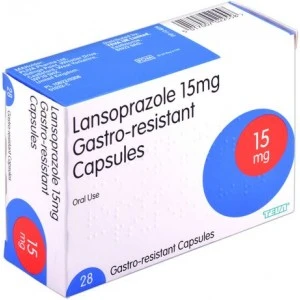
Lansoprazole is a generic medication that is used to treat heartburn and other gastro-oesophageal reflux disease (GORD) symptoms. It belongs to a group of medications called proton pump inhibitors (PPIs) that work by reducing the amount of stomach acid your body produces.
Lansoprazole is available in hard capsules that you swallow or as an orodispersible tablet that dissolves on the tongue and releases microgranules that are swallowed. You may find the latter a more suitable option if you have difficulty swallowing tablets or capsules. Lansoprazole orodispersible tablets are also available under the brand name Zoton FasTab.
Lansoprazole is used to reduce stomach acid production and treat acid-related conditions, such as:
Lansoprazole works by reducing stomach acid production. It does this by acting on the tiny proton pumps in the stomach lining. By blocking these pumps, lansoprazole stops them from secreting acid into the stomach and helps to reduce irritation. Together, this helps relieve symptoms like heartburn and gives damaged tissues in the stomach, oesophagus, and duodenum (small intestine) time to heal.
Most people find that their symptoms improve within 2 to 3 days of starting lansoprazole, but it can take up to 4 weeks to feel the full benefits, especially if you have damaged cells or stomach or duodenal ulcers.
Clinical trials have shown that lansoprazole effectively relieves heartburn by reducing stomach acid production. A single oral dose of 30mg of lansoprazole has been shown to reduce acid secretion by around 70% and can relieve symptoms as soon as the first dose is taken.
In another study, lansoprazole was shown to maintain remission from erosive oesophagitis, a condition that causes inflammation and wearing away of the inner lining of the oesophagus, in 75% of people. By the end of the study, 94 to 95% of people had no or mild heartburn symptoms during the day or night. The study showed that lansoprazole is effective and well tolerated for long-term use.
How you take lansoprazole will depend on whether you are taking hard capsules or orodispersible tablets. However, you'll usually take it once per day, usually first thing in the morning. Take it exactly as your clinician has prescribed.
Swallow the gastro-resistant capsule whole with a glass of water. It is important that you do not crush or chew the capsule, as this could stop the active ingredient from working properly. If you have been prescribed lansoprazole once per day, you should take it at the same time every day. For best results, take it first thing in the morning. Ensure that you take it 30 minutes before food.
If you have been prescribed lansoprazole twice a day, you should take one dose in the morning and one dose in the evening.
Similar to the gastro-resistant capsules, you'll usually be prescribed lansoprazole orodispersible tablets once a day. Try to take them at the same time each day, but you'll likely get the best results if you take them first thing in the morning. Take them 30 minutes before food.
Lansoprazole orodispersible tablets break easily, so it is important to handle them carefully and avoid touching them with wet hands, as they may break up.
Lansoprazole orodispersible tablets are available in push-through or peelable blister packs. To take lansoprazole orodispersible tablets, you should:
Lansoprazole can also be taken using an oral syringe or a nasogastric tube. If you have been prescribed lansoprazole in this way, please read the Patient Information Leaflet for more information.
Lansoprazole may be prescribed in several doses depending on why you are taking it. The usual lansoprazole doses are as follows:
Reason for Treatment | Usual Dosage |
|---|---|
| Heartburn and acid reflux | One 15 or 30 mg capsule or orodispersible tablet every day for 4 weeks |
| Duodenal ulcer | One 30 mg capsule or orodispersible tablet every day for 2 weeks |
| Stomach ulcer | One 30 mg capsule or orodispersible tablet every day for 4 weeks |
| Inflammation of the oesophagus | One 30mg capsule or orodispersible tablet every day for 4 weeks |
| Long-term prevention of reflux oesophagitis | One 15 or 30 mg capsule or orodispersible tablet every day, depending on prescriber's instructions |
| H. pylori infection | One 30 mg capsule or orodispersible tablet in combination with two different antibiotics in the morning and one 30 mg orodispersible tablet or gastro-resistant capsule in combination with two different antibiotics in the evening, usually every day for 7 days |
| Treatment of duodenal or stomach ulcer in patients requiring continued NSAID treatment | One 30 mg capsule or orodispersible tablet every day for 4 weeks |
| Prevention of duodenal or stomach ulcer in patients requiring continued NSAID treatment | One 15 mg capsule or orodispersible tablet every day. Your clinician may adjust this dose to 30 mg per day. |
| Zollinger-Ellison syndrome | The usual dose is two 30 mg capsules or orodispersible tablets every day to start, then, depending on how you respond to Lansoprazole, the dose your clinician decides is best for you |
If you forget to take lansoprazole, take it as soon as you remember unless it is nearly time for your next dose. If it is, skip the missed dose and take the remaining capsules or orodispersible tablets as normal. You must not take a double dose to make up for a forgotten dose.
If you take too much lansoprazole, contact your doctor for advice straight away.
If your symptoms have improved, do not stop treatment early, as your condition may not have fully healed and may return if you do not finish your course of treatment.
If you have concerns about your treatment, speak to your clinician for advice.
Lansoprazole has the potential to cause side effects in some people. However, you should read the Patient Information Leaflet that comes with your medication and discuss any concerns with your clinician. Understanding the potential adverse effects of lansoprazole will help you manage them better and know when you may need to get medical attention.
Lansoprazole does not cause side effects in everyone, and when it does, they are often mild, temporary, and easy to manage at home. The side effects are similar whether you take the gastro-resistant capsules or orodispersible tablets because they contain the same active ingredient.
Common (occur in more than 1 in 100 patients) | Uncommon (occur in less than 1 in 100 patients) | Rare (occur in less than 1 in 1,000 patients) |
|---|---|---|
|
|
More details about the possible side effects of Lansoprazole can be found within the Patient Information Leaflets enclosed with the medication. The above table does not cover more rare adverse reactions or those where the frequency cannot be estimated from the available data, so checking these leaflets is essential.
If you experience any side effects while taking Lansoprazole gastro-resistant capsules or orodispersible tablets, you can report them to your clinician or via the MHRA's Yellow Card scheme. Doing so could help provide more information about the medication's safety profile.
You should stop taking lansoprazole immediately and contact your doctor or go to A&E if you get any of the following side effects:
If you take lansoprazole for more than three months, it can cause low magnesium levels in your blood. Symptoms of low magnesium include:
If you get any of these symptoms, you must tell your doctor straight away. Low magnesium levels can also cause a reduction in potassium or calcium levels in the blood, so you may need regular blood tests to monitor your magnesium levels.
Although Lansoprazole is an effective treatment for heartburn, it may not be suitable for everyone. It could interact with other medicines you are taking or be unsafe if you have certain medical conditions or intolerances. For example, you should not take the treatment if you are allergic to lansoprazole or any of the other ingredients in the treatment.
Before taking lansoprazole, tell the clinician if you:
Before taking lansoprazole, you should tell your clinician if you are taking any prescribed, over-the-counter, or herbal medications because they may interact with each other. You should especially let them know if you are taking:
Some people experience symptoms such as dizziness, vertigo, tiredness, and visual disturbances when taking lansoprazole. If you experience any of these side effects, consider avoiding driving or operating machinery until they pass and you feel better.
If you are pregnant, thinking of getting pregnant, or breastfeeding, you should speak to a doctor before taking lansoprazole. Although it may be possible to take lansoprazole during pregnancy, you'll usually be prescribed omeprazole instead because there is more known about the safety of omeprazole during pregnancy.
Lansoprazole can usually be taken when breastfeeding, but it is best to check with a doctor first because a small amount of the medication can pass into your breast milk. For this reason, you may be prescribed omeprazole or pantoprazole instead.
Lansoprazole is a prescription-only medication that can only be obtained with a valid prescription from a registered clinician, either privately or via the NHS. It cannot be bought without a prescription.
No, lansoprazole is strictly a prescription-only medication, which means it cannot be bought over the counter. However, alternative over-the-counter heartburn medications are available, including a low-dose 20 mg pantoprazole tablet, but you will still need a short consultation with a pharmacist so they can check that it is safe for you.
Yes, you can get lansoprazole on the NHS, but you will need a prescription from a healthcare professional to get it. You'll need to make an appointment with your GP to discuss your symptoms so they can assess whether lansoprazole is suitable for you. If it is, you'll need to pay the current NHS prescription charge if you pay for your prescriptions.
Yes, you can buy lansoprazole online from a registered UK online pharmacy service like Prescription Doctor. To get it, you'll need to complete a short online medical questionnaire for our clinician to review to ensure it is safe for you.
If it is, we will dispatch your medication in plain, discreet packaging to maintain your confidentiality, and you can receive it as early as the next day.
No. Lansoprazole and omeprazole both belong to the same family of medicines, but they are not the exact same drug. However, they are very similar: both are proton pump inhibitors (PPIs) that lower stomach acid to treat acid reflux, heartburn, and stomach ulcers.
No, lansoprazole is not an antacid. Lansoprazole belongs to a group of medicines called proton pump inhibitors (PPIs). It works by blocking the tiny pumps in the stomach lining that produce acid. An antacid, on the other hand, neutralises the acid already in the stomach, rather than reducing its production.
Yes, lansoprazole is a proton pump inhibitor. Proton pump inhibitors are a group of medicines that work to lower the acid created in the stomach by blocking the actions of the proton pumps in the stomach lining. This helps to treat acid reflux, heartburn, and stomach ulcers. Proton pump inhibitors are used for long-term relief.
Lansoprazole has a relatively short half-life, meaning it takes only 1 to 2 hours for the amount of medication in your body to reduce by 50%. As a result, it will likely be out of your system in less than 24 hours. However, its acid-suppressing effects on the stomach last much longer.
No common side effects list shows that lansoprazole causes weight gain. However, some long-term users report mild weight changes. This can occasionally signal rare or serious medical issues, such as fluid retention or kidney inflammation.
Yes, taking lansoprazole can cause bloating. Recognised side effects of lansoprazole include bloating, gas, and flatulence. However, lansoprazole in some cases is also prescribed to treat underlying acid-related stomach conditions that can themselves cause bloating.
No, there are no direct chemical interactions that take place between lansoprazole and alcohol. However, alcohol can increase the production of stomach acid, which can counteract lansoprazole's actions. This additional acid can irritate your stomach lining, hindering the healing from your medication.
For this reason, you should consider reducing or avoiding alcohol while taking lansoprazole to allow your cells to heal fully.
Yes, lansoprazole can be taken at night. It is normally prescribed as a medication taken in the morning and recommended to be taken about 30 minutes before you have breakfast. However, it may be prescribed to be taken in the evening if you suffer from severe nighttime reflux, or it may be prescribed twice a day.
Your clinician will advise you on the best time to take it based on your symptoms.
Yes, you can take Gaviscon with lansoprazole, but they should not be taken at the exact same time. You should avoid taking Gaviscon for two hours before or after taking lansoprazole. This is because antacids, like Gaviscon, can stop the body from absorbing medications like lansoprazole.
How you store lansoprazole depends on whether you are taking capsules or orodispersible tablets. Do not store lansoprazole gastro-resistant capsules above 25°C. Store both the capsules and orodispersible tablets in their original packaging in a dry place, away from moisture and heat, and out of direct sunlight. For the orodispersible tablets, you must use them within 100 days of opening if they are supplied in a bottle. Always keep medication out of reach of children.
© 2013 - 2026 Al Muhsineen Limited. All Rights Reserved. Registered Pharmacy: 34 Halliwell Road, Bolton BL1 8RL. Registered Office: 254 First Floor, Shearbrow, Blackburn, England, BB1 8DS
Don't have an account?
Your account will be automatically created after placing your first order.