Omeprazole

In Stock

Prices from £9.99
Review More Prices

Get Started
You must complete a short online consultation so that our prescriber can ensure that the treatment is suitable for you.
Order now to receive your order Friday, June 19
All inclusive service
No hidden fees

Next day delivery
Discreetly packaged
Discreet delivery
Prescriber available
Prescriber assess you online
How to order
  1. Click on the green "Get Started" button, then click "Start Consultation" button on the next page.
  2. Fill in our short consultation form.
  3. Choose delivery method and mode of payment.
  4. Our team of expert prescribers will assess whether medication is suitable.
  5. If you get the green light and it is deemed suitable, your order will be processed quickly and efficiently.
Confidential Service

Your privacy is important, Prescription Doctor are committed to keeping your details completely confidential.

This is why we also take steps to conceal your prescription products under two layers of packaging.

Delivery and Packing
Discreet Delivery?

We have a commitment to delivering a discreet service and understand your need for privacy. We ship all orders via a trackable courier using discreet, plain packaging.

Do I Need to Wait in All Day for Delivery?

Once your order is dispatched you will receive a tracking number via sms and email.

Do You Deliver on Weekends?

We deliver medications between Monday and Saturday. You can upgrade to Saturday delivery on Friday.

My Order Hasn’t Arrived What Should I Do?

You should receive a tracking number with your order which you can use this number to track your parcel online. This should give you a clear indication of where your parcel is. If you haven’t received your parcel in the time frame given by our couriers, contact your local depot to find out where it is. You can also contact our support team who will do this for you.

Can I Be Notified by Text?

On checkout you will be asked to leave your mobile number so our courier can text you about the delivery. This is also useful if the courier has problems finding your address. We will not use your mobile number for anything else.

Payment Methods
How Can I Pay for My Order?

You can pay for your order using credit, debit card or via bank transfer.

I Don’t Have a Credit Card, How Can I Pay?

If you don’t have a credit or debit card you can pay via bank transfer. We will give you a unique reference number at checkout along with details of how to make the transfer. Once the money has cleared in our account, we will process your order.

How Do You Keep My Details Safe?

We are a completely secure site and take many measures to ensure your details are kept safe. We understand that you have a right to extreme privacy when purchasing sensitive health medications. All information that you provide to us is stored on our secure servers. Any payment transactions will be encrypted using SSL technology.

Payment and refunds?

You can pay for your order using credit, debit card and bank transfer.

Card Payment: Please notify us that you wish to cancel your order. Your refund will show available In 1 - 3 days.

Bank Transfer: A member of our team will contact you requesting for your bank details. These details are only used to transfer the funds back into your account.

Patient Reviews: How Omeprazole Has Made a Difference

Treatment Information

Table of contents:

What is Omeprazole?

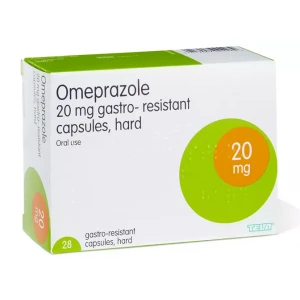
Omeprazole is a proton pump inhibitor. It is used for the treatment of several conditions of the stomach and oesophagus resulting from excessive stomach acid. Omeprazole is typically used to treat frequent heartburn and gastro-oesophageal reflux disease (GORD) and is available under a range of brand names, including Losec and Prilosec.

By inhibiting proton pumps in stomach-lining cells, omeprazole prevents excessive acid secretion, thus treating conditions such as:

  • Heartburn
  • Acid reflux
  • Indigestion
  • Stomach ulcers
  • Gastro-oesophageal reflux disease (GORD)
  • Zollinger-Ellison syndrome

Understanding Heartburn?

Heartburn is a primary symptom of acid reflux and GORD. It occurs when stomach acid flows back into the oesophagus, resulting in a burning sensation in the chest. The backflow of acid has an easy passage if the lower oesophageal sphincter is weakened, which means it easily relaxes and opens up.

Acid reflux can be quite painful and uncomfortable. If left untreated, frequently recurring acid reflux may cause severe damage to the oesophageal tissue.

Symptoms of heartburn include:

  • Burning pain in the chest
  • Pain at the back of the throat
  • Recurrent coughing or hiccups
  • Sour taste in the mouth

While acid reflux itself is not a serious condition, stomach acid can damage the cells in the oesophagus, which carries risks of further complications, such as Barrett's oesophagus. Speak to your doctor if you are concerned about developing Barrett's oesophagus as a result of chronic gastroesophageal reflux disease (GERD).

There are steps you can take to prevent heartburn from developing, such as:

  • Avoid foods that might trigger heartburn or indigestion.
  • Avoiding lying down straight after a meal
  • Eating your food slowly
  • Reduce the amount of food you eat before bed

Other possible causes of heartburn include:

  • Anti-inflammatory medicines (such as Ibuprofen)
  • Pregnancy
  • Smoking
  • Stress

If you suspect a medication you are taking is causing acid reflux, speak to your doctor or ask a pharmacist for advice. They may be able to prescribe or recommend a heartburn treatment for you, like Omeprazole.


How Does Omeprazole Work?

Omeprazole is a proton pump inhibitor (PPI) that blocks the cells in the lining of the stomach, thereby reducing the amount of acid produced in the stomach.

By reducing the amount of acid produced by the stomach, Omeprazole reduces the chances of acid reflux occurring.


How Do I Take Omeprazole?

Your doctor will determine a suitable starting dose of Omeprazole for you and how frequently you should take it.

Always follow the doctor's prescription when taking Omeprazole.

The recommended dose, unless prescribed otherwise by your doctor, is as follows:

  • 10 mg once a day for 4-8 weeks if the gullet has not been damaged
  • 20 mg once a day for 4-8 weeks for a slightly damaged gullet. This dosage will be lowered to 10 mg a day after the gullet heals.

When Should I Take Omeprazole?

You should take Omeprazole in the morning, with or without food.

Omeprazole capsules should be swallowed whole with a glass of water.

The doctor may adjust the dosage as needed, depending on your response to the treatment.

What Should I Do If I Forget to Take Omeprazole?

If you forget to take Omeprazole at the scheduled time, take it as soon as you remember.

Do not take more Omeprazole to make up for a missed dose.

What Should I Do If I Take More Omeprazole Than I Should?

Speak to your doctor or pharmacist right away if you accidentally take more Omeprazole than prescribed.

Taking more Omeprazole than you should is unlikely to treat your condition any more effectively, but may increase your risk of side effects.

If you are unsure how much Omeprazole to take, ask your doctor or refer to the patient information leaflet.


Omeprazole Side Effects and Cautions

Before taking Omeprazole, we recommend that you read the patient information leaflet (PIL) enclosed with your medicine.

The patient information leaflet contains important information about taking and storing Omeprazole, including a complete list of side effects, ingredients, and instructions on what to do if you experience an allergic reaction.

You can view the patient information leaflet for Omeprazole online.

Omeprazole Allergies

Do not take Omeprazole if you are allergic to any of the ingredients used to make Omeprazole or are allergic to any other medication belonging to the proton pump inhibitor (PPI) class, such as lansoprazole.

If you experience any signs of an allergic reaction, stop taking Omeprazole and consult your doctor immediately. If you experience a severe reaction, go straight to your nearest A&E department immediately. Take the medicine and packaging with you so the doctors can assess what you took and how much you took.

Signs of an allergic reaction may include:

  • Swelling of the lips, face, tongue and throat
  • Difficulty breathing
  • Difficulty swallowing
  • Raised, lumpy rash (hives)

Who Should Not Take Omeprazole?

Omeprazole may not be suitable for you. If you are unsure whether this medicine is safe for you, ask one of our doctors or a qualified pharmacist for advice.

Do not take Omeprazole if you are currently on any medication containing nelfinavir.

Omeprazole may interact with other medications, affecting their effectiveness. Ensure that you speak to your doctor about any medication you are currently taking, including those bought over-the-counter, on prescription, and health or dietary supplements.

Omeprazole During Pregnancy and Breastfeeding

If you are pregnant, think you might be pregnant, or plan on becoming pregnant soon, speak to your doctor or a pharmacist for advice on whether the benefits of this medicine outweigh any potential risks posed to you or your unborn child.

Inform your doctor if you are breastfeeding, so they can determine whether this medicine is safe for you.

Omeprazole Side Effects

All medicines carry the potential risk of side effects, although not everyone experiences them. Before you begin treatment with any medicine, familiarise yourself with the side effects listed in the patient information leaflet (PIL) enclosed with your medicine.

Common side effects of Omeprazole may include:

  • Benign stomach polyps
  • Constipation
  • Diarrhoea
  • Flatulence
  • Headache
  • Nausea
  • Stomach ache
  • Vomiting

Uncommon Omeprazole side effects may include:

  • Changes in blood tests that check how the liver works
  • Dizziness
  • Fatigue (tiredness)
  • Fracture of the hip, wrist, or spine.
  • Generally feeling unwell (malaise)
  • Insomnia
  • Itchy, raised, lumpy rash (Hives)
  • Swelling of the feet and ankles
  • Tingling of the extremities (pins and needles)
  • Vertigo (spinning sensation)

Rare Omeprazole side effects may include:

  • Agitation
  • Blurred vision
  • Change in the sensation of taste
  • Changes in mood
  • Confusion
  • Decreased levels of sodium in the blood, causing cramps, vomiting and weakness.
  • Depression
  • Dry mouth
  • Hair loss
  • Increased perspiration (sweating)
  • Inflammation inside the mouth
  • Joint and muscle pain
  • Liver problems, including jaundice (Dark urine, tiredness and yellowing of the skin)
  • Reduced number of white blood cells or platelets, causing symptoms such as bruising, increased risk of infection, and weakness.
  • Sensitivity to sunlight
  • Thrush
  • Wheezing or shortness of breath

This is not an exhaustive list of side effects. For more information regarding the safety of this medicine, please refer to the patient information leaflet (PIL) enclosed with your medicine.

If you experience any side effects, whether listed above or in the patient information leaflet, report them to your doctor or pharmacist for advice.

Always store Omeprazole out of reach from children and pets.

Never share your medicine with anyone else, even if they are experiencing the same symptoms as you.


Where Can I Buy Omeprazole Online in the UK?

If you're considering purchasing Omeprazole online in the UK, it's essential to opt for a reliable and authorised online pharmacy. Prescription Doctor offers a secure and user-friendly platform where you can consult with healthcare professionals and order Omeprazole in various dosages.

Prescription Doctor: A Safe Way to Order Omeprazole with Discreet Packaging

Ordering Omeprazole through Prescription Doctor guarantees that you receive authentic medication from a trusted source. Our platform streamlines the process, from online consultation to discreet, tamper-proof packaging, ensuring your confidentiality.


Frequently Asked Questions About Omeprazole

Can I Buy Omeprazole Over the Counter?

Omeprazole is a prescription-only drug and is not available over the counter. However, you can buy Omeprazole online from Prescription Doctor following an online consultation with one of our doctors.

Will Omeprazole Affect My Ability to Operate Machinery or Drive?

It is very unlikely that Omeprazole will affect your ability to drive or operate machinery. Do not do either if you experience dizziness, blurred vision, or any other side effect that may affect your judgement.

Can I Drink While Taking Omeprazole?

While it is unlikely that alcohol will react with Omeprazole, you should avoid or limit alcohol consumption as it may worsen heartburn.

Will Omeprazole Affect My Contraception?

Omeprazole is unlikely to affect hormonal contraceptives, including the emergency contraceptive. If you vomit after taking Omeprazole, check the patient information leaflet supplied with your contraceptive pill for instructions on what to do.

How Long Does Omeprazole Take to Work?

Omeprazole starts to work within 2 or 3 days of taking it. However, it can take up to 4 weeks for Omeprazole to reach its maximum effectiveness.

Is Long-Term Use of Omeprazole Safe?

Taking Omeprazole - or any other proton pump inhibitor - for longer than 1 year may increase your risk of fracture to the wrist, hip or spine. If you have any concerns about taking Omeprazole for an extended period, consult your doctor or ask a pharmacist for advice.

How Can I Stop Taking Omeprazole?

You should speak to your doctor before ceasing treatment with Omeprazole. Stopping treatment for acid reflux may cause your symptoms to come back.

Can I Take Omeprazole with Gaviscon?

You can take Omeprazole with antacids, such as Gaviscon. However, you should leave at least 2 hours between taking Omeprazole and an antacid. If you are unsure whether you can take Omeprazole with another medication, consult your doctor or pharmacist for advice.

Can Omeprazole Cause Constipation?

Constipation is listed as a side effect of Omeprazole. If you experience constipation while taking Omeprazole, speak to your doctor or a pharmacist for advice on what you can do. Keeping hydrated by drinking plenty of water throughout the day can help prevent constipation.

Additional Resources

PAGE

How Long Does Omeprazole Take to Work?

Omeprazole is a widely prescribed medication for treating various stomach and oesophagus conditions, such as indigestion, stomach ulcers, and heartburn. It belongs to the class of Proton Pump Inhibitors (PPIs) and is often recommended alongside non-steroidal anti-inflammatory drugs (NSAIDs) to protect the stomach lining. This article delves into how omeprazole works and the time it takes to alleviate symptoms.How Long Does Omeprazole Take to Work?We understand that there can be nothing worse than waiting for medication to kick in when you’re suffering or in pain – so what can you expect when taking omeprazole?You should start feeling the benefits of omeprazole within 2-3 days, and most people find that their symptoms have significantly subsided by 4 weeks. However, if you feel that you are still struggling, speak to your doctor, who may be able to recommend an alternative dosage or a completely different treatment.It's essential to take Omeprazole regularly for it to be most effective. You should take Omeprazole at the same time every day. If you often forget when to take your medication, set a reminder on your phone or store your medicine in a place that will remind you to take it.{add_product_block(162)}How to Take Omeprazole?There are several ways to take omeprazole, depending on the condition it is being used to treat. If you are using over-the-counter omeprazole, here is what you need to know:Don't take over-the-counter omeprazole for longer than two weeks without first consulting your doctor.If you are taking 10mg of omeprazole, then it is typical to take just one a day in the morning.If you are finding that over-the-counter omeprazole is ineffective, speak to your doctor, who may prescribe a stronger dosage.Your doctor will decide on the safest dosage of omeprazole for you. However, the following guidelines have been taken from the NHS:For the treatment of indigestion, a dose of 10mg-20mg per day is usually sufficient.For the treatment of heartburn and acid reflux, 20mg – 40mg is normally recommended.Further uses and doses can be found in the patient information leafPlease note that this is a guideline published by the NHS and should not be interpreted as a recommendation. It is essential that you never alter your dosage without consulting your doctor first.Always seek your doctor’s advice before changing your omeprazole dosageIf you feel your current dosage of omeprazole is not effective at relieving your symptoms, speak to your doctor. You should never increase or change any medication without first seeking medical advice.In conclusion, omeprazole typically starts to show its effects within 2-3 days of beginning the medication. Most individuals experience significant relief from their symptoms by the 4-week mark. Consistency is key, so it's crucial to take omeprazole at the same time every day for optimal effectiveness. If your symptoms persist or worsen, consult your doctor for alternative treatment options or dosage adjustments.Additional ResourcesHow Effective is Omeprazole for Heartburn Relief?Omeprazole vs. Lansoprazole: What Sets Them Apart?What You Should Know About Omeprazole's Uses?SourcesNHS, 2023. NHS: OmeprazoleNetDoctor, 2023. NetDoctor: Omeprazole Uses and Action
Read more →
How Long Does Omeprazole Take to Work?
PAGE

What's the Difference Between Omeprazole and Lansoprazole?

Acid reflux - you've probably heard of it, and the chances are you will also experience it at least once in your lifetime. But how do you combat this common health complaint? Medications such as omeprazole and lansoprazole are commonly used to treat acid reflux as well as other conditions like it that involve excess stomach acid – but when it comes to telling the two drugs apart, things can become difficult.It’s no secret that the medical industry is an overwhelming one, and we’re often inundated with complex drug names, many of which sound different but do the same thing. Omeprazole and Lansoprazole are two such medications that are frequently used to treat the same conditions, but possess some subtle differences that you should be aware of before taking either.Today, we will take a look at these two medications, their uses, and the differences between them.What Are Proton-Pump Inhibitor Drugs?Proton-Pump Inhibitor (PPI) medications are a group of drugs designed to treat and prevent excess stomach acid. Although PPI medications are extremely common, they are not typically taken for long periods of time, so it is always advised to speak to your doctor before taking these medicines.Both omeprazole and lansoprazole belong to the family of PPI drugs, and although omeprazole is considered to be amongst the most well-known, both can be prescribed to aid in stomach acid-related problems.What Are Omeprazole and Lansoprazole Used to Treat?There are a number of conditions both omeprazole and lansoprazole are used to treat, and both medications can be prescribed for the same conditions. Below are some of the most common health issues for which these medications can help:IndigestionHeartburnAcid refluxStomach ulcersGastric and duodenal ulcersGastroesophageal reflux disease (GORD)Additionally to these, omeprazole can also be prescribed to treat Zollinger-Ellison syndrome. {add_product_block(162)}{add_product_block(149)} OmeprazoleLansoprazoleUseOmeprazole is most often prescribed by a doctor; however, it is possible to get the lowest strength (10mg) capsules from the pharmacy. Omeprazole can be used as a treatment or in conjunction with other medicines to aid a range of conditions involving stomach acid.Lansoprazole is another drug given to combat stomach acid levels. Similarly to omeprazole and other PPI drugs, it has the ability to prevent too much acid being produced within the stomach, which can lead to a range of unpleasant side effects.Side EffectsAlthough omeprazole doesn't come with many serious side effects, there are a few common ones that users should be aware of before starting the medication. These include:HeadachesDiarrhoeaStomach painAgain, similarly to Omeprazole, Lansoprazole is a relatively low-risk medication that rarely causes any severe side effects. However, that being said, there are some common side effects that you may experience when on this medication. These include:HeadacheNauseaDiarrhoeaVomitingWindStomach painUnderstanding the Differences Between Omeprazole and Lansoprazole?Despite the obvious similarities between omeprazole and lansoprazole, some subtle differences tell the two PPI drugs apart, and you should be clear on these before commencing any treatment.Due to the fact that both medications come from the same family of drugs, both of them work very similarly within the body. However, typically, lansoprazole is considered to be the faster-acting and more potent of the two medications, particularly in the treatment of acid reflux.However, perhaps the most notable difference between omeprazole and lansoprazole is the way other medications interact with them. Popular antacids, such as Gaviscon, are often used in conjunction with PPI medications. However, in the case of lansoprazole, antacids can actually reduce the amount absorbed by the body and, therefore, impede its effectiveness.While not severe, this can be incredibly frustrating if you are struggling, so allowing an hour between medications can help to reduce this risk.Omeprazole, on the other hand, can interact with other medications in a more harmful way, such as anticoagulant medications, where it has been found to enhance the anti-clotting effects. For these reasons, it is always best to consult a professional before taking any new medication, even if it is considered low-risk.If you are currently struggling with symptoms of excess stomach acid and are considering omeprazole or lansoprazole, you can speak with your doctor, who can advise on dosage and appropriate consumption.Additional ResourcesWhy Omeprazole is Recommended for HeartburnHow Soon Will Omeprazole Alleviate Heartburn?The Medical Uses of Omeprazole Explained
Read more →
What's the Difference Between Omeprazole and Lansoprazole?
PAGE

What Is Omeprazole Used For?

Omeprazole is a proton pump inhibitor or antacid. It is used for the treatment of several conditions of the stomach and oesophagus resulting from excessive stomach acid. Omeprazole is typically used to treat frequent heartburn and gastro-oesophageal reflux disease (GORD) and is available under a range of brand names, including Losec and Prilosec.Applications of OmeprazoleOmeprazole works by reducing the amount of acid in the stomach and helping to prevent acid reflux. It is also used to treat duodenal ulcers, which are sores in the first portion of the small intestine, as well as other conditions related to excessive stomach acid, such as Zollinger-Ellison Syndrome.Understanding the Use of Omeprazole in Treating HeartburnHeartburn is a primary symptom of acid reflux and GORD. It occurs when stomach acid flows back into the oesophagus, resulting in a burning sensation in the chest. The backflow of acid has easy passage if the lower oesophageal sphincter is weakened, which means it easily relaxes and opens up.Factors That Make Omeprazole NecessarySeveral factors can contribute to heartburn and its severity. Here is an overview of some of the more common causes of heartburn:Eating large meals or eating too quickly can lead to heartburn.Certain foods and drinks can trigger heartburn.Stress and anxiety can lead to the overproduction of stomach acid.Certain medications like NSAIDs can cause heartburn as a side effect.Pregnancy can cause heartburn.A hiatus hernia can lead to chronic heartburn.Identifying Heartburn Symptoms That Omeprazole Can TreatCommon symptoms of heartburn include:A burning sensation in the chestSour or acidic taste in the back of the throatPain or discomfort in the stomach or upper abdomenDifficulty swallowingChest painAsthma symptoms, like wheezing and difficulty breathingDietary Changes to Complement Omeprazole TreatmentThere are steps you can take to prevent heartburn from developing, such as:Avoid foods that might trigger heartburn or indigestion.Avoid lying down straight after a meal.Eat your food slowly.Reduce the amount of food you eat before bed.If you are experiencing persistent discomfort, it is essential to consult your doctor to determine the most effective management plan. They may be able to prescribe or recommend a heartburn treatment for you, like Omeprazole.Additional ResourcesWhat Makes Omeprazole a Go-To for Heartburn?Timeline for Omeprazole's Heartburn ReliefHow Do Omeprazole and Lansoprazole Differ?
Read more →
What Is Omeprazole Used For?

Treatment information

  • Product Name: Omeprazole
  • Active Ingredient(s): Omeprazole
  • Administration: Oral
  • Presentation: Tablets
  • Available Strength: 10 mg, 20 mg and 40 mg
  • Exemption: Prescription only
  • Application: Men and women over 18+
  • Dosage: Take 10 mg once daily
  • Description: Omeprazole is a heartburn treatment which works by reducing the amount of acid in the stomach
  • Drug Class: Proton pump inhibitor
  • Alcohol Consumption: Avoid or limit alcohol consumption
  • When Pregnant: Tell our doctor if you are pregnant, think you might be pregnant, or plan on becoming pregnant before taking Omeprazole
  • When Breastfeeding: Tell our doctor if you are breastfeeding before taking Omeprazole
  • Price: 9.99 GBP
  • https://www.prescriptiondoctor.com/storage/product_images_th/omeprazole-20mg_4.png
Click here to view the Omeprazole - Patient Information Leaflet

Authored By

Adil

Adil Bhaloda

Content Administrator
Adil provides governance for the online services, overseeing prescription dispensation in line with UK pharmacy standards.

Published on: 24/05/2019

Reviewed By

Mohamed Imran Lakhi

Mohamed Imran Lakhi

MPharm - Lead Pharmacist
Imran Lakhi is the superintendent pharmacist and founder at Prescription Doctor. He has been at the core of our team.

Reviewed on: 13/03/2024

Heartburn Alternatives

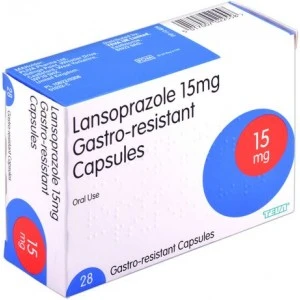
Lansoprazole

Lansoprazole

  • Reduces stomach acid
  • Taken once daily
  • Relieves heartburn symptoms quickly
View Treatment
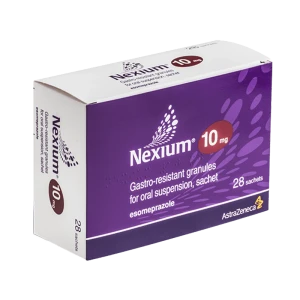
Nexium (Esomeprazole)

Nexium (Esomeprazole)

  • Prevents heartburn
  • Lasts 24 hours
  • Can be taken with or without food
View Treatment
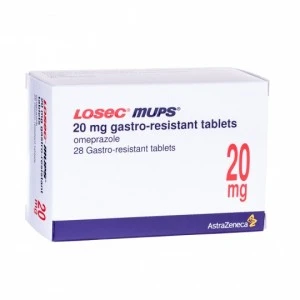
Losec

Losec

  • Treats heartburn and GORD
  • Capsules or tablets
  • Consultation with medical professional
View Treatment
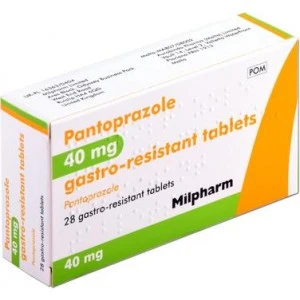
Pantoprazole

Pantoprazole

  • Easy to swallow tablet
  • Taken once daily
  • Treats and prevents heartburn symptoms
View Treatment
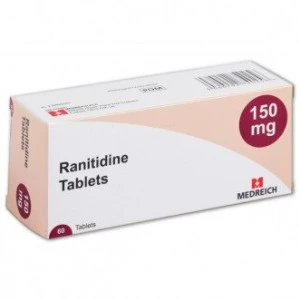
Ranitidine (Zantac)

Ranitidine (Zantac)

  • Fast acting
  • 12 hours relief
  • Relieves heartburn and indigestion
View Treatment
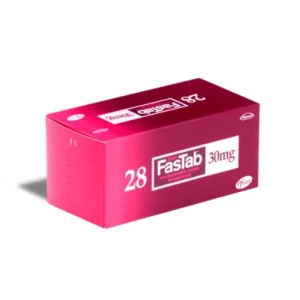
Zoton FasTab

Zoton FasTab

  • Dissolves on the tongue
  • Fast acting
  • Branded lansoprazole from Pfizer
View Treatment
Customer Service