
Wegovy Nausea Explained
Table of contents:
- Why Does Wegovy Cause Nausea?
- How Long After Taking Wegovy Does Nausea Start?
- Does the Nausea From Wegovy Go Away?
- When is the Best Time to Take Wegovy to Avoid Nausea?
- What to Eat on Wegovy to Combat Nausea
- How Do You Stop Feeling Sick on Wegovy?
- What Medications Provide Wegovy Nausea Relief?
- When to See a Clinician About Wegovy Nausea
- Frequently Asked Questions About Wegovy Nausea
- Say No to Nausea
GLP-1 weight-loss treatments tend to affect your stomach. After all, it’s the place food goes to be digested, so altering this process can help you lose weight. This is exactly what Wegovy does: it slows how quickly you digest food and keeps you feeling fuller for longer.
Wegovy is available either as a subcutaneous (under-the-skin) injection or as a daily oral tablet, with both containing the active ingredient semaglutide. It is safe and clinically tested, and is one of the most prominent weight-loss treatments on the UK market; however, it can cause side effects, the most common of which is nausea.
The knowledge of how to avoid, combat and work through the nausea will help you throughout the treatment, as it can be a recurring effect. In some cases, Wegovy can cause quite severe nausea, so it is also important that you know when you should seek help for it. This guide to Wegovy and nausea explains everything you may need to know.
Why Does Wegovy Cause Nausea?
Wegovy pills and Wegovy injections both target the hormone GLP-1 (Glucagon-Like Peptide-1), resulting in positive effects that allow you to lose more weight; these include:
- Food in your stomach is processed and digested more slowly, which helps you feel full longer.
- Your blood sugar levels are lowered.
- The receptors in your brain that regulate appetite are targeted, and the treatment tells them that you aren’t as hungry as you usually would be.
The treatment allows weight loss to occur faster and more effectively, with injections averaging 15-21% body weight reduction and pills 13-17%. However, affecting the body in ways it isn’t used to can cause unwanted side effects.
For example, the targeted brain receptors don’t just control appetite, but your vomit reflex, too. The treatment only aims to affect your appetite, but it may unintentionally affect the other as a by-product. Furthermore, food spending longer in the stomach does maintain feelings of fullness, but it can also amplify feelings of sluggishness and bloating.
So, in pairing the two effects together, nausea can be caused quite easily. 44.2% of patients in a clinical study reported feeling nauseous, making it by far the most common side effect of the treatment.
How Long After Taking Wegovy Does Nausea Start?
Nausea from Wegovy can occur within the first few days of starting treatment. Wegovy introduces Semaglutide into the body (its active ingredient), which isn’t a naturally occurring hormone. Your body will get used to it over time, but the days after the initial dose can be a small shock to the system, which is when nausea often occurs. This is also why nausea is common after dosage increases, as the body must re-adjust to the higher amount of Semaglutide within it.
Your nausea will likely be at its most severe within the first few days of your initial dose, and the days following subsequent dosage increases. Later into the treatment, if you find your nausea is too much for you to handle, you can always ask your clinician to set you back down to a lower dosage - there’s no shame in this; for some, the treatment can be a lot to handle.
Does the Nausea From Wegovy Go Away?
Yes, like most Wegovy side effects, the nausea should go away in time. As you continue through the treatment, your body gets better at understanding what to expect from the medicine and how to avoid and prepare for it - think of it as your brain’s muscle memory kicking in.
If your nausea does not go away after 2-3 weeks, you should contact your clinician. Your body may be reacting badly to the treatment, in which case they may suggest an alternative like Mounjaro. Alternatively, constant or severe nausea can be indicative of an underlying, more serious medical condition, and your clinician can assess whether this is the case, too.
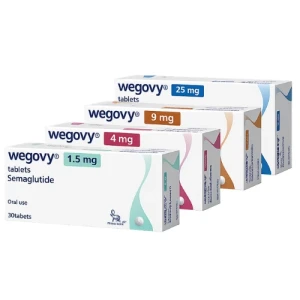
Wegovy Pill
When is the Best Time to Take Wegovy to Avoid Nausea?
To avoid nausea on Wegovy, the best time to take the treatment depends on what time you usually experience nausea:
- If it regularly occurs in the hours after administration, taking it in the evening may help, as you can sleep through most of the discomfort. Please note that this only applies to those taking Wegovy injections, as Wegovy pills must be swallowed after an 8-hour fast.
- If you experience Wegovy nausea in the morning, then eating a small, plain snack first thing (e.g. toast or a rice cake) can help ease it. For those on the pill, they would need to take their medication first thing and then eat the snack 30 minutes later.
- If your nausea is usually after taking a pill, then switching to the injections may be beneficial, since they’re administered weekly rather than daily. The change from one to the other must be clinician-approved first, and it can affect everyone differently.
For injections, administration on a Friday could allow nausea to occur over the weekend, rather than interfering with weekdays while you may be working. However, everyone will experience nausea differently, and there is no rigid time to administer to avoid it.
If your nausea occurs after eating, regardless of the time of day, see the sections below for ways to combat it effectively.
What to Eat on Wegovy to Combat Nausea
Since nausea is a gastrointestinal effect, many ways to stop or reduce it involve what you eat. To combat nausea on Wegovy, prioritise plain, easily digestible foods. These could be plain rice and pasta, crackers, or toast. In terms of what not to eat, you should avoid fatty, sugary and spicy foods, along with alcoholic and carbonated drinks. Remember, your stomach is working overtime to digest what you eat, so anything that eases its load will help.
.webp)
How Do You Stop Feeling Sick on Wegovy?
Aside from what you eat, how you eat can also contribute to nausea. Instead of having three meals a day (breakfast, lunch, dinner), try breaking your portions into smaller, more frequent meals. Eating smaller amounts more often can prevent a sudden influx of food into your stomach, allowing it to digest more easily and reducing the chances of nausea. Little and often is key.
Chewing slowly will also slow the rate at which food enters your stomach. Meals shouldn’t be a race, so slow down, take your time, and work through every mouthful individually. Try a method known as ‘mindful eating’, a state where you become very aware of your eating habits. This means no distractions like phones, TV or music - just you and your body, taking care of one another.
After a meal, avoid lying down or committing to strenuous exercise, like jogging or going to the gym. Instead, opt for a light walk or sit upright. Either will aid digestion.
What Medications Provide Wegovy Nausea Relief?
Medications such as motion sickness tablets and certain antihistamines can help to reduce the severity and frequency of nausea. You can buy these over the counter and on the Prescription Doctor website, and if you order them with Wegovy, they can arrive together. Stronger medications can help, but they require a clinician’s approval first. Speaking with a clinician is recommended regardless, as they can advise you on which medication will work best.
When to See a Clinician About Wegovy Nausea
There are several reasons to indicate you should speak to a clinician about nausea on Wegovy. You should know them all and what to watch for while taking the treatment. They include:
- Dehydration: Extreme thirst, dry throat and dark urine are signs that something isn’t right, even if your fluid intake is normal. You may also feel dizzy or faint when standing.
- Fluids: If your fluid intake is not normal, i.e. you vomit most of what you take in back up again.
- Stomach Pain: Severe, persistent abdominal pain, with or without nausea, can indicate serious health issues, and you should stop taking Wegovy and seek immediate medical aid.
- Vomiting Blood: Any red or dark brown substances in your vomit.
- Prolongation: If your nausea symptoms do not subside over the course of 2-3 weeks, or if it gets worse in severity instead of getting better.
If you experience any of these, contact your clinician immediately. Even if you suspect something may be wrong but aren’t sure, contact your clinician - it is always better to be safe than sorry. If it is an emergency, dial 999.
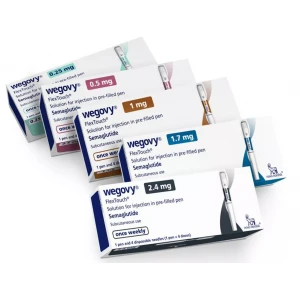
Wegovy
Frequently Asked Questions About Wegovy Nausea
While everyone's experience with Wegovy is different, many people have the same questions. Since nausea is the most frequently seen side effect of Wegovy, we are frequently asked questions regarding it. Here are some that we often receive that you may also be wondering:
Does Everyone Get Nausea on Wegovy?
No, not everyone will experience nausea on Wegovy; in fact, most people won't. Clinical trials have found that an average of 44.2% of patients are affected by nausea at some point over the course of the treatment. That means around 55.8% did not experience nausea, and you may fall into this group too.
Does Injecting Wegovy in the Thigh Help with Nausea?
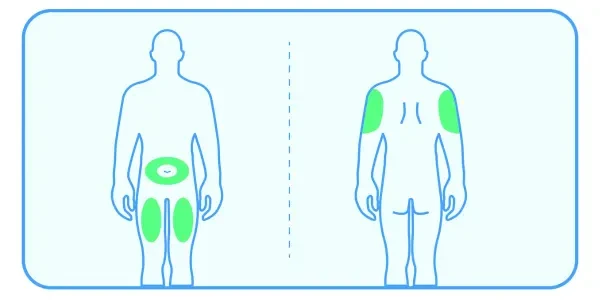
While not proven in any specific clinical trial, injecting Wegovy into your thigh may help with nausea, compared to the other two injection sites. This is because trials have tested this for Mounjaro, and Mounjaro and Wegovy work similarly.
We cannot guarantee that injecting Wegovy in your thigh will help with nausea, and we recommend rotating your injection site to trial each of the three and see which one works best for you.
I’m Experiencing Constant Nausea on Wegovy. What Do I Do?
Report nausea that persists longer than 2-3 weeks to your clinician. Your body may not be reacting well to the treatment, or there may be an underlying medical condition that needs attention. Whatever the reason, your clinician can help and advise you on what to do.
There are alternatives to Wegovy if you find it isn’t the treatment for you. Mounjaro injections are the most popular on the UK market with the highest rates of weight loss, while Mysimba is another daily tablet.
Wegovy vs Mounjaro Nausea: How Does it Compare?
Compared to Mounjaro, Wegovy sees higher rates of nausea. Wegovy pills and Wegovy injections average around 47% and 44% of patients experiencing nausea, while Mounjaro lies around 31%, when compared at the maintenance dosage.
Both treatments slow digestion and target appetite receptors in the brain via the GLP-1 hormone, so the nausea they cause is quite similar. The difference, however, is that Mounjaro is what’s known as a ‘dual agonist’, targeting two hormones at once, whereas Wegovy is a ‘solo agonist’, targeting only one.
However, this does not necessarily mean that Mounjaro is the de facto weight-loss treatment for everyone. You may find that nausea on Mounjaro is worse than on Wegovy - just because it isn’t likely does not mean it isn’t possible. Everyone experiences differences with these treatments; use the facts to inform your decision, not dictate it.
Say No to Nausea
If you're experiencing nausea while on Wegovy, Prescription Doctor is here to help. Our talented team of clinicians work hard to ensure your treatment runs as smoothly as possible, and they’re on standby to answer any questions or concerns you may have - via WhatsApp, phone call or email.
If you’re considering starting Wegovy, whether the pills or the injections, starting the treatment is as easy as filling out a short online form. From there, we will assess whether the treatment is right for you, and if your order is approved before 3pm on a weekday, the medication could be at your door the very next day. It will arrive in plain packaging, as we prioritise discretion.
You can also switch to Wegovy from another GLP-1 treatment such as Mounjaro, which may be preferable since Mounjaro is injection-based. Or, if you’re currently on Wegovy and want to switch to a different treatment for whatever reason, we can accommodate that too. Our clinicians are versatile around your needs, and your needs will always come first. Begin your journey towards a healthier body with Prescription Doctor today, and we will keep you up to date and informed
lable.
Sources
- NIH (2025): Semaglutide (Wegovy): Therapeutic area: Weight management: Reimbursement Review
- ADA (2024): Real-World Use of Semaglutide for Weight Management: Patient Characteristics and Dose Titration—A Danish Cohort Study
- EMC (2026): Wegovy 0.25 mg, FlexTouch solution for injection in pre-filled pen
- NEJM (2021): Once-Weekly Semaglutide in Adults with Overweight or Obesity
- Diabetes, Obesity & Metabolism (2021): Gastrointestinal tolerability of once‐weekly semaglutide 2.4 mg in adults with overweight or obesity, and the relationship between gastrointestinal adverse events and weight loss
- NEJM (2022): Tirzepatide Once Weekly for the Treatment of Obesity
- NEJM (2025): Oral Semaglutide at a Dose of 25 mg in Adults with Overweight or Obesity
- NIH (2023): A Study of Tirzepatide at Different Injection Sites in Participants With Different Body Sizes
Authored & Reviewed By

Mohamed Imran Lakhi
MPharm - Lead PharmacistPublished on: 28/08/2026 Reviewed on: 28/08/2026
How We Are Regulated
Payment Options


© 2013 - 2026 Al Muhsineen Limited. All Rights Reserved. Registered Pharmacy: 34 Halliwell Road, Bolton BL1 8RL. Registered Office: 254 First Floor, Shearbrow, Blackburn, England, BB1 8DS


Patient Login
Don't have an account?
Your account will be automatically created after placing your first order.