
What Are GLP-1 Medications for Weight Loss?
Table of contents:
- What are GLP-1 Receptor Agonists?
- Types of GLP-1 Medications for Weight Loss
- How Do GLP-1 Agonists Work?
- How Do GLP-1 Agonists Cause Weight Loss?
- How Effective Are GLP-1 Medicines for Weight Loss?
- Who Can Use GLP-1 Medicines?
- What Are the Side Effects of GLP-1 Medications?
- Can You Switch Between GLP-1 Medications?
- Who Sells Approved GLP-1 Weight Loss Medications?
- Frequently Asked Questions
- Dedicated Support You Can Trust
If you’ve been researching medicated weight loss programmes, you’re bound to have come across the term GLP-1. Short for glucagon-like peptide-1, it refers to a natural hormone that is released by the gut when you eat. Certain well-known treatments, such as Mounjaro, Wegovy injections, Wegovy pills, and Foundayo, mimic this hormone as part of their mechanism of action.
But what exactly are GLP-1 medications, how do they work, and just how effective can they be? Join us for a deep dive into these treatments so you can make an informed decision about whether they're right for you.
What are GLP-1 Receptor Agonists?
GLP-1 receptor agonists are a class of medications that mimic the effects of a natural gut hormone called GLP-1. The gut releases GLP-1 whenever you eat, and it has a wide range of digestive and metabolic effects, including:
- Stimulation of insulin secretion
- Delayed gastric emptying
- Appetite reduction
By activating the same pathways as natural GLP-1, GLP-1 receptor agonists can significantly reduce hunger, ‘food noise,’ and calorie intake to promote weight loss. Another potential benefit of GLP-1 medications is their effect on blood sugar control. They do this by stimulating insulin secretion from the pancreas, which facilitates the movement of glucose from the blood into cells. Therefore, GLP-1 receptor agonists can be effective in managing prediabetes and type 2 diabetes.
GLP-1 medications primarily differ in dosing frequency. Some (like Foundayo, Wegovy pills, and Nevolat) are taken daily, whereas others (like Mounjaro and Wegovy injections) are formulated for weekly use. GLP-1 receptor agonists also differ in how they're administered: some are oral medications, while others require self-injection.
Types of GLP-1 Medications for Weight Loss
Though initially developed to treat type 2 diabetes, GLP-1 medications have emerged as key therapies for weight management and the improvement of weight-related health concerns. As their popularity in the UK increases and more GLP-1s become available, more people are considering the benefits of starting weight loss treatment. Here, we’ll discuss the weight loss efficacy of the various pills and injections available to UK users.
Mounjaro
Mounjaro contains tirzepatide, a dual-agonist that targets both the glucagon-like peptide-1 (GLP-1) and glucose-dependent insulinotropic polypeptide (GIP) receptors. Like GLP-1, GIP is a naturally occurring hormone produced in the gut and contributes to weight loss by influencing brain activity to stimulate satiety.
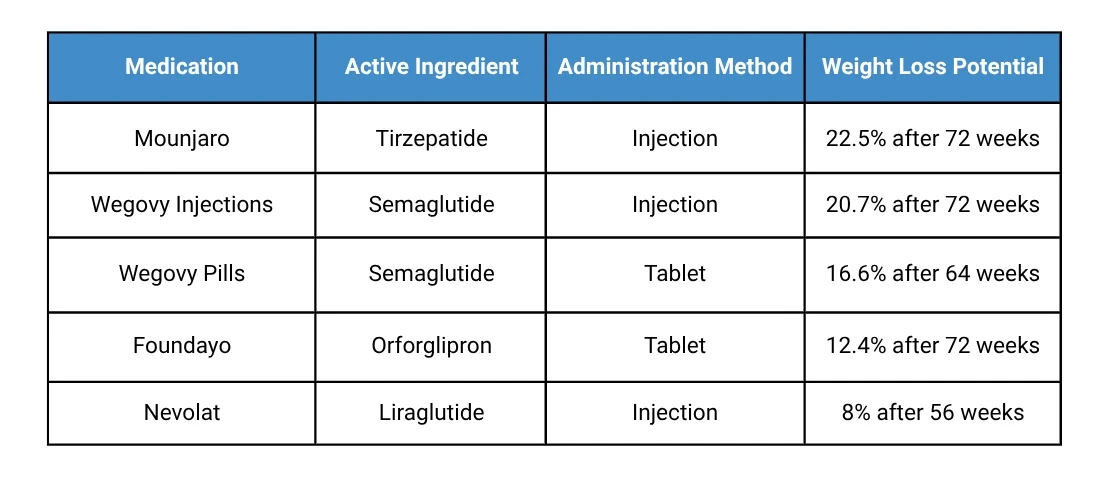
By mimicking the effects of both hormones at once, Mounjaro may produce better weight loss outcomes than GLP-1-only medicines, like semaglutide. The findings of a head-to-head study comparing tirzepatide and semaglutide seemed to confirm this, with tirzepatide users losing substantially more body weight (20.2%) than semaglutide users (13.7%) over 72 weeks of treatment.
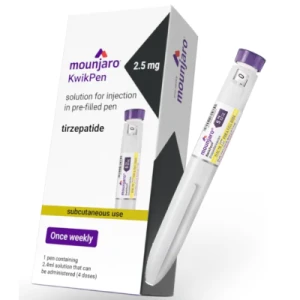
Mounjaro
- Approved Weight Loss Treatment
- Suitable for adults with a BMI of +30kg/m²
- Pre-filled injection pen
Foundayo
The active ingredient in Foundayo, orforglipron, was approved for prescription in the UK in August 2026. It is a small molecule drug that binds directly to the GLP-1 receptor, activating pathways that reduce appetite and delay gastric emptying. Unlike Mounjaro and Wegovy injections, which are administered weekly, Foundayo is a once-daily oral medication.
One large clinical trial on the weight loss efficacy of orforglipron found that people taking the highest dose lost, on average, 12.4% of their total weight over 72 weeks. They also saw meaningful improvements in metabolic and cardiovascular health markers, including lower blood sugar, systolic blood pressure, triglycerides, and non-HDL cholesterol levels.
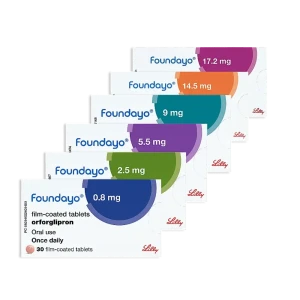
Foundayo (Orforglipron)
- Oral GLP-1 tablet
- Manufactured by Eli Lilly
- Clinical trials show weight loss of around 12.4% after 72 weeks
Wegovy Injections
Wegovy injections contain semaglutide, a GLP-1 receptor agonist that slows gastric emptying, reduces appetite, and boosts satiety. This once-weekly medication can promote significant weight loss, with one clinical trial reporting average weight reductions of 20.7% over 72 weeks among people using the highest dose.
Wegovy injections may also help with long-term weight management. A more recent study found that people who continued using semaglutide after the initial weight loss period (which continued until 65 weeks) sustained a lower weight for over 4 years.
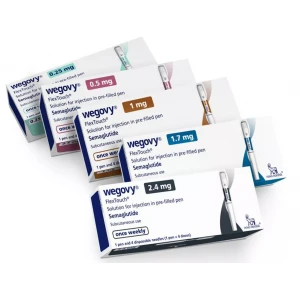
Wegovy Injections
- Approved Weight Loss treatment
- Weekly injection
- Reduces risk of heart attack & stroke
Wegovy Pills
Wegovy pills also contain semaglutide but, unlike the injections, they are a daily oral medication. The weight loss results of Wegovy tablets are comparable to those produced by the injections, with one meta-analysis finding no significant difference between the two. However, when comparing Wegovy injections and pills for blood sugar control, the researchers found that semaglutide injections produced superior results. Therefore, though the treatments are similarly effective for weight loss, Wegovy injections may be the better choice for glycemic control.
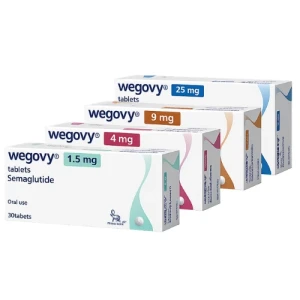
Wegovy Pill
- Average weight loss of 16.6% over 64 weeks
- Convenient treatment without injections
- Available in 1.5 mg, 4 mg, 9 mg, and 25 mg daily doses
Nevolat
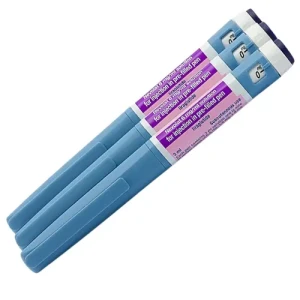
Nevolat is a daily injectable medication containing liraglutide as its active ingredient. Like semaglutide (Wegovy), liraglutide is a GLP-1 receptor agonist used to treat type 2 diabetes and promote weight loss. It produces the same appetite-suppressing effects as other GLP-1 therapies, though it may be less potent than Wegovy. One study comparing the weight loss efficacy of these two medications found that people using liraglutide lost, on average, 6.4% of their body weight, while semaglutide users lost 15.8%.
Nevolat
- Approved Weight Loss treatment
- Once-daily injection
- More affordable than branded treatments
How Do GLP-1 Agonists Work?
GLP-1 agonists work by simulating the effects of natural GLP-1, a gut hormone that slows the rate at which food moves through the stomach, suppresses hunger, and enhances satiety. GLP-1 receptor agonists produce the same effects, but they last much longer than those of natural GLP-1.
Natural GLP-1 degrades within minutes of its release from the intestines, thanks to the action of an enzyme called DPP-4. Peptide-based GLP-1 medications (like semaglutide, liraglutide, and tirzepatide) are designed to resist DPP-4 degradation. Small-molecule GLP-1 drugs (such as orforglipron) also escape degradation because they lack the structures (called peptide bonds) that DPP-4 targets. This allows synthetic GLP-1s to retain biological activity for up to a week, depending on the specific drug formulation.
How Do GLP-1 Agonists Cause Weight Loss?
The degradation-resistant design of GLP-1 agonists extends GLP-1's appetite-suppressing effects, making it easier for users to reduce their food and calorie intake. People on GLP-1s typically report reduced food cravings, less ‘food noise,’ and early ‘fullness’ after eating.
As a result, people taking these medications often reduce their portion sizes and eat fewer snacks throughout the day. They may also lose their taste for processed and high-fat foods and develop a preference for healthier options. These dietary changes often lead to a substantially reduced calorie intake and, as a result, significant weight loss.
How Effective Are GLP-1 Medicines for Weight Loss?
GLP-1 medications have been clinically proven to significantly increase the amount of weight a person can lose. However, they are not a ‘quick fix’ and must be used alongside healthy lifestyle choices.
Because of their different active ingredients and administration methods, GLP-1 medicines can vary in efficacy. Other factors come into play, such as medical conditions, tolerance to the treatment, and body composition.
The table below outlines potential weight loss results for the main GLP-1 medications, as recorded in clinical trials.
If you’d like to know more about how these medications compare against each other, we have a series of dedicated articles on our website:
- Mounjaro vs Wegovy Injections
- Mounjaro vs Wegovy Pills
- Mounjaro vs Foundayo
- Wegovy Injections vs Wegovy Pills
- Wegovy Pills vs Foundayo
- Wegovy Injections vs Foundayo
- Mounjaro vs Nevolat
- Wegovy vs Nevolat
Who Can Use GLP-1 Medicines?
In the UK, doctors and clinicians can prescribe GLP-1 medications to treat obesity and type 2 diabetes. Adults with early-onset type 2 diabetes may be prescribed a GLP-1 agonist for cardiovascular and kidney health, or for blood sugar control. People with type 2 diabetes and atherosclerotic cardiovascular disease (ASCVD) may be prescribed Wegovy injections for blood sugar control and cardiovascular benefits. Those with type 2 diabetes and obesity may receive a prescription for GLP-1 medications or tirzepatide if their BMI is 30 kg/m2 or higher, and if other treatments have not produced adequate glycemic control.
For weight loss alone, eligibility criteria for GLP-1 medications depend on whether the treatment is funded by the NHS or obtained via private prescription. However, very few patients receive NHS prescriptions, as demand for these drugs outstrips service capacity and the medications are usually subject to stricter requirements. As a result, many people in the UK choose to access weight loss medication through private pharmacies.
Currently, only Mounjaro (tirzepatide), Wegovy (semaglutide), and Nevolat (liraglutide) are available on the NHS. To access them, you will need a BMI of 35 kg/m2 or above and at least one weight-related health problem. Private prescriptions have slightly different criteria. Instead, you will need a BMI of 30 kg/m2 or over, or a BMI between 27 and 30 kg/m2 with at least one weight-related comorbidity. In all cases, doctors recommend using weight loss medications as part of a weight management plan that includes a reduced-calorie diet and regular physical activity.
What Are the Side Effects of GLP-1 Medications?
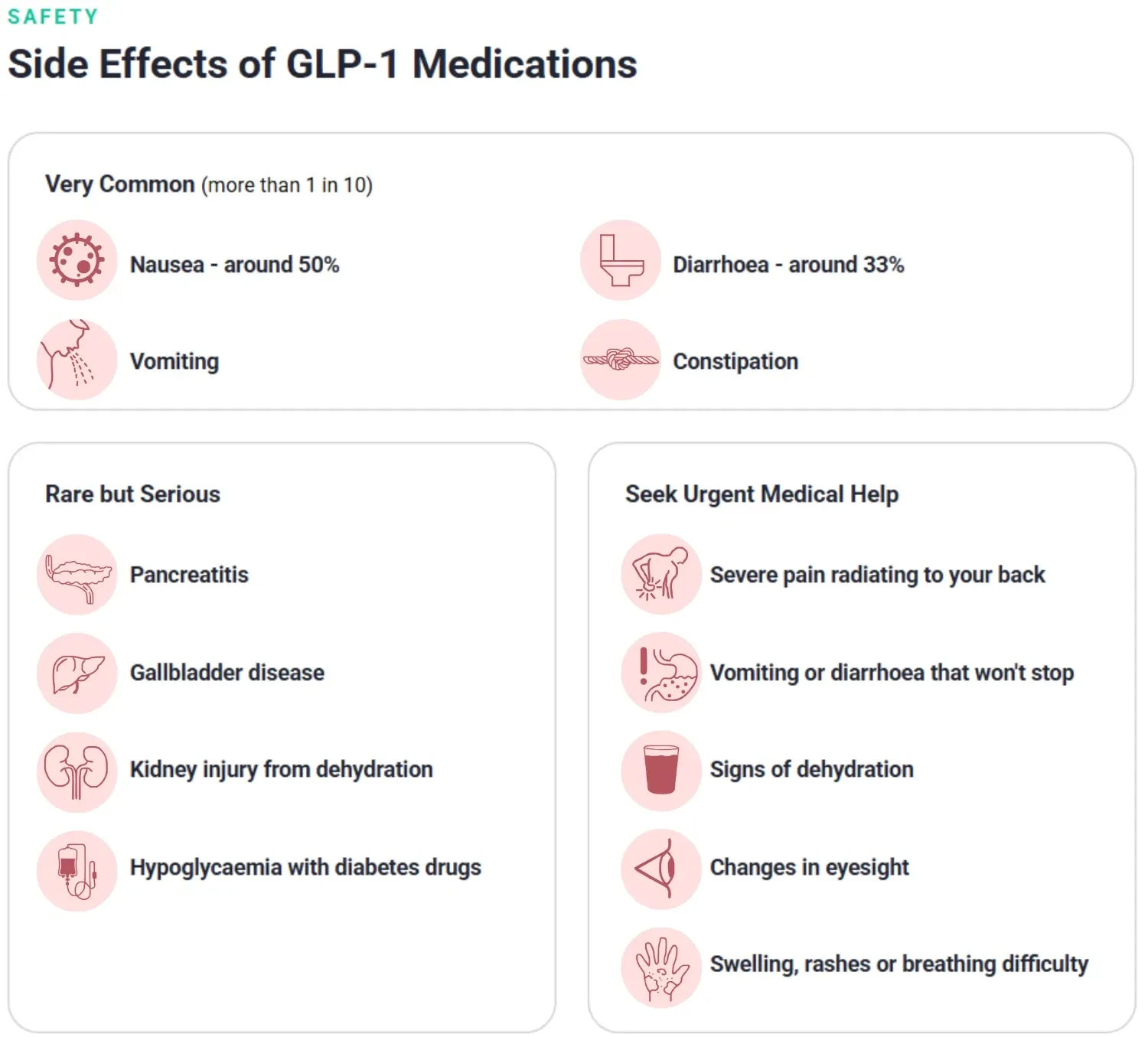
GLP-1 medication side effects primarily affect the gastrointestinal system. These side effects may occur in over 1 in 10 users and frequently include nausea, vomiting, diarrhoea, and constipation. The most common side effect is nausea, which one study observed in around half of GLP-1 users, and diarrhoea, reported by about one-third of people taking these medications.
Though rare, GLP-1 therapies may increase your risk of more serious health conditions such as pancreatitis and gallbladder diseases. Severe vomiting and diarrhoea can also lead to dehydration, which can result in kidney injury. Finally, people who use GLP-1 medications alongside other anti-diabetic drugs may be at risk of hypoglycaemia (very low blood sugar).
Most GLP-1 side effects are mild to moderate and can be managed at home with lifestyle and dietary adjustments. However, you should seek urgent medical attention if you experience:
- Severe abdominal pain, especially if it radiates to your back (this may indicate pancreatitis)
- Severe vomiting or diarrhoea that won’t stop
- Signs of dehydration
- Changes in eyesight
- Symptoms of an allergic reaction (including swelling, rashes, and difficulty breathing)
Can You Switch Between GLP-1 Medications?
You can switch between GLP-1 medications, but only under the supervision of a healthcare professional. This is because GLP-1 medications vary in strength, and switching without a clinician-informed plan can increase your risk of side effects or make the treatment less effective.
You may want to switch from one GLP-1 medication to another if you:
- Reach a weight-loss plateau and want to continue losing weight
- Struggle with gastrointestinal side effects that don’t improve with time
- Want to switch from injections to an oral medication
- Find a more cost-effective medication for your weight loss and health goals
Who Sells Approved GLP-1 Weight Loss Medications?
Genuine and licensed GLP-1 medications can be obtained from registered pharmacies either in-person or online. This will follow a medical consultation, where a prescriber assesses your circumstances to determine whether the treatment is suitable for you. You cannot buy them over the counter.
It’s essential that you only work with licensed pharmacies, so you can be completely confident that the medicine you receive will be genuine and safe. An important sign to look for is whether the company is registered with the General Pharmaceutical Council in Great Britain or the Pharmaceutical Society of Northern Ireland (PSNI) in Northern Ireland.
Frequently Asked Questions
As more GLP-1 medications become available on the UK market, choosing the best option for your needs can feel increasingly challenging. Here, we’ll cover some of the most commonly asked questions about GLP-1 therapies, including which are most effective for weight loss, their long-term safety, and what happens when you stop taking them.
What are the Best GLP-1 Medications for Weight Loss?
Deciding which GLP-1 medicines are best for weight loss is extremely personal. While Mounjaro and Wegovy injections deliver the greatest weight loss potential, some people may be put off the idea of injecting themselves. Others might feel a daily pill better suits their schedule. Ultimately, it’s about which option gives you the best chance of achieving your goals.
If you’re considering GLP-1 medications but aren’t sure which one is best for your circumstances, our clinicians can help.
Are GLP-1 Medicines Safe for Long-Term Use?
Current research suggests that GLP-1 medications are safe for long-term use, though most existing data is limited to follow-up periods of 2 years. People using GLP-1s long-term show sustained weight management, with consistent improvements in blood sugar control.
Trials of GLP-1 medications have also revealed their potential to produce significant health benefits, with researchers noting a reduced risk of type 2 diabetes and cardiovascular disease. Studies have found that people using certain GLP-1 therapies long-term had a 20% reduction in cardiovascular events (like heart attack and stroke) and a decreased risk of kidney disease progression and kidney failure. They may also improve other weight-related conditions, such as obstructive sleep apnea and knee osteoarthritis.
What Happens If You Stop Taking GLP-1 Medications?
If you stop taking GLP-1 medications, the effects of the medication will disappear. GLP-1s suppress appetite, so discontinuing these drugs often causes increased hunger and weight regain. Adopting healthier eating and exercise habits may help to mitigate this effect, but may not be enough to completely prevent weight gain after discontinuing treatment.
Switching to a different medication may help GLP-1 users maintain their lower weight after stopping weight loss injections. One study found that people who discontinued tirzepatide (Mounjaro) and started taking orforglipron (Foundayo) maintained 75-79% of the weight loss they achieved with the injections.
Dedicated Support You Can Trust
Although highly effective, a medicated weight loss programme is not a simple undertaking. It is a journey that requires hard work and determination, with a clear willingness to make better lifestyle choices. The good news is, however, that you don’t need to go through it alone.
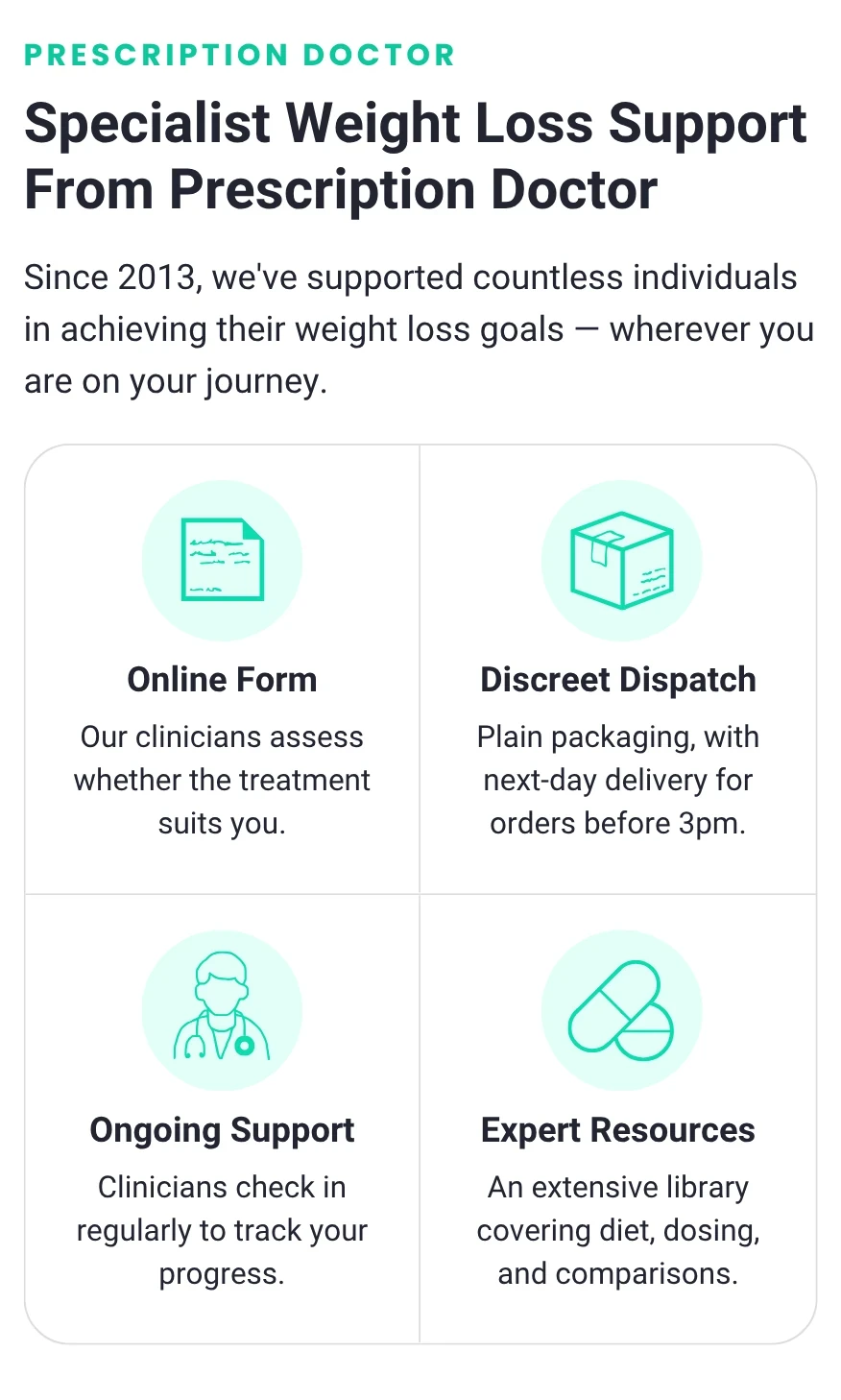
Prescription Doctor has supported people like you in achieving their weight loss goals since 2013 and has built a strong reputation for quality and advice. Our consultation service is built with you in mind, offering bespoke guidance that’s unique to your circumstances.
Our experienced clinicians will be with you every step of the way, from advising on the most suitable GLP-1 medication for your circumstances to regularly checking in to monitor progress. They are also available to answer any query you may have about your treatment programme.
Let Prescription Doctor support you throughout your weight loss journey, and start a consultation today.
Sources
- NHS England (2026): Over a million people could be offered Wegovy to cut heart attack and stroke risk on the NHS.
- Molecular Metabolism (2019): Glucagon-like peptide 1 (GLP-1).
- Diabetes Spectrum (2017): Glucagon-Like Peptide 1 Receptor Agonists for Type 2 Diabetes.
- CMRO (2016): The value of short- and long-acting glucagon-like peptide-1 agonists in the management of type 2 diabetes mellitus: experience with exenatide.
- UCL (2026): 1.6 million UK adults used weight loss drugs in the past year.
- MHRA (2026): UK first in Europe to authorise orforglipron for weight management and type 2 diabetes.
- StatPearls (2024): Tirzepatide.
- Frontiers in Endocrinology (2023): Effect of dual glucose-dependent insulinotropic peptide/glucagon-like peptide-1 receptor agonist on weight loss in subjects with obesity.
- BHF (2026): Weight-loss injections explained.
- NEJM (2025): Tirzepatide as Compared with Semaglutide for the Treatment of Obesity.
- NEJM (2023): Daily Oral GLP-1 Receptor Agonist Orforglipron for Adults with Obesity.
- Lilly (2025): Lilly's oral GLP-1, orforglipron, demonstrated meaningful weight loss and cardiometabolic improvements.
- Journal of Pharmacy Technology (2022): Once-Weekly Semaglutide for Weight Management: A Clinical Review.
- Nature Medicine (2024): Long-term weight loss effects of semaglutide in obesity without diabetes in the SELECT trial.
- Cureus (2025): Comparative Effectiveness and Safety of Oral Versus Subcutaneous Semaglutide in Type 2 Diabetes Mellitus: A Systematic Review and Meta-Analysis.
- Primary Care Diabetes (2026): Semaglutide and tirzepatide in prediabetes: Evidence for diabetes prevention and cardiovascular protection.
- StatPearls (2024): Liraglutide.
- JAMA (2022): Effect of Weekly Subcutaneous Semaglutide vs Daily Liraglutide on Body Weight in Adults With Overweight or Obesity Without Diabetes.
- Signal Transduction and Targeted Therapy (2024): Glucagon-like peptide-1 receptor: mechanisms and advances in therapy.
- Clinical Obesity (2025): Changes in Eating Behaviour During Treatment With Obesity Medications.
- NICE (2026): Summary of NICE guidance for GLP-1 receptor agonists and tirzepatide in adults.
- NHS England: Weight management injections.
- MHRA (2026): First GLP-1 tablet for weight loss approved in the UK.
- Clinical Obesity (2025): Variation in the Commissioning of Semaglutide for the Treatment of Obesity and Overweight Across England.
- MHRA (2024): GLP-1 receptor agonists: reminder of the potential side effects and to be aware of the potential for misuse.
- Diabetes & Metabolism (2025): Exploring the Side Effects of GLP-1 Receptor Agonist: To Ensure Its Optimal Positioning.
- Kidney Care UK (2025): GLP-1 medicines and kidney disease: what you need to know.
- NHS (2026): GLP-1 Injections (Weight Loss & Diabetes).
- MHRA (2026): GLP-1 medicines for weight loss and diabetes: what you need to know.
- Peptide Journal (2025): How to Transition Between GLP-1 Medications.
- Cureus (2025): Weight Loss That Lasts: Reviewing the Long-Term Impact of GLP-1 Receptor Agonists.
- Cell Reports Medicine (2025): The expanding benefits of GLP-1 medicines.
- eClinicalMedicine (2025): Metabolic rebound after GLP-1 receptor agonist discontinuation: a systematic review and meta-analysis.
- BHF (2026): Weight-loss pills: can orforglipron preserve weight loss after Mounjaro?
- Lancet (2025): Once-weekly semaglutide 7·2 mg in adults with obesity (STEP UP): a randomised, controlled, phase 3b trial.
Authored By

Kate Latham
Medical Content WriterPublished on: 10/09/2026
Reviewed By

Mohamed Imran Lakhi
MPharm - Lead PharmacistReviewed on: 10/09/2026
How We Are Regulated
Payment Options


© 2013 - 2026 Al Muhsineen Limited. All Rights Reserved. Registered Pharmacy: 34 Halliwell Road, Bolton BL1 8RL. Registered Office: 254 First Floor, Shearbrow, Blackburn, England, BB1 8DS


Patient Login
Don't have an account?
Your account will be automatically created after placing your first order.