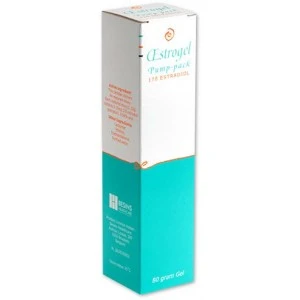
Oestrogel Pump

In Stock

Prices from £24.99
Review More Prices

Get Started
You must complete a short online consultation so that our prescriber can ensure that the treatment is suitable for you.
Order now to receive your order Wednesday, July 08
All inclusive service
No hidden fees

Next day delivery
Discreetly packaged
Discreet delivery
Prescriber available
Prescriber assess you online
How to order
  1. Click on the green "Get Started" button, then click "Start Consultation" button on the next page.
  2. Fill in our short consultation form.
  3. Choose delivery method and mode of payment.
  4. Our team of expert prescribers will assess whether medication is suitable.
  5. If you get the green light and it is deemed suitable, your order will be processed quickly and efficiently.
Confidential Service

Your privacy is important, Prescription Doctor are committed to keeping your details completely confidential.

This is why we also take steps to conceal your prescription products under two layers of packaging.

Delivery and Packing
Discreet Delivery?

We have a commitment to delivering a discreet service and understand your need for privacy. We ship all orders via a trackable courier using discreet, plain packaging.

Do I Need to Wait in All Day for Delivery?

Once your order is dispatched you will receive a tracking number via sms and email.

Do You Deliver on Weekends?

We deliver medications between Monday and Saturday. You can upgrade to Saturday delivery on Friday.

My Order Hasn’t Arrived What Should I Do?

You should receive a tracking number with your order which you can use this number to track your parcel online. This should give you a clear indication of where your parcel is. If you haven’t received your parcel in the time frame given by our couriers, contact your local depot to find out where it is. You can also contact our support team who will do this for you.

Can I Be Notified by Text?

On checkout you will be asked to leave your mobile number so our courier can text you about the delivery. This is also useful if the courier has problems finding your address. We will not use your mobile number for anything else.

Payment Methods
How Can I Pay for My Order?

You can pay for your order using credit, debit card or via bank transfer.

I Don’t Have a Credit Card, How Can I Pay?

If you don’t have a credit or debit card you can pay via bank transfer. We will give you a unique reference number at checkout along with details of how to make the transfer. Once the money has cleared in our account, we will process your order.

How Do You Keep My Details Safe?

We are a completely secure site and take many measures to ensure your details are kept safe. We understand that you have a right to extreme privacy when purchasing sensitive health medications. All information that you provide to us is stored on our secure servers. Any payment transactions will be encrypted using SSL technology.

Payment and refunds?

You can pay for your order using credit, debit card and bank transfer.

Card Payment: Please notify us that you wish to cancel your order. Your refund will show available In 1 - 3 days.

Bank Transfer: A member of our team will contact you requesting for your bank details. These details are only used to transfer the funds back into your account.

Patient Reviews: How Oestrogel Pump Has Made a Difference

Treatment Information

Table of contents:

What is Oestrogel?

Oestrogel is a topical HRT gel containing estradiol, a form of oestrogen identical to that produced naturally by the body. It is prescribed as part of hormone replacement therapy (HRT) to help manage the symptoms of menopause.

The gel comes in a pump dispenser that releases a fixed amount of gel with each press, so every dose is consistent and measured.

What is Oestrogel Used For?

Oestrogel is prescribed as HRT for women experiencing symptoms of the menopause. Oestrogen levels fall during and after the menopause, which can cause a range of unpleasant symptoms. Oestrogel helps to relieve these by restoring oestrogen to more comfortable levels.

Symptoms it may help with include:

  • Hot flushes and night sweats
  • Mood changes, irritability, or low mood
  • Vaginal dryness or discomfort
  • Sleep disturbance
  • Brain fog or difficulty concentrating

Oestrogel may also be prescribed to help prevent osteoporosis in postmenopausal women who are at increased risk of fractures when other osteoporosis medications are unsuitable or not tolerated.

How Does Oestrogel Work?

Oestrogel contains estradiol, which is absorbed through the skin and passes directly into the bloodstream. When oestrogen HRT is taken as a tablet, it passes through the digestive system and liver before entering the bloodstream, which can make oral oestrogen more susceptible to enzyme inducers. By bypassing this process, the Oestrogel pump may reduce the risk of certain side effects

Once absorbed, estradiol binds to oestrogen receptors throughout the body, helping to restore hormonal balance. This is what helps to relieve common menopausal symptoms such as hot flushes, night sweats, and mood changes.

How Long Does Oestrogel Take to Work?

Most women begin to notice an improvement in symptoms within a few weeks of starting Oestrogel, though this varies by individual and by the symptoms being treated. According to the NHS, hot flushes and night sweats often improve within a few weeks, while other symptoms such as mood changes and vaginal dryness can take a few months.

Your doctor will usually review your treatment at one month and again at three months to check how well it is working. If symptoms have not improved after the first month, your dose may be adjusted.

How Effective is the Oestrogel Pump?

Oestrogel is considered an effective treatment for menopausal symptoms. Clinical trial evidence supports the efficacy of estradiol gel at the doses used in Oestrogel. A randomised, placebo-controlled trial published in Menopause assessed estradiol gel at 1.25g and 2.5g daily in 221 postmenopausal women over 12 weeks, finding a significant reduction in the frequency and severity of hot flushes compared with placebo. A second randomised controlled trial published in Obstetrics & Gynecology found that by weeks 3 to 5, estradiol gel reduced moderate-to-severe hot flushes by at least 7 per day compared with baseline and significantly reduced their severity and frequency compared with placebo. The medication was also found to be well-tolerated, with no unexpected side effects. 

Meanwhile, the NHS states that the main benefit of HRT is that it is effective at relieving most perimenopause and menopause symptoms, including hot flushes, night sweats, and mood changes. The British Menopause Society similarly identifies HRT as the most effective intervention for managing menopausal symptoms, and supports estradiol applied through the skin as a first-choice route of administration for many women.

How to Use Oestrogel Pump

If you are new to HRT or switching from a period-free HRT treatment, you can begin using Oestrogel at your convenience. However, if you are already taking a different HRT that includes a menstrual cycle, it’s important to complete your current medicine pack before switching to Oestrogel. 

How to Prime Oestrogel Pump

Before using the Oestrogel pump for the first time, it's crucial to prime your pump. Priming ensures that the medicated gel is dispensed correctly and in the right amount. 

How to Prime Oestrogel Pump

Before using the Oestrogel pump for the first time, it's crucial to prime your pump. Priming ensures that the medicated gel is dispensed correctly and in the right amount. 

To prime the pump:

  1. Remove the cap from the canister
  2. Remove the stopper from the spout
  3. Depress the plunger a couple of times until the gel is expelled
  4. Do not use this initial dose. Discard it safely using a tissue.

Oestrogel Gel: How to Apply

Once your pump is primed, it is ready to use. You should try to apply Oestrogel at the same time every day by following these instructions:

  1. Remove the cap to reveal the plunger.
  2. While holding the canister in one hand and readying your other hand to catch the gel, depress the plunger to expel one measure of the gel. If your doctor has prescribed more, use the amount of gel prescribed by your doctor.
  3. Apply your prescribed dose of the gel once daily to clean, dry, unbroken skin on your outer arms and shoulders, or the inner thigh of both legs. Do not apply Oestrogel to the genital area or breasts.
  4. Spread the gel over the area. For a 2 pump measure, apply 1 pump to each outer arm and shoulder, or each inner thigh. 
  5. Cover the spout with the included stopper and replace the cap.
  6. Wait 5 minutes for the area to dry before covering it with clothes.
  7. Always wash your hands with soap and water after using Oestrogel.

Guidelines for Using Oestrogel HRT

The following guidelines should also be followed when using Oestrogel HRT:

  • You must apply the gel yourself. Do not let anyone else apply the gel on your behalf.
  • Avoid skin-to-skin contact with others, particularly men and children, for at least 1 hour after application
  • Do not wash or apply skincare products to the application area for 1 hour after use.
  • Do not apply to damaged skin 
  • If the prescribed amount does not relieve your symptoms, speak to your doctor. 
  • Do not use more or less gel than prescribed without consulting your doctor first.
  • Oestrogel contains ethanol and is flammable, so avoid heat or naked flames until the gel has dried on the skin.

How Many Pumps are in Oestrogel?

Each Oestrogel pump pack contains enough gel to last four weeks at the usual starting dose of two pumps per day. If your doctor has increased your dose to four pumps per day, the pack will last two weeks.

What If You’ve Used Too Much Oestrogel

Oestrogel is dispensed in a metered dose. You should use only the prescribed number of pumps of Oestrogel. Using more Oestrogel than you should will not make your symptoms go away faster, but it can cause signs of an overdose, including breast tenderness, nausea and vaginal bleeding.

If you find that the prescribed amount of Oestrogel is not relieving your symptoms, speak to your doctor. Do not adjust your dosage unless your doctor has given you explicit permission to do so.

What Happens if I Miss My Oestrogel Dose?

If you forget to apply your Oestrogel, check how long it is until your next dose. If it is more than 12 hours away, apply the missed dose as soon as you remember and continue as normal the next day. If your next dose is less than 12 hours away, skip the missed dose and carry on with your usual routine.

Do not apply two doses at the same time to make up for a missed one. Occasionally, missing a dose may increase the chance of irregular or breakthrough bleeding.

Oestrogel Side Effects and Cautions

Like all medicines, Oestrogel should be used with caution. The sections below outline the known side effects of Oestrogel and the circumstances in which it may not be suitable for you. Always read the Patient Information Leaflet supplied with your medication and speak to your doctor or pharmacist if you have any concerns.

Oestrogel Pump Side Effects

The side effects below are listed by how commonly they occur. Most side effects are mild and tend to improve within the first few months of treatment, but not everyone will experience them.


Common 
(may affect up to 1 in 10 people)

Uncommon 
(may affect up to 1 in 100 people)

Rare
(may affect up to 1 in 1,000 people)

Abdominal pain
Abnormal or irregular bleeding
Breast pain
Headache
Longer or heavier periods
Nausea
Painful periods
Vaginal discharge
Weight change


Depression
Feeling of weakness
Flatulence 
Increase in uterus volume
Inflamed vagina
Intense itching
Migraine
Mood swings
Vaginal yeast infection
Vertigo
Vomiting
 

Acne
Bone pain
Change in libido
High blood pressure
Intolerance to glucose
Worsening epilepsy symptoms


The information above does not include all potential Oestrogel side effects. More details can be found within the Patient Information Leaflet that accompanies the medication. 

Allergic Reaction

Do not use Oestrogel if you are allergic to estradiol or any of the other ingredients. If you have had an allergic reaction to a similar medicine in the past, let your doctor know before starting treatment.

Stop using Oestrogel and seek immediate medical attention if you notice any of the following signs of an allergic reaction:

  • Skin rash or itching
  • Swelling of the face, lips, tongue, or throat
  • Difficulty swallowing or breathing
  • Feeling faint

These symptoms may indicate a serious allergic reaction and require urgent medical attention.

Conditions Reported More Often in Women Using HRT 

Studies have shown that certain conditions occur more frequently in women using HRT compared to those who are not. Your doctor will have weighed these risks against the benefits before prescribing Oestrogel. The conditions below are worth being aware of:

  • Endometrial cancer: Using oestrogen-only HRT without a progestogen increases the risk of cancer of the womb lining in women who still have their womb. 
  • Breast cancer: HRT use is associated with a small increased risk of breast cancer. The additional risk depends on how long HRT is used and reduces after stopping, though it may persist for 10 or more years if HRT was used for over 5 years. 
  • Ovarian cancer: HRT has been associated with a slightly increased risk of ovarian cancer, though ovarian cancer itself is rare.
  • Blood clots (thrombosis): The risk of blood clots in the veins is higher in HRT users, particularly in the first year of use. Seek urgent medical attention if you notice painful swelling or redness in a leg, sudden chest pain, or difficulty breathing.
  • Stroke: The risk of stroke is around 1.5 times higher in HRT users than non-users, with the level of risk increasing with age.
  • Heart disease: Women over 60 using combined oestrogen-progestogen HRT may have a slightly higher risk of heart disease. There is no increased risk for women using oestrogen-only HRT following a hysterectomy.

If You Need Surgery While Using Oestrogel Pump

If you are due to have surgery, tell your doctor or surgeon that you are using Oestrogel. You may need to stop using it around 4 to 6 weeks before the operation to reduce the risk of blood clots. Ask your doctor when you can start using Oestrogel again once you have recovered.

Oestrogel Pump Pack Warnings and Interactions

Although Oestrogel is a popular HRT, it is not suitable for everyone. It’s therefore essential to consult a clinician before starting treatment to ensure it’s safe for you to use.

Do not use Oestrogel Pump if you have:

  • A blood-clotting disorder (such as protein C, protein S or antithrombin deficiency)
  • A rare inherited blood disorder called porphyria
  • Any unexplained vaginal bleeding
  • Or are suspected of having cancer which is sensitive to oestrogens, such as endometrial cancer
  • Excessive thickening of the womb lining (endometrial hyperplasia), which is untreated
  • Or have ever had a blood clot, including in the vein (thrombosis), legs (deep vein thrombosis/DVT) or lungs (pulmonary embolism)
  • Or have ever had a liver disease, and your liver function tests have not returned to normal
  • Or recently had a disease caused by a blood clot in the arteries, such as a heart attack, stroke or angina
  • Had or are suspected to have breast cancer

Oestrogel Precautions

Even if none of the above contraindications applies to you, there are some conditions that may require closer monitoring during treatment. Tell your doctor before starting Oestrogel if you have, or have ever had, any of the following:

  • Endometriosis or fibroids: These conditions can worsen with Oestrogel use and may require more frequent check-ups.
  • Migraines or severe headaches: These may return or become more frequent during treatment.
  • Diabetes: Oestrogel can affect blood sugar control, and your doctor may need to monitor you more closely.
  • Epilepsy: HRT may affect seizure frequency in some women.
  • High blood pressure: Your blood pressure should be monitored regularly during treatment.
  • Gallstones: HRT may increase the risk of gallstone-related problems.
  • Systemic Lupus Erythematosus (SLE): An autoimmune disease that affects many organs in the body.
  • A history of excessive thickening of the womb lining
  • Hereditary or acquired angioedema
  • A liver disorder 
  • An increased risk of blood clots
  • An increased risk of oestrogen-sensitive cancer 

This list does not cover all precautions. Before starting treatment, read the full Patient Information Leaflet supplied with your medication and discuss your full medical history with your doctor.

Oestrogel and Other Medications

Some medicines can interfere with the effects of Oestrogel. It is essential to inform your doctor of all the medicines you are currently taking, including those purchased over the counter, such as health and herbal supplements.

Inform our clinicians if you will be using any of the following medicines while using Oestrogel:

  • Epilepsy medicines (phenytoin, phenobarbital or carbamazepine)
  • HIV medicines (nevirapine, efavirenz, ritonavir or nelfinavir)
  • Tuberculosis medicines (rifampicin, rifabutin)
  • Certain Hepatitis C combination medicines (including ombitasvir, paritaprevir, glecaprevir, sofosbuvir, velpatasvir or voxilaprevir)
  • Herbal products containing St John's Wort (Hypericum perforatum)
  • Skin cleansers containing benzalkonium chloride or sodium lauryl sulphate
  • Other skin products containing alcohol, including astringents or sunscreens
  • Products used to treat warts, acne, dandruff or other skin and scalp conditions
  • Other medicines that affect skin composition (e.g. anti-cancer products)

Oestrogel may also affect how some medicines work. In particular, if you take lamotrigine for epilepsy, using Oestrogel alongside it may increase the frequency of seizures. Tell your doctor if you are taking lamotrigine before starting treatment.

Pregnancy and Breastfeeding

Oestrogel is intended for use in postmenopausal women only and should not be used during pregnancy or while breastfeeding. If you become pregnant while using Oestrogel, stop using it immediately and contact your doctor.

Note that Oestrogel is not a contraceptive. If it has been less than 12 months since your last period, or you are under 50, you may still need to use contraception. Speak to your doctor for advice.

Frequently Asked Questions About Oestrogel Pump

Is Oestrogel Body Identical?

Yes. Oestrogel contains estradiol, a form of oestrogen that is chemically identical to the oestrogen produced naturally by the body. This is sometimes referred to as "body identical" HRT. Unlike some older forms of HRT, which used synthetic or animal-derived hormones, body-identical oestrogen is derived from plant sources and has the same molecular structure as human oestrogen.

Does Oestrogel Cause Weight Gain?

Weight change is listed as a possible side effect of Oestrogel, though it is not experienced by everyone. It is also worth noting that some weight gain is common during the menopause itself, regardless of HRT use, due to hormonal and metabolic changes. If you are concerned about weight changes during treatment, speak to your doctor.

How Long Does Oestrogel Take to Absorb?

The gel should be left to dry for at least 5 minutes before dressing. The PIL advises avoiding washing the application area or applying other skincare products for at least 1 hour after use, as the absorption process continues during this time. Avoid skin contact with others in the application area for at least one hour after applying.

How Much Oestrogel Should I Use?

The usual starting dose is two pumps per day. If this does not relieve your symptoms after one month, your doctor may increase your dose to a maximum of four pumps per day. Always use the dose prescribed by your doctor and do not adjust it without speaking to them first.

2 Pumps of Oestrogel is How Much Progesterone?

This question contains a common misconception. Oestrogel contains only oestrogen; it does not contain progesterone or any progestogen. If you still have your womb, your doctor will prescribe a separate progestogen alongside Oestrogel to protect the womb lining. The two are different medicines and should not be confused.

When is the Best Time to Apply Oestrogel?

You can apply Oestrogel at any time of day which suits you, though the Patient Information Leaflet advises applying it at the same time each day to keep your routine consistent. If you often forget when to use Oestrogel, set a reminder on your phone or store your Oestrogel in a location which is likely to jog your memory.

Will Oestrogel Interfere With My Contraception?

Oestrogel is not known to reduce the effectiveness of hormonal or non-hormonal contraception as it works to restore oestrogen levels. If you are using a specific method of contraception, it's still worth confirming with your doctor that it remains suitable to use alongside Oestrogel.

How Do I Know When I’ve Run Out of Oestrogel?

You will know your Oestrogel pump has run out when you press the plunger down and it doesn't return to its normal position. If this happens, stop using the current pump and start a new one.

It can help to keep track of when you started a new pump. At the standard dose of two pumps per day, each pack lasts approximately four weeks. At four pumps per day, it will last around two weeks. Knowing this in advance means you can request a repeat prescription in good time and avoid running out of medication.

What If I Think I’ve Transferred Oestrogel Onto Someone Else?

If you think you've transferred Oestrogel to someone else, wash the area of skin with soap and water as soon as possible. This is particularly important if the gel has come into contact with a man or a child, as accidental exposure to oestrogen can cause unintended effects.

In children, accidental exposure may cause unexpected signs of early puberty, such as breast development. In most cases, these will resolve once exposure stops. If you notice any such changes in a child who may have come into contact with Oestrogel, contact a doctor promptly.

To reduce the risk of accidental transfer, avoid skin contact with others for at least one hour after applying the gel, and cover the application area once it has dried.

Can I Drink Alcohol While Using Oestrogel Pump?

Alcohol is not listed as a direct interaction with Oestrogel, and moderate drinking is not specifically prohibited. However, research suggests alcohol can temporarily raise oestrogen levels in women using HRT, which may compound some associated risks. Speak to your doctor if you have concerns.

Oestrogel itself contains alcohol and is flammable until dry. Avoid naked flames or heat sources near the application area until the gel has fully absorbed.

Can You Buy Oestrogel Over the Counter?

No. Oestrogel is a prescription-only medicine and cannot be purchased over the counter. You can obtain it through your GP or, following a short online consultation, through a regulated online pharmacy such as Prescription Doctor.

Can You Buy Oestrogel Online?

Yes, you can buy Oestrogel online from reputable pharmacies such as Prescription Doctor. Simply complete a brief questionnaire, and our specialist clinicians will determine if the treatment is suitable for your circumstances. Orders approved before 3pm on a weekday are eligible for next-day delivery.

How Do I Store Oestrogel?

Oestrogel does not require any special storage conditions. Keep it out of the reach of children and do not use it after the expiry date printed on the pack. Do not dispose of Oestrogel down the sink or in household waste — ask your pharmacist how to dispose of any unused medication safely.

Additional Resources

PAGE

How Long Does Oestrogel Pump Last?

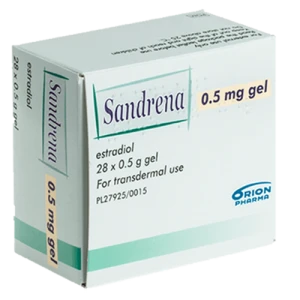
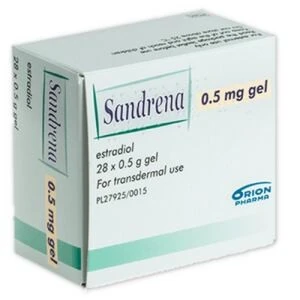
Here, we’ll explore how long you can expect your Oestrogel Pump to last. The Oestrogel Pump contains Oestrogel, a hormone replacement therapy applied to the skin to reduce menopause symptoms.How long does Oestrogel last?The Oestrogel Pump will typically last for four weeks if you are prescribed the usual dose of 2 pumps, also called measures, of gel per day. However, this can vary depending on the dose prescribed by the clinician. For example, if you have been prescribed 4 daily measures of gel, then the pump will last for 2 weeks.How many Oestrogel measures are needed for a dose?Each metered dose given by the Oestrogel Pump delivers 1.25g of gel containing 750 micrograms of oestradiol, a man-made version of the hormone oestrogen.The usual daily dose is 2 measures of Oestrogel per day, but your clinician can increase this if the prescribed dose is not relieving your menopause symptoms.How many doses are in an Oestrogel Pump?The Oestrogel Pump is an 80g bottle, delivering 64 metered doses.How long do the effects of Oestrogel last?Oestrogel has a half-life of around 36 hours when applied in 1.25g doses. That means Oestrogel will remain effective for this time once it has been applied to the skin.Is it better to use Oestrogel in the morning or at night?Oestrogel can be applied in the morning or the evening, depending on your preference. When using Oestrogel, you should be aware that you should:Apply the gel after you have had a bath or showerLeave as much time as possible between applying Oestrogel and going swimmingNot allow other people to touch the area where you have applied the gel for at least 1 hour after applicationAvoid smoking or going near an open flame until the Oestrogel is drySome of these factors may help you decide which time of day is most suitable for you. Whether you choose to apply Oestrogel in the morning or the evening, you should apply the gel at the same time every day.What’s the best way to store the Oestrogel Pump for maximum effectiveness?To improve the longevity and effectiveness of the Oestrogel Pump, it’s important to store it correctly.The patient information leaflet states that the Oestrogel Pump should be stored out of sight and reach of children. The pump should be stored at a temperature between 20°C and 25°C, or room temperature, away from heat, light, and moisture.How will I know when the Oestrogel Pump is empty?You will know the Oestrogel Pump is nearly empty because the plunger will not return to its normal position once you have pushed it down.When this happens, you should stop using the current Oestrogen Pump Pack and start using a new one.How can I get a replacement?If your Oestrogel pump is close to its expiry date or is almost empty, you should replace it promptly to avoid a break in your treatment.You can order an Oestrogel Pump from Prescription Doctor using our online consultation service. To start your order, you will need to complete a simple online medical questionnaire for one of our clinicians to review and ensure that Oestrogel is suitable for you. If your order is approved before 3 pm, we will dispatch it via a discreet next-day delivery service.How do I dispose of an empty Oestrogel Pump?When the pump is empty, it should not be thrown into the household rubbish or via wastewater. Instead, speak to a clinician about the best way to dispose of unused or empty medicines. This will help to protect and preserve the environment.Most pharmacies will dispose of unused, finished, or empty medicines for you and place them in medical waste or medical recycling. Speak to your local pharmacist for more information.What alternatives to Oestrogel are there?There are several alternatives to Oestrogel available, and menopause treatments can come in various formats, including gels, patches, and pills.Some other HRT options offered by Prescription Doctor are:Sandrena gel: An oestradiol gel supplied in sachets that’s available in 2 strengths: 0.5 mg and 1.0 mgEvorel Conti: Patches applied to the skin that contain man-made versions of the hormones oestrogen and progesterone.Vagifem: Oestradiol-containing tablets that are inserted directly into the vagina.SummaryAround 1 million UK women use hormone replacement therapy, and Oestrogel Pumps are a popular option. Oestrogel Pump Packs are available in 80g bottles, delivering 1.25g of gel per pump. The typical prescribed dose is 2 pumps per day, and each pump should last approximately 4 weeks. However, if you are prescribed a higher dose, the pump is likely to last 2 weeks.Additional ResourcesHow Oestrogel Helps Relieve MenopauseHow Long Does Oestrogel Take To Work?Managing Side Effects of OestrogelHow to Use Oestrogel Pump?10 Questions About the Menopause AnsweredThe 34 Symptoms of the MenopauseHow to Lose Weight During the Menopause?How Long Does the Menopause Last?SourcesFDA, (2008). EstroGel 0.06% (estradiol gel).EMC, (2023). Oestrogel Pump Pack 750mcg/Actuation Gel Patient Information Leaflet.The Guardian, (2022). What is HRT and why are there shortages in the UK?
Read more →
How Long Does Oestrogel Pump Last?
PAGE

How To Manage Side Effects of Oestrogel Pump?

Oestrogel Pump is a type of hormone replacement therapy (HRT) that is used to treat menopause symptoms. It contains the active ingredient estradiol, a man-made version of the hormone oestrogen, and can begin to encourage signs of improvement in just a few weeks.If you’re going through menopause and researching potential treatments, some of the most important elements to understand are the medication’s side effects and how to manage them. This is so you can make a more informed decision about which option best suits your circumstances.Join us as we explore potential Oestrogel side effects and answer some of the most frequently asked questions regarding the treatment.    [medical_form product_id="304" text="START YOUR CONSULTATION TODAY" type="button"] What are the Side Effects of Oestrogel?Estradiol, the active ingredient in Oestrogel, addresses menopause symptoms by compensating for declining oestrogen levels. However, at least 5% of women experience side effects linked to this sudden change in hormone levels.Oestrogel side effects are usually mild and may include headaches, nausea, and breast tenderness. They often improve within a few weeks of treatment and, in the meantime, can be managed with home remedies and over-the-counter medicines. More rarely, Oestrogel can cause more serious medical complications that require urgent medical attention.Common Oestrogel Pump Side EffectsThe most common Oestrogel side effects, thought to affect up to 10% of users, include:HeadachesNauseaBreast tendernessAbdominal painChanges in menstrual periodsAbnormal vaginal bleedingVaginal discharge or itchingWeight gainHair lossMost users find they can manage these symptoms with lifestyle adjustments and over-the-counter remedies. However, you should always report severe or persistent side effects to your prescribing clinician.  Uncommon Side Effects of Oestrogel PumpAround 1% of Oestrogel users will experience less common side effects, such as:DepressionMood swingsMigrainesVertigoFlatulenceVomitingItchingVaginal yeast infections (such as thrush)Vaginal inflammation (causing discharge, itching, and pain)Increased volume of the uterusFeeling weakIf you experience any of these side effects on Oestrogel, reach out to your doctor for advice. They may recommend over-the-counter treatments to relieve your symptoms or adjust your dosage.  {add_product_block(304)} Rare Oestrogel Gel Side EffectsRarely, Oestrogel can cause more serious side effects. These affect around 0.1% of users and include:Anaphylaxis (a severe allergic reaction)Glucose intolerance (which may affect blood sugar levels)In cases of epilepsy, worsening symptomsHigh blood pressureChanges in liver functionChanges in libidoAcneBone painAnaphylaxis can be life-threatening, and you should seek immediate medical attention if you suspect you are having an allergic reaction. Call an ambulance if you experience:Swelling of the lips, mouth, throat, and tongueRapid breathing or difficulty breathingTightness in the throat that makes it hard to swallowSkin, lips, tongue, or palms turning pale or greyConfusion, drowsiness, or dizzinessIt’s important to note that the above may not constitute a full list of potential Oestrogel side effects. More information can be found within the Patient Information Leaflet.   Is Oestrogel Safe to Use?The Oestrogel Pump is not suitable for everyone; it should not be used by those who are pregnant or breastfeeding. You should also not use Oestrogel if you have:Allergies to any ingredient in the gelKnown or suspected breast cancerA history of blood clots or a blood-clotting disorderUnexplained vaginal bleedingYou can still use Oestrogel Pump if you have certain medical conditions, but your doctor will need to be aware of them. Tell your doctor before using Oestrogel Pump if you have:DiabetesGallstonesMigrainesEndometriosisAsthmaEpilepsyNever take a new medication without consulting your doctor or a prescriber, who will ensure that Oestrogel is suitable for you.Oestrogen Gel Side Effects: How Long Do They Last?The duration of side effects from Oestrogel Pump varies from person to person. Mild side effects usually subside once your body becomes accustomed to regular treatment, typically within a few days to a few weeks.  Some people don’t experience any side effects from Oestrogel, and most people who do have only mild symptoms. If your side effects persist, worsen, or impact your daily life, consult your doctor. If you notice any serious or rare side effects, call 999 or go to A&E straight away.How to Manage Oestrogel Side EffectsMost Oestrogel side effects are mild and can be managed at home with lifestyle adjustments and over-the-counter remedies. Below are some practical tips for navigating some of the most common side effects of Oestrogel Pump:Headaches: Oestrogel-induced headaches usually resolve after a few days of treatment. In the meantime, over-the-counter painkillers like paracetamol and ibuprofen may help. If you have severe headaches or headaches that persist after 1 week of Oestrogel, contact your doctor for advice.Breast Pain & Tenderness: Consider wearing a supportive bra and reducing caffeine and smoking. Taking evening primrose oil and B vitamins may also help relieve breast pain, and applying anti-inflammatory gels or creams, as well as hot or cold compresses, may provide short-term relief.Vaginal Itching: Over-the-counter creams may help to relieve vaginal itching caused by Oestrogel. Talk to a doctor if this symptom persists or interferes with your daily life.Menstrual Changes: Keep a menstrual diary and discuss any changes with your doctor or a clinician. Vaginal bleeding is common in the first 6 months after starting HRT, but it may require medical investigation if it continues after 6 months.Painful Periods: Over-the-counter painkillers (such as paracetamol and ibuprofen), heat, and gentle exercise may help reduce period pain. If you experience severe menstrual pain on Oestrogel, seek medical advice.If you experience side effects for an extended period or are unsure how to manage them effectively, contact your doctor or the nearest GP. You can also discuss your side effects with our medical team.  {add_product_block(304)} Oestrogen Gel Side Effects: Frequently Asked QuestionsOestrogen gel is a type of oestrogen-only HRT that can address a variety of menopause symptoms, including hot flashes, mood changes, and vaginal irritation. However, like all medications, Oestrogel can cause side effects, and understanding them is key to making informed choices about your healthcare. We’ll address some common queries about the impact of Oestrogel on energy levels, weight, and digestion here, along with the effects of taking too much.Can Oestrogel Make You Tired?Some people who take Oestrogel Pump may feel weak, tired, or drowsy. Fatigue is also a common symptom of menopause, and can arise from sleep disturbances caused by night sweats and insomnia. HRT-related fatigue often improves after a few weeks of treatment, as your body adjusts to the changes in hormone levels.However, weakness and fatigue accompanied by shortness of breath or severe pain in the chest or legs could indicate a serious medical issue requiring urgent treatment.Does Oestrogel Cause Weight Gain?There is little evidence that HRT causes weight gain. Many women experience significant changes in body composition during menopause, which may result from a combination of age-related factors and changing hormone levels. The correlation between women starting Oestrogel and gaining weight is likely, therefore, due to the coincidence of entering the menopausal transition and beginning HRT therapy.Some research suggests that oestrogen HRT may actually promote healthy weight maintenance. This is because oestrogen acts as an appetite suppressant, helping to reduce food and, therefore, calorie intake.Is an Upset Stomach a Side Effect of Oestrogel?Oestrogel can cause a variety of gastrointestinal symptoms, including wind (flatulence), nausea, bloating, diarrhoea, and stomach discomfort. These side effects are usually temporary and resolve in the days and weeks after starting treatment.  Many Oestrogel users find they can manage these symptoms at home with dietary adjustments (such as avoiding rich or spicy foods), drinking plenty of fluids, and using Oestrogel only after eating. However, you should speak to your doctor about symptoms that don’t improve, are severe, or cause distress.What are the Signs of Too Much Oestrogel?Taking more Oestrogel than you should can lead to oestrogen overdose. Symptoms of this commonly include:Breast tendernessNauseaVaginal bleedingDiscoloured urineDrowsinessMood changesFluid retentionSkin rashThe effects of oestrogen overdose typically disappear when you stop using Oestrogel, or when you reduce your dose. However, you should always seek medical advice if you suspect you have taken too much Oestrogel.Essential Menopause Support from Prescription DoctorMenopause is a highly significant period in any woman’s life, and can impact both physical and mental health. It can also be a potentially embarrassing condition that may discourage some people from seeking the relief they require. This is where Prescription Doctor can help.Since our founding in 2013, we’ve made it our mission to take the hassle out of obtaining healthcare services and products. With us, there’s no need to wait a considerable length of time for an appointment, nor arrange a potentially anxiety-inducing face-to-face meeting.Our brief online medical questionnaire can be completed at any time from the comfort of your home. Simply fill in the required information, and our specialist clinicians will review your details to determine whether your chosen medication is suitable for your circumstances. If the request is approved, our General Pharmaceutical Council-registered pharmacy will dispatch the treatment in plain packaging for complete confidentiality. Orders approved before 3pm on a weekday are also eligible for swift next-day delivery to your chosen address.We’re here to support you throughout your menopause journey, so you can contact us whenever you have a question about your treatment. Our clinicians will also regularly check in with you to monitor progress and ensure everything is working as expected.In addition, you can find further information about Oestrogel on our website, including how to use the pump and how long it lasts. We also cover important details about other menopause treatments and the condition itself.Take the first steps to relieving your menopause symptoms today and request a consultation with Prescription Doctor.  SourcesNIH (2025): Estradiol Gel - Highlights of Prescribing Information. NHS (2023): Side effects of hormone replacement therapy (HRT). NIH (2023): Estradiol. EMC (2025): Package leaflet - information for the user. NHS (2023): Side effects of oestrogen tablets, patches, gel and spray. The Royal Women’s Hospital: Breast soreness. NHS (2026): Unscheduled bleeding on MHT – information for clinicians. FDA: Estrogel - Highlights of Prescribing Information. PubMed (2021): Weight, Shape, and Body Composition Changes at Menopause. PubMed (2022): The importance of estradiol for body weight regulation in women. MedlinePlus (2023): Estrogen overdose. 
Read more →
How To Manage Side Effects of Oestrogel Pump?
PAGE

How To Use Oestrogel Pump?

Oestrogel Pump is a type of Hormone Replacement Therapy (HRT) for women who have gone through menopause. As your hormone levels decrease, you may experience symptoms such as hot flushes, difficulty sleeping, and mood changes. Oestrogel can help minimise discomfort and ease symptoms.Understanding Oestrogel PumpOestrogel Pump is a type of HRT that contains estradiol, a man-made version of the hormone oestrogen, which declines during menopause. It should only be used if you are postmenopausal, which means you haven’t had a period in over 12 months. Oestrogel gel is contained in a bottle and uses a metered-dose pump to deliver your daily dose.What is Oestrogel Pump Used For?Oestrogel Pump is used to reduce menopause symptoms if they hinder your daily life. When oestrogen levels naturally decrease, it can make you feel irritable, affect your sleep, and cause a change in libido (sex drive).Preparing the New Pump PackTake off the cap.Prime the pump by pressing it down a few times until a small amount of gel comes out.Discard this dose by wiping it away with a tissue.Your Oestrogel Pump is now ready.How Much and When to UseThe standard Oestrogel pump dose is 2 measures (pumps) of gel once per day. This means each Pump Pack will last 4 weeks. It doesn’t matter whether you apply it in the morning or evening, but it should be applied at the same time each day. Your doctor can increase your dose to a maximum of 4 pumps a day if the standard dose doesn’t ease your symptoms.Oestrogel should only be applied externally.How Many Pumps of Oestrogel should I use?You usually use 2 pumps of Oestrogel once a day, but you may be prescribed up to 4. Check your prescription to see how many pumps you’ve been prescribed.How to Apply Oestrogel GelTo apply Oestrogel safely, follow these instructions:Wash your hands and the area of your skin that you are applying Oestrogel.Dispense the dose into your hand by pushing down on the plunger.Oestrogel should be spread on a large piece of skin, such as your shoulders and outer arm or the mid-inner thigh of both legs.Replace the cap and leave to dry for 5 minutes before dressing.Wash your hands thoroughly after each use.Where Not to ApplyOestrogel should never be applied to broken areas of the skin, so avoid cuts, open wounds, and skin conditions, as it can cause itching, burning, or redness. Never apply Oestrogel to the breasts or genital area, as it could have harmful effects on the tissue and cause unwanted side effects.What if You’ve Forgotten to Use the Oestrogel Pump?If you’ve forgotten to use Oestrogel and your next dose is:more than 12 hours away, apply the gel straight away, then apply your next dose as normalless than 12 hours away, skip the forgotten dose and carry on from the time your next dose is duePrecautions If You Are Undergoing SurgeryIf you are scheduled for surgery, please inform the surgeon that you use an Oestrogel pump. You might have to stop taking Oestrogel a month or so before your operation to minimise the risk of a blood clot.Special ConsiderationsOestrogel is not suitable if you are:pregnantbreastfeedingnot postmenopausalmaleConclusionOestrogel Pump is a type of HRT that should be used once daily to relieve the symptoms of menopause. The gel should only be applied externally on a large section of skin. The standard dose is 2 pumps, but you may be prescribed up to 4.Additional ResourcesHow Oestrogel Helps Relieve MenopauseHow Long Does Oestrogel Take To Work?How To Manage Side Effects of Oestrogel Pump?How Long Does Oestrogel Pump Last?10 Questions About the Menopause AnsweredThe 34 Symptoms of the MenopauseHow to Lose Weight During the Menopause?How Long Does the Menopause Last?SourcesNHS, 2023, Side Effects of Oestrogen Tablets, Patches, Gel and Spray.EMC, 2023, Product Information.Oestrogel, 2023, How to Use Oestrogel.
Read more →
How To Use Oestrogel Pump?
PAGE

How Long Does Oestrogel Take To Work?

Oestrogel, a topical HRT, is applied to the skin and then absorbed into the bloodstream, where it binds to oestrogen receptors in the body.These receptors are ubiquitous, significantly influencing a range of bodily functions, including bone health and mood, with a particular emphasis on reproductive processes. Continue reading to discover the effectiveness and absorption rate of Oestragel.How Long Does Oestragel Take to Work?Within a few weeks of regular use, you should start to see the effects of oestragel; however, it’s essential to note that the treatment may take several months to become fully beneficial. The best course of action is to keep taking the medication for at least three months, after which you should make an appointment with your doctor if the symptoms don’t improve.How Quickly Does Oestragel Work?The rate at which Oestragel takes effect varies from person to person, influenced by individual physiology and how their body responds to the treatment. Regardless of the time required for noticeable results, it's crucial to follow the healthcare provider's prescription.How Long Does it Take for Oestragel to be Absorbed?The absorption time of oestragel can be influenced by various different external factors, as well as the individual makeup of the patient. However, on average, it takes up to two hours for the gel to be entirely absorbed.What Factors Affect Absorption Rate?There are some factors that can affect the absorption rate of oestragel. The first is the application method; if it’s applied incorrectly, the gel will take longer to work (or not work at all). It’s best to follow the specific instructions provided to optimise absorption rates.Different skin types can also affect absorption rates, as some are more permeable than others. Factors like thickness, hydration level, and overall skin health can all have an impact.Can Oestragel Gel Work Immediately?Oestragel’s immediate effectiveness varies, and while some patients might experience quick relief from symptoms, such as hot flushes, it can take more time. Instant results aren’t generally seen, however.What to Expect in the Initial Hours and Days of Using OestragelDuring the first hours and days of oestragel use, minimal changes are likely to occur. Any immediate effects will be subtle, and it will usually take weeks or months for more noticeable changes to occur. This is why consistently using the gel is key.How Oestragel’s Effectiveness May Change Over TimeInitially, oestragel will address acute symptoms, such as hot flushes, but over time, it will also provide longer-term benefits, including improved bone health and mood regulation.Considerations for Continued Use and MonitoringLong-term oestragel use needs constant evaluation, including monitoring hormone levels. This is why regular consultations with your healthcare provider are recommended to ensure that the medication you’re taking is still relevant.Everyone’s experience with oestragel is unique. To learn more about oestragel, it is recommended to explore reputable sources, such as medical websites, articles, and patient support groups, before making any decisions regarding your health or treatment.ConclusionIn summary, Oestrogel typically begins to show effects within a few weeks, but the full benefits may take several months to be fully realised. Adherence to the prescribed regimen and regular consultations with your healthcare provider are crucial for effective treatment.Additional ResourcesHow Oestrogel Helps Relieve MenopauseHow Long Does Oestrogel Pump Last?Understanding Side Effects of OestrogelHow to Use Oestrogel Pump?10 Questions About the Menopause AnsweredThe 34 Symptoms of the MenopauseHow to Lose Weight During the Menopause?How Long Does the Menopause Last?SourcesNHS, 2023, How and When to Take or Use Oestrogen Tablets, Patches, Gel and Spray.EMC, 2023, Product Information.Oestrogel, 2023, About Oestrogel.
Read more →
How Long Does Oestrogel Take To Work?
PAGE

10 Questions About the Menopause Answered

Menopause is a fact of life that many don't think about until they have to. Women in their reproductive years are often more concerned about birth control and STDs.Men don't experience menopause, although they do undergo similar age-related changes.In recent years, more women have started discussing menopause. Although they are more open about it, some are still left with questions.1.) What is the menopause?The menopause occurs in a woman after age-related declines in hormones cause her to stop menstruating. The main hormones that decline during menopause are oestrogen, progesterone and testosterone.A woman is considered to be fully in menopause after 12 months without menstruation. After this time, pregnancy is unlikely.2.) What age does the menopause hit?On average, women experience the menopause between the ages of 45 and 55. A woman may begin to experience fewer periods as she approaches menopause, or she may stop menstruating suddenly.One in 100 women hit menopause before age 40 - this is called premature menopause and is usually caused by ovarian failure, damage to the ovaries or surgical removal of the ovaries.3.) How long does the menopause last?On average, the menopause lasts about four years. The time leading up to menopause is called perimenopause, and the time after menopause is called post-menopause.Symptoms begin to develop during perimenopause and ease off during post-menopause.4.) What are the symptoms of the menopause?Some common symptoms are:changes in moodchillsdry skinhot flashesirregular periodsloss of breast fullnessnight sweatssleep problemsslow metabolism and weight gainthinning hairvaginal dryness5.) How is the menopause diagnosed?Doctors typically diagnose the menopause based on the description of the symptoms, though some women experience few symptoms.There are also home menopause test kits which can tell you if you are menopausal.6.) When is it safe to stop using contraceptive pills?The combined contraceptive pill can mask symptoms of the menopause, making it difficult to diagnose. Thus, it is recommended to stop taking combined contraceptive pills before the age of 50 and switch to another form of contraception, such as the progestogen-only pill, also known as the mini pill.Of course, condoms are the only contraceptive method which can prevent sexually transmitted diseases (STDs). They can be used after the menopause.7.) Can the menopause affect hair and skin?Yes. During the menopause, androgen levels increase. Androgens, such as testosterone, determine male characteristics, including facial and body hair. As a consequence, some women may notice an increase in unwanted facial and body hair.The drop in oestrogen and progesterone slows down hair growth, causing hair on the scalp to appear thin.Since the body stops making as much collagen during menopause, the skin loses elasticity and becomes dry. This can create sagging skin around the cheeks and jawline, as well as increase the appearance of wrinkles around the eyes.8.) Is it possible to delay the menopause?One study published in the Journal of Epidemiology and Community Health found that women who eat a diet rich in fish, legumes, beans, B12, and zinc reach menopause later than women whose diet contains simple carbohydrates, such as refined rice and pasta.Another US study showed that women who ate more low-fat milk products delayed menopause by over three and a half years. It's thought that enzymes in the cow milk could boost oestrogen levels.However, the findings of both studies only demonstrated a possible relationship between the factors, not a probable cause. That is to say that while diet may have an effect on the age at which women experience the menopause, there are several other factors to consider that could influence the cessation of the menstrual cycle, the primary indicator of menopause.9.) How does a partial hysterectomy affect the menopause?A partial hysterectomy removes just the womb, but the cervix and ovaries remain intact.Evidence indicates that women who undergo a partial hysterectomy are at an increased risk of ovarian failure and, hence, early menopause.It is not known if this is caused by the hysterectomy itself or another pre-existing cause.10.) Is there a cure for menopause?While there is no cure for the menopause, there are a variety of treatments to manage the symptoms.If you experience uncomfortable symptoms, there are treatments available to help manage them and bring relief.Hormone replacement therapy (HRT) is a common menopause treatment that's available online.After the menopause transition is complete, most symptoms either disappear or subside to a more manageable level. Women no longer have to worry about birth control or monthly menstrual cycles.They are now free to enjoy life on their own terms.
Read more →
10 Questions About the Menopause Answered
PAGE

The 34 Symptoms of the Menopause

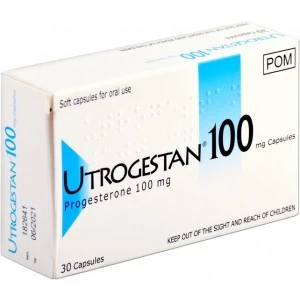
Menopause is a pivotal event in women’s lives, due to its wide-reaching impact and the significant changes involved. If you’re approaching menopause or would like to better understand what to expect, researching potential symptoms is crucial. While not everyone might experience the same things, it’s still worth finding out as much information as possible.In this article, we’ll answer important questions such as “Am I going through menopause?” and “What are the 34 symptoms of menopause?”, as well as discuss some early signs to be aware of and explore the different medications you can take. Let’s begin.  [medical_form product_id="471" text="START YOUR MENOPAUSE CONSULTATION TODAY" type="button"] What Does Menopause Mean?Menopause is a natural part of the female ageing process and describes the stage in a woman’s life when her periods stop. This change is permanent, and women can no longer get pregnant after menopause. The time leading up to menopause is called perimenopause, or the menopausal transition.Some women experience a variety of menopausal symptoms, while others have mild symptoms or none at all. Many people consider the perimenopausal stage part of menopause, but true menopause isn’t confirmed until at least one year has passed since a woman’s last period.At What Age Does Menopause Begin?Menopause usually begins between the ages of 45 and 55. However, it can happen earlier than this and may not be age-related. Premature menopause, defined as occurring before the age of 40, and early menopause, which affects women from 40 to 44, have several possible causes.For example, some women experience early menopause because of surgeries that remove the womb (hysterectomy) or ovaries (oophorectomy). Early menopause may also be triggered by chemotherapy or genetic factors. Other potential contributors to premature and early menopause include:SmokingHigh blood pressureThyroid disease  What are the 1st Signs of Menopause?Menopause symptoms can vary significantly between women, making it harder to establish when the menopausal transition has begun. However, the early signs of menopause commonly include:Changes in the regularity of periodsHot flashesNight sweatsBladder incontinenceSleep problemsVaginal drynessMood changesBrain fogNot all women experience menopause symptoms, but around 75% have them to some degree. For some women, these symptoms are mild and can be managed with small lifestyle adjustments, while for others, they are more severe. The symptoms of menopause last an average of 7 years, though they can continue for over 10 years in some women.What are the 34 Symptoms of Menopause?The symptoms of menopause are diverse, and not every woman has the same experience. There are around 34 menopause symptoms, ranging from physical issues (like hot flashes and headaches) to emotional and cognitive problems (such as mood swings and memory loss). {add_product_block(471)} 1. Hot FlashesHot flashes, the most common type of menopause vasomotor symptom, are sudden, short bursts of heat that cause redness and flushing around the face, neck and chest. This can be very uncomfortable, and some women find hot flashes disrupt their daily lives. For some people, small changes in their daily routine can help manage hot flashes. However, others may require hormonal or non-hormonal medications to reduce their symptoms.2. Period ChangesChanges in periods are a common sign of perimenopause and a result of fluctuating hormone levels. As women enter the menopausal transition, their ovaries start producing different amounts of oestrogen and progesterone, which play key roles in regulating menstruation.Your periods may become less regular, with cycles that are heavier, lighter, longer, or shorter than they used to be. Some women have periods that occur very close together, while others may skip a few months. Irregular periods continue for 2-8 years before stopping altogether.  3. Night SweatsHot flashes that happen at night are called night sweats. Some women with night sweats wake frequently, which can significantly disrupt sleep. It may be possible to manage night sweats with small dietary and lifestyle changes, or with prescription hormonal or non-hormonal medication.4. Poor Sleep QualityPoor sleep quality is a common issue for women experiencing menopausal transition. Many symptoms, such as night sweats and mood changes, can interrupt sleep and contribute to chronic sleep problems, like insomnia. Developing healthier sleep habits may help to improve sleep quality, as can medications like melatonin.5. Heart Palpitations Heart palpitations (which are rapid, irregular, or exaggerated heartbeats) affect up to 42% of perimenopausal women and 54% of postmenopausal women. This is another example of a vasomotor symptom, and studies have shown that cognitive behavioural therapy (CBT) can improve palpitations, night sweats, and hot flashes. Maintaining a healthy diet, frequent exercise, managing anxiety, and avoiding alcohol may also help to reduce heart palpitations.6. HeadachesHeadaches and migraines can change in severity and frequency during menopause. For some women, migraine symptoms worsen during the menopausal transition, possibly as a result of fluctuating oestrogen levels. Other types of headaches (like cluster and tension headaches) may also increase during menopause.   7. Mood SwingsMenopause is often associated with sudden mood swings, which can cause intense and unpredictable shifts in emotional state. Other mental health problems that can flare up during menopause include anxiety, depression, and stress. Alterations to mental well-being can happen because of changing hormone levels, but can also be exacerbated by sleep problems.8. Vaginal DrynessHormone fluctuations during the menopausal transition can bring about physical changes in the vagina. The inner lining of the vagina can become thinner, causing symptoms like vaginal dryness, burning, itching, and irritation. Genitourinary symptoms (i.e., symptoms affecting the genitals and urinary tract) affect an estimated 50-75% of women going through menopause.9. Memory LossMany menopausal women experience memory issues and brain fog, possibly because of declining oestrogen levels. This affects several aspects of cognitive function, including working memory, attention, processing speed, and verbal memory. Fortunately, many women find their memory problems improve after menopause, once their hormone levels stop fluctuating.10. TirednessSleep problems and hormonal fluctuations during the menopausal transition leave many women feeling fatigued. One study found that 46.5% of perimenopausal women and 85.3% of post-menopausal women felt physically and mentally exhausted, compared with just 19.7% of pre-menopausal women.  11. Loss of Sex DriveLoss of sex drive is common during menopause, as declining hormone levels can reduce libido. It may take longer to become aroused, and vaginal dryness can make sex uncomfortable or even painful. Other menopause symptoms, like poor sleep quality and mood changes, can also contribute to a lack of interest in sex.12. DepressionMenopause can increase your risk of depression, with one large study reporting rates of 35.6% among menopausal women. Doctors think this is due to changes in hormone levels, which have been associated with depression, irritability, and anxiety. Women who experience vasomotor symptoms (like hot flashes and sleep problems) are more likely to develop depression during menopause.13. AnxietyThe fluctuating hormone levels that characterise menopause may affect serotonin and Gamma-Aminobutyric Acid (GABA) signalling in the brain. This can contribute to mood changes during menopause, including depression and anxiety. Other menopause symptoms, like lack of sleep, can further exacerbate anxiety.14. Weight GainMany women gain weight during the menopausal transition. Weight gain often begins a few years before menopause and continues at about 1.5 pounds per year. However, hormonal changes alone don’t cause weight gain, and it’s usually due to a combination of factors, including ageing, lifestyle, and genetics. If you'd like to know more about losing weight during the menopause, please read our dedicated article.   15. Joint PainsJoint pain affects more than half of women going through menopause, as declining oestrogen levels can increase inflammation in the joints. Low oestrogen levels can also weaken muscle and bone, increasing the risk of osteoarthritis. You may be able to improve joint health and limit pain with low-impact exercise, strength training, and daily stretching.16. Poor ConcentrationPoor concentration, or ‘brain fog,’ affects many women experiencing menopausal transition. Oestrogen has neuroprotective effects, so declining levels may contribute to cognitive issues. Other menopause symptoms, like poor sleep quality and depression, can also impair concentration.17. Hair LossMenopause can cause changes to hair, as low oestrogen levels can impact the health of hair follicles. This may lead to thinning, loss of volume, and changes in hair texture. This phenomenon, called female pattern hair loss, may affect up to 56% of post-menopausal women.18. DizzinessDizziness is one of the most common symptoms of menopause, with 35.7% of women experiencing this symptom weekly. This may be linked to other menopause symptoms, such as anxiety and hot flashes. 19. Urinary Tract InfectionsUrinary tract infections are common among women in all life stages, but their prevalence increases after menopause. This may be because lower oestrogen levels impact the health and function of the vaginal mucosal wall. Thinning of the vaginal wall, impaired immune function and changes in the vaginal microbiota can all increase the risk of UTIs.  20. BloatingMany women experience digestive symptoms during menopause, including acid reflux, abdominal pain, bloating, constipation, and diarrhoea. Bloating is the most common of these symptoms, affecting an estimated 77% of menopausal women. Bloating is caused by a build-up of gas and is often linked to hormonal changes.21. Taste ChangesMenopause can alter taste perception, with some women reporting a reduction in the intensity of sweet and bitter flavours. This effect may have multiple causes, but it is linked to hormonal fluctuations and decreased salivary production during menopause.22. Urinary IncontinenceUrinary incontinence affects over 50% of post-menopausal women and is the most common symptom of Genitourinary Syndrome of Menopause (GSM), a cluster of conditions affecting the genitals and urinary tract. Declining estrogen levels can weaken urogenital tissues, including those supporting the bladder, and lead to urinary urgency and incontinence.23. Digestive IssuesDigestive problems such as diarrhoea, constipation, nausea, vomiting, abdominal pain, bloating, heartburn, and faecal incontinence may be more prevalent among menopausal women than pre-menopausal women. Oestrogen and progesterone play key roles in gastrointestinal health, so declining hormone levels may contribute to digestive issues in menopausal women.24. Muscle StrainMenopause has a profound effect on musculoskeletal health, and more than 70% of menopausal women report musculoskeletal symptoms like muscle strain. Researchers believe that reduced oestrogen levels can lead to a loss of muscle and bone mass, contributing to conditions that affect these tissues. {add_product_block(304)} 25. Dry & Itchy SkinHormonal changes during menopause can make skin thinner and drier.  This is because oestrogen supports skin health, and declining levels can contribute to dryness, which leaves skin feeling tight, flaky, and itchy.26. Change in Body OdourMany women find that their body odour gets stronger during menopause. This may be because a drop in oestrogen levels leaves the body with a relatively higher testosterone level, which can alter the skin's bacterial population. It may attract more bacteria, making sweat smell even stronger. Hot flashes and night sweats can also increase the number of bacteria in the armpits, further contributing to body odour.27. Brittle NailsChanges in oestrogen levels during menopause can affect nail health, making nails more brittle. This is because drops in oestrogen weaken the keratin layers in fingernails, causing them to break more easily. Dehydration can further weaken keratin and contribute to nail breakage, peeling, cracks and splits.28. AllergiesHormonal fluctuations women experience during menopause may contribute to the development of allergies. A reduction in oestrogen levels during menopause can also exacerbate asthma symptoms or lead to the development of asthma in women who didn’t previously have the condition.  29. Electric Shocks Under the SkinDeclining hormone levels during menopause can cause neurological symptoms and odd sensations. These can manifest as electric-shock sensations, which feel like sudden jolts or zaps under the skin. Many women also report experiencing paresthesia, or pins and needles.30. Breast TendernessBreast pain, or mastalgia, affects up to 70% of women and is a common symptom of menopause. Hormonal changes can cause breasts to feel more tender than usual, and they may feel lumpier than they did before. These symptoms often resolve after menopause, when hormone levels drop.31. TinnitusAlmost one-third of women experience new or worsening tinnitus during menopause, and doctors believe declining oestrogen levels are the cause. Oestrogen supports ear health, so having less of it can contribute to tinnitus. Other symptoms like anxiety, lack of sleep, and depression can also make tinnitus worse during menopause.32. Tingling Sensation in ExtremitiesHormonal changes during menopause can manifest as neurological symptoms, including paresthesia - an abnormal tingling or prickling sensation also known as ‘pins and needles.’ Many women experience this sensation in their hands and feet during menopause, though it is usually short-lived.33. OsteoporosisOsteoporosis is a serious medical condition that weakens bones to the point that they become fragile and break easily. The risk of osteoporosis increases with age, but menopausal women are more likely to develop the disease than men. This is because bone mass decreases around menopause, and women may lose up to 10% of their bone density in the 5 years after their periods stop. {add_product_block(453)} 34. Bleeding GumsFluctuating hormone levels can contribute to oral health problems, including dry mouth (xerostomia), gum disease, burning mouth syndrome (BMS), and changes in taste perception. Gum disease can cause gums to bleed, especially when brushing or flossing.How to Manage the Symptoms of MenopauseMost symptoms of menopause are related to natural ageing and the low levels of sex hormones (oestrogen, progesterone and testosterone) a woman produces, as she reaches the menopause period of her life. However, there are several ways you can manage some of these symptoms during menopause, and they include:Hormone replacement therapy (HRT)Medications like antidepressants can help with mood and depression Using lubricants for vaginal dryness Taking calcium and vitamin D supplements to help with weak bones.Lifestyle changes like exercising and eating a healthy diet  A few years post menopause, most symptoms should reduce and eventually stop. However, you should speak to your GP about troublesome issues and discuss treatments to manage menopausal symptoms.What Medication Can I Take for the Menopause?Menopause can produce a wide variety of symptoms affecting many aspects of physical and mental health. Some women go through menopause with no noticeable symptoms, while others have mild symptoms that they can manage with simple lifestyle adjustments. However, a number of women experience severe symptoms that disrupt their daily lives and require medication to reduce their impact.Oestrogel: Oestrogel is a topical hormone replacement therapy (HRT) that contains estradiol (i.e., oestrogen) as its active ingredient. This can counter the drop in hormone levels associated with menopause and help to alleviate symptoms like headaches, hot flashes, mood swings, heart palpitations, and more.Utrogestan: Utrogestan is a form of progesterone HRT. It should be used alongside an oestrogen-based HRT and can help to improve menopause symptoms by compensating for declining hormone levels.Estradot: Estradot is an HRT transdermal patch that contains estradiol, the primary form of oestrogen. The patches can be worn twice weekly to relieve hot flashes and night sweats, mood swings, vaginal dryness, and sleep problems.Evorel: Evorel HRT patches contain synthetic hormones that mimic the effects of oestrogen and progesterone. Users can apply the patches twice a week to rebalance hormones and improve menopause symptoms.Bijuve: Bijuve is an HRT medication containing both oestrogen and progesterone. These daily capsules supplement low hormone levels in menopause to relieve symptoms, including hot flushes, irritability, joint pains, and more.The hormonal changes brought about by menopause can manifest in diverse symptoms affecting many aspects of women’s physical, mental, and cognitive health. Prescription Doctor has a wide range of medications that can help to improve symptoms and quality of life by mitigating the effects of low oestrogen and progesterone levels.Support at Every StepIf you think you may be going through menopause or require some more advice, Prescription Doctor is here to help. Our dedicated team is available to support you at every stage, to help make the process as stress-free as possible.We strive to facilitate access to healthcare and give patients more control over how they obtain treatment. With us, there’s no need for face-to-face appointments that can take several days to arrange. Instead, you can fill out our online consultation form from your own home at any time. This makes obtaining a menopause test kit or ordering medication much more straightforward.Once the form has been completed, our specialist clinicians will review your information and determine whether your order is suitable for your circumstances. All orders approved before 3pm on a weekday are eligible for next-day delivery, while everything we dispatch is stored in plain packaging for complete discretion.To find out more about how Prescription Doctor can help you, or to request treatment, complete our consultation form today.  SourcesNIH (2024): What Is Menopause?PubMed (2023): Age at Natural Menopause and Influencing Factors in Women Attending the Gynaecological Outpatient Clinic at a Tertiary Care Hospital. PubMed (2025): Trends in age at natural menopause and menarche and related factors in Iran: results from a population-based study. NHS (2022): Menopause. BBC News (2024): What is the menopause and what are the main symptoms?NIH (2023): Menopause. NHS: Menopause for partners. NIH (2021): Hot Flashes: What Can I Do?Office on Women’s Health (2025): Menopause basics. Mayo Clinic (2024): Menopause. NIH (2021): Sleep Problems and Menopause: What Can I Do?PubMed (2022): Correlates of palpitations during menopause: A scoping review. British Heart Foundation (2023): Menopause and your heart. NHS Inform (2022): Menopause and your mental wellbeing. PubMed (2018): The Dynamics of Stress and Fatigue across Menopause: Attractors, Coupling and Resilience. PubMed (2025): Cognitive Function in Peri- and Postmenopausal Women: Implications for Considering Iron Supplementation. BUPA (2025): Does the menopause cause memory loss? Office on Women’s Health (2025): Menopause and sexuality. ScienceDirect (2024): Global prevalence of depression in menopausal women: A systematic review and meta-analysis. PubMed (2023): Does menopause elevate the risk for developing depression and anxiety? Results from a systematic review. Mayo Clinic (2023): The reality of menopause weight gain. PubMed (2023): Arthralgia of menopause - A retrospective review. BUPA (2024): Are muscle aches and joint pains linked to the menopause?PubMed (2021): Menopause and cognitive impairment: A narrative review of current knowledge. PubMed (2023): The Menopausal Transition: Is the Hair Follicle “Going through Menopause”?NICE (2021): Female pattern hair loss (female androgenetic alopecia). PubMed (2018): Dizziness in peri- and postmenopausal women is associated with anxiety: a cross-sectional study. NHS (2022): Menopause Symptoms. PubMed (2025): Urinary tract infections after menopause. Women’s Health Concern (2025): Digestive health and menopause. PubMed (2024): Taste Changes and Salivary Flow Rate Disparities in Premenopausal and Postmenopausal Women: Exploring the Zinc Connection. PubMed (2019): Urinary incontinence in postmenopausal women – causes, symptoms, treatment. PubMed (2024): The Link Between Menopause and Urinary Incontinence: A Systematic Review. PubMed (2025): The volume and characteristics of research on gastrointestinal symptoms in ‘natural’ peri- and postmenopause: A scoping review. PubMed (2024): The musculoskeletal syndrome of menopause. NIH (2025): Skin Care and Ageing. PubMed (2019): Estrogen-deficient skin: The role of topical therapy. Harvard Health Publishing (2023): Why has my natural scent changed during perimenopause?Shropshire Council: Menopause symptoms and practical tips to manage them. PubMed (2024): The Natural History and Risk Factors for the Development of Food Allergies in Children and Adults. PubMed (2015): Estrogen Signalling Modulates Allergic Inflammation and Contributes to Sex Differences in Asthma. PubMed (2023): Perimenopause as a neurological transition state. NIH (2025): Mastalgia. NIH (2024): Understanding Breast Changes and Conditions. UCI Health (2025): The surprising link between menopause and tinnitus. Tinnitus UK: Tinnitus and menopause. The Menopause Charity (2024): Join the dots: A-Z symptoms list.NIH (2022): Osteoporosis.  Victoria State Government: Menopause and osteoporosis. PubMed (2024): Menopause and Oral Health: Clinical Implications and Preventive Strategies. 
Read more →
The 34 Symptoms of the Menopause
BLOG

How to Lose Weight During the Menopause?

It is common for women to gain weight as they get older, especially during the menopausal phase. If you are going through menopause, you may find it challenging to lose weight now compared to before. To address this, consider taking a few proactive steps to make your weight loss efforts easier.What causes weight gain during menopause?There are several factors that contribute to weight gain in women during menopause.Change in hormone levelDuring menopause, oestrogen levels in women start to drop gradually. This causes the body to store more fat than before, especially around the midsection areas.Natural ageingAs people age, they typically become less active, and their metabolism slows down accordingly. These factors combined cause a reduction in muscle mass, making it easier for the body to store more fat.Poor sleepWomen experience symptoms like hot flashes and night sweats during menopause, which can cause sleep deprivation. A lack of high-quality sleep over time can lead to weight gain.Gaining weight around the waistline and especially at menopausal age can increase your risk of certain conditions like diabetes, heart disease and cancer. Therefore, it is important to address weight gain during menopause as soon as possible.Weight loss tips during menopauseIt may be more challenging to lose weight during menopause because of age and hormonal changes, but there are some strategies you could use to help you beat weight gain during this phase.Increase physical activityNatural ageing and menopause can slow down your body’s metabolism over time. A good way to address this is to increase your physical activity levels, ensuring that you incorporate exercises that build muscle and reduce body fat, such as resistance training and weightlifting exercises.Eat healthy meals A vital part of losing unhealthy weight requires you to eat fewer calories than your body needs daily. You can start with weekly meal planning and avoiding junk food, which mainly contains unhealthy (empty) calories. You should always aim to eat and fill up on healthy portions of food with fewer calories, such as whole grain foods, protein, fruits, and vegetables.Join weight loss groupsWeight loss groups offer support and accountability to help you achieve and maintain your weight loss goals. The NHS offers a free 12-week weight loss plan, complete with weekly diet and exercise goals, as well as an online weight loss community to support you throughout the process.Make key lifestyle changesIn addition to losing unhealthy weight, you should also plan to maintain your weight loss in the long term. Making certain lifestyle changes can help you maintain the weight loss over time. For example, you can quit smoking, reduce your alcohol intake to moderate levels, drink more water every day and ensure you get good quality sleep at night.Consider additional methodsIn addition to healthy lifestyle changes, there are weight loss pills that can help to reduce fat storage in your body. However, it is important to always consult with your GP first, and remember that weight loss pills are only effective with a healthy diet.
Read more →
How to Lose Weight During the Menopause?
BLOG

How Long Does the Menopause Last?

Menopause is a natural part of a woman’s life, and you can expect your experience to differ from other women.As women approach their 40s and 50s, their periods become less frequent until they eventually stop, and they are unable to become pregnant naturally. This process leads to the menopause.Read more: 10 questions about the menopause answeredWomen go through the natural process of menopause in three stages:PerimenopauseIn this phase, your body begins to produce fewer eggs from your ovaries and less oestrogen, causing irregular periods. Some women experience shorter or longer menstrual cycles, as well as lighter or heavier periods. The most common symptoms women have during perimenopause are hot flushes, night sweats, vaginal dryness and reduced sex drive.MenopauseMenopause actually refers to the point in time when you have had no periods back-to-back for exactly one year. In the UK, the average age for a woman to reach menopause is 51 years.Post-menopauseWomen who have stopped having their periods for at least one year will be referred to as postmenopausal for the rest of their lives. Most symptoms of menopause will reduce in this phase but some women may still experience a few symptoms like hot flushes, sleep problems, joint pains and vaginal dryness for a few more years.The exact timing of these stages varies from one woman to another.Several factors can influence the timing and severity of menopause symptoms.Lifestyle factorsCertain lifestyle factors can cause women to experience menopause earlier than others. For example, women who are stressed, overweight and smoke are more likely to have an early menopause, which usually happens before they’re 45 years old.However, positive lifestyle factors like regular exercise and maintaining a healthy weight help improve menopausal symptoms of low mood and sleep problems.GeneticsThe genetic makeup of some women causes them to experience menopause in their late 30s. This is referred to as premature ovarian failure, not premature menopause. Usually, knowing when your mother and grandmother started menopause may provide a rough guide as to when you are likely to begin your menopause phase.Women born with genetic conditions like Turner syndrome and Fragile X syndrome have ovaries that don’t function properly, causing them to have premature menopause.Medical conditionsAutoimmune diseases like rheumatoid arthritis and thyroid disease cause the body’s immune system to attack and damage organs like the ovaries, causing women with these conditions to begin menopause prematurely.Medical interventionsMedical interventions, such as hysterectomy or chemotherapy that result in the removal of or damage to the ovaries, can cause menopause to begin suddenly, rather than follow its natural, gradual progression.How long does menopause last?Menopause symptoms usually last anywhere from 2 to 10 years; however, most women take about 4 years to reach menopause.As a general guide, you have reached menopause when 12 months have elapsed since your last period.Going through menopause prematurely or suddenly can cause uncomfortable and distressing symptoms to begin within a shorter time frame compared to a natural menopause.Your doctor can advise you on how to manage your symptoms to help you with the transition to post-menopause.
Read more →
How Long Does the Menopause Last?

Treatment information

Product Name: Oestrogel
Active Ingredient(s): Estradiol
Administration: Topical
Presentation: Gel
Available Strength: 750 mcg/actuation
Exemption: Prescription-only
Dosage: Apply 2 measures to the upper arms and shoulders, or the inner thighs. Your prescriber may adjust your dose. 
Description: Oestrogel is HRT for post-menopausal women, which is applied topically.
Drug Class: Hormonal replacement therapy (HRT)
Alcohol Consumption: No major influence
When Pregnant: Do not use Oestrogel. Speak to your doctor for further advice.
When Breastfeeding: Do not use Oestrogel. Speak to your doctor for further advice.
Price: 24.99 GBP

Click here to view the Oestrogel Pump - Patient Information Leaflet

Authored & Reviewed By

Mohamed Imran Lakhi

Mohamed Imran Lakhi

MPharm - Lead Pharmacist
Imran Lakhi is the superintendent pharmacist and founder at Prescription Doctor. He has been at the core of our team.

Published on: 06/11/2020 Re-Published on: 03/07/2026 Reviewed on: 03/07/2026

Menopause Alternatives

Trisequens

Trisequens

  • Treats symptoms of the menopause
  • Available to re-order
  • Prescribed by a registered doctor
View Treatment
Novofem

Novofem

  • Treats symptoms of the menopause
  • Repeat prescription available
  • Prescribed by a registered doctor
View Treatment
Kliovance

Kliovance

  • Reduces menopause symptoms
  • Repeat prescription available
  • Prescribed by a registered doctor
View Treatment
Kliofem

Kliofem

  • Relieves symptoms of the menopause
  • Available to reorder
  • Prescribed by a registered doctor
View Treatment
Evorel

Evorel

  • Easy to apply transdermal patch
  • Available to reorder
  • Prescribed by a registered doctor
View Treatment
Livial

Livial

  • Relieves postmenopausal symptoms
  • Available to reorder
  • Prescribed by a registered doctor
View Treatment
Utrogestan

Utrogestan

  • Increases progesterone levels
  • Reduces postmenopausal symptoms
  • Available from a UK registered pharmacy
View Treatment
Progynova

Progynova

  • Easy to apply patch
  • Reduces menopause symptoms
  • Available from a UK registered pharmacy
View Treatment
Sandrena

Sandrena

  • Easy to apply gel
  • Replaces oestrogen
  • Treats menopause symptoms
View Treatment
Sandrena

Sandrena

  • Easy to apply gel
  • Replaces oestrogen
  • Treats menopause symptoms
View Treatment
Customer Service