Veoza

In Stock

Prices from £84.99
Review More Prices

Get Started
You must complete a short online consultation so that our prescriber can ensure that the treatment is suitable for you.
Order now to receive your order Saturday, September 26
All inclusive service
No hidden fees

Next day delivery
Discreetly packaged
Discreet delivery
Prescriber available
Prescriber assess you online
How to order
  1. Click on the green "Get Started" button, then click "Start Consultation" button on the next page.
  2. Fill in our short consultation form.
  3. Choose delivery method and mode of payment.
  4. Our team of expert prescribers will assess whether medication is suitable.
  5. If you get the green light and it is deemed suitable, your order will be processed quickly and efficiently.
Confidential Service

Your privacy is important, Prescription Doctor are committed to keeping your details completely confidential.

This is why we also take steps to conceal your prescription products under two layers of packaging.

Delivery and Packing
Discreet Delivery?

We have a commitment to delivering a discreet service and understand your need for privacy. We ship all orders via a trackable courier using discreet, plain packaging.

Do I Need to Wait in All Day for Delivery?

Once your order is dispatched you will receive a tracking number via sms and email.

Do You Deliver on Weekends?

We deliver medications between Monday and Saturday. You can upgrade to Saturday delivery on Friday.

My Order Hasn’t Arrived What Should I Do?

You should receive a tracking number with your order which you can use this number to track your parcel online. This should give you a clear indication of where your parcel is. If you haven’t received your parcel in the time frame given by our couriers, contact your local depot to find out where it is. You can also contact our support team who will do this for you.

Can I Be Notified by Text?

On checkout you will be asked to leave your mobile number so our courier can text you about the delivery. This is also useful if the courier has problems finding your address. We will not use your mobile number for anything else.

Payment Methods
How Can I Pay for My Order?

You can pay for your order using credit, debit card or via bank transfer.

I Don’t Have a Credit Card, How Can I Pay?

If you don’t have a credit or debit card you can pay via bank transfer. We will give you a unique reference number at checkout along with details of how to make the transfer. Once the money has cleared in our account, we will process your order.

How Do You Keep My Details Safe?

We are a completely secure site and take many measures to ensure your details are kept safe. We understand that you have a right to extreme privacy when purchasing sensitive health medications. All information that you provide to us is stored on our secure servers. Any payment transactions will be encrypted using SSL technology.

Payment and refunds?

You can pay for your order using credit, debit card and bank transfer.

Card Payment: Please notify us that you wish to cancel your order. Your refund will show available In 1 - 3 days.

Bank Transfer: A member of our team will contact you requesting for your bank details. These details are only used to transfer the funds back into your account.

Treatment Information

Table of contents:

What is Veoza?

Veoza is a daily, non-hormonal menopause treatment that’s available on prescription to treat the most common menopause symptoms, hot flushes and night sweats. Veoza tablets do not contain any man-made or natural hormones, so they may be suitable for women who cannot or choose not to take more traditional hormone replacement therapy (HRT). Instead, its active ingredient, fezolinetant, acts on the brain region responsible for vasomotor symptoms.

How Does Veoza Work?

Veoza works by blocking a protein called neurokinin B (NKB) from binding to its receptors in the brain. Neurokinin B is responsible for regulating the body’s temperature control centre. Known as an NK3 receptor agonist, Veoza effectively attaches to NK3 receptors, preventing the protein from binding, thereby alleviating potential symptoms.

Usually, neurokinin B works in conjunction with oestrogen to regulate body temperature and maintain balance. However, during menopause, oestrogen levels fall, and neurokinin B increases, causing vasomotor symptoms like hot flushes and night sweats. By binding to NK3 receptors, Veoza can lower body temperature and reduce the frequency and intensity of vasomotor menopause symptoms.

How Long Does Veoza Take to Work?

Veoza can start working to reduce the severity and frequency of hot flashes and night sweats in as little as one week after starting treatment. However, it can take up to 12 weeks to feel the full benefits of the medication.

Veoza Effectiveness for Menopause

A study published in The Lancet in 2023 investigated the efficacy and safety of fezolinetant for treating vasomotor symptoms of menopause. The results showed that, compared to a placebo, fezolinetant 30 mg and 45 mg significantly reduced the frequency and severity of vasomotor symptoms at week 4. There were improvements in symptoms after one week of treatment, which were maintained throughout the 52-week study.

A follow-up trial called SKYLIGHT 2 found that 45 mg of fezolinetant resulted in an average 55% reduction in daily vasomotor symptoms after 4 weeks, compared to 51% for 30 mg of fezolinetant and 33.6% for placebo. During the trial, just 1% of participants given 45 mg of Veoza reported serious adverse effects, suggesting that Veoza is both effective and well-tolerated.

A systematic review published in 2024 found that fezolinetant improves menopause-specific quality of life at 4 and 12 weeks and reduces the frequency and severity of vasomotor symptoms.

How to Take Veoza

Take one Veoza 45 mg tablet each day, with or without food. You should swallow it whole with a drink. To get the best results, you should:

  • Take Veoza at the same time each day.
  • Swallow the tablet whole with fluid, preferably a glass of water. Do not crush, break, or chew the tablet.
  • Take the tablet with or without food.

Veoza should always be taken exactly as advised. If you are unsure, consult your clinician for guidance.

What If You Forget to Take Veoza Tablets

If you forget to take your Veoza tablet when you should, take the missed dose as soon as you remember, provided there are at least 12 hours remaining until your next dose. If not, skip the missed dose and return to your regular schedule the following day. Never take a double dose to try to catch up.

If you miss several doses, speak to your doctor and follow their advice.

If You Take Too Much Veoza

If you take too many Veoza tablets, or if somebody else accidentally takes them, contact your clinician or doctor straight away. You may experience symptoms such as nausea, headaches, or a tingling or prickling sensation (paraesthesia).

Stopping Veoza Treatment

Always consult a doctor or clinician before stopping Veoza tablets. They will be able to discuss your options with you and recommend potential alternatives.

Side Effects and Cautions

Veoza can cause side effects, and it is important that you understand the potential adverse effects and cautions before taking this medication, so that you know what to look out for and when you should seek medical advice. If you are concerned about any Veoza side effects, speak to your clinician.

Common Side Effects of Veoza

Veoza tablets can cause several common side effects, though some people may not experience anything. In clinical trials, these adverse reactions were shown to affect up to 1 in 10 people:

  • Diarrhoea
  • Difficulty sleeping (insomnia)
  • Stomach (abdominal) pain
  • Increase in the levels of certain enzymes in blood tests (such as ALT or AST)

If you experience any side effects of Veoza treatment, talk to your clinician or doctor. You can also report them via the MHRA’s Yellow Card scheme.

Serious Veoza Side Effects

Some side effects of Veoza can be serious. If you experience any of the following, tell your doctor immediately, as they could be signs of liver injury:

  • Tiredness
  • Itching skin
  • Yellowing of the skin and eyes
  • Light-coloured stools
  • Loss of appetite and/or stomach ache
  • Dark urine
  • Nausea or vomiting

More information regarding Veoza side effects can be found within the Patient Information Leaflet that comes with the medication.

Veoza Warnings and Interactions

Veoza may not be suitable for everyone. It is important that you let your clinician know about any other health conditions you have before starting treatment. This will help them assess if Veoza is suitable for you. There are some conditions that can make Veoza unsuitable or potentially unsafe.

Do not take Veoza if you:

  • Are allergic to fezolinetant or any other ingredients listed in the medication
  • Take any medicines known as moderate or strong CYP1A2 inhibitors, such as contraceptives containing ethinylestradiol, or mexiletine, enoxacin, or fluvoxamine
  • Are pregnant or think you might be

If you are unsure about any of the above or if they occur for the first time when taking Veoza, stop taking it and speak to your clinician.

Precautions Before Taking Veoza

Before taking Veoza, you should let your clinician know if you:

  • Have liver problems or liver disease
  • Have kidney problems
  • Have or have had breast cancer or another oestrogen-related cancer
  • Already take oestrogen-containing hormone replacement therapy
  • Have a history of seizures

This is to help them determine if the medication is suitable for your circumstances.

You will also need to carry out a liver function test before starting Veoza treatment. This should be repeated each month during the first three months of taking the medication, and at regular intervals afterwards, if required by a clinician.

Veoza Tablets and Other Medicines

It’s important that you inform your prescriber of any other medicines you are taking, including over-the-counter products or herbal remedies. Certain medicines can also increase the risk of Veoza side effects and must not be taken alongside the treatment. These include:

  • Fluvoxamine (for depression and anxiety)
  • Enoxacin (used to treat infections)
  • Mexiletine (for muscle stiffness)
  • Contraceptives that include ethinyl oestradiol (including Lucette, Rigevidon, and Yasmin)

If you are ever unsure about whether it’s suitable to take Veoza, consult your clinician for advice.

Pregnancy and Breastfeeding

Do not take this medication if you are pregnant, think you might be pregnant, or are breastfeeding. Veoza is only intended for menopausal women. If you become pregnant while taking Veoza, stop taking it straight away and let your doctor know. If you are of childbearing potential when taking the medication, you should also use effective non-hormonal contraception.

Frequently Asked Questions About Veoza Tablets

Is Veoza Safe?

Veoza is safe and well-tolerated in clinical trials. Veoza has been approved to treat hot flushes and night sweats in menopausal women in the UK by the Medicines and Healthcare Products Regulatory Agency (MHRA). It has also been authorised for use in the EU by the European Medicines Agency.

In clinical trials, the rate of serious adverse events is low. One study showed that 4.4% of people given fezolinetant experienced serious treatment-emergent adverse events compared to 3.5% given a placebo. Another trial found that serious adverse events and withdrawal from the study in people given fezolinetant, either 30 mg or 45 mg, were low.

Is Veoza HRT?

No, Veoza is not a form of HRT because it doesn’t contain any synthetic or natural hormones. It is, however, an alternative to HRT. HRT works by replacing declining oestrogen and progesterone levels, while Veoza blocks the specific nerve pathways in the brain that regulate the body’s temperature control centre.

Does Veoza Help Hot Flashes?

Yes, Veoza contains the active ingredient fezolinetant, a non-hormonal pill that targets the brain's temperature control centre to reduce the frequency and severity of hot flashes and night sweats. It blocks a specific peptide called neurokinin B and may be suitable for some women who cannot take HRT or would prefer a non-hormonal treatment.

An assessment would also be required to determine if Veoza is suitable for your circumstances

How Do I Store Veoza Tablets?

Veoza does not require any specific temperature storage instructions. You should store them out of the sight and reach of children. Do not take Veoza if it has passed the expiry date, which is printed on the carton and blister pack.

If you no longer need to take Veoza, or they have passed their expiry date, do not throw any remaining pills in your household waste or dispose of them via wastewater. Instead, take them to your nearest pharmacy and ask them to dispose of them for you.

Do I Need a Prescription for Veoza?

Yes, you do need a prescription for Veoza because it requires monitoring by a clinician. A doctor will need to assess whether Veoza is safe and suitable for you and ensure you do not have any conditions or take any medication that may interact with Veoza, which could make it unsafe.

Is Veoza on the NHS?

Yes, you can get Veoza on the NHS to treat moderate to severe menopausal hot flushes and night sweats. It is specifically recommended for people who cannot take hormone replacement therapy (HRT). You will need to make an appointment with your GP to find out whether Veoza is suitable and available on the NHS.

Can I Buy Veoza Online?

Yes, you can buy Veoza online from trusted pharmacies like Prescription Doctor. You will need to have a short consultation with a clinician, which involves completing a brief questionnaire about your health. The clinician will review your answers to decide whether Veoza is the right treatment for you.

If your order is approved by our clinicians, your medication will be dispatched in plain, discreet packaging as standard to maintain your confidentiality. If your order is approved before 3 pm on Monday to Friday, we will send your medication via our next-day delivery service.

Additional Resources

PAGE

What are the 34 symptoms of the menopause?

Menopause is a pivotal event in women’s lives, due to its wide-reaching impact and the significant changes involved. If you’re approaching menopause or would like to better understand what to expect, researching potential symptoms is crucial. While not everyone might experience the same things, it’s still worth finding out as much information as possible.In this article, we’ll answer important questions such as “Am I going through menopause?” and “What are the 34 symptoms of menopause?”, as well as discuss some early signs to be aware of and explore the different medications you can take. Let’s begin.  [medical_form product_id="471" text="START YOUR MENOPAUSE CONSULTATION TODAY" type="button"] What Does Menopause Mean?Menopause is a natural part of the female ageing process and describes the stage in a woman’s life when her periods stop. This change is permanent, and women can no longer get pregnant after menopause. The time leading up to menopause is called perimenopause, or the menopausal transition.Some women experience a variety of menopausal symptoms, while others have mild symptoms or none at all. Many people consider the perimenopausal stage part of menopause, but true menopause isn’t confirmed until at least one year has passed since a woman’s last period.At What Age Does Menopause Begin?Menopause usually begins between the ages of 45 and 55. However, it can happen earlier than this and may not be age-related. Premature menopause, defined as occurring before the age of 40, and early menopause, which affects women from 40 to 44, have several possible causes.For example, some women experience early menopause because of surgeries that remove the womb (hysterectomy) or ovaries (oophorectomy). Early menopause may also be triggered by chemotherapy or genetic factors. Other potential contributors to premature and early menopause include:SmokingHigh blood pressureThyroid disease  What are the 1st Signs of Menopause?Menopause symptoms can vary significantly between women, making it harder to establish when the menopausal transition has begun. However, the early signs of menopause commonly include:Changes in the regularity of periodsHot flashesNight sweatsBladder incontinenceSleep problemsVaginal drynessMood changesBrain fogNot all women experience menopause symptoms, but around 75% have them to some degree. For some women, these symptoms are mild and can be managed with small lifestyle adjustments, while for others, they are more severe. The symptoms of menopause last an average of 7 years, though they can continue for over 10 years in some women.What are the 34 Symptoms of Menopause?The symptoms of menopause are diverse, and not every woman has the same experience. There are around 34 menopause symptoms, ranging from physical issues (like hot flashes and headaches) to emotional and cognitive problems (such as mood swings and memory loss). {add_product_block(471)} 1. Hot FlashesHot flashes, the most common type of menopause vasomotor symptom, are sudden, short bursts of heat that cause redness and flushing around the face, neck and chest. This can be very uncomfortable, and some women find hot flashes disrupt their daily lives. For some people, small changes in their daily routine can help manage hot flashes. However, others may require hormonal or non-hormonal medications to reduce their symptoms.2. Period ChangesChanges in periods are a common sign of perimenopause and a result of fluctuating hormone levels. As women enter the menopausal transition, their ovaries start producing different amounts of oestrogen and progesterone, which play key roles in regulating menstruation.Your periods may become less regular, with cycles that are heavier, lighter, longer, or shorter than they used to be. Some women have periods that occur very close together, while others may skip a few months. Irregular periods continue for 2-8 years before stopping altogether.  3. Night SweatsHot flashes that happen at night are called night sweats. Some women with night sweats wake frequently, which can significantly disrupt sleep. It may be possible to manage night sweats with small dietary and lifestyle changes, or with prescription hormonal or non-hormonal medication.4. Poor Sleep QualityPoor sleep quality is a common issue for women experiencing menopausal transition. Many symptoms, such as night sweats and mood changes, can interrupt sleep and contribute to chronic sleep problems, like insomnia. Developing healthier sleep habits may help to improve sleep quality, as can medications like melatonin.5. Heart Palpitations Heart palpitations (which are rapid, irregular, or exaggerated heartbeats) affect up to 42% of perimenopausal women and 54% of postmenopausal women. This is another example of a vasomotor symptom, and studies have shown that cognitive behavioural therapy (CBT) can improve palpitations, night sweats, and hot flashes. Maintaining a healthy diet, frequent exercise, managing anxiety, and avoiding alcohol may also help to reduce heart palpitations.6. HeadachesHeadaches and migraines can change in severity and frequency during menopause. For some women, migraine symptoms worsen during the menopausal transition, possibly as a result of fluctuating oestrogen levels. Other types of headaches (like cluster and tension headaches) may also increase during menopause.   7. Mood SwingsMenopause is often associated with sudden mood swings, which can cause intense and unpredictable shifts in emotional state. Other mental health problems that can flare up during menopause include anxiety, depression, and stress. Alterations to mental well-being can happen because of changing hormone levels, but can also be exacerbated by sleep problems.8. Vaginal DrynessHormone fluctuations during the menopausal transition can bring about physical changes in the vagina. The inner lining of the vagina can become thinner, causing symptoms like vaginal dryness, burning, itching, and irritation. Genitourinary symptoms (i.e., symptoms affecting the genitals and urinary tract) affect an estimated 50-75% of women going through menopause.9. Memory LossMany menopausal women experience memory issues and brain fog, possibly because of declining oestrogen levels. This affects several aspects of cognitive function, including working memory, attention, processing speed, and verbal memory. Fortunately, many women find their memory problems improve after menopause, once their hormone levels stop fluctuating.10. TirednessSleep problems and hormonal fluctuations during the menopausal transition leave many women feeling fatigued. One study found that 46.5% of perimenopausal women and 85.3% of post-menopausal women felt physically and mentally exhausted, compared with just 19.7% of pre-menopausal women.  11. Loss of Sex DriveLoss of sex drive is common during menopause, as declining hormone levels can reduce libido. It may take longer to become aroused, and vaginal dryness can make sex uncomfortable or even painful. Other menopause symptoms, like poor sleep quality and mood changes, can also contribute to a lack of interest in sex.12. DepressionMenopause can increase your risk of depression, with one large study reporting rates of 35.6% among menopausal women. Doctors think this is due to changes in hormone levels, which have been associated with depression, irritability, and anxiety. Women who experience vasomotor symptoms (like hot flashes and sleep problems) are more likely to develop depression during menopause.13. AnxietyThe fluctuating hormone levels that characterise menopause may affect serotonin and Gamma-Aminobutyric Acid (GABA) signalling in the brain. This can contribute to mood changes during menopause, including depression and anxiety. Other menopause symptoms, like lack of sleep, can further exacerbate anxiety.14. Weight GainMany women gain weight during the menopausal transition. Weight gain often begins a few years before menopause and continues at about 1.5 pounds per year. However, hormonal changes alone don’t cause weight gain, and it’s usually due to a combination of factors, including ageing, lifestyle, and genetics. If you'd like to know more about losing weight during the menopause, please read our dedicated article.   15. Joint PainsJoint pain affects more than half of women going through menopause, as declining oestrogen levels can increase inflammation in the joints. Low oestrogen levels can also weaken muscle and bone, increasing the risk of osteoarthritis. You may be able to improve joint health and limit pain with low-impact exercise, strength training, and daily stretching.16. Poor ConcentrationPoor concentration, or ‘brain fog,’ affects many women experiencing menopausal transition. Oestrogen has neuroprotective effects, so declining levels may contribute to cognitive issues. Other menopause symptoms, like poor sleep quality and depression, can also impair concentration.17. Hair LossMenopause can cause changes to hair, as low oestrogen levels can impact the health of hair follicles. This may lead to thinning, loss of volume, and changes in hair texture. This phenomenon, called female pattern hair loss, may affect up to 56% of post-menopausal women.18. DizzinessDizziness is one of the most common symptoms of menopause, with 35.7% of women experiencing this symptom weekly. This may be linked to other menopause symptoms, such as anxiety and hot flashes. 19. Urinary Tract InfectionsUrinary tract infections are common among women in all life stages, but their prevalence increases after menopause. This may be because lower oestrogen levels impact the health and function of the vaginal mucosal wall. Thinning of the vaginal wall, impaired immune function and changes in the vaginal microbiota can all increase the risk of UTIs.  20. BloatingMany women experience digestive symptoms during menopause, including acid reflux, abdominal pain, bloating, constipation, and diarrhoea. Bloating is the most common of these symptoms, affecting an estimated 77% of menopausal women. Bloating is caused by a build-up of gas and is often linked to hormonal changes.21. Taste ChangesMenopause can alter taste perception, with some women reporting a reduction in the intensity of sweet and bitter flavours. This effect may have multiple causes, but it is linked to hormonal fluctuations and decreased salivary production during menopause.22. Urinary IncontinenceUrinary incontinence affects over 50% of post-menopausal women and is the most common symptom of Genitourinary Syndrome of Menopause (GSM), a cluster of conditions affecting the genitals and urinary tract. Declining estrogen levels can weaken urogenital tissues, including those supporting the bladder, and lead to urinary urgency and incontinence.23. Digestive IssuesDigestive problems such as diarrhoea, constipation, nausea, vomiting, abdominal pain, bloating, heartburn, and faecal incontinence may be more prevalent among menopausal women than pre-menopausal women. Oestrogen and progesterone play key roles in gastrointestinal health, so declining hormone levels may contribute to digestive issues in menopausal women.24. Muscle StrainMenopause has a profound effect on musculoskeletal health, and more than 70% of menopausal women report musculoskeletal symptoms like muscle strain. Researchers believe that reduced oestrogen levels can lead to a loss of muscle and bone mass, contributing to conditions that affect these tissues. {add_product_block(304)} 25. Dry & Itchy SkinHormonal changes during menopause can make skin thinner and drier.  This is because oestrogen supports skin health, and declining levels can contribute to dryness, which leaves skin feeling tight, flaky, and itchy.26. Change in Body OdourMany women find that their body odour gets stronger during menopause. This may be because a drop in oestrogen levels leaves the body with a relatively higher testosterone level, which can alter the skin's bacterial population. It may attract more bacteria, making sweat smell even stronger. Hot flashes and night sweats can also increase the number of bacteria in the armpits, further contributing to body odour.27. Brittle NailsChanges in oestrogen levels during menopause can affect nail health, making nails more brittle. This is because drops in oestrogen weaken the keratin layers in fingernails, causing them to break more easily. Dehydration can further weaken keratin and contribute to nail breakage, peeling, cracks and splits.28. AllergiesHormonal fluctuations women experience during menopause may contribute to the development of allergies. A reduction in oestrogen levels during menopause can also exacerbate asthma symptoms or lead to the development of asthma in women who didn’t previously have the condition.  29. Electric Shocks Under the SkinDeclining hormone levels during menopause can cause neurological symptoms and odd sensations. These can manifest as electric-shock sensations, which feel like sudden jolts or zaps under the skin. Many women also report experiencing paresthesia, or pins and needles.30. Breast TendernessBreast pain, or mastalgia, affects up to 70% of women and is a common symptom of menopause. Hormonal changes can cause breasts to feel more tender than usual, and they may feel lumpier than they did before. These symptoms often resolve after menopause, when hormone levels drop.31. TinnitusAlmost one-third of women experience new or worsening tinnitus during menopause, and doctors believe declining oestrogen levels are the cause. Oestrogen supports ear health, so having less of it can contribute to tinnitus. Other symptoms like anxiety, lack of sleep, and depression can also make tinnitus worse during menopause.32. Tingling Sensation in ExtremitiesHormonal changes during menopause can manifest as neurological symptoms, including paresthesia - an abnormal tingling or prickling sensation also known as ‘pins and needles.’ Many women experience this sensation in their hands and feet during menopause, though it is usually short-lived.33. OsteoporosisOsteoporosis is a serious medical condition that weakens bones to the point that they become fragile and break easily. The risk of osteoporosis increases with age, but menopausal women are more likely to develop the disease than men. This is because bone mass decreases around menopause, and women may lose up to 10% of their bone density in the 5 years after their periods stop. {add_product_block(453)} 34. Bleeding GumsFluctuating hormone levels can contribute to oral health problems, including dry mouth (xerostomia), gum disease, burning mouth syndrome (BMS), and changes in taste perception. Gum disease can cause gums to bleed, especially when brushing or flossing.How to Manage the Symptoms of MenopauseMost symptoms of menopause are related to natural ageing and the low levels of sex hormones (oestrogen, progesterone and testosterone) a woman produces, as she reaches the menopause period of her life. However, there are several ways you can manage some of these symptoms during menopause, and they include:Hormone replacement therapy (HRT)Medications like antidepressants can help with mood and depression Using lubricants for vaginal dryness Taking calcium and vitamin D supplements to help with weak bones.Lifestyle changes like exercising and eating a healthy diet  A few years post menopause, most symptoms should reduce and eventually stop. However, you should speak to your GP about troublesome issues and discuss treatments to manage menopausal symptoms.What Medication Can I Take for the Menopause?Menopause can produce a wide variety of symptoms affecting many aspects of physical and mental health. Some women go through menopause with no noticeable symptoms, while others have mild symptoms that they can manage with simple lifestyle adjustments. However, a number of women experience severe symptoms that disrupt their daily lives and require medication to reduce their impact.Oestrogel: Oestrogel is a topical hormone replacement therapy (HRT) that contains estradiol (i.e., oestrogen) as its active ingredient. This can counter the drop in hormone levels associated with menopause and help to alleviate symptoms like headaches, hot flashes, mood swings, heart palpitations, and more.Utrogestan: Utrogestan is a form of progesterone HRT. It should be used alongside an oestrogen-based HRT and can help to improve menopause symptoms by compensating for declining hormone levels.Estradot: Estradot is an HRT transdermal patch that contains estradiol, the primary form of oestrogen. The patches can be worn twice weekly to relieve hot flashes and night sweats, mood swings, vaginal dryness, and sleep problems.Evorel: Evorel HRT patches contain synthetic hormones that mimic the effects of oestrogen and progesterone. Users can apply the patches twice a week to rebalance hormones and improve menopause symptoms.Bijuve: Bijuve is an HRT medication containing both oestrogen and progesterone. These daily capsules supplement low hormone levels in menopause to relieve symptoms, including hot flushes, irritability, joint pains, and more.The hormonal changes brought about by menopause can manifest in diverse symptoms affecting many aspects of women’s physical, mental, and cognitive health. Prescription Doctor has a wide range of medications that can help to improve symptoms and quality of life by mitigating the effects of low oestrogen and progesterone levels.Support at Every StepIf you think you may be going through menopause or require some more advice, Prescription Doctor is here to help. Our dedicated team is available to support you at every stage, to help make the process as stress-free as possible.We strive to facilitate access to healthcare and give patients more control over how they obtain treatment. With us, there’s no need for face-to-face appointments that can take several days to arrange. Instead, you can fill out our online consultation form from your own home at any time. This makes obtaining a menopause test kit or ordering medication much more straightforward.Once the form has been completed, our specialist clinicians will review your information and determine whether your order is suitable for your circumstances. All orders approved before 3pm on a weekday are eligible for next-day delivery, while everything we dispatch is stored in plain packaging for complete discretion.To find out more about how Prescription Doctor can help you, or to request treatment, complete our consultation form today.  SourcesNIH (2024): What Is Menopause?PubMed (2023): Age at Natural Menopause and Influencing Factors in Women Attending the Gynaecological Outpatient Clinic at a Tertiary Care Hospital. PubMed (2025): Trends in age at natural menopause and menarche and related factors in Iran: results from a population-based study. NHS (2022): Menopause. BBC News (2024): What is the menopause and what are the main symptoms?NIH (2023): Menopause. NHS: Menopause for partners. NIH (2021): Hot Flashes: What Can I Do?Office on Women’s Health (2025): Menopause basics. Mayo Clinic (2024): Menopause. NIH (2021): Sleep Problems and Menopause: What Can I Do?PubMed (2022): Correlates of palpitations during menopause: A scoping review. British Heart Foundation (2023): Menopause and your heart. NHS Inform (2022): Menopause and your mental wellbeing. PubMed (2018): The Dynamics of Stress and Fatigue across Menopause: Attractors, Coupling and Resilience. PubMed (2025): Cognitive Function in Peri- and Postmenopausal Women: Implications for Considering Iron Supplementation. BUPA (2025): Does the menopause cause memory loss? Office on Women’s Health (2025): Menopause and sexuality. ScienceDirect (2024): Global prevalence of depression in menopausal women: A systematic review and meta-analysis. PubMed (2023): Does menopause elevate the risk for developing depression and anxiety? Results from a systematic review. Mayo Clinic (2023): The reality of menopause weight gain. PubMed (2023): Arthralgia of menopause - A retrospective review. BUPA (2024): Are muscle aches and joint pains linked to the menopause?PubMed (2021): Menopause and cognitive impairment: A narrative review of current knowledge. PubMed (2023): The Menopausal Transition: Is the Hair Follicle “Going through Menopause”?NICE (2021): Female pattern hair loss (female androgenetic alopecia). PubMed (2018): Dizziness in peri- and postmenopausal women is associated with anxiety: a cross-sectional study. NHS (2022): Menopause Symptoms. PubMed (2025): Urinary tract infections after menopause. Women’s Health Concern (2025): Digestive health and menopause. PubMed (2024): Taste Changes and Salivary Flow Rate Disparities in Premenopausal and Postmenopausal Women: Exploring the Zinc Connection. PubMed (2019): Urinary incontinence in postmenopausal women – causes, symptoms, treatment. PubMed (2024): The Link Between Menopause and Urinary Incontinence: A Systematic Review. PubMed (2025): The volume and characteristics of research on gastrointestinal symptoms in ‘natural’ peri- and postmenopause: A scoping review. PubMed (2024): The musculoskeletal syndrome of menopause. NIH (2025): Skin Care and Ageing. PubMed (2019): Estrogen-deficient skin: The role of topical therapy. Harvard Health Publishing (2023): Why has my natural scent changed during perimenopause?Shropshire Council: Menopause symptoms and practical tips to manage them. PubMed (2024): The Natural History and Risk Factors for the Development of Food Allergies in Children and Adults. PubMed (2015): Estrogen Signalling Modulates Allergic Inflammation and Contributes to Sex Differences in Asthma. PubMed (2023): Perimenopause as a neurological transition state. NIH (2025): Mastalgia. NIH (2024): Understanding Breast Changes and Conditions. UCI Health (2025): The surprising link between menopause and tinnitus. Tinnitus UK: Tinnitus and menopause. The Menopause Charity (2024): Join the dots: A-Z symptoms list.NIH (2022): Osteoporosis.  Victoria State Government: Menopause and osteoporosis. PubMed (2024): Menopause and Oral Health: Clinical Implications and Preventive Strategies. 
Read more →
What are the 34 symptoms of the menopause?
PAGE

10 Questions About the Menopause Answered

Menopause is a fact of life that many don't think about until they have to. Women in their reproductive years are often more concerned about birth control and STDs.Men don't experience menopause, although they do undergo similar age-related changes.In recent years, more women have started discussing menopause. Although they are more open about it, some are still left with questions.1.) What is the menopause?The menopause occurs in a woman after age-related declines in hormones cause her to stop menstruating. The main hormones that decline during menopause are oestrogen, progesterone and testosterone.A woman is considered to be fully in menopause after 12 months without menstruation. After this time, pregnancy is unlikely.2.) What age does the menopause hit?On average, women experience the menopause between the ages of 45 and 55. A woman may begin to experience fewer periods as she approaches menopause, or she may stop menstruating suddenly.One in 100 women hit menopause before age 40 - this is called premature menopause and is usually caused by ovarian failure, damage to the ovaries or surgical removal of the ovaries.3.) How long does the menopause last?On average, the menopause lasts about four years. The time leading up to menopause is called perimenopause, and the time after menopause is called post-menopause.Symptoms begin to develop during perimenopause and ease off during post-menopause.4.) What are the symptoms of the menopause?Some common symptoms are:changes in moodchillsdry skinhot flashesirregular periodsloss of breast fullnessnight sweatssleep problemsslow metabolism and weight gainthinning hairvaginal dryness5.) How is the menopause diagnosed?Doctors typically diagnose the menopause based on the description of the symptoms, though some women experience few symptoms.There are also home menopause test kits which can tell you if you are menopausal.6.) When is it safe to stop using contraceptive pills?The combined contraceptive pill can mask symptoms of the menopause, making it difficult to diagnose. Thus, it is recommended to stop taking combined contraceptive pills before the age of 50 and switch to another form of contraception, such as the progestogen-only pill, also known as the mini pill.Of course, condoms are the only contraceptive method which can prevent sexually transmitted diseases (STDs). They can be used after the menopause.7.) Can the menopause affect hair and skin?Yes. During the menopause, androgen levels increase. Androgens, such as testosterone, determine male characteristics, including facial and body hair. As a consequence, some women may notice an increase in unwanted facial and body hair.The drop in oestrogen and progesterone slows down hair growth, causing hair on the scalp to appear thin.Since the body stops making as much collagen during menopause, the skin loses elasticity and becomes dry. This can create sagging skin around the cheeks and jawline, as well as increase the appearance of wrinkles around the eyes.8.) Is it possible to delay the menopause?One study published in the Journal of Epidemiology and Community Health found that women who eat a diet rich in fish, legumes, beans, B12, and zinc reach menopause later than women whose diet contains simple carbohydrates, such as refined rice and pasta.Another US study showed that women who ate more low-fat milk products delayed menopause by over three and a half years. It's thought that enzymes in the cow milk could boost oestrogen levels.However, the findings of both studies only demonstrated a possible relationship between the factors, not a probable cause. That is to say that while diet may have an effect on the age at which women experience the menopause, there are several other factors to consider that could influence the cessation of the menstrual cycle, the primary indicator of menopause.9.) How does a partial hysterectomy affect the menopause?A partial hysterectomy removes just the womb, but the cervix and ovaries remain intact.Evidence indicates that women who undergo a partial hysterectomy are at an increased risk of ovarian failure and, hence, early menopause.It is not known if this is caused by the hysterectomy itself or another pre-existing cause.10.) Is there a cure for menopause?While there is no cure for the menopause, there are a variety of treatments to manage the symptoms.If you experience uncomfortable symptoms, there are treatments available to help manage them and bring relief.Hormone replacement therapy (HRT) is a common menopause treatment that's available online.After the menopause transition is complete, most symptoms either disappear or subside to a more manageable level. Women no longer have to worry about birth control or monthly menstrual cycles.They are now free to enjoy life on their own terms.
Read more →
10 Questions About the Menopause Answered

Treatment information

Product Name: Veoza
Manufacturer: Astellas Pharma
Active Ingredient(s): Fezolinetant
Administration: Oral
Presentation: Tablets
Exemption: Prescription Only
Application: Menopausal women experiencing vasomotor symptoms who cannot or choose not to take oestrogen.
Dosage: one 45 mg tablet daily
Description: Veoza is a non-hormonal menopause treatment that’s available on prescription in the UK
Drug Class: Non-hormonal menopause treatment
Alcohol Consumption: No influence
When Pregnant: Do not take Veoza
When Breastfeeding: Do not take Veoza

Click here to view the Veoza - Patient Information Leaflet

Authored By

Leanne

Leanne Edermaniger

Medical Content Writer
Leanne is a science and health content writer focusing on human health and biology while utilising her solid academic background.

Published on: 02/04/2024 Re-Published on: 17/07/2026

Reviewed By

Mohamed Imran Lakhi

Mohamed Imran Lakhi

MPharm - Lead Pharmacist
Imran Lakhi is the superintendent pharmacist and founder at Prescription Doctor. He has been at the core of our team.

Reviewed on: 17/07/2026

Menopause Alternatives

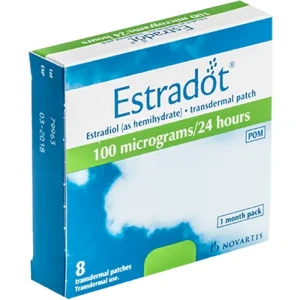
Estradot

Estradot

  • Transdermal patch worn twice weekly
  • Relieves hot flushes and night sweats
View Treatment
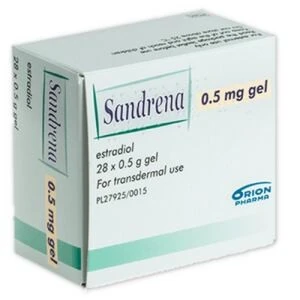
Sandrena

Sandrena

  • Easy to apply gel
  • Replaces oestrogen
View Treatment
Oestrogel Pump

Oestrogel Pump

  • Easy to use pump
  • Prevents osteoporosis
View Treatment
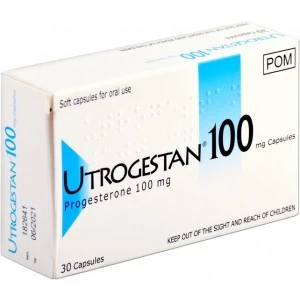
Utrogestan

Utrogestan

  • Increases progesterone levels
  • Reduces postmenopausal symptoms
View Treatment
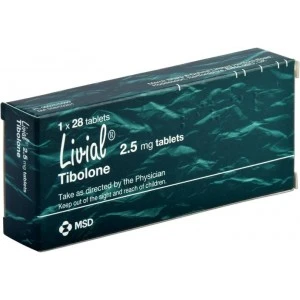
Livial

Livial

  • Prescribed by a registered doctor
  • Relieves postmenopausal symptoms
View Treatment
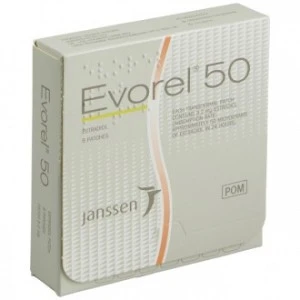
Evorel

Evorel

  • Prescribed by a registered doctor
  • Easy to apply transdermal patch
View Treatment
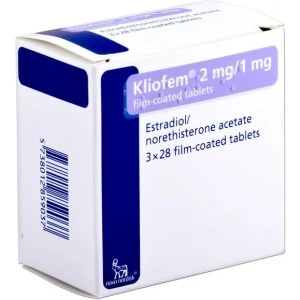
Kliofem

Kliofem

  • Prescribed by a registered doctor
  • Relieves symptoms of the menopause
View Treatment
Customer Service